Jewelry Decision Guide: Tradition vs. Choice
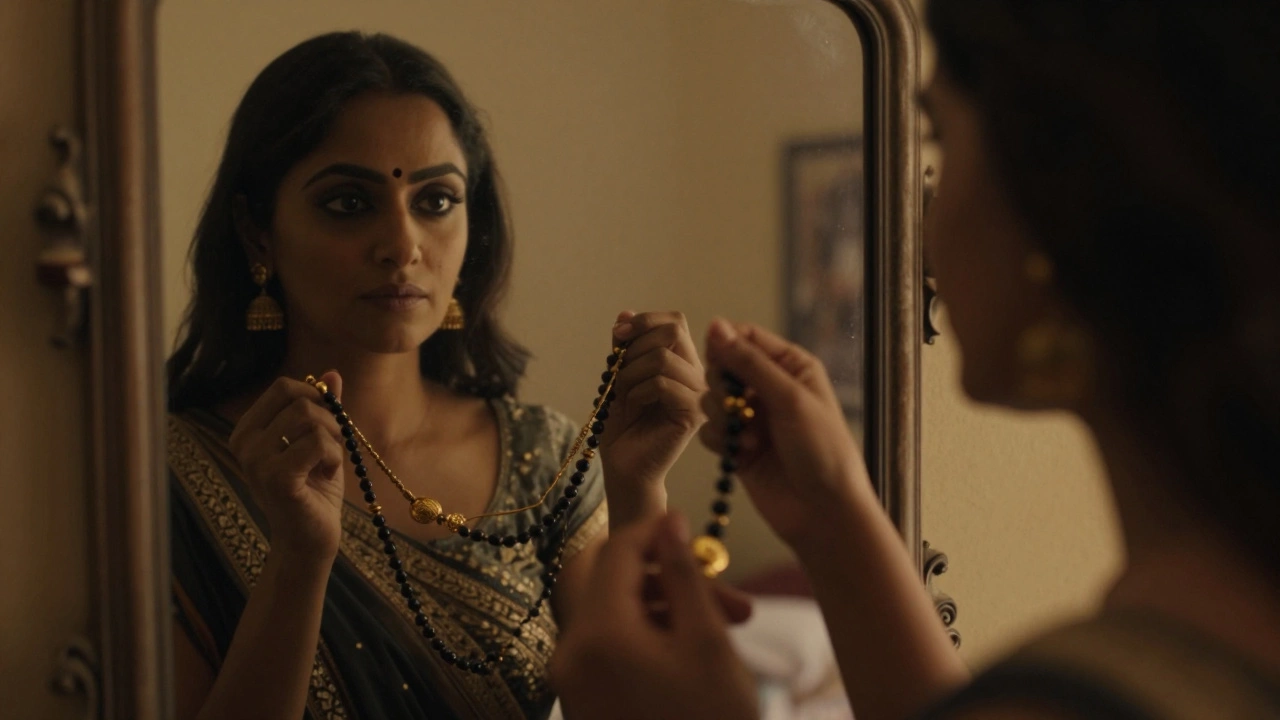
How do you feel when you look at your mangalsutra in the mirror?
Imagine standing in front of your mirror, holding a piece of jewelry that holds years of memories, pain, and a complicated history. For many women in India, the mangalsutra isn't just a necklace; it's a social marker. When a marriage ends in divorce, a heavy question often lingers: is it "right" to keep wearing it? There is no single law carved in stone here. Instead, it's a tug-of-war between ancient social expectations and a woman's right to define her own identity.
Quick Guide: The Modern Perspective on Mangalsutras After Divorce
- Legal Status: Jewelry is typically considered personal property (Stridhan) and belongs to the woman.
- Social Norms: Traditional views suggest removal, but modern urban perspectives prioritize personal comfort.
- Emotional Impact: Decisions often range from keeping it as a memory to repurposing the gold.
- Style Shifts: Many women switch to minimalist designs to detach the item from its traditional marital meaning.
The Weight of Tradition and Social Expectations
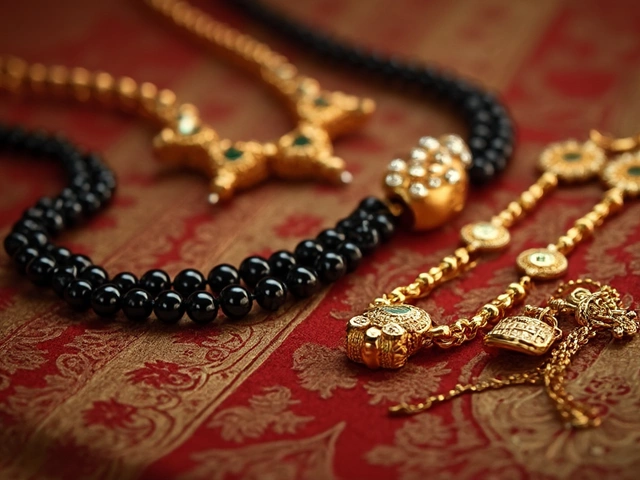
To understand this dilemma, we first have to look at what the Mangalsutra is a sacred necklace consisting of black beads and gold, tied by the groom around the bride's neck during a Hindu wedding. Historically, it has been seen as a symbol of the husband's longevity and the woman's marital status. In many conservative pockets of India, the sight of a mangalsutra on a divorced woman can spark unwanted questions or judgment from neighbors and extended family.
Why does this happen? Because the jewelry acts as a public announcement. In the past, it was a way for society to categorize women instantly. However, times have changed. In cities like Mumbai or Bangalore, the strict adherence to these "rules" is fading. Many women now view the jewelry as an asset or a piece of art rather than a leash to a dead relationship. If you find peace in wearing it, the social noise eventually fades.
Legal Ownership and the Concept of Stridhan
When talking about jewelry after a split, we have to bring up Stridhan. Stridhan refers to the gifts, jewelry, and assets given to a woman at the time of her marriage, over which she has absolute ownership. Legally, if the mangalsutra was given to you, it is your property. Whether you wear it, sell it, or lock it in a locker, the legal right remains with you.
In divorce proceedings, disputes often arise over gold. However, the Indian courts generally uphold that jewelry given to the bride belongs to her. So, from a legal standpoint, there is absolutely no restriction on whether a divorced woman can wear her mangalsutra. You aren't breaking any one law by keeping a piece of gold around your neck.
The Emotional Journey: To Keep or To Let Go?
Deciding to keep the necklace is rarely about the gold and almost always about the heart. Some women find it empowering to keep the jewelry, viewing it as a trophy of a life lesson learned. Others feel that every time they look in the mirror, they are reminded of a betrayal or a failure, making the jewelry feel like a heavy chain.
Have you ever felt a physical reaction to an object associated with an ex? It's common. Some women choose to keep the mangalsutra but remove the black beads, converting the gold pendant into a regular necklace. This allows them to retain the financial value of the mangalsutra designs while stripping away the marital symbolism. It's a way of reclaiming the object and making it a part of their own story, not someone else's.
Evolving Mangalsutra Designs for the Modern Woman
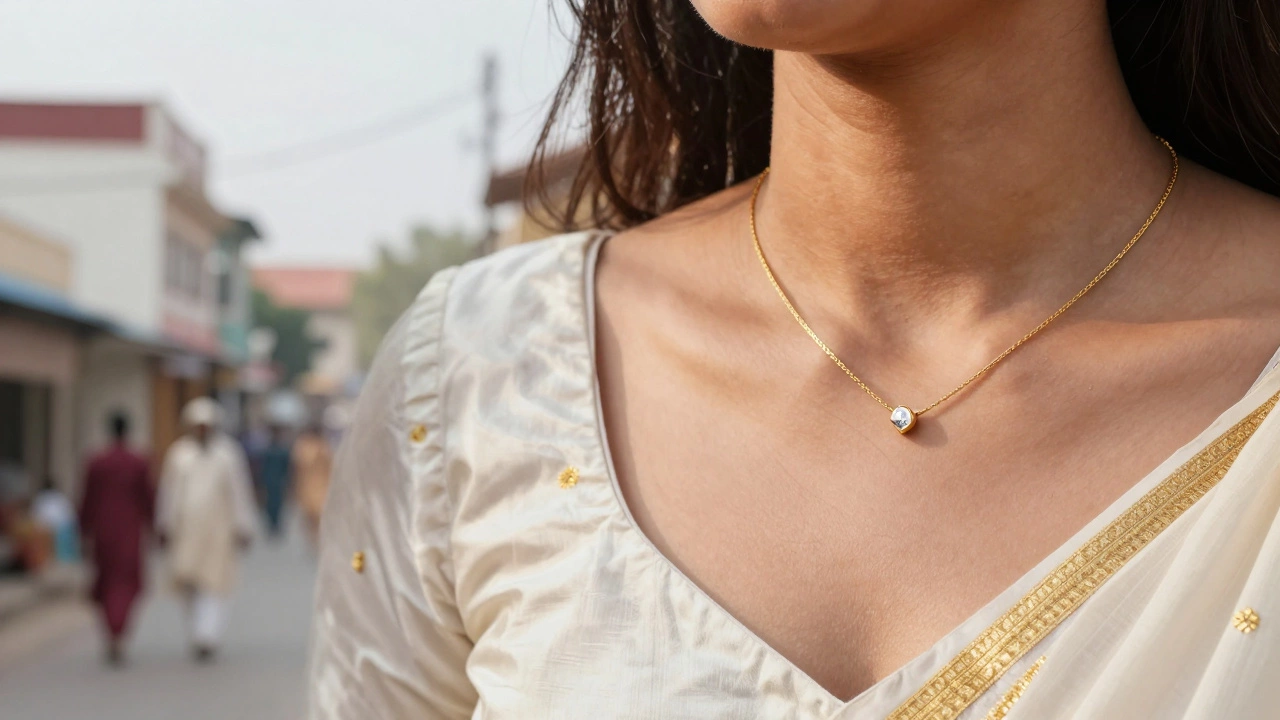
If you decide to keep wearing a mangalsutra but want to distance yourself from the "traditional wife" image, you might look into contemporary styles. Modern jewelry has moved away from the heavy, obvious patterns toward something more subtle. Many women are now opting for Minimalist Jewelry, which blends tradition with a sleek, professional look.
| Feature | Traditional Design | Modern/Minimalist Design |
|---|---|---|
| Visual Impact | Bold, heavy black beads, large pendants | Thin chains, small diamonds, subtle beads |
| Social Signal | Clearly indicates marital status | Looks like a fashion accessory/necklace |
| Versatility | Best for weddings and festivals | Fits office wear and casual outings |
| Emotional Tone | Strongly tied to ritual and duty | Tied to personal style and elegance |
By choosing a Diamond Mangalsutra with a very thin gold chain, the piece stops being a "badge of marriage" and starts being a "piece of luxury." This shift in design allows a woman to navigate social spaces without feeling like she is inviting a conversation about her personal life.
Dealing with Family Pressure and Social Stigma
Even if you are comfortable, your parents or in-laws might not be. You might hear things like, "What will people say?" or "It's not auspicious to wear it after a divorce." It's important to recognize that these comments are based on old scripts. The only person who has to live in your skin and wear your jewelry is you.
When dealing with this pressure, a simple approach works best: set a boundary. You don't need to explain why you are wearing a piece of your own jewelry. If the conversation becomes too heated, reminding them that the jewelry is your personal property (your Stridhan) usually settles the legal side of the argument, even if the cultural side remains stubborn.
Practical Alternatives for Repurposing Jewelry
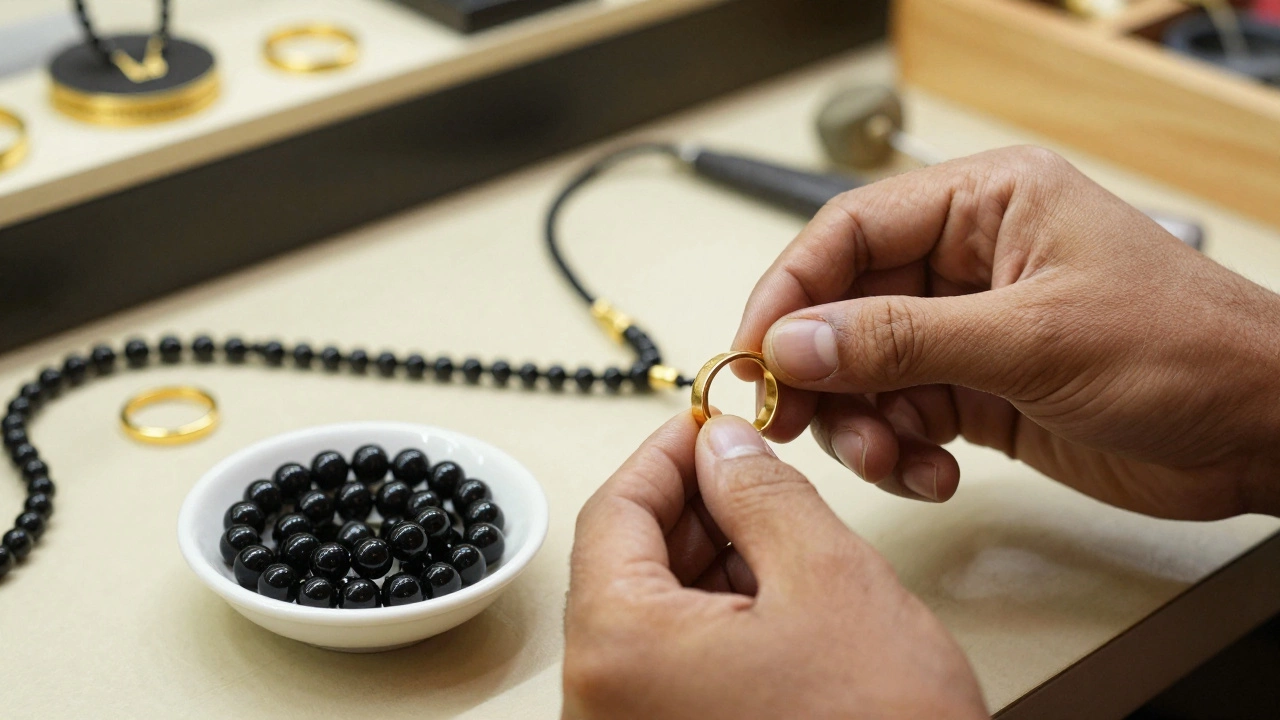
If you find that you can't wear the mangalsutra as it is, but you hate the idea of selling it, consider repurposing it. Gold is timeless, but designs are not. A jeweler can easily take the gold from a mangalsutra and turn it into something entirely different.
- Convert to a Ring: Use the gold from the pendant to create a sophisticated band or an engagement-style ring for yourself.
- Create a Pendant: Remove the black beads and hang the center piece on a simple gold chain or a silk thread.
- Bangles: Melt the gold down to create a set of Gold Bangles, which are seen as general symbols of prosperity rather than specific marital markers.
- Investment: Convert the jewelry into a gold coin or bar to keep the wealth secure without the emotional baggage.
Taking a piece of jewelry and transforming it is a powerful metaphor for life after divorce. It represents the ability to take something that was meant for one purpose and reshape it into something that serves your new, independent life.
Is it considered bad luck or inauspicious for a divorced woman to wear a mangalsutra?
Auspiciousness is a matter of personal belief and family tradition. While some orthodox views suggest that the mangalsutra loses its "power" or purpose after a divorce, many modern spiritual practitioners believe that your intention and mental peace are what truly matter. There is no universal rule that says it brings bad luck; it depends entirely on how you perceive the object.
Can my ex-husband demand the mangalsutra back after a divorce?
Generally, no. Under Indian law, jewelry given to the bride during the wedding is considered Stridhan, which belongs exclusively to the woman. Unless there was a specific written legal agreement stating otherwise, the husband or his family has no legal right to reclaim the mangalsutra.
What should I do if I want to wear it but feel judged by society?
You can try switching to a more modern, subtle mangalsutra design that doesn't look traditional. Alternatively, you can wear it under your clothes or choose to wear it only during private gatherings. However, the most sustainable long-term solution is to embrace your choice and let others adjust to your new reality.
Is it okay to wear a mangalsutra if I am remarried?
Yes, absolutely. In a second marriage, many women choose to wear a new mangalsutra given by their new partner. Some may even blend elements of their previous jewelry into a new design, symbolizing the journey of their life and the growth they've experienced.
How do I explain my choice to my parents if they are traditional?
Focus on the emotional and financial value. Tell them that the gold represents your hard-won resilience or your personal property. Avoid arguing about tradition and instead emphasize your current mental well-being and how keeping the jewelry (or wearing it) helps you feel secure or complete.
Next Steps for Your Decision
If you are still unsure, try a "test period." Wear the mangalsutra for a week and notice how you feel. Do you feel confident, or do you feel anxious? If you feel a pang of sadness every time you see it, it might be time to visit a jeweler and explore new designs. If you feel a sense of strength and ownership, keep it on. Your jewelry should make you feel beautiful and powerful, not burdened by the past.