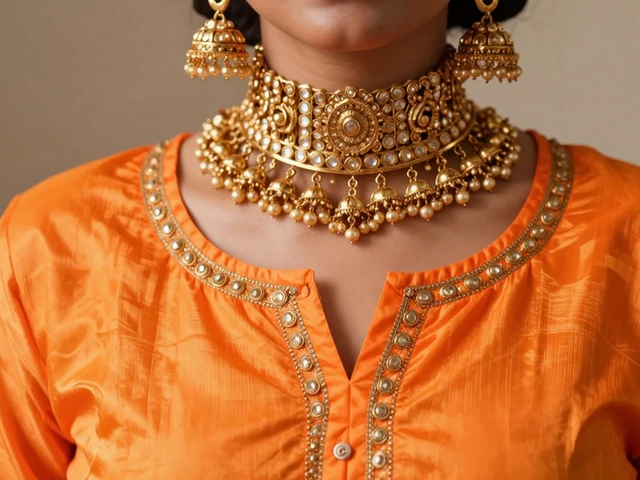
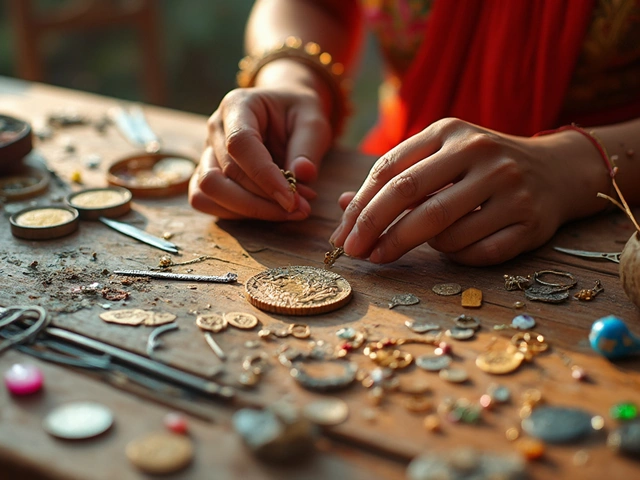
Welcome to RH Jewellers India – Your Online Jewellery Destination
Looking for that perfect piece to match your style or a special occasion? You’ve landed at the right spot. We bring together centuries‑old Indian craftsmanship and today’s trends, so you get jewellery that feels both classic and fresh.
Why Choose RH Jewellers?
Every item is made from certified gold, silver or ethically sourced gemstones. Our hallmarks, like the 875 (21K) mark you see on many rings, guarantee purity and value. We also share quick tips—like how to spot cheap jewellery—so you shop with confidence.
Explore Our Top Collections
From traditional bangles and temple jewellery to modern mangalsutra designs, each collection tells a story. Need help picking a colour that compliments gold? Check out our guide on the best pairings. Want to know the best month to buy gold in India? We’ve got the timing tricks right here.
Ready to add a piece to your box? Browse, compare, and enjoy hassle‑free delivery across India. Your next favourite jewellery is just a click away.
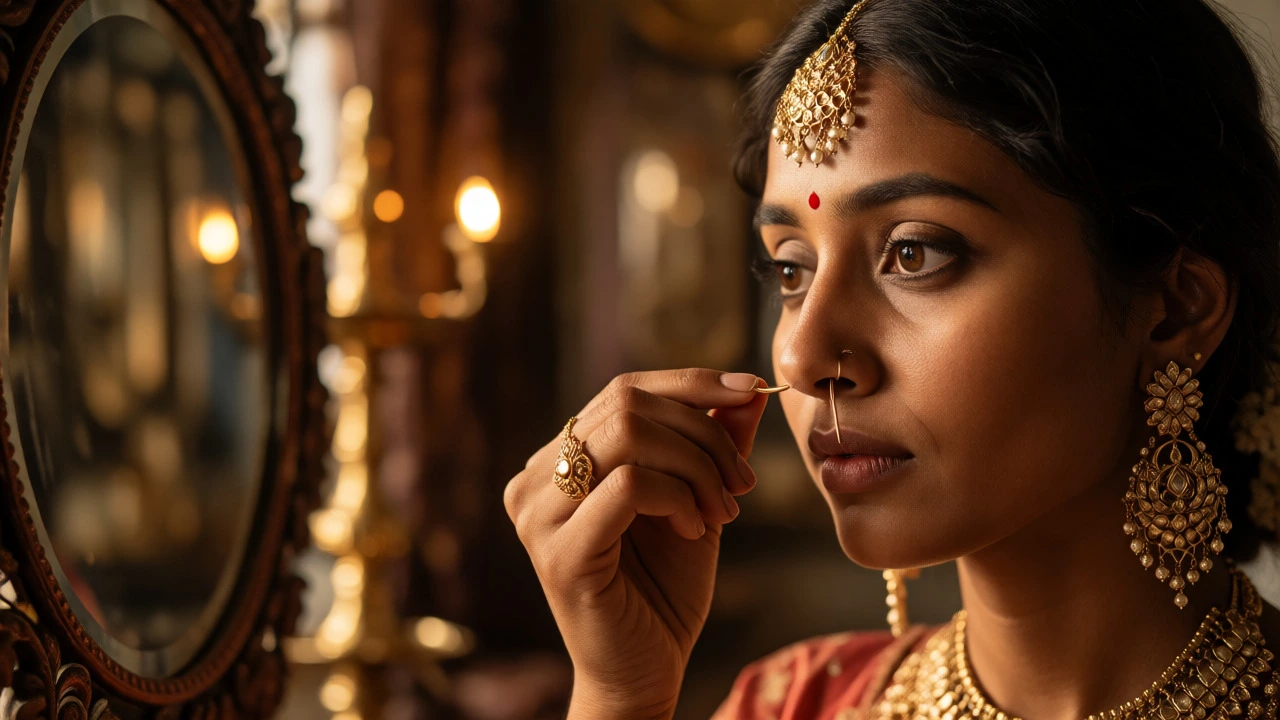
Nose Pin Side Guide: Left vs Right Meaning & Traditions
Confused about whether to wear your nose pin on the left or right? Discover the cultural meanings, Ayurvedic beliefs, and style tips to choose the perfect side.
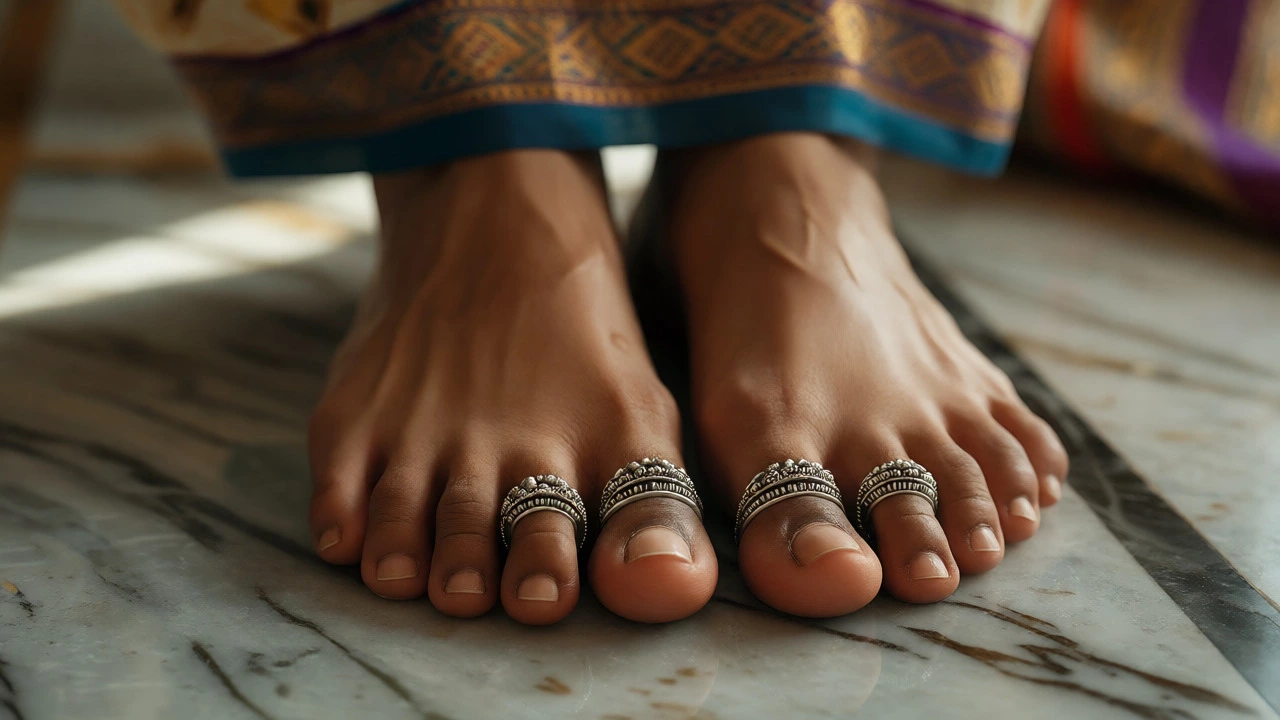
Toe Ring Symbolism: Cultural, Ayurvedic & Fashion Meanings
Discover the deep symbolism behind toe rings, from marital status in India to Ayurvedic health beliefs. Learn about regional variations, modern fashion trends, and practical tips for choosing and caring for your toe ring.
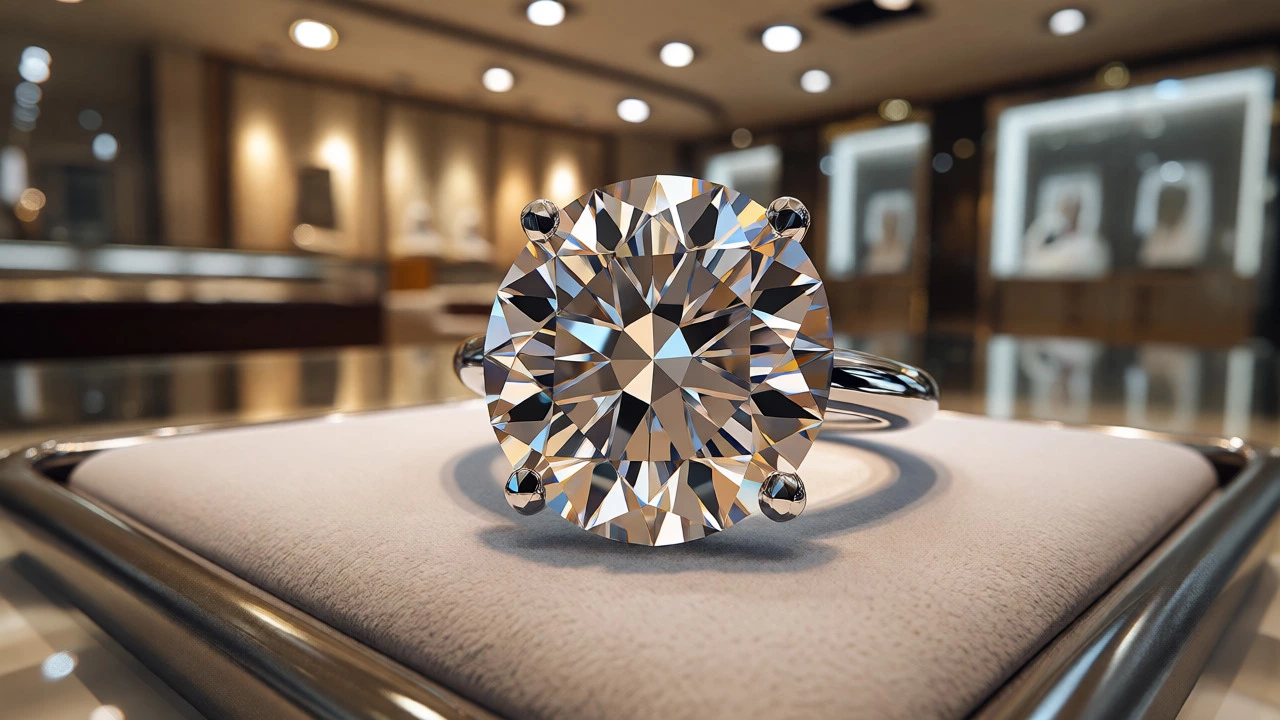
Do Diamonds Lose Value with Age? The Truth About Antique Diamond Jewelry
Do diamonds lose value with age? Discover why modern stones depreciate while antique cuts often appreciate. Learn how scarcity, craftsmanship, and market trends affect your jewelry's worth.
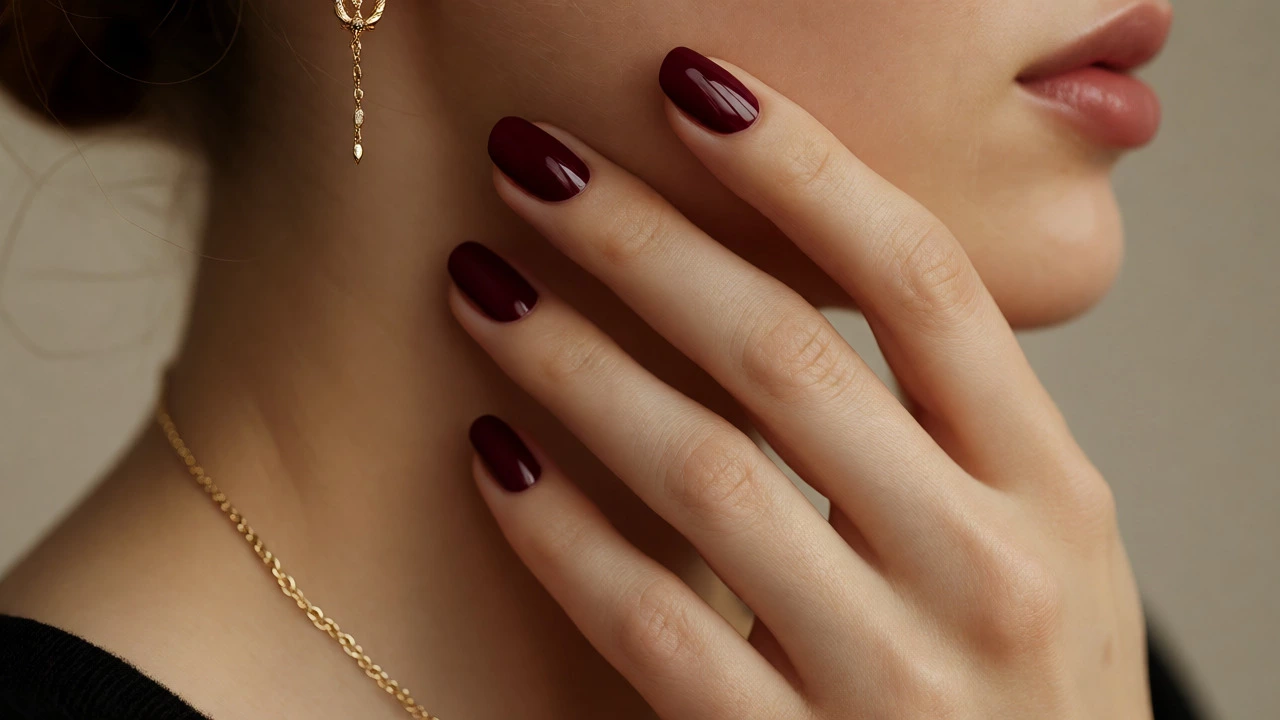
Best Nail Colors to Wear with Gold Jewelry
Discover the best nail colors to wear with gold jewelry. From classic reds to chic nudes, learn how to match your manicure to yellow, white, and rose gold.
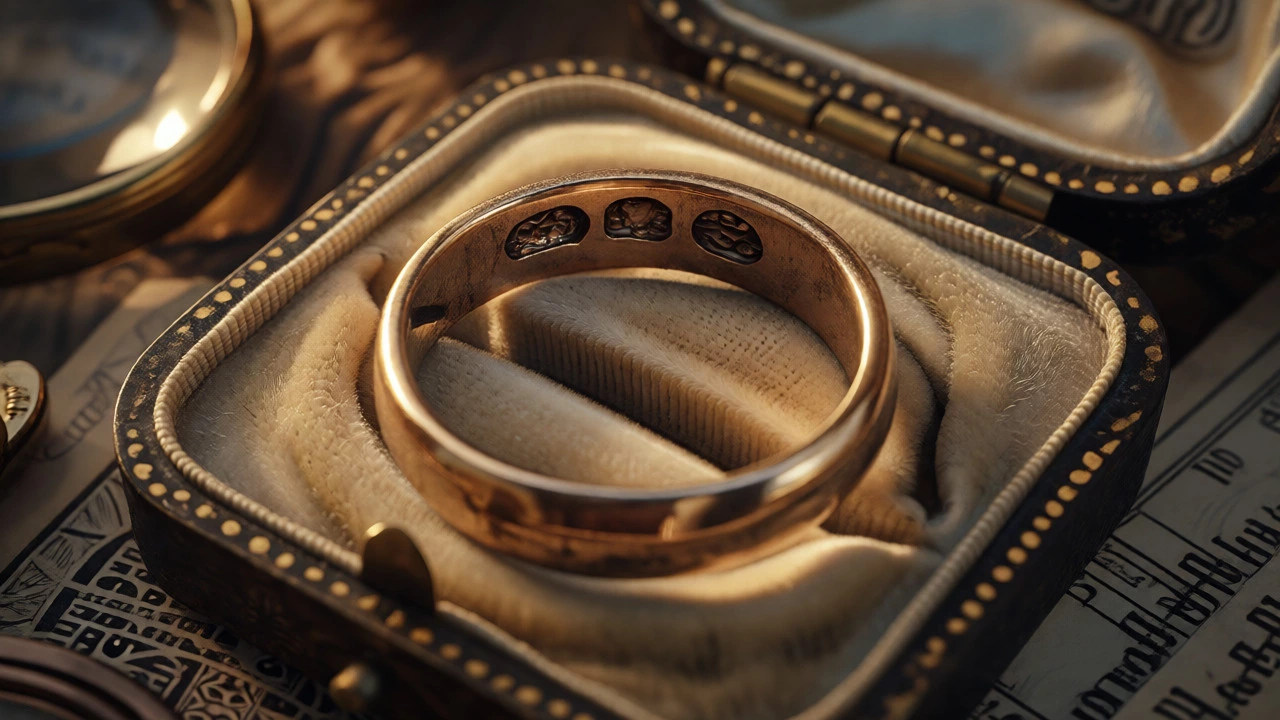
How to Identify Jewelry Marks: A Guide to Hallmarks and Maker's Marks
Learn how to identify jewelry marks and hallmarks to determine metal purity and origin. Decode stamps like 925, 750, and maker's marks with this practical guide.

Is a Nose Pin Attractive? The Truth Behind the Trend
Discover why nose pins remain a top choice for enhancing facial aesthetics. We explore face shape guides, cultural meanings, and 2026 trends to help you decide if this piercing is right for you.
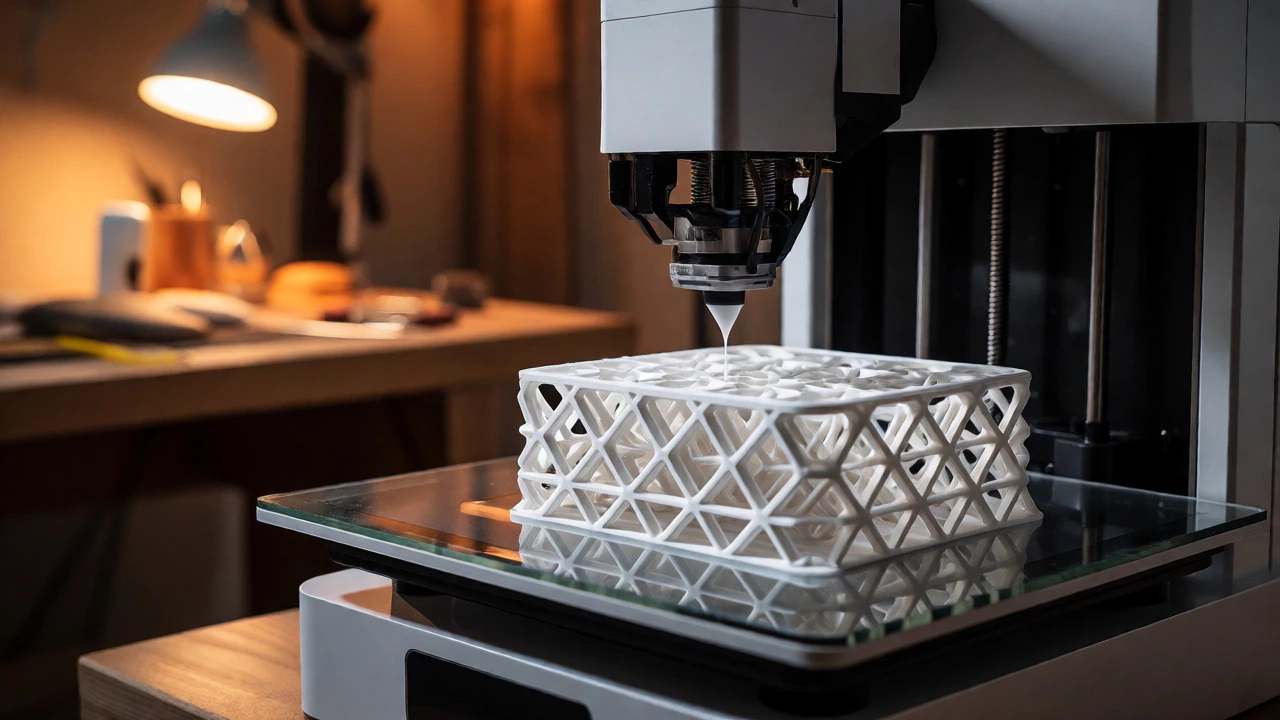
What Is Illegal to 3D Print? A Guide for Makers and Jewelers
Discover what is illegal to 3D print, from copyright traps to patent violations. Learn how to navigate IP laws for jewelry and functional designs safely.

Is Zara Banned in India? The Truth Behind the Fashion Brand Ban Rumors
Discover the truth behind rumors that Zara and other fashion brands are banned in India. Learn why Shein was blocked, how boycotts differ from bans, and which brands are safe to buy.
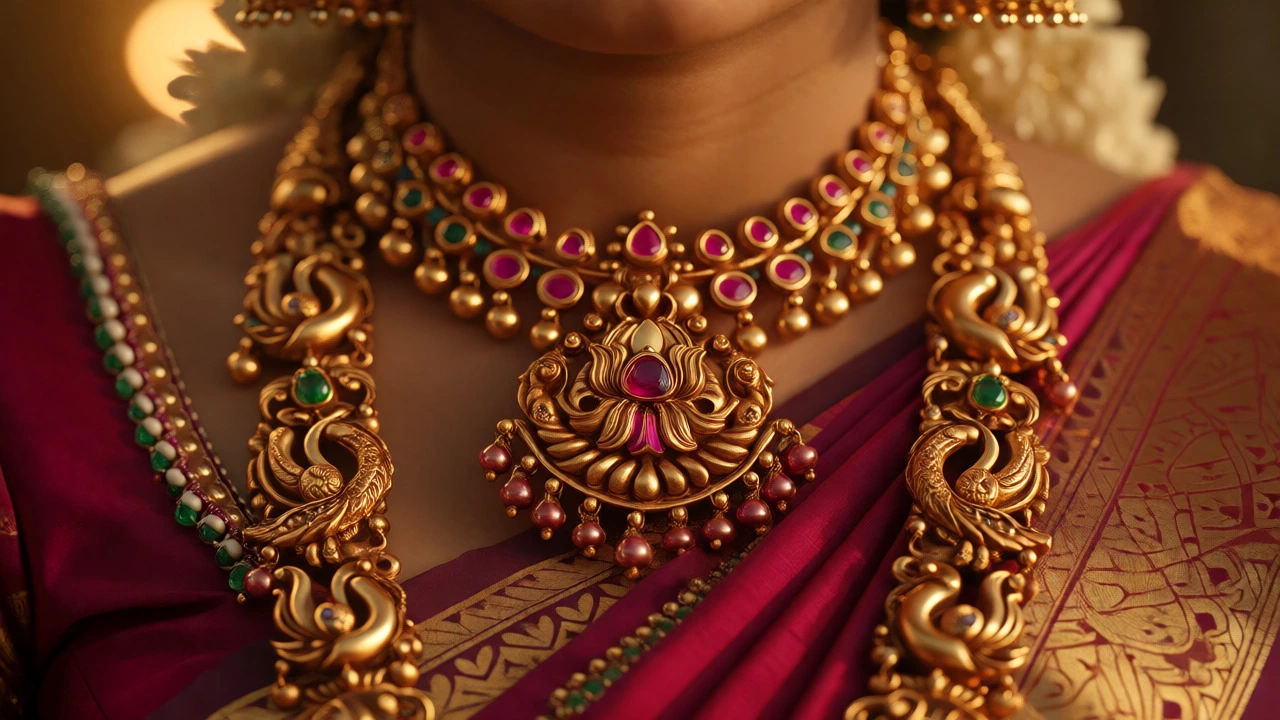
Which Country Has the Most Beautiful Jewellery? A Global Comparison
Discover which country claims the title for the most beautiful jewellery. We compare Indian Temple Jewelry, Italian elegance, French luxury, and more to help you find your perfect style.
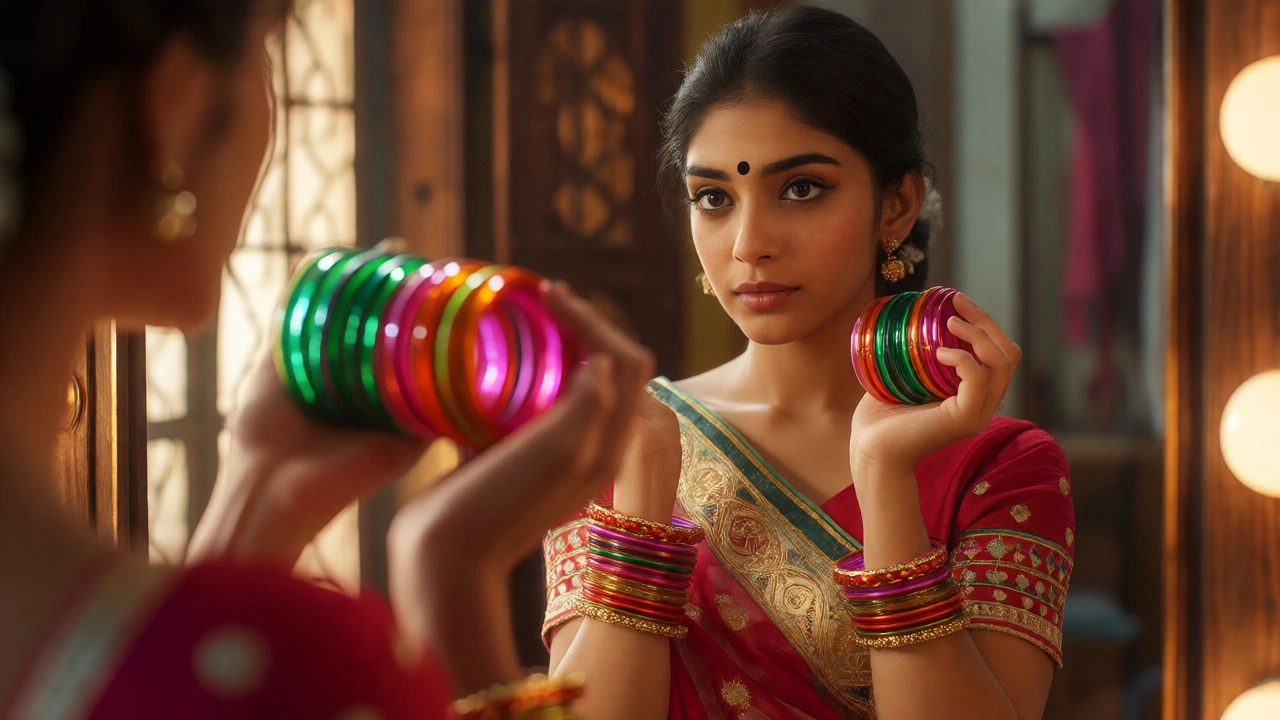
Indian Bangles on Both Arms: Tradition, Meaning & Style
Discover the truth behind wearing Indian bangles on both arms. Explore regional customs, marital traditions, and modern style tips for perfect bangle etiquette.
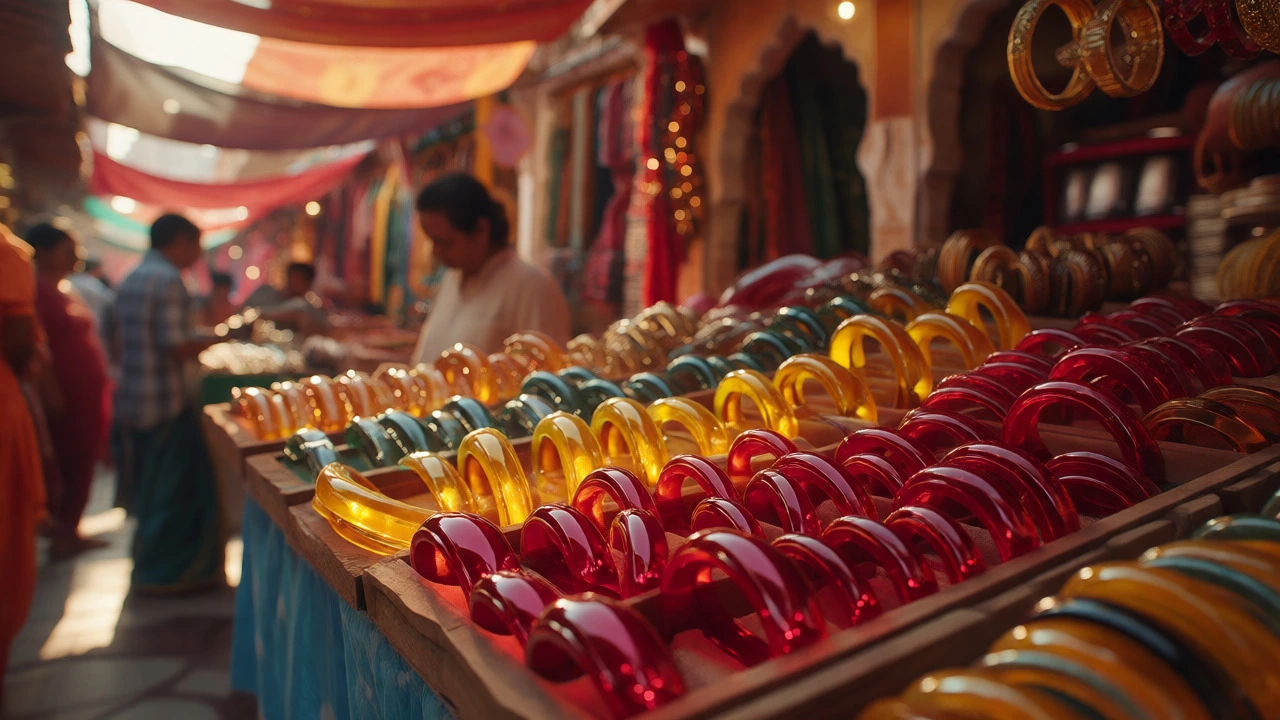
What is the Indian Color for Luck? A Guide to Auspicious Hues
Discover the true meaning behind Indian lucky colors. From red for protection to yellow for wealth, learn how traditional bangles and daily attire influence fortune.

What is the Rarest Face Shape? A Guide for Nose Pin Lovers
Discover why the diamond face shape is considered the rarest, affecting only ~2% of people. Learn how to identify it and choose the perfect nose pin designs.