Mangalsutra Etiquette & Care Checker
Why use this?
Navigate between tradition and modern convenience with confidence.
Result
There is a moment every Indian bride knows well. The gold beads clink softly against her chest, the black beads feel heavy with symbolism, and the knot is tied. For many, the Mangalsutra is a sacred necklace worn by married Hindu women, symbolizing their marital status and bond with their husband. It is not just jewelry; it is an identity marker. But then comes the question that causes more anxiety than the actual tying ceremony: Can I take it off?
The short answer is yes. You can remove your mangalsutra. However, in a culture where tradition often blurs with personal convenience, knowing when, how, and why to remove it requires navigating a mix of ancient rituals, practical hygiene needs, and modern lifestyle realities. Whether you are preparing for your first night as a bride or managing a busy corporate career while honoring your roots, understanding these nuances helps you wear your mangalsutra with confidence rather than confusion.
The Sacred Symbolism Behind the Necklace
To understand the rules of removal, we must first look at what the object represents. In Hindu mythology, the mangalsutra is compared to the thread used by Lord Vishnu to lift Mount Mandara during the churning of the ocean (Samudra Manthan). This story suggests that the necklace has the power to protect and sustain life.
Unlike other jewelry pieces like bangles or earrings, which are often removed for comfort or style changes, the mangalsutra is considered a talisman of longevity for the husband. This belief creates a psychological barrier for many women. They worry that removing it might invite bad luck or shorten their spouse’s life. While this is a deeply held superstition in conservative households, most priests and cultural experts agree that the intent behind wearing it matters more than the physical presence of the chain around your neck at all times.
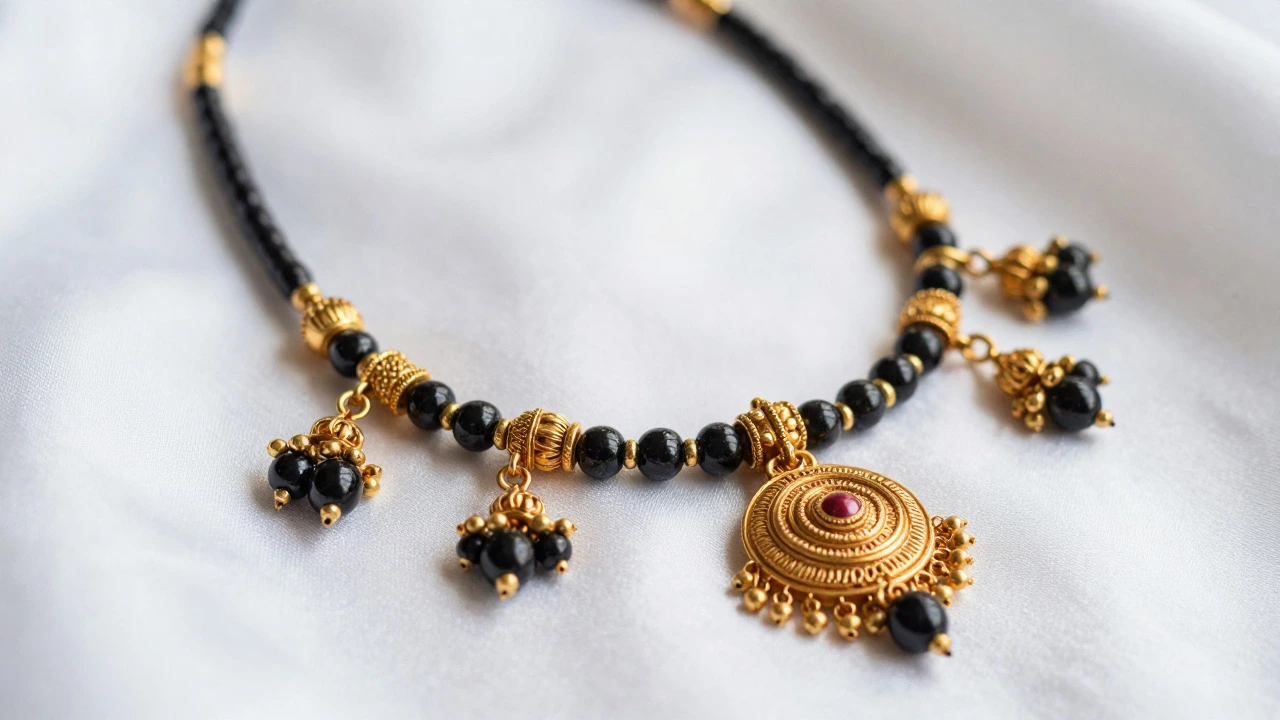
The design itself varies significantly across regions. In Maharashtra, you might see intricate gold pendants with black beads. In Karnataka, the 'Malle' style features distinct patterns. In South India, it may be simpler, resembling a traditional chain. Regardless of the design, the core entity remains the same: a symbol of marriage. Understanding this helps you realize that removing it temporarily does not erase the bond it signifies.
When Is It Acceptable to Remove Your Mangalsutra?
Life happens outside the bedroom and the temple. There are specific scenarios where removing the mangalsutra is not only acceptable but recommended. Here is a breakdown of common situations:
- Bathing and Swimming: Water exposure, especially chlorinated pool water or salty seawater, can tarnish gold and damage the delicate clasps. Most women remove it during showers or swims to preserve the metal's luster.
- Sleeping: Sleeping with a heavy chain can cause neck strain or skin irritation. Unless your family strictly follows the rule of never letting it touch the ground or being out of sight, sleeping without it is widely accepted for health reasons.
- Intimate Moments: During private time with your spouse, the necklace is often removed for comfort and ease. This is generally considered safe because the bond is already established between the two partners.
- Workout and Exercise: If you hit the gym or practice yoga, the sweat and movement can loosen the clasp or irritate the skin. Removing it prevents accidental loss or breakage.
- Medical Procedures: If you need an MRI or surgery, metal objects must be removed. This is a non-negotiable safety requirement.
In these cases, the key is temporary removal. The intention is not to reject the symbol but to maintain personal hygiene and physical comfort. As long as you put it back on afterward, the ritualistic integrity remains intact.
Rituals and Precautions for Removal
If you come from a traditional background, simply taking off the necklace might feel disrespectful. To bridge the gap between modern convenience and traditional respect, many families follow specific protocols. These aren't strict laws but rather cultural guidelines that help ease the mind.
One common practice is to inform your husband before removing it. A simple "I'm taking this off to shower" acknowledges his role in the symbol. Another precaution involves how you store it. Never throw the mangalsutra casually into a drawer. Place it on a clean cloth or a dedicated jewelry box. Some elders believe that the necklace should never touch the floor, so keeping it elevated shows respect.
During menstruation, opinions vary. In some orthodox communities, women are advised to remove the mangalsutra during their periods due to concepts of purity. In others, it is left on. If you choose to remove it, do so gently and store it separately until your cycle ends. When putting it back on, washing your hands first is a good gesture of cleanliness.
What about travel? Long flights or road trips don't require removal unless you plan to swim or exercise. However, if you are traveling alone for work, some women prefer to keep it on as a reminder of home, while others remove it to avoid drawing attention or risking theft. Both choices are valid.
Modern Perspectives vs. Traditional Beliefs
We live in 2026, and the definition of marriage is evolving. Younger couples often view the mangalsutra as a piece of heritage jewelry rather than a binding spiritual contract. This shift in perspective allows for greater flexibility.
Consider the professional woman who wears a turtleneck sweater. A bulky mangalsutra might dig into her skin or be visible under tight clothing. In such cases, swapping the traditional heavy chain for a minimalist, thin gold chain with small black beads is a popular trend. This isn't "removing" the mangalsutra; it's adapting its form to fit modern aesthetics while keeping the symbolism alive.
Another modern approach is the "weekend rule." Some couples agree that the wife can wear the mangalsutra on weekdays for social signaling but remove it on weekends for relaxation. This mutual agreement removes the guilt associated with removal. Communication is key here. If your partner doesn't mind, the superstition loses its power.
Don't forget the emotional aspect. If you are going through a difficult phase in your marriage, wearing the necklace might feel like a burden. In therapy or counseling contexts, professionals often suggest that symbols should support mental health, not hinder it. If wearing it causes anxiety, discuss it with your partner. Temporary removal for mental peace is increasingly seen as a healthy choice.
Caring for Your Mangalsutra After Removal
Once you decide to remove your mangalsutra, proper care becomes essential. Gold is soft, and the black beads (often made of glass, agate, or plastic) can scratch easily. Improper storage can lead to tangling, breaking, or dullness.
Here is a quick checklist for maintenance:
- Clean Regularly: Use mild soap and warm water to clean the gold parts. Avoid harsh chemicals like bleach or ammonia, which can discolor the metal.
- Dry Thoroughly: Before storing, ensure the necklace is completely dry. Moisture trapped in the clasp can cause corrosion over time.
- Store Separately: Keep your mangalsutra away from other jewelry. Diamonds and harder metals can scratch the gold surface. Use a soft pouch or a lined jewelry box.
- Check the Clasp: Inspect the hook regularly. If it feels loose, visit a jeweler immediately. A broken clasp is the most common reason for losing a mangalsutra.
- Avoid Perfume Contact: Apply perfume and lotion before putting on the necklace. Chemicals in cosmetics can react with the gold alloy, causing greenish stains on the skin.
By treating the necklace with care, you honor its value both materially and emotionally. A well-maintained mangalsutra lasts generations, becoming an heirloom passed down to daughters.
Regional Variations in Customs
India is diverse, and so are its customs. What is forbidden in one state might be normal in another. Understanding these regional differences can help you navigate conversations with in-laws or relatives from different backgrounds.
| Region | Style Name | Removal Norms |
|---|---|---|
| Maharashtra | Kundan-style pendant | Strict; often kept on except for bathing/sleeping |
| Karnataka | Malle | Moderate; removal for sleep is common |
| Tamil Nadu | Tali | Varies; some remove during menstruation |
| Andhra Pradesh/Telangana | Mallipettu | Flexible; often swapped for lighter chains daily |
| Gujarat/Rajasthan | Simple Chain | Less rigid; treated more like fashion jewelry |
If you are marrying someone from a different region, discuss these expectations early. Misunderstandings often arise when one partner assumes a universal rule exists. There is no single "correct" way, only what works for your specific family dynamic.
Handling Accidental Breakage or Loss
Despite best efforts, accidents happen. The clasp breaks, the chain snaps, or the necklace goes missing. Panic sets in, fueled by fears of bad omens. Stay calm. In modern times, these incidents are viewed as material losses, not spiritual curses.
If the necklace breaks, collect all the pieces. Do not throw them in the trash. Visit a jeweler to repair it. If it cannot be repaired, consult a priest for a simple re-tie ceremony if your family values that. If it is lost, replace it with a new one. Many couples see this as an opportunity to upgrade to a design they love more. The focus should be on replacing the symbol, not mourning the object.
Remember, the strength of your marriage lies in your communication, trust, and love-not in a string of beads. Let go of unnecessary guilt. Wear your mangalsutra because you want to, not because you are afraid not to.
Can a married woman remove her mangalsutra while sleeping?
Yes, most women remove their mangalsutra while sleeping for comfort and to prevent neck strain. It is widely accepted unless your family follows very strict orthodox traditions.
Is it bad luck to remove the mangalsutra during the day?
Not necessarily. While some elders believe it brings bad luck, modern perspectives view temporary removal for hygiene, exercise, or work as perfectly fine. Intent matters more than superstition.
Should I remove my mangalsutra during my period?
This depends on regional and family customs. In some orthodox households, it is removed during menstruation. In others, it is kept on. Follow what makes you comfortable and aligns with your family's practices.
Can I wear a different chain instead of the original mangalsutra?
Yes, many women switch to a lighter, minimalist chain for daily wear to protect the original heavy piece. Just ensure the replacement still has the symbolic black beads or elements.
What should I do if my mangalsutra breaks?
Stay calm. Collect the pieces and have a jeweler repair it. If it's beyond repair, replace it. View it as a material issue, not a curse. Some families perform a small re-tie ritual for peace of mind.