Diamond Value Retention Estimator
Discover how different diamond characteristics impact long-term value retention. Modern brilliants often lose value due to markups, while antique cuts may appreciate due to scarcity.
Input Details
Enter your details to see estimated value trends.
Estimated Current Market Value
How This Estimate Works
- Retail Markup: Most diamonds lose 30-50% of retail value immediately upon leaving the store due to overheads.
- Modern Cuts: Subject to high supply and lab-grown competition, leading to flat or declining resale prices over time.
- Antique Cuts: Benefit from fixed supply and historical provenance, potentially appreciating 5-15% above melt value if well-preserved.
- Condition: Poor condition can reduce value by up to 40% due to repair costs and loss of collector interest.
You buy a diamond ring today for ₹2 lakh. Ten years later, you try to sell it. The jeweler offers you ₹1.4 lakh. You feel cheated. Did the diamond shrink? Did it get cloudy? No. The stone is exactly the same weight and clarity as the day you bought it. So where did that money go?
This is the big question haunting every buyer of diamonds who views them as an asset class: do diamonds lose value with age? The short answer is yes, most modern commercial diamonds lose retail value immediately after purchase. But here is the twist: antique jewellery designs, particularly those featuring Old Mine or Old European cuts, often appreciate or hold value better than their modern counterparts. It’s not about the carbon structure changing; it’s about market dynamics, cut styles, and what collectors actually want.
The Retail Markup Reality Check
Let’s tackle the elephant in the room. When you walk into a high-end store in Mumbai or Delhi, the price tag on a solitaire isn’t just the cost of the stone. It includes rent, marketing, staff salaries, branding, and a healthy profit margin. Industry standards suggest retail markups range from 30% to 50% above wholesale prices. If you buy a certified GIA diamond for ₹5 lakh, the wholesale value might only be ₹3.5 lakh.
If you try to resell that ring the next day, no one pays you retail price. They pay close to wholesale. That’s your first "loss." This has nothing to do with aging. A diamond bought yesterday loses 30-40% of its perceived value the moment you leave the store. Aging doesn’t cause this drop; the initial transaction does. However, over time, other factors kick in that can either stabilize or further erode that value.
Why Modern Brilliant Cuts Struggle to Hold Value
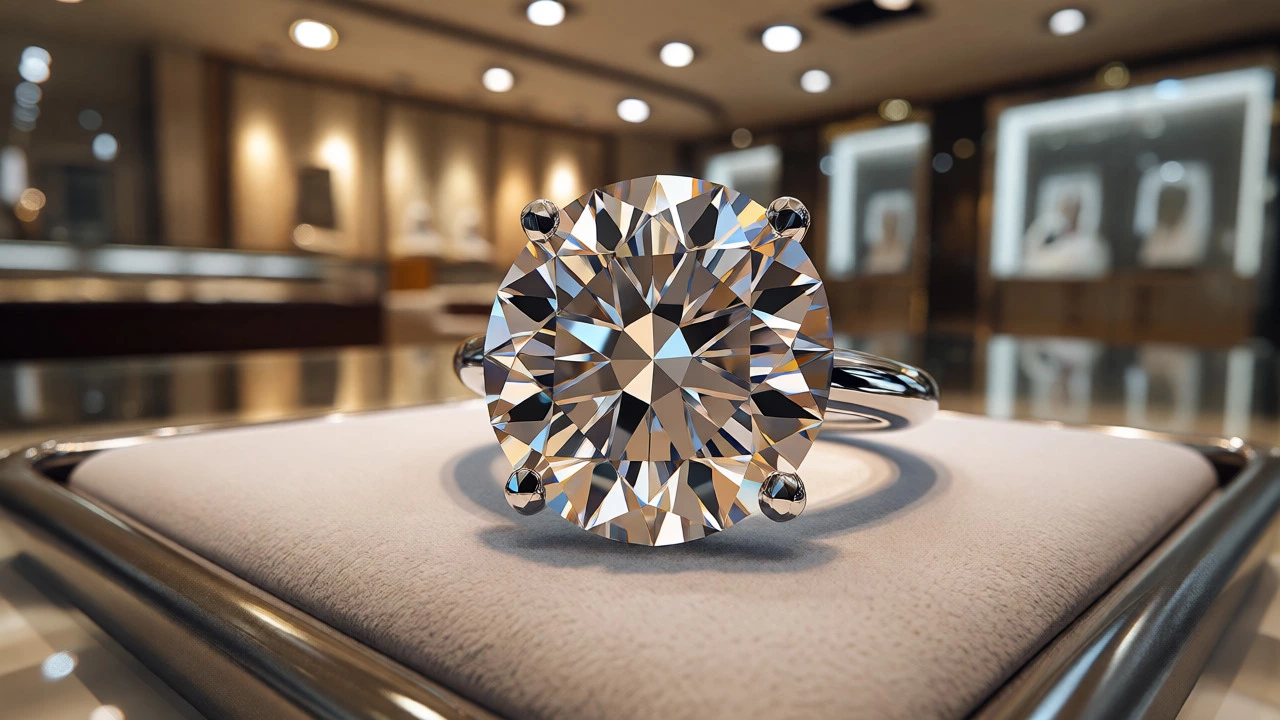
Most diamonds sold today are Round Brilliants. They are engineered for maximum sparkle using precise mathematical proportions developed in the early 20th century. Because they are standardized, they are also commoditized. There are millions of similar stones available globally. Supply is high, and technology allows for efficient mining and cutting.
Think of a modern brilliant-cut diamond like a mass-produced smartphone. Everyone wants one, but there are always newer models coming out, and supply is abundant. Unless the diamond is exceptionally rare (like a flawless D-color stone over 2 carats), it competes with thousands of identical alternatives. As new mines open in Canada, Russia, or Australia, the supply of these standard cuts remains steady or increases, keeping resale prices flat or slightly declining when adjusted for inflation.
The Antique Advantage: Scarcity and Craftsmanship
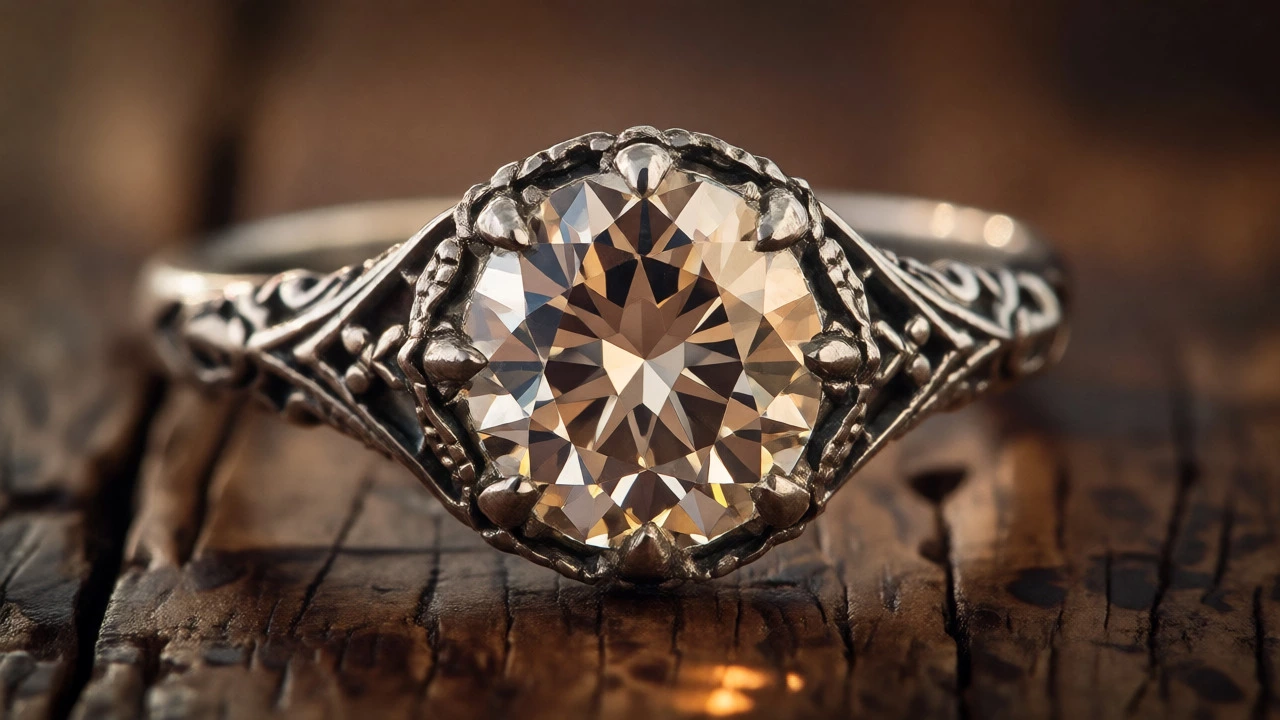
Now, look at vintage diamonds. These are stones cut before the mid-20th century, primarily between the 1890s and 1940s. They include cuts like the Old Mine Cut and Old European Cut. These stones were cut by hand, without lasers or automated machines. Each one is unique.
Here is why they behave differently in the market:
- Fixed Supply: No new Old Mine cuts are being made. Once you use up the existing stock, it’s gone forever. Economics 101 says scarcity drives value.
- Unique Character: Collectors love the "warm" glow of antique stones. They don’t have the icy, laser-like fire of modern brilliants. Instead, they have a deep, candlelit sparkle that appeals to buyers seeking personality over perfection.
- Historical Provenance: An antique piece comes with a story. A necklace from the Art Deco era isn’t just jewelry; it’s a historical artifact. This narrative adds emotional value, which translates to higher resale demand among niche buyers.
In my experience advising clients in India’s jewelry market, I’ve seen well-preserved antique pieces sell for 10-15% more than their estimated gold-and-diamond melt value because buyers are paying for the design and history, not just the raw materials.
| Feature | Modern Round Brilliant | Antique Cut (Old Mine/European) |
|---|---|---|
| Supply Source | Continuous global mining & cutting | Finite historical stock |
| Standardization | High (GIA grading focuses on symmetry/proportions) | Low (Grading considers charm and character) |
| Resale Market | Broad but competitive; prices track wholesale closely | Niche collector market; premiums possible for rarity |
| Aging Impact | Neutral (stone doesn't change, but fashion trends may shift) | Positive (historical appeal grows as examples disappear) |
| Setting Style | Prong settings common; metal wear visible | Often bezel or intricate filigree; protects stone |
The Role of Setting and Metal Wear
Diamonds themselves are incredibly durable. They score a 10 on the Mohs scale of mineral hardness. They do not tarnish, fade, or degrade chemically. However, the piece of jewelry ages. And this affects value.
Consider an antique platinum ring. Platinum is durable but develops a patina-a soft, matte finish-over decades. Some collectors love this aged look; others hate it. If you polish it back to shine, you remove some metal, reducing the total weight. In contrast, gold settings wear down faster. Thin prongs on a Victorian-era ring might break if subjected to daily wear today. Repairing these settings costs money and alters the original integrity. A damaged antique setting can drop the value of the entire piece significantly, even if the diamond is perfect.
Maintenance is key. Keeping an antique piece in good repair preserves its value. Ignoring loose stones or worn clasps turns a valuable heirloom into a broken item worth only scrap metal prices.
Certification and Grading Nuances
How do you know if your old diamond is valuable? You need certification. The Gemological Institute of America (GIA) grades both modern and antique stones. But here’s the catch: GIA grading systems favor modern cut standards. An Old Mine cut might receive a lower grade for "cut quality" compared to a modern brilliant, simply because it doesn’t reflect light in the exact way modern algorithms prefer.
Don’t let a low cut grade scare you off. For antiques, appraisers look at:
- Carat Weight: Still the primary driver of base value.
- Color and Clarity: Important, but less critical than in modern stones if the cut is historically significant.
- Cut Style Rarity: Is it a true Old European? Or just a poorly cut modern stone? Experts can tell.
- Provenance Documentation: Do you have the original box, receipt, or historical records? These add tangible value.
When selling, target buyers who understand antique aesthetics. Selling an Old Mine cut to a jeweler who only deals in modern inventory will result in a lowball offer. Selling it to a vintage specialist or through platforms like 1stDibs or specialized auction houses yields much better returns.
Market Trends in 2026: What Buyers Want Now
Fashion cycles influence diamond values. Right now, there is a strong resurgence in "quiet luxury" and sustainable fashion. Buying antique jewelry is inherently sustainable-you’re recycling a gemstone rather than mining a new one. This eco-friendly angle attracts younger buyers, boosting demand for vintage pieces.
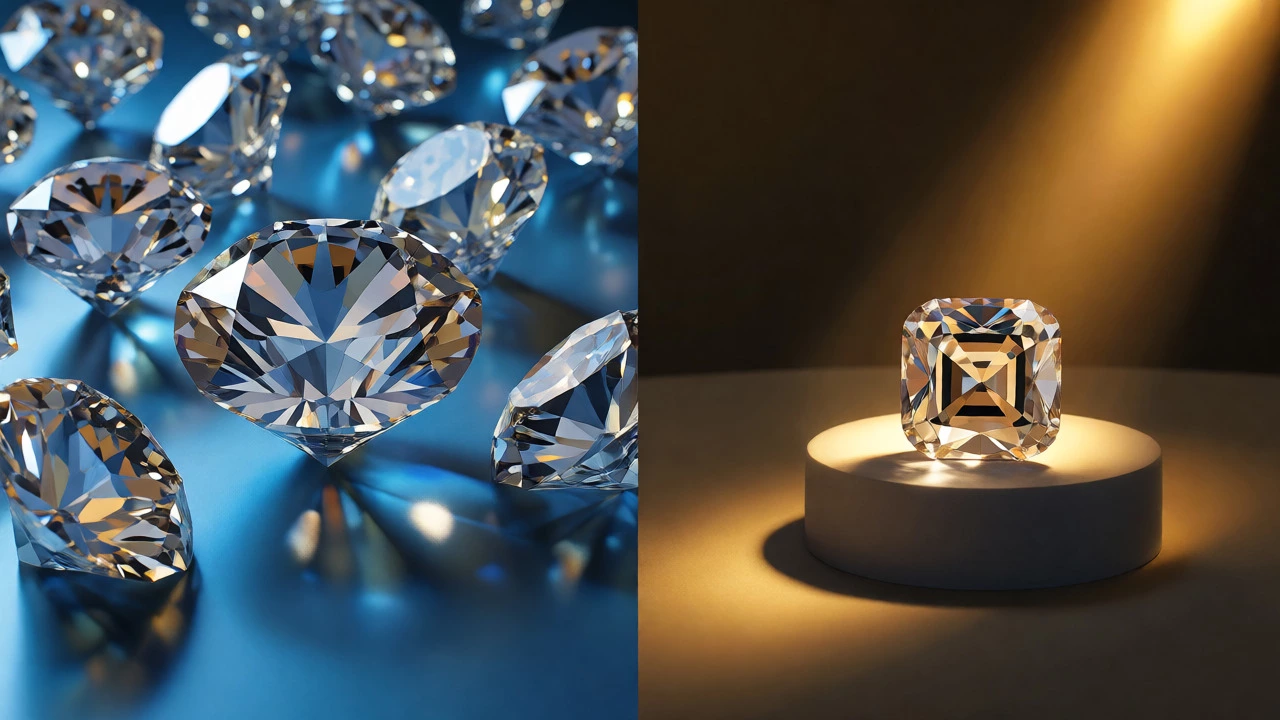
Conversely, lab-grown diamonds are flooding the market. They are chemically identical to mined diamonds but cost 70-80% less. This pressure pushes the value of standard, small-to-medium sized mined diamonds down. Why pay ₹3 lakh for a 1-carat natural diamond when a lab-grown version looks identical for ₹60,000? But lab-grown diamonds cannot replicate the history of an 1890s Old Mine cut. Natural, antique stones remain immune to this specific disruption.
If you own a large, high-clarity modern diamond, its value may stagnate due to lab-grown competition. If you own a medium-sized antique diamond with a unique story, its value may rise due to scarcity and trend alignment.
How to Protect Your Investment
So, how do you ensure your diamonds don’t lose too much value? Here is a practical checklist:
- Buy Rare Cuts: Look for cushion, emerald, or antique cuts rather than generic rounds if investment is a priority.
- Keep Documentation: Store certificates, receipts, and appraisal documents together. Never lose the paper trail.
- Regular Maintenance: Have prongs checked annually. Replace worn settings before damage occurs.
- Sell to the Right Audience: Don’t pawn antique jewelry. Use auction houses or online platforms specializing in vintage goods.
- Understand Liquidity: Diamonds are illiquid assets. It takes time to find the right buyer. Don’t expect instant cash at full value.
Diamonds don’t technically "lose" value due to time passing. Their physical properties remain unchanged. The loss comes from retail markups evaporating, market saturation of common cuts, and shifting consumer preferences. Antique diamonds, however, benefit from the opposite forces: scarcity, uniqueness, and historical charm. If you treat your jewelry as a wearable art piece rather than a quick-flip commodity, you’ll likely see better long-term retention.
Do all diamonds lose value when sold?
Most commercial diamonds lose 20-50% of their retail value upon resale because you paid for markup and branding. However, rare colored diamonds, large high-clarity stones, and historically significant antique cuts can hold or increase in value over time.
Is an Old Mine cut diamond worth more than a modern brilliant?
Not necessarily per carat. On a raw price-per-carat basis, modern brilliants often command higher prices due to superior light performance metrics. However, in terms of resale potential and collectibility, a well-proportioned Old Mine cut can fetch a premium from niche buyers who value uniqueness over standard brilliance.
Does cleaning antique jewelry reduce its value?
Professional cleaning usually helps maintain appearance and value. However, aggressive polishing of antique metal settings (especially platinum or thin gold) can remove material and erase historical patina, which some collectors prefer. Always consult a vintage jewelry expert before undergoing major restoration.
Are lab-grown diamonds affecting the value of real diamonds?
Yes, significantly. Lab-grown diamonds provide a cheaper alternative for standard sizes and qualities, putting downward pressure on the resale value of common mined diamonds. However, they do not impact the market for rare, antique, or high-end natural stones, which retain their status as luxury goods.
How should I sell antique diamond jewelry?
Avoid general pawn shops or local jewelers who may only offer scrap value. Instead, approach auction houses, online vintage jewelry platforms, or specialized antique dealers. Provide clear photos, certificates, and any historical provenance to attract serious collectors willing to pay a premium.