Gold Jewelry Vinegar Safety Checker
Select the details of your jewelry piece below to determine if a vinegar soak is recommended or risky.
Result
...
Recommended Method:
Warnings & Tips:
You’re staring at your favorite gold ring, and it looks dull. Not broken, not scratched-just tired. You’ve seen those viral videos where people dunk their rings in a bowl of white liquid and pull out something that shines like new. The liquid is usually vinegar. But does vinegar clean gold jewelry effectively, or is it just another internet myth that could actually damage your heirlooms?
The short answer is yes, but with big caveats. Vinegar works on plain gold because it’s acidic enough to break down the grime we accumulate daily-lotions, sweat, dead skin cells. However, if your jewelry has gemstones, porous materials, or specific plating, pouring vinegar over it might do more harm than good. Let’s break down exactly when this kitchen staple helps, when it hurts, and how to do it right without ruining your collection.
Why Gold Gets Dirty (And Why Vinegar Helps)
Gold itself doesn’t rust or tarnish like silver. If you have 24-karat pure gold, it stays bright indefinitely. But most jewelry isn’t pure gold. It’s an alloy mixed with copper, zinc, or nickel for durability. These other metals can react with air and moisture, causing slight discoloration. More often, though, the "dirt" is organic buildup. Your skin produces oils. You apply sunscreen, perfume, and lotion. Dust sticks to these sticky layers. Over time, this film blocks light from reflecting off the metal, making it look yellow-brown and flat.
Vinegar contains acetic acid, typically at a concentration of 5% in household varieties. This mild acid acts as a solvent. It dissolves the calcium deposits from hard water and breaks down the fatty acids in body oils. Think of it like using lemon juice to clean fishy smells-it neutralizes and lifts away the residue rather than scrubbing it off mechanically. When you soak a plain gold band in vinegar, the acid penetrates the microscopic crevices where a cloth can’t reach, loosening the gunk so it washes away easily.
When to Use Vinegar: The Safe Zones
You should only reach for the vinegar bottle under specific conditions. First, the piece must be solid gold or gold-plated without delicate settings. Second, there should be no non-metal components attached.
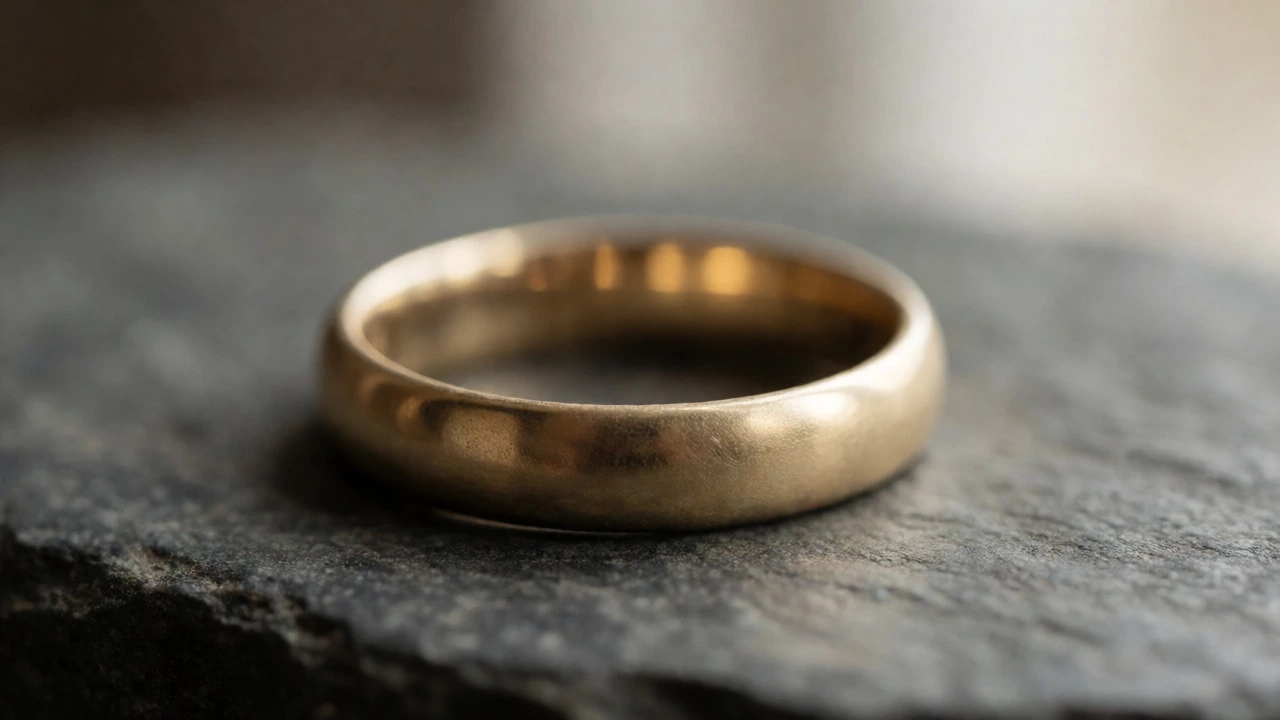
- Solid Gold Bands: Plain wedding bands or signet rings are perfect candidates. They have no stones to loosen and no glue to dissolve.
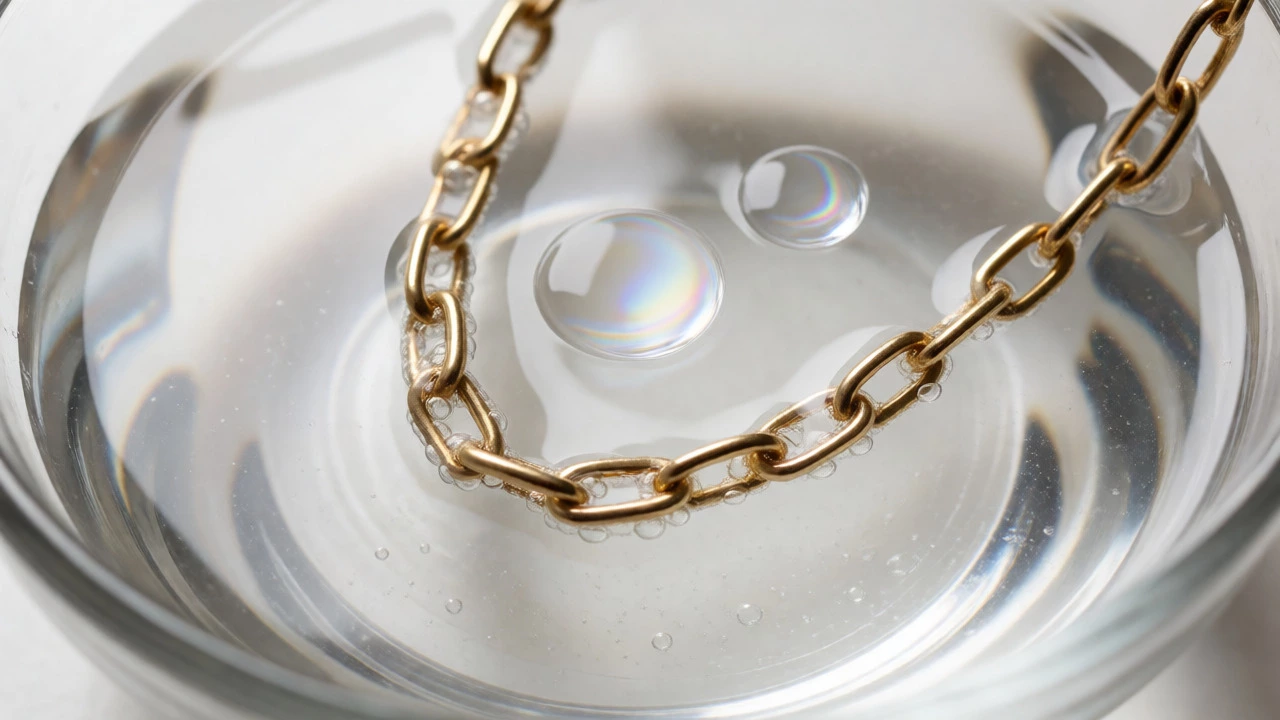
- Gold Chains: Simple link chains trap dirt inside the loops. Vinegar flows into these tight spaces better than soap alone.
- Gold-Plated Items: If the base metal is stainless steel or brass, vinegar is generally safe for short periods. Just don’t let it sit too long, as prolonged acidity can eventually affect the bond between the plating and the base metal.
If your jewelry fits these categories, you’re in the clear. The risk here is low, provided you follow the correct timing. We’re talking minutes, not hours.
When to Avoid Vinegar: The Danger Zones
This is where things get tricky. Many people ruin expensive pieces by treating all jewelry the same way. Acid reacts differently with various materials. If you ignore these warnings, you might end up with loose stones or etched surfaces.
| Component | Vinegar Effect | Risk Level |
|---|---|---|
| Diamonds | Generally safe; diamonds are chemically inert. | Low |
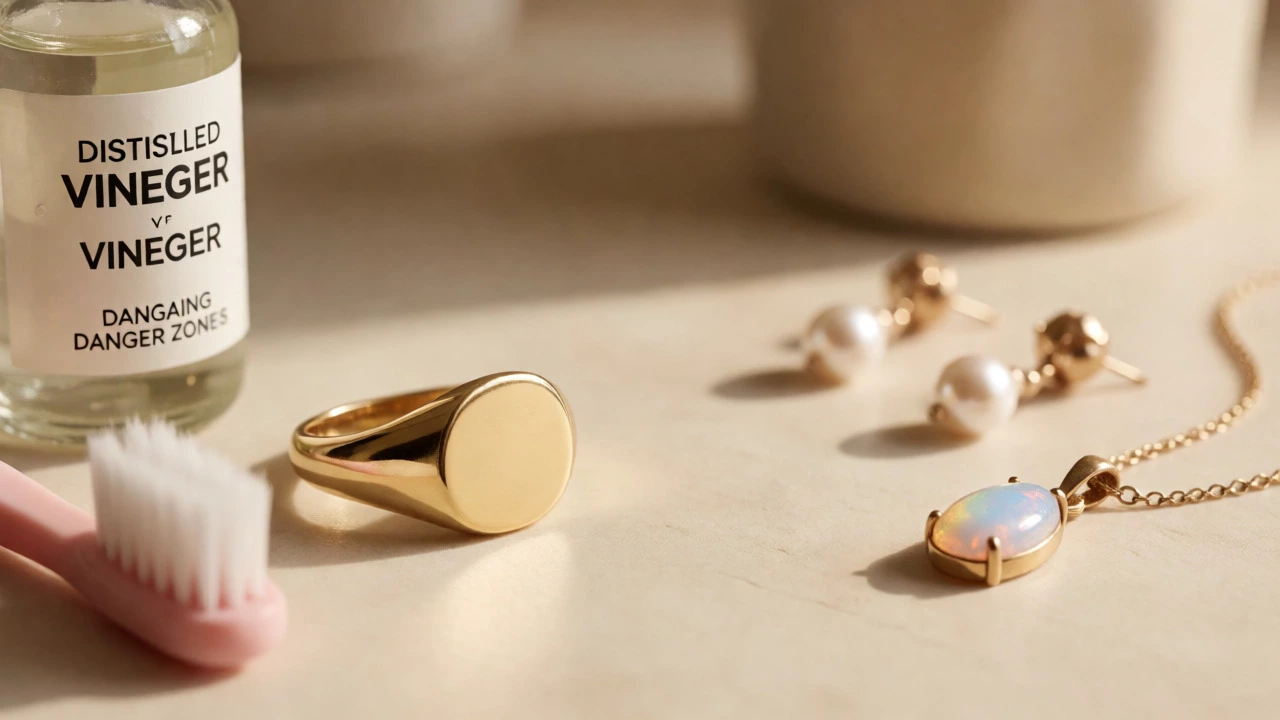
| Pearls | Acid eats calcium carbonate. Surface becomes pitted and dull. | High |
| Opals | Can cause cracking due to dehydration or chemical reaction. | High |
| Emeralds | Often treated with oil/resin. Vinegar strips this, revealing fractures. | Medium-High |
| Turquoise/Lapis | Porous stones absorb acid, leading to color change or damage. | High |
| Glued Settings | Acid weakens adhesives used in vintage or costume jewelry. | Medium |
Pearls are the biggest casualty. They are made of nacre, which is essentially calcium carbonate. Acetic acid dissolves calcium carbonate-that’s basic chemistry. Soaking a pearl necklace in vinegar will literally eat away the surface layer, leaving it rough and chalky. Emeralds are also risky because many are oiled to fill natural cracks. Vinegar washes out the oil, making the stone look cloudy and highlighting internal flaws that were previously hidden.
The Step-by-Step Cleaning Method
If you’ve determined your piece is safe, here’s how to clean it properly. Don’t just dump the ring in a cup of straight vinegar. That’s too harsh for extended exposure. Dilution and timing are key.
- Mix the Solution: Combine equal parts warm water and white distilled vinegar in a small glass bowl. Warm water helps the acid work faster, but don’t use boiling water, especially if there are any stones involved.
- Add Dish Soap (Optional): For extra grease-cutting power, add two drops of mild dish soap. This helps lift oily residues that vinegar alone might miss.
- Soak Briefly: Place your gold jewelry in the solution. Let it sit for 10 to 15 minutes. Do not exceed 30 minutes. If you see bubbles forming, that’s the acid reacting with mineral deposits. Good sign.
- Gentle Agitation: Take the piece out and use a soft-bristled toothbrush (an old baby toothbrush works best) to gently scrub the back and underside of the setting. Pay attention to prongs where dirt hides.
- Rinse Thoroughly: Rinse under lukewarm running water for at least 30 seconds. Any leftover vinegar left on the metal can continue to act slowly over time.
- Dry Completely: Pat dry with a lint-free microfiber cloth. Air drying can leave water spots, especially if you have hard water in Melbourne. Ensure no moisture remains in the links or behind stones.
This process restores shine without abrasion. Unlike polishing cloths, which remove a tiny layer of metal each time they’re used, this method cleans the existing surface. Over years, frequent polishing thins your gold. Gentle washing preserves it.
Alternatives to Vinegar
Not everyone likes the smell of vinegar, or maybe you don’t have it handy. There are other effective methods. Baking soda paste is great for stubborn stains on solid gold. Mix baking soda with a little water to form a paste, rub it on with a soft cloth, then rinse. It’s mildly abrasive, so use it sparingly on high-polish finishes.
For everyday maintenance, simple warm water and mild dish soap are surprisingly effective. If your jewelry isn’t heavily soiled, skip the acid entirely. Ultrasonic cleaners are another option for intricate designs, but they aren’t suitable for porous stones or glued settings either. Always check the manufacturer’s care instructions before trying any home remedy.
Common Mistakes to Avoid
Even with the right method, errors happen. Here are the most common pitfalls:
- Using Apple Cider Vinegar: Stick to white distilled vinegar. Apple cider vinegar contains sugars and pigments that can leave sticky residues or discolor light-colored metals.
- Ignoring Loose Stones: Before soaking, wiggle each stone gently. If it moves, don’t submerge it. The vibration and liquid pressure might dislodge it further.
- Cleaning Vintage Pieces: Antique jewelry often uses different alloys or older glues. Test a small, inconspicuous area first, or consult a jeweler. What works on modern 18k gold might fail on 19th-century rolled gold plate.
- Skipping the Rinse: Leaving vinegar residue accelerates tarnishing on lower-karat gold alloys (like 10k or 14k) because of their higher copper content.
Treating your jewelry with care extends its life significantly. Regular cleaning prevents buildup from becoming permanent corrosion. By understanding the chemistry of what you’re wearing, you stop guessing and start maintaining your pieces with confidence.
Can I use vinegar to clean gold-plated jewelry?
Yes, but be cautious. Gold plating is a thin layer of gold over a base metal. Prolonged exposure to acid can weaken the adhesive or corrode the base metal if the plating wears through. Limit the soak time to 5-10 minutes and ensure thorough rinsing. Avoid vinegar if the plating is already flaking or worn.
Will vinegar damage diamonds?
No, vinegar will not damage diamonds themselves. Diamonds are carbon crystals and are resistant to acids. However, the metal setting holding the diamond (usually gold or platinum) is safe, but if the diamond is glued in place rather than prong-set, the vinegar might weaken the glue over repeated cleanings.
How often should I clean my gold jewelry with vinegar?
You don’t need to use vinegar every time. Reserve the vinegar soak for deep cleaning every 3-6 months. For regular weekly maintenance, warm water and mild dish soap are sufficient and gentler on the metal and any potential stone treatments.
What kind of vinegar is best for cleaning jewelry?
White distilled vinegar is the standard choice. It is clear, odorless once dried, and free of sugars or dyes found in balsamic or apple cider vinegars. This ensures no staining or sticky residue is left behind on your gold.
Can vinegar remove scratches from gold?
No, vinegar cannot remove scratches. Scratches are physical deformations of the metal surface. Vinegar only cleans the surface by removing dirt and oxidation. To remove scratches, you need professional polishing, which removes a microscopic layer of gold to level the surface.