Dubai vs India Gold Cost Calculator
Configuration
Cost Breakdown
| Component | India (Est.) | Dubai (Est.) |
|---|---|---|
| Base Gold Value | $0.00 | $0.00 |
| Making Charges | $0.00 | $0.00 |
| Taxes (GST/VAT) | $0.00 | $0.00 |
| Import/Customs Duty | N/A | $0.00 |
| Total Cost | $0.00 | $0.00 |
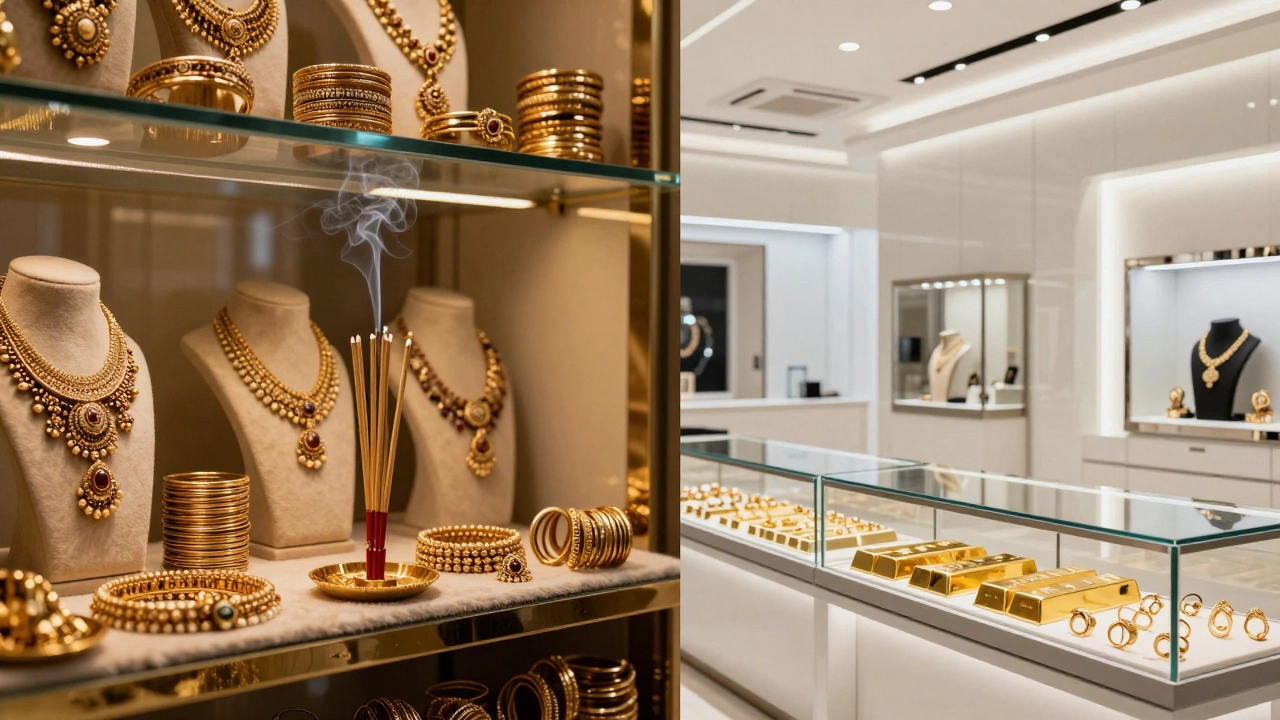
Walking into a jewelry store in Dubai feels different from stepping into one in Mumbai or Chennai. The air smells like incense in India, while the malls in Dubai hum with a cooler, more sterile luxury. But beyond the atmosphere, there is a burning question that haunts every buyer, especially those looking at high-value items like gold: which market actually gives you better value? If you are standing at the counter deciding between a heavy traditional piece from an Indian jeweler or a sleek design from a Dubai showroom, you need to look past the shine.
The debate isn't just about price tags; it is about purity, craftsmanship, taxes, and the hidden costs that eat into your investment. Whether you are buying for a wedding, an investment, or simply because you love the bling, understanding the structural differences between these two giants of the jewelry world is crucial. Let’s break down exactly what you get when you buy gold in Dubai versus India, so you don’t end up paying for air instead of metal.
The Purity Game: 22K vs 24K Standards
The most significant difference lies in the standard purity. In India, gold jewelry is predominantly sold as 22-karat (22K). This means the gold is 91.6% pure, mixed with other metals like copper or silver to make it durable enough for daily wear. You see this in everything from heavy bridal necklaces to simple bangles. The hallmarking system in India has become stricter over the years, ensuring that what is stamped as 22K is indeed close to that mark, though minor variances can still occur depending on the workshop.
In contrast, Dubai is famous for its 24-karat (24K) gold culture. Here, the gold is 99.9% pure. While this sounds superior on paper, 24K gold is soft. It bends easily and scratches if you aren’t careful. However, Dubai jewelers have mastered the art of creating intricate designs using this softer metal, often using advanced casting techniques. When you buy a ring in Dubai, you might be getting a higher percentage of actual gold weight compared to an Indian counterpart of the same size, but you are also dealing with a material that requires more care.
| Feature | India (Typical) | Dubai (Typical) |
|---|---|---|
| Standard Purity | 22K (91.6%) | 24K (99.9%) & 22K |
| Hallmarking | Mandatory BIS Hallmark | Strict Govt. Assay Centers |
| Durability | High (Alloyed) | Lower (Pure Gold) |
| Tax Structure | GST + Making Charges | VAT Only (No Sales Tax) |
If you are looking at diamond rings India, the situation shifts slightly. Indian jewelers often set diamonds in 18K or 22K gold to ensure the setting holds the stone securely. In Dubai, you might find diamond settings in 18K gold as well, but the base metal cost calculation differs. The key takeaway here is that "better" purity doesn't always mean "better" jewelry for your specific use case. If you want heirloom durability, Indian 22K wins. If you want maximum gold content per gram, Dubai 24K takes the lead.
The Cost Breakdown: Making Charges and Taxes
This is where the math gets tricky. Many people assume Dubai gold is cheaper because they hear stories about tax-free shopping. While Dubai does not charge sales tax on gold itself (though a 5% VAT applies to some services), the real killer in both markets is the "making charge" or craftsmanship fee.
In India, making charges can range anywhere from 10% to 30% of the gold value, depending on the complexity of the design. A simple chain might have low charges, but a detailed temple jewelry piece or a heavily studded bridal set will command a premium. Additionally, you have to pay Goods and Services Tax (GST), which is currently 3% on gold jewelry in India. So, your final bill looks like this: Gold Rate + Making Charges + GST.
In Dubai, the transparency is generally higher. Jewelers display the daily gold rate prominently. The making charges here can also be high, sometimes exceeding 20-40% for designer pieces, but there is no hidden service tax on the metal itself. However, tourists must remember that bringing large amounts of gold back home involves customs duties. If you buy gold in Dubai and fly to India, you are liable to pay import duty upon arrival, which can negate any savings you thought you made. For residents of the UAE, the lack of income tax and lower overall living costs might make purchasing power feel higher, but for international buyers, the logistics add layers of cost.
Craftsmanship and Design Aesthetics
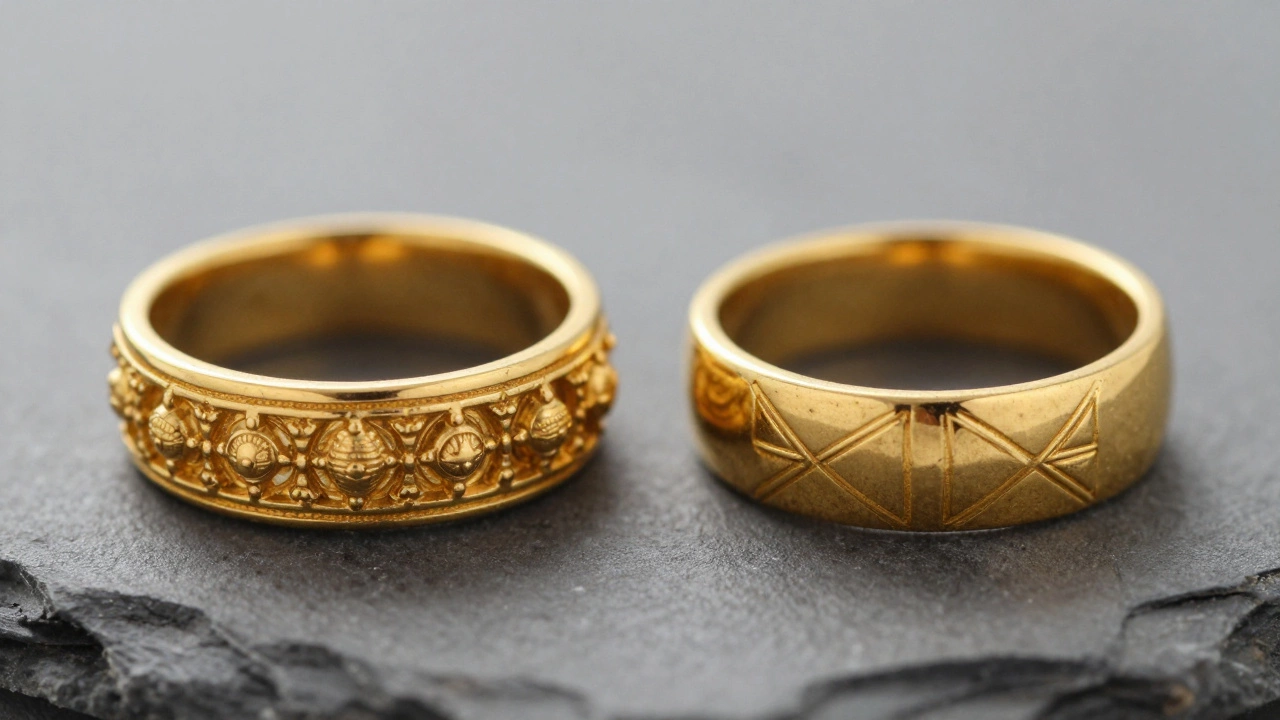
Let’s talk style. Indian jewelry is deeply rooted in tradition. Think of the intricate filigree work of Kerala, the bold temple motifs of Tamil Nadu, or the delicate jadau work of Rajasthan. These designs are not just accessories; they are cultural artifacts. The craftsmanship passed down through generations allows for incredibly fine details that are hard to replicate elsewhere. If you are looking for a piece that speaks to heritage, Indian artisans are unmatched.
Dubai, on the other hand, offers a fusion of Middle Eastern opulence and modern minimalism. You will see heavier, broader bands, often featuring Arabic calligraphy or geometric patterns inspired by Islamic art. The designs tend to be more contemporary and sleek. If you prefer a look that is less ornate and more focused on the raw beauty of the gold itself, Dubai’s aesthetic might appeal to you more. The quality of finishing in Dubai showrooms is consistently high, with strict regulatory oversight ensuring that defects are minimized.
Investment Perspective: Resale Value
If your primary goal is investment rather than adornment, the rules change again. In India, gold has a strong emotional and financial hold. The resale market is robust, with local jewelers ready to buy back old gold. However, you typically lose the making charges entirely during resale. You only get paid for the weight and purity of the gold.
In Dubai, the liquidity is excellent, but the global nature of the market means prices track closely with international spot rates. If you buy bars or coins in Dubai, you pay very little premium over the spot price. This makes Dubai a smarter place for pure gold investment products. For jewelry, the resale value depends on the brand and condition. International brands available in Dubai might hold value better globally, whereas local Indian brands hold value primarily within India.
Which One Should You Choose?
There is no single winner. Your choice depends on three factors: location, purpose, and budget.
- Buy in India if: You live in India, you want traditional designs for weddings, or you prioritize durability (22K). The convenience of after-sales service and easy resizing is a huge plus.
- Buy in Dubai if: You are traveling there anyway, you want higher purity (24K) for investment-grade jewelry, or you prefer modern, minimalist aesthetics. Just factor in customs duties if you are taking it back to India.
Navigating the Risks
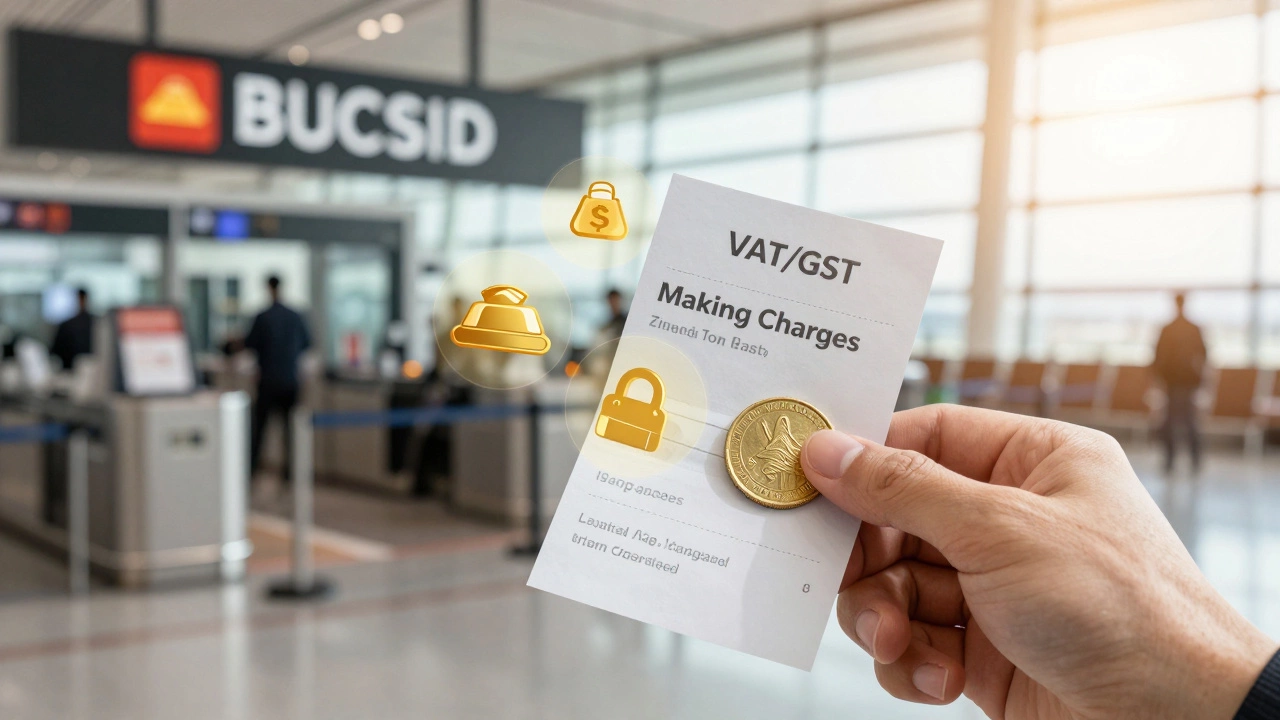
Beware of "too good to be true" deals. In both markets, unscrupulous sellers might mix lower purity gold or inflate making charges. Always ask for a receipt that breaks down the gold weight, purity, making charges, and taxes separately. In India, insist on the BIS hallmark sticker. In Dubai, look for the government assay center stamp. Never buy gold from street vendors or unauthorized shops, regardless of how cheap the price seems. The risk of losing money far outweighs the potential savings.
Is Dubai gold purer than Indian gold?
Generally, yes. Dubai is known for 24K (99.9% pure) gold, while India predominantly sells 22K (91.6% pure) gold for jewelry. However, both markets offer various purities depending on the product type.
Can I buy gold in Dubai and bring it to India?
Yes, but you must declare it. Indian residents can bring up to 20 grams of gold jewelry duty-free. Beyond that, or if you bring gold articles above certain weight limits, you will have to pay customs duty, which can be quite high.
Are making charges higher in Dubai or India?
Making charges vary by design complexity in both regions. In India, they can range from 10-30%. In Dubai, they can also be high for designer pieces. It is essential to compare the total inclusive price rather than just the per-gram rate.
Which is better for investment: Dubai or India?
For pure investment (bars/coins), Dubai often offers lower premiums over the spot price due to lower taxes. For jewelry, India offers easier resale within the local market, but you lose making charges in both places.
Do diamond rings differ significantly between the two markets?
The diamonds themselves are graded globally (GIA/IGI), so quality is consistent. However, the setting styles differ. Indian settings often use 18K-22K gold with intricate traditional designs, while Dubai may offer more modern, minimalist settings, often in 18K or 24K gold.