Fashion Brand Status Quiz
Can you tell the difference between a legal ban and a social media rumor? Answer these questions to find out.
Quiz Complete!
Your Score: 0/3
Key Takeaways:
- Zara & H&M: Active in India. Rumors often stem from supply chain delays or viral boycott calls, not legal bans.
- Shein: Actually banned (2020) due to data security concerns under Section 69A of the IT Act.
- Boycott vs. Ban: A boycott is voluntary consumer behavior; a ban is a legal government order.
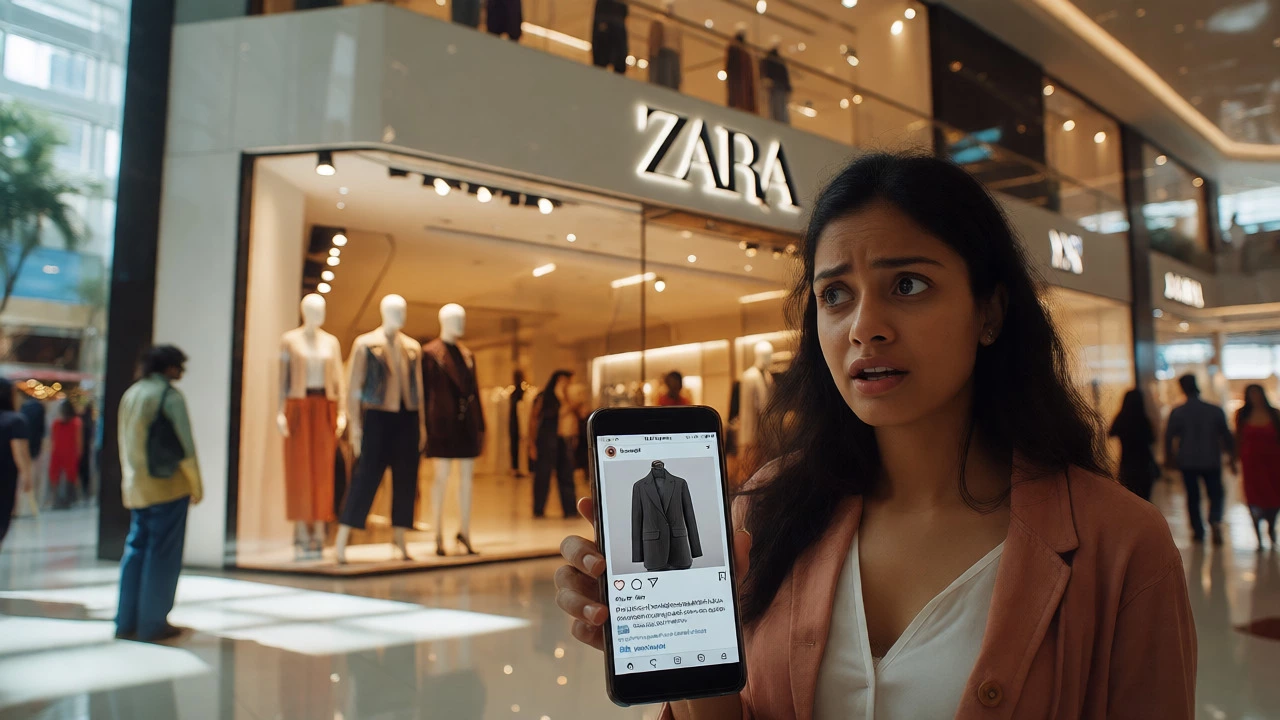
You’re scrolling through Instagram, see a sleek blazer from Zara is a Spanish fast-fashion retailer owned by Inditex, and you click to buy. But then a comment pops up: “Wait, isn’t Zara banned in India?” It’s a question that has circulated on social media for years, causing confusion among shoppers who love high-street brands but fear sudden unavailability. The short answer? No major international fashion brand like Zara, H&M, or Uniqlo is currently banned in India. But why does this rumor persist? And which brands actually faced legal or regulatory heat?
This article cuts through the noise. We’ll look at the real status of global fashion giants in India, explore why some brands faced boycotts rather than bans, and clarify the difference between a legal ban and a consumer-led movement. If you’ve ever hesitated before checking out because you thought your favorite store might disappear overnight, this guide is for you.
The Great Zara Ban Myth
Let’s address the elephant in the room first. Is Zara banned in India? Absolutely not. As of September 2026, Zara operates over 100 stores across major Indian cities like Mumbai, Delhi, Bangalore, and Hyderabad. You can walk into any premium mall and buy their latest collection without issue.
So where did the rumor come from? It stems from a mix of geopolitical tensions and viral misinformation. During periods of heightened border conflict with China, Indian consumers launched massive "Boycott Chinese Brands" campaigns. While Zara is Spanish, not Chinese, the internet often lumps all foreign entities together during emotional peaks. Additionally, there were isolated reports of customs delays or temporary stock issues due to import regulations, which social media misinterpreted as a full-blown government ban.
| Brand | Origin | Status in India | Reason for Rumors |
|---|---|---|---|
| Zara | Spain | Active & Growing | Misinformation; Customs delays |
| H&M | Sweden | Active | Labor rights protests |
| Shein | Singapore/China roots | Banned (2020) | Data privacy & security concerns |
| Uniqlo | Japan | Active | None significant |
| Forever 21 | USA | Exited Market | Financial bankruptcy |
Why Shein Was Actually Banned
If you are looking for a fashion-related app that was genuinely prohibited, look no further than Shein. An online fast-fashion platform known for ultra-low prices. In June 2020, the Government of India banned Shein along with TikTok and dozens of other Chinese apps. This wasn’t about fashion trends; it was about data sovereignty and national security.
The Ministry of Electronics and Information Technology cited Section 69A of the IT Act, stating these apps were engaging in activities prejudicial to the sovereignty and integrity of India. For fashion lovers, this meant losing access to incredibly cheap accessories and trendy clothes overnight. However, unlike a retail ban, this was a digital block. You couldn’t download the app, and existing users lost functionality. Today, Indian alternatives like Meesho have filled much of that void, offering similar price points with local logistics advantages.
Boycotts vs. Bans: Understanding the Difference
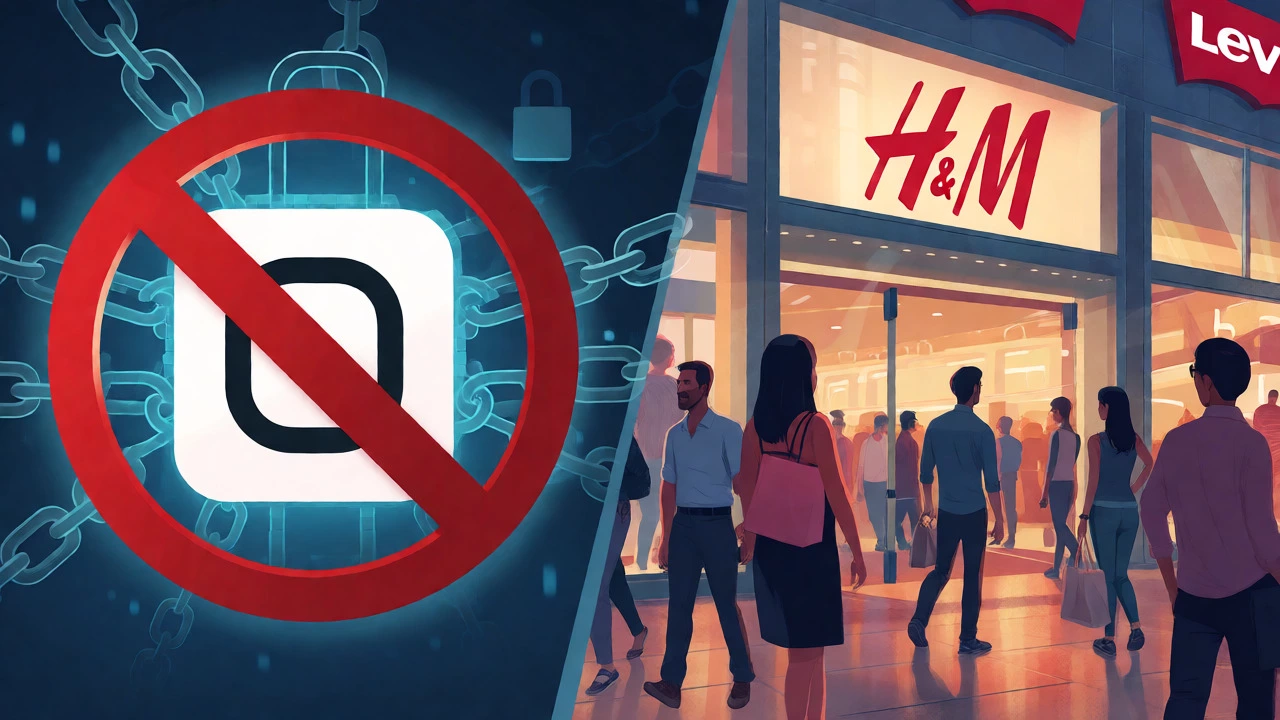
It is crucial to distinguish between a government-mandated ban and a consumer-led boycott. A ban means you legally cannot sell or use the product. A boycott means people choose not to buy it. Many brands face boycotts, which can hurt sales but don’t stop operations.
Take H&M as an example. The Swedish clothing company faced backlash in 2021 when they announced they would stop sourcing cotton from Xinjiang, China. This decision angered Chinese consumers, leading to a boycott in China. In India, however, H&M remains popular. Some Indian consumers boycotted them briefly due to perceived anti-China bias, while others supported them. The result? Sales dipped slightly, but the brand didn’t vanish. They adapted their marketing and continued expanding their physical presence.
Similarly, during the Kashmir tensions, there were calls to boycott Western brands perceived as supportive of Pakistan. Did Levi's or the iconic denim brand get banned? No. Did sales drop temporarily? Yes. But once the news cycle moved on, shopping habits returned to normal. This highlights how resilient the Indian market is toward transient political sentiments.
The Rise of 'Vocal for Local' and Its Impact
While no major Western brand is banned, the sentiment behind the rumors reflects a real shift in consumer behavior. The "Atmanirbhar Bharat" (Self-Reliant India) initiative has boosted domestic brands. Shoppers are increasingly aware of the economic impact of their purchases.
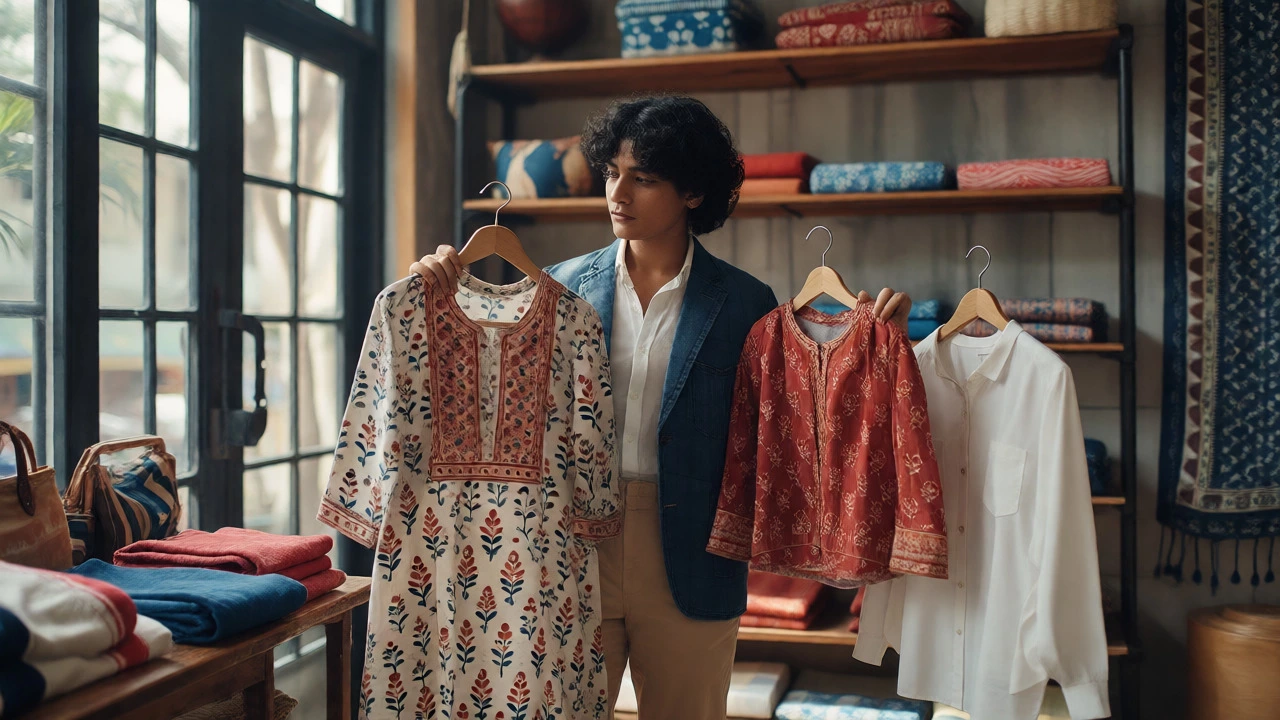
Brands like FabIndia and an Indian multinational retail chain specializing in handicrafts have seen renewed interest. Why pay ₹3,000 for a Zara shirt when you can get a hand-block printed kurti from a local artisan for ₹1,500? This isn’t just about patriotism; it’s about value and uniqueness. Fast fashion often lacks durability. When you buy from a local designer, you often get better fabric quality and ethical labor practices.
This doesn’t mean foreign brands are dying. It means the competition is stiffer. Zara now collaborates with Indian designers more frequently. H&M has introduced lines featuring Indian textiles. They know that to stay relevant, they must respect local tastes and contribute to the local economy.
Regulatory Hurdles: What Can Actually Stop a Brand?
What laws could theoretically ban a fashion brand in India? It’s rarely about politics. It’s usually about compliance.
- Consumer Protection: If a brand sells counterfeit goods or fails to meet labeling standards under the Legal Metrology Act, authorities can seize stock. This happened with some unauthorized resellers of luxury brands, not the official outlets.
- Tax Compliance: GST (Goods and Services Tax) violations can lead to heavy fines. International brands must register properly. Failure to do so can halt operations until resolved.
- Data Privacy: With the Digital Personal Data Protection Act gaining traction, e-commerce platforms handling customer data face stricter scrutiny. Non-compliance could lead to app suspensions, similar to what happened with certain fintech apps.
These are administrative hurdles, not ideological bans. Brands invest heavily in legal teams to navigate these rules. So unless a company completely ignores Indian law, a total ban is unlikely.
How to Spot Fake News About Brand Bans
Before you panic and throw away your shopping cart, verify the source. Here’s a quick checklist to determine if a ban is real:
- Check Official Press Releases: Does the brand’s website mention a closure? Do reputable news outlets like The Hindu or Economic Times report it?
- Look for Government Orders: Real bans are issued via gazette notifications or ministry press releases. Search the PIB (Press Information Bureau) website.
- Analyze Social Media Sentiment: Are influencers complaining about out-of-stock items? That’s supply chain, not a ban. Are they posting protest videos? That’s a boycott.
- Visit the Store: The simplest test. Go to your nearest mall. If the lights are on and staff are smiling, the brand is alive.
Remember, algorithms favor outrage. A headline saying "Zara BANNED!" gets more clicks than "Zara Faces Minor Supply Delay." Always read beyond the headline.
The Future of Foreign Fashion in India
As we move deeper into 2026, the landscape continues to evolve. Luxury brands like Gucci and Louis Vuitton are expanding aggressively in Tier-1 cities. Mid-range players are struggling to balance price and quality against rising local competitors.
For the average shopper, this means more choices. You aren’t limited to one type of fashion. You can wear a Japanese minimalistic jacket from Uniqlo, pair it with Indian juttis, and carry a bag from a local sustainable startup. The idea of a single dominant foreign brand being "banned" is outdated. The market is too diverse, and Indian consumers are too savvy.
If you love international brands, keep buying them. If you prefer supporting local artisans, do that instead. Neither choice makes you unpatriotic. The real win is informed consumption-knowing where your money goes and why.
Is Zara really banned in India in 2026?
No, Zara is not banned in India. It operates hundreds of stores across the country and continues to expand its online presence. The rumors likely stem from misinformation or temporary supply chain issues.
Which fashion brand was actually banned in India?
Shein, the online fast-fashion retailer, was banned in India in 2020 along with several other Chinese apps due to data privacy and national security concerns. Physical retail brands like Zara and H&M remain active.
Why do people think foreign brands are banned?
This perception arises from viral social media campaigns calling for boycotts during geopolitical tensions. Consumers sometimes confuse voluntary boycotts or temporary stock shortages with government-imposed bans.
Can I still buy H&M products in India?
Yes, H&M is fully operational in India. Despite facing boycotts in other countries, it maintains a strong retail network here and continues to launch new collections regularly.
Are Chinese fashion brands banned in India?
Online platforms like Shein are banned. However, many Chinese-manufactured goods are sold through Indian retailers. There is no blanket ban on Chinese-made clothing, only specific digital platforms.