2026 Gold Jewelry Trend Matcher
Select the statements that resonate most with you to discover your perfect gold jewelry profile for 2026.
Your 2026 Style Profile:
Based on your selections
Recommended Trends
Shopping Strategy
Key Features to Look For
It is easy to feel like you are chasing your tail when it comes to jewelry. One year, everyone wants chunky chains; the next, delicate stacks take over. If you have been looking at your collection lately and wondering what actually matters right now, you are not alone. The landscape of gold jewelry has shifted dramatically since 2024. We are no longer just buying metal; we are buying stories, sustainability, and personal identity.
The question "What is the next big design trend?" often leads to a single answer, but reality is messier and more exciting. For 2026, the trends are defined by three main pillars: radical minimalism with a twist, the return of heirloom craftsmanship, and a hard pivot toward ethical sourcing. Whether you are shopping for a wedding in Mumbai or updating your daily office wear in New York, understanding these shifts will help you invest in pieces that won’t look dated in six months.
The Rise of "Quiet Luxury" in Gold
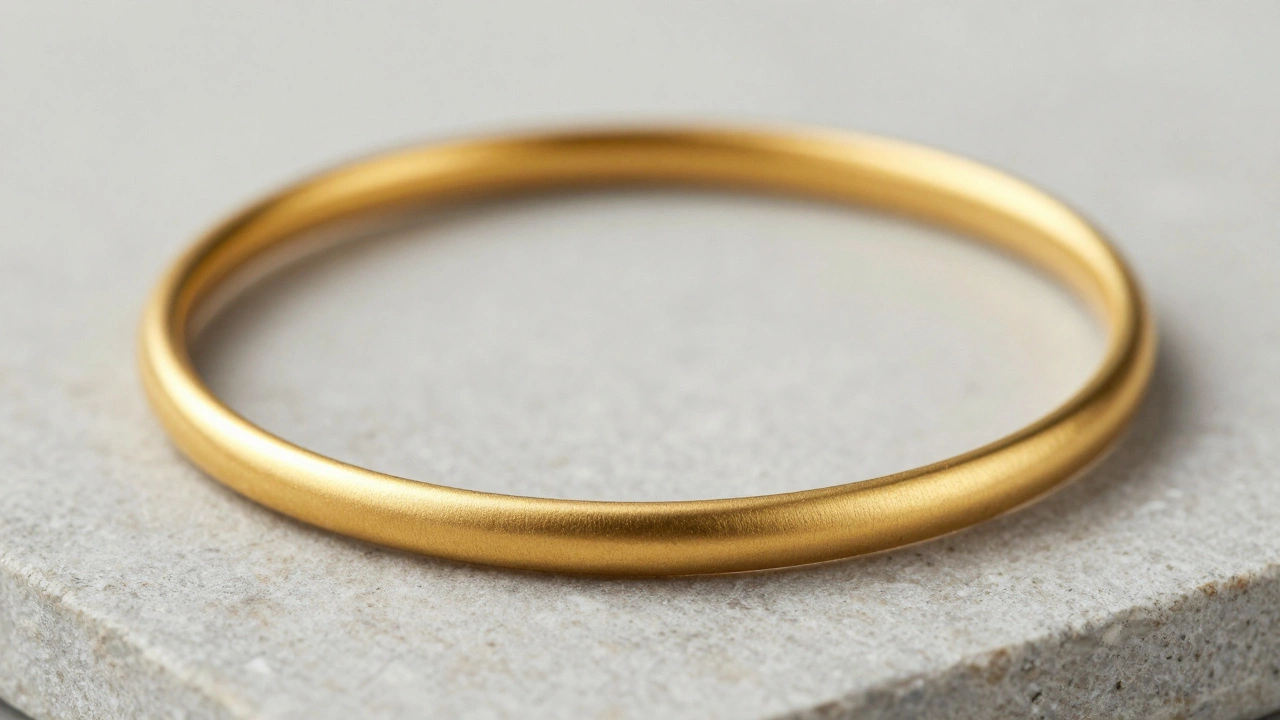
You might have noticed that logos are disappearing from high-end fashion. This shift, known as "quiet luxury," has fully migrated to jewelry. In 2026, the biggest trend is not about how loud your piece is, but how well it is made. Think thin, brushed-finish bands instead of shiny, bulky links.
This style relies on texture rather than size. A simple gold bangle with a hammered finish or a necklace with a subtle matte coating speaks volumes without shouting. It pairs perfectly with the casual-professional dress code that dominates most workplaces today. You can wear a pair of small, textured gold studs to a board meeting and then keep them on for dinner. They don’t clash with other metals because they are understated enough to blend seamlessly.
- Brushed Finishes: Matte surfaces hide scratches better than polished ones and look more expensive due to their subtlety.
- Geometric Simplicity: Clean lines, circles, and squares replace intricate filigree for everyday wear.
- Mixed Metals (Subtly): Small accents of rose gold or white gold within yellow gold pieces add depth without breaking the monochrome rule.
Heirloom Revival: Modernizing Traditional Motifs
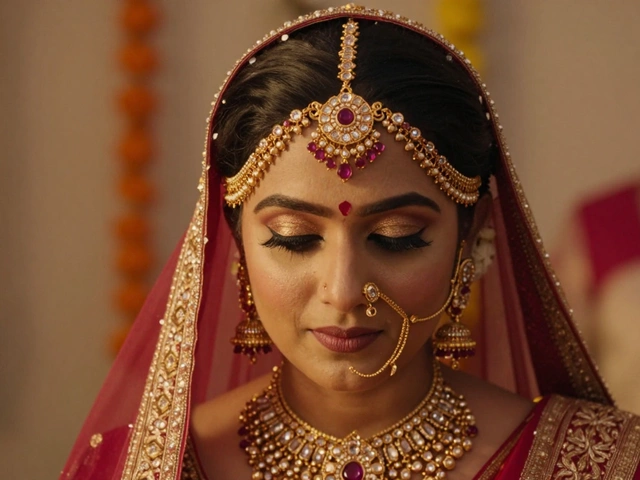
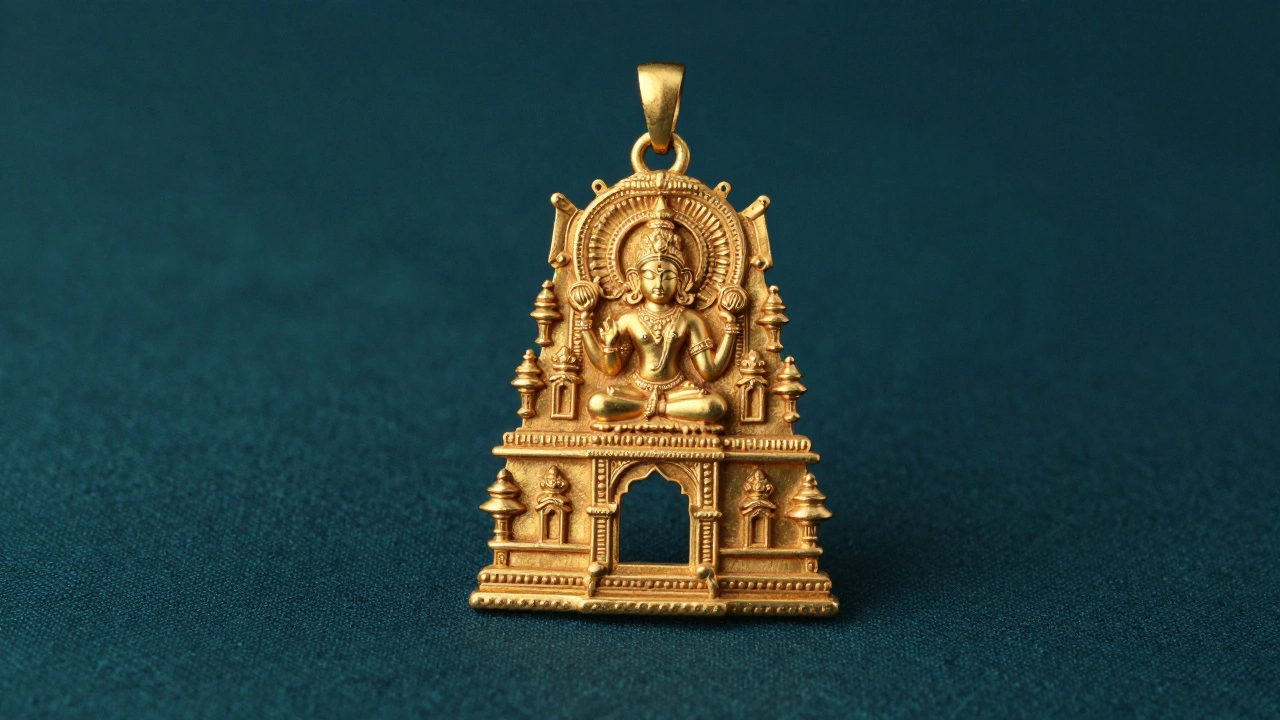
While minimalism rules the day-to-day, special occasions demand something with soul. There is a massive resurgence in traditional Indian motifs, but with a contemporary silhouette. We are seeing temple jewelry designs stripped of their heavy weight and oversized proportions. Instead of a full-set choker that weighs two kilograms, designers are creating lightweight pendants that capture the essence of a deity or architectural detail.
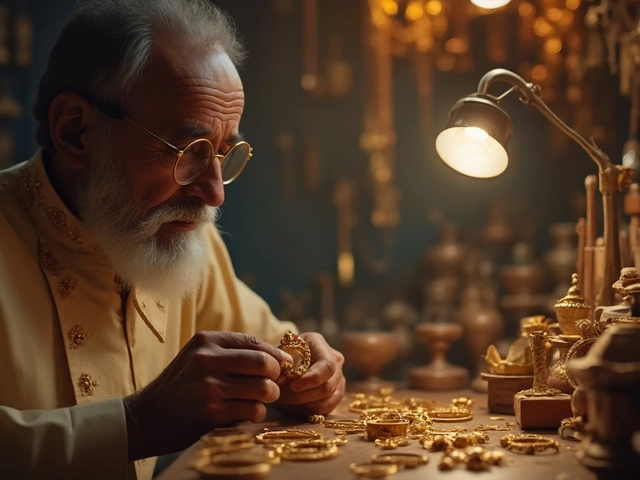
This trend bridges the gap between generations. Younger buyers want to honor their heritage but refuse to compromise on comfort. The result is "lightweight antique" jewelry. These pieces use techniques like granulation and repoussé-methods used centuries ago-but apply them to thinner gold sheets or even gold-plated silver cores to reduce cost and weight. It allows you to wear a piece that looks like it came from your grandmother’s box but feels like it was designed for your active lifestyle.
| Feature | Traditional Antique | Modern Heirloom (2026 Trend) |
|---|---|---|
| Weight | Heavy (50g+ per piece) | Lightweight (10-20g per piece) |
| Design Complexity | Intricate, dense detailing | Simplified motifs, negative space |
| Wearability | Occasional wear only | Daily to semi-formal events |
| Material Focus | Pure solid gold | Hollow structures, mixed materials |
Sustainability as a Design Driver
Gone are the days when "ethical" was just a marketing buzzword. In 2026, consumers demand proof. The next big trend is transparent sourcing. Buyers are asking questions like, "Where did this gold come from?" and "Was anyone exploited to mine it?" Brands that cannot answer these clearly are losing market share.
This has led to a surge in recycled gold jewelry. Using recycled gold reduces the need for new mining, which is one of the most environmentally damaging industries on the planet. Designers are embracing this by highlighting the "old-world" charm of recycled materials. Imperfections in recycled gold are celebrated rather than hidden. This aligns perfectly with the quiet luxury aesthetic mentioned earlier. You are not just buying a pretty object; you are making a moral statement.
Look for certifications such as the Responsible Jewellery Council (RJC) or brands that provide blockchain-tracked provenance. When you buy a piece, you should know its journey from mine (or recycling bin) to store. This transparency adds value to the jewelry, making it a smarter investment for the future.
Bold Statement Pieces for Digital Socializing
Here is a paradoxical trend: while daily wear is getting quieter, social media-driven moments are getting louder. With video calls and Instagram stories dominating our social lives, people want jewelry that pops on camera. This has given rise to "camera-ready" gold designs.
These are large-scale statement earrings or cuffs that catch light dynamically. Think oversized hoops with geometric cutouts or wide cuffs with textured surfaces that reflect light differently as you move. These pieces are designed specifically to be seen through a screen. They need to have high contrast and clear shapes so they don’t get lost in low-resolution video feeds.
If you attend virtual meetings or post frequently on social media, investing in one or two bold pieces makes sense. They serve a functional purpose beyond adornment-they enhance your digital presence. Just ensure the base structure is sturdy, as larger pieces put more stress on earlobes and neck muscles.
Modular and Stackable Systems
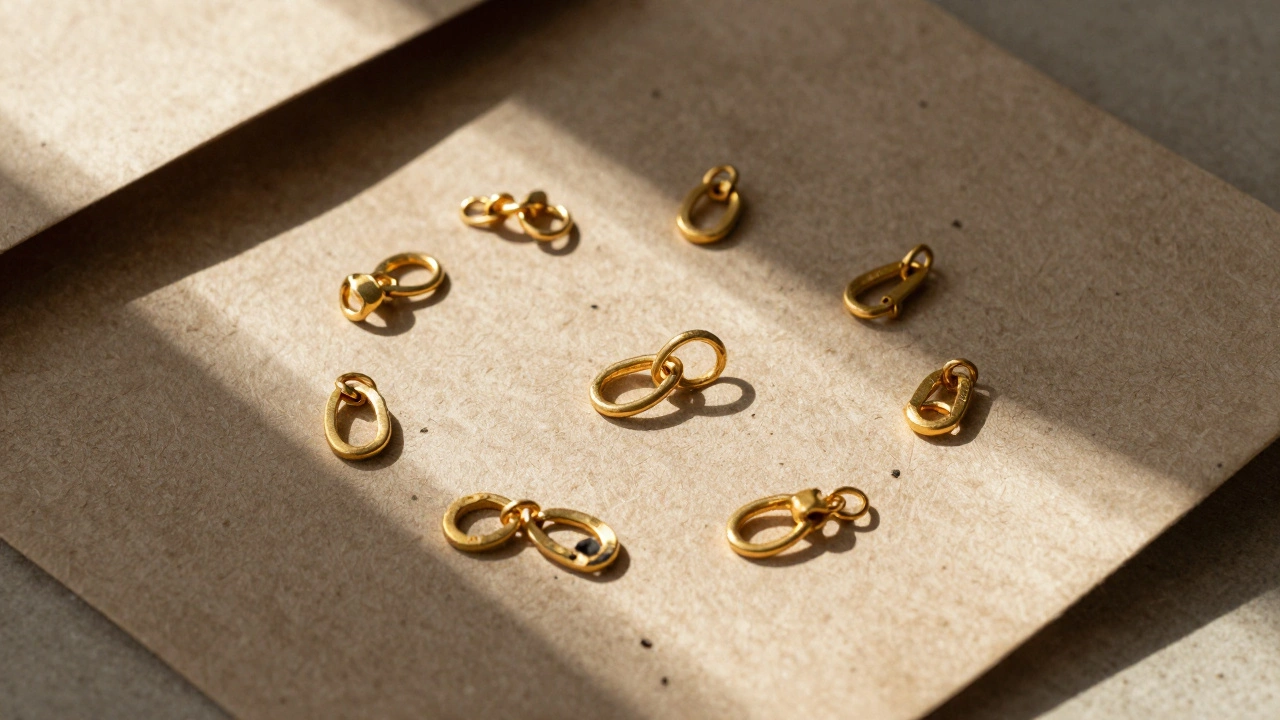
Flexibility is key in 2026. The rigid idea of a "set" is dead. Instead, modular jewelry systems are taking over. Imagine a bracelet that consists of several individual charms or links that you can rearrange based on your mood or outfit. Or a necklace chain that can be extended or shortened easily.
This approach maximizes the utility of your purchase. Instead of buying five different necklaces, you buy one chain and five pendants. This appeals to the budget-conscious consumer who wants variety without the high cost. It also encourages creativity. You can mix a modern minimalist pendant with a traditional antique charm on the same chain. It breaks the rules of matching sets and allows for true personal expression.
- Start with a Base: Invest in high-quality, durable chains or bangles that can withstand frequent reconfiguration.
- Mix Textures: Combine smooth, polished elements with rough, hammered ones for visual interest.
- Color Blocking: Use enamel or gemstone accents in contrasting colors to create focal points within the modular system.
How to Shop Smart for 2026 Trends
Navigating these trends requires a strategic approach. Don’t throw away everything you own. Instead, assess your current collection against these three pillars: minimalism, heritage, and sustainability. If you have heavy, logo-heavy pieces, consider trading them up for simpler, timeless designs. If you have traditional family heirlooms, see if they can be remodeled into lighter, more wearable forms.
When buying new, prioritize quality over quantity. A single, well-made piece of recycled gold with a unique texture will outlast ten cheap, trendy items. Check the hallmarking standards strictly. In India, BIS hallmarking ensures purity, but also ask about the source. Support local artisans who use traditional techniques, as this supports both cultural preservation and economic sustainability.
Finally, trust your instincts. Trends are guides, not rules. If a minimalist ring doesn’t make you happy, don’t buy it. Jewelry is deeply personal. The best trend is the one that makes you feel confident and authentic when you wear it.
Is 22k gold still popular in 2026?
Yes, especially for traditional and heirloom pieces. However, for daily wear, 18k gold is gaining popularity due to its durability and ability to hold intricate, lightweight designs better than softer 22k gold.
Are big gold earrings still in style?
Big gold earrings are trending, but with a caveat. They are favored for social media and evening events. For daily wear, smaller, textured studs or medium-sized hoops are preferred for comfort and versatility.
What is the difference between antique and vintage gold jewelry?
Vintage jewelry is actually old, typically 20-100 years. Antique jewelry refers to pieces over 100 years old. In 2026, "modern antique" refers to new jewelry designed to look old using traditional techniques, offering the aesthetic without the age-related fragility.
How can I verify if gold jewelry is ethically sourced?
Look for certifications like the Responsible Jewellery Council (RJC). Ask retailers for information on the mine origin or if the gold is recycled. Transparent brands will readily provide this information, often via QR codes or blockchain tracking.
Can I mix gold with other metals in 2026?
Yes, but subtly. The trend favors monochromatic looks with slight variations. Mixing yellow gold with rose gold accents is acceptable. Avoid clashing bright yellow gold with stark white silver unless it is part of a specific, intentional multi-metal design.