Indian Everyday Outfit Estimator
Discover what people actually wear in India beyond the stereotypes. Select your scenario below to see a realistic outfit recommendation.
Fill out the details on the left and click the button to see what is typically worn in this specific context.
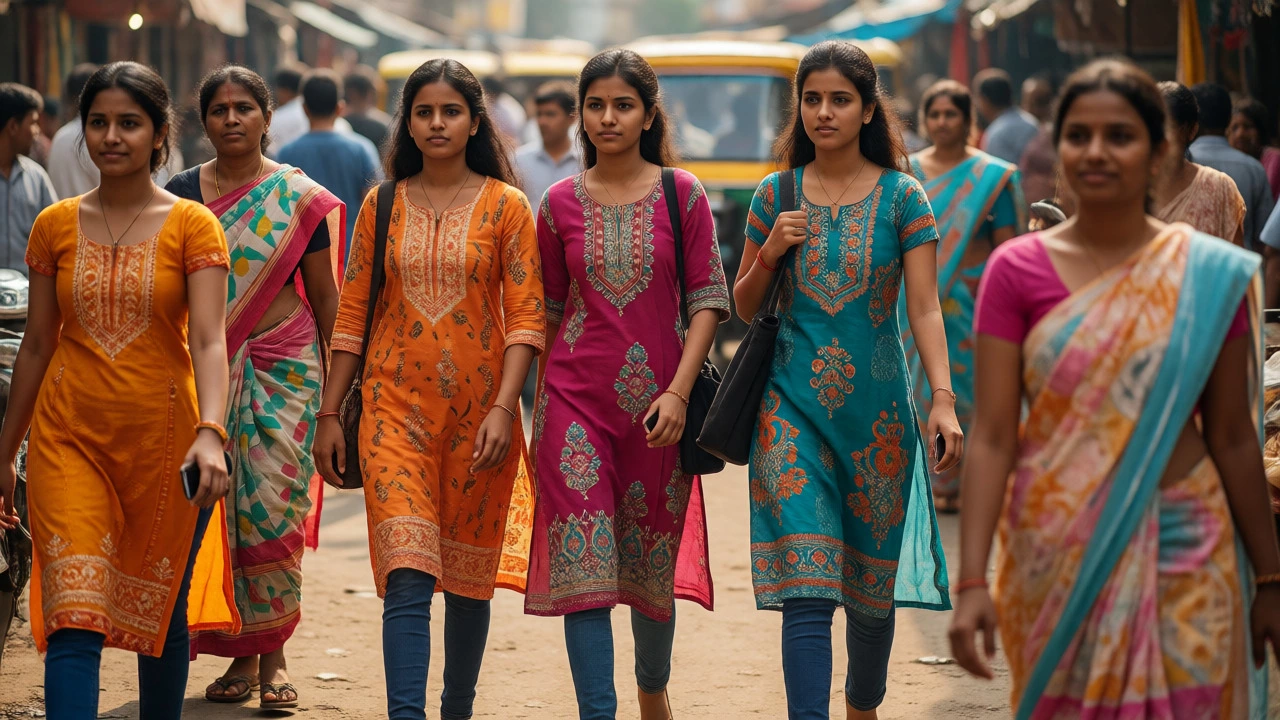
You might think Indian clothing is all about heavy silk saris and elaborate lehengas you see at weddings. But walk into a local market in Mumbai or Delhi on a Tuesday afternoon, and the scene looks different. It’s practical, it’s colorful, and it’s surprisingly diverse. If you’re wondering what do most people wear in India, the answer isn’t one single outfit. It’s a mix of tradition, climate adaptation, and modern convenience.
I’ve lived in Mumbai for years, and I’ve seen how quickly trends shift while some staples stay rock solid. Let’s break down what real people actually put on their bodies every day, not just what designers show on runways.
The Daily Uniform: Comfort Meets Culture
For millions of women, the Saree remains a powerful choice, but let’s be honest-it’s rarely worn as a "daily uniform" anymore unless you work in government offices, schools, or specific corporate roles that mandate it. For most urban women, the Kurta paired with leggings or jeans has taken over. Why? Because it’s easy. You throw it on, add a pair of sandals, and you’re ready.
A Kurta is a loose collarless shirt or tunic, often knee-length or longer, traditionally worn by both men and women across South Asia. In cities like Bangalore or Hyderabad, you’ll see young professionals wearing short kurtas with denim jeans. It’s a fusion look that says, "I respect my roots, but I also need to catch a bus." Men, meanwhile, have largely moved away from formal shirts and trousers for casual days. The Kurta-Pajama combo is common for religious events or family gatherings, but for going to the mall or grabbing coffee, a simple T-shirt and jeans rule supreme.
| Group | Typical Casual Wear | Workwear | Weekend/Festival |
|---|---|---|---|
| Women (18-30) | Kurta & Jeans / Western Top & Skirt | Suit / Blazer & Trouser | Salwar Kameez / Lehenga |
| Men (18-30) | T-shirt & Denim / Shirt & Chinos | Formal Shirt & Trouser | Kurta / Polo & Shorts |
| Women (40+) | Saree / Salwar Suit | Saree / Formal Salwar | Festive Saree / Silk Kurta |
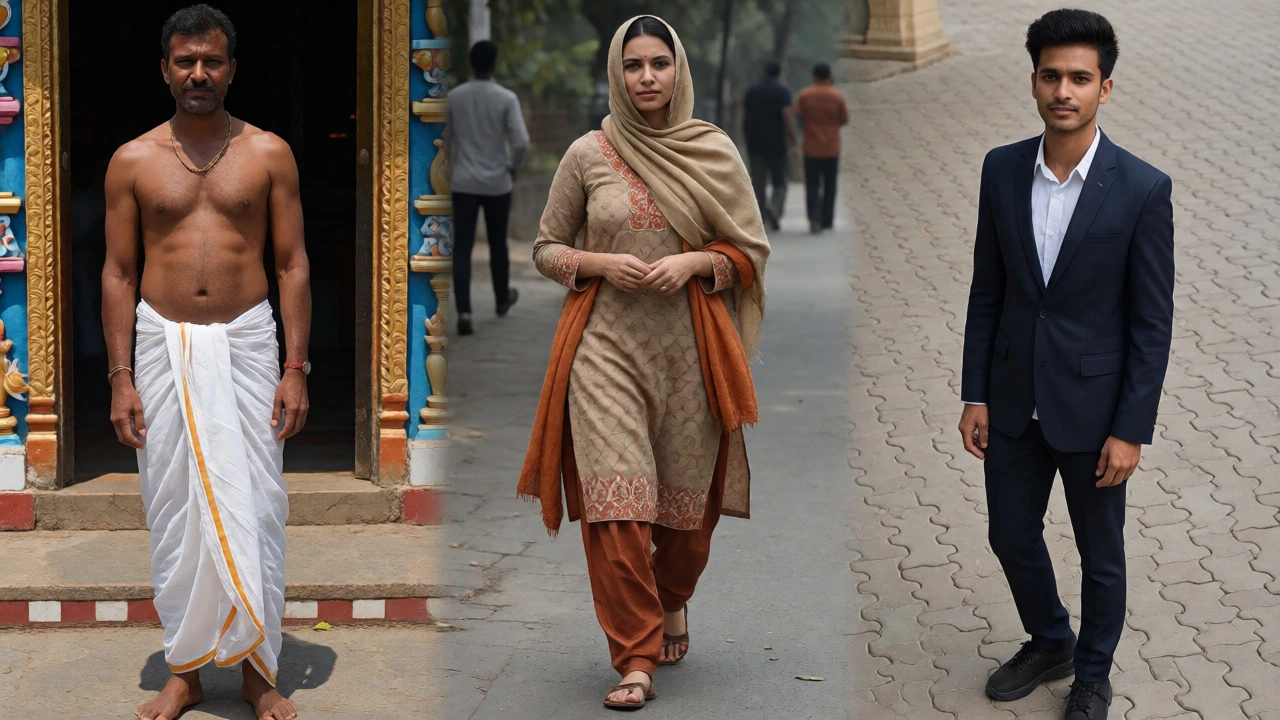
| Men (40+) | Shirt & Trouser / Kurta | Formal Shirt & Trouser | Kurta-Pajama / Dhoti |
Regional Differences Matter More Than You Think
India isn’t a monolith. What someone wears in Chennai differs vastly from what someone wears in Chandigarh. Climate plays a huge role here. In the humid south, cotton Veshti (for men) and lightweight cotton sarees are still very much alive in rural areas and among older generations. The fabric breathes, which is non-negotiable when temperatures hit 35°C with high humidity.
Move north to Punjab, and you’ll see more Salwar Kameez. It’s warmer, covers more skin, and suits the cooler winters. In Rajasthan, the vibrant colors and mirror-work fabrics aren’t just for tourists; locals wear them during festivals and sometimes even daily, especially in smaller towns. But don’t assume everyone in Rajasthan wears a ghagra-choli to the grocery store. Most men there wear standard pants and shirts, maybe adding a turban if they’re from specific communities or attending a wedding.
Here’s a quick heuristic: The closer you get to major metros, the more Westernized the daily wear becomes. The further you go into tier-2 and tier-3 cities, the more traditional attire holds its ground, particularly for women.
The Rise of Fusion Wear
This is where things get interesting. Young Indians are blending cultures effortlessly. You’ll see women wearing Indo-Western outfits-think a long jacket over a crop top and palazzo pants. Or a dhoti-style trouser paired with a regular button-down shirt. This style dominates college campuses and creative workplaces.
Why did this happen? Two reasons. First, global exposure via social media made Western styles accessible. Second, comfort won. Wearing a saree requires skill and time. Draping it takes ten minutes minimum. A kurta-jeans combo takes thirty seconds. For a generation juggling internships, side hustles, and social lives, speed matters.
Men are doing similar experiments. Pathani suits, once strictly traditional, now come in slim fits with sneakers instead of kolhapuri chappals. It’s stylish, comfortable, and distinct enough to stand out without looking like you’re trying too hard.
Footwear and Accessories: The Silent Statements
You can’t talk about what people wear without mentioning what’s on their feet. In India, footwear choices reveal a lot about lifestyle. For many, slippers or flip-flops are the default. Walking barefoot indoors is cultural norm, so outdoor shoes need to be easy to remove. That’s why slip-on sandals and loafers are popular-they save time at temple entrances or friends’ houses.
However, sneaker culture has exploded. Brands like Nike, Adidas, and local players like Bata’s Power brand dominate the youth market. Wearing clean white sneakers with a kurta? Totally normal now. It signals a blend of global trend awareness with local identity.
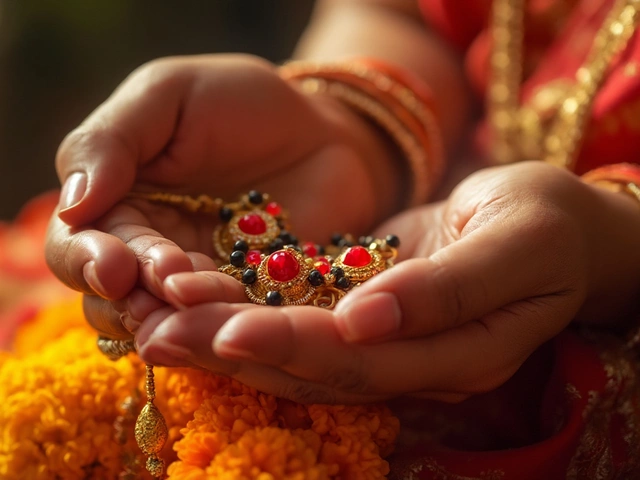
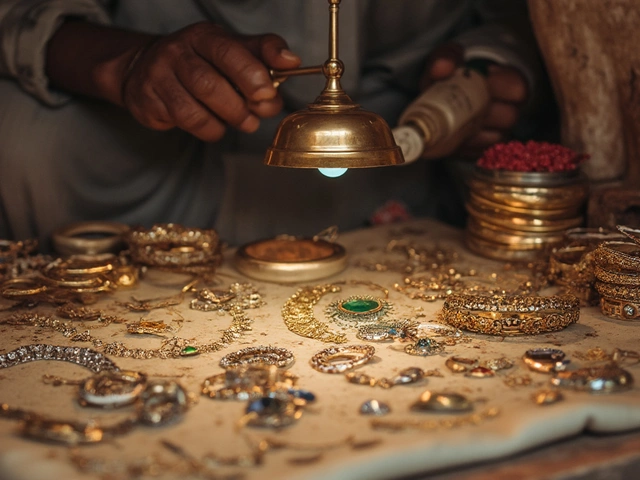
Accessories are where personal expression shines. Women often wear minimal jewelry daily-a small nose pin, thin bangles, or a mangalsutra if married. Gold is preferred for its investment value, but silver and oxidized metal jewelry are trendy for casual outings. Men rarely wear visible jewelry beyond a watch or a chain, though rings are becoming more common among younger demographics.
Climate Dictates Fabric Choices
If you’re visiting India, pack accordingly because your usual wardrobe might fail you. Cotton and linen are kings. Synthetic fabrics like polyester feel suffocating in Indian heat unless you’re in air-conditioned malls all day. Locals know this instinctively. They choose breathable fabrics not just for comfort, but for hygiene-sweat leads to rashes and discomfort quickly in tropical climates.
In winter, layers become essential in North India. Woolen shawls, jackets, and sweaters over kurtas are standard. In South India, winters are mild, so light jackets suffice. Monsoon season brings a unique challenge: waterproof footwear and quick-dry clothes become priority. Many switch to synthetic blends or treated cottons during June to September to avoid dampness issues.

Occasion-Based Dressing Codes
Daily wear is one thing; event wear is another. Weddings are massive affairs in India, and dressing up is part of the ritual. For guests, men might opt for sherwanis or bandhgala suits, while women go for heavy lehengas or designer sarees. But note: these are reserved for special occasions. No one wears a heavily embroidered lehenga to pick up vegetables.
Religious visits require modesty. Shoulders and knees should be covered. This influences daily choices too. Many women keep a dupatta (scarf) handy to cover heads or shoulders when entering temples, regardless of whether they’re wearing a sari or jeans.
Practical Tips for Visitors and Newcomers
If you’re new to India or planning a trip, here’s how to navigate the fashion landscape without standing out awkwardly:
- Respect Local Norms: Avoid overly revealing clothes in conservative areas. Knee-length shorts and sleeveless tops are fine in Goa or Mumbai beaches, but stick to longer hemlines in rural villages or religious sites.
- Invest in Good Footwear: You’ll walk a lot. And you’ll take shoes off often. Choose sturdy sandals or easy-to-remove sneakers.
- Buy Local: Indian tailors can adjust clothes quickly. Buying a kurta locally ensures better fit than off-the-rack international brands.
- Watch the Weather: Check forecasts before packing. Layering is key for variable climates.
Remember, fashion in India is fluid. It shifts based on region, religion, profession, and personal taste. There’s no single "Indian look." Instead, there’s a spectrum of expressions ranging from deeply traditional to fully westernized, with endless fusion in between. Understanding this nuance helps you appreciate the vibrancy of everyday life here.
Do Indian women wear sarees every day?
Not necessarily. While the saree is iconic, most urban women prefer kurtas, salwar suits, or western wear for daily activities due to comfort and ease of movement. Sarees are typically reserved for work in certain professions, festivals, weddings, or formal occasions.
Is it appropriate to wear jeans in India?
Yes, jeans are widely accepted and commonly worn, especially in cities. Both men and women wear them regularly. However, in very conservative rural areas or strict religious settings, modesty guidelines may suggest avoiding tight-fitting jeans or opting for traditional bottoms instead.
What do men usually wear to work in India?
In corporate sectors, men typically wear formal shirts and trousers. In tech startups or creative industries, smart casuals like polo shirts, chinos, or even jeans with a shirt are common. Traditional kurta-pajamas might be worn on Fridays or specific cultural days in some companies.
How does climate affect clothing choices in India?
Climate heavily dictates fabric and style. Hot and humid regions favor lightweight cotton and linen that breathe well. Cooler northern states use woolens and layers in winter. Monsoon seasons lead to preferences for quick-drying synthetics and waterproof footwear to handle rain and mud.
Are traditional clothes expensive in India?
It varies wildly. You can find basic cotton kurtas for under $10 in local markets, while designer lehengas or handloom sarees can cost thousands of dollars. Mass-produced ethnic wear is affordable, making traditional fashion accessible to almost all economic classes.