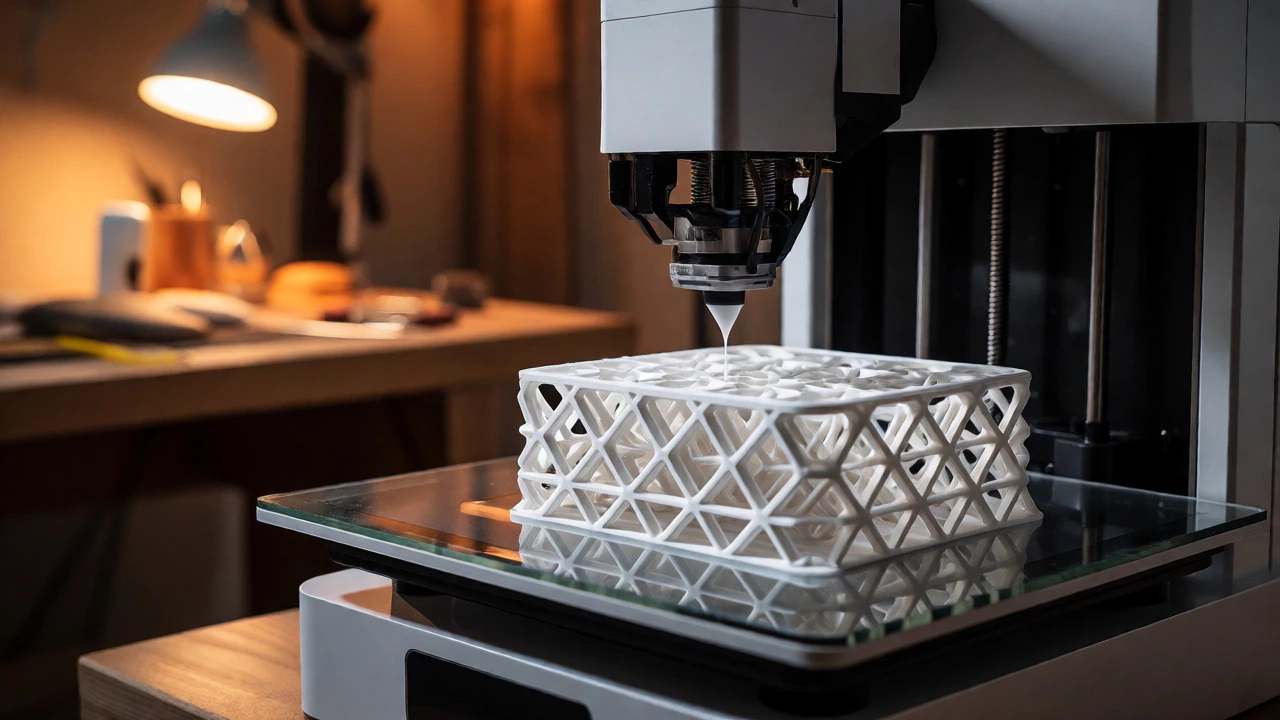
3D Print Legality Checker
Select the type of object you plan to print and how you intend to use it to determine your legal risk level.
You just bought a new 3D printer and you are itching to create something cool. Maybe it is a custom pendant or a complex lattice structure that traditional casting cannot handle. But then a nagging thought hits you: can I actually sell this? Or worse, am I about to get sued for printing a file I downloaded from the internet?
The short answer is yes, you can get in trouble. The long answer is where things get messy because the law does not treat every plastic object the same way. It depends on what you are printing, who designed it, and whether it is protected by intellectual property rights like patents or copyrights. If you are into jewelry making kits or designing your own accessories, understanding these boundaries saves you from legal headaches later.
Copyright Infringement: The Most Common Trap
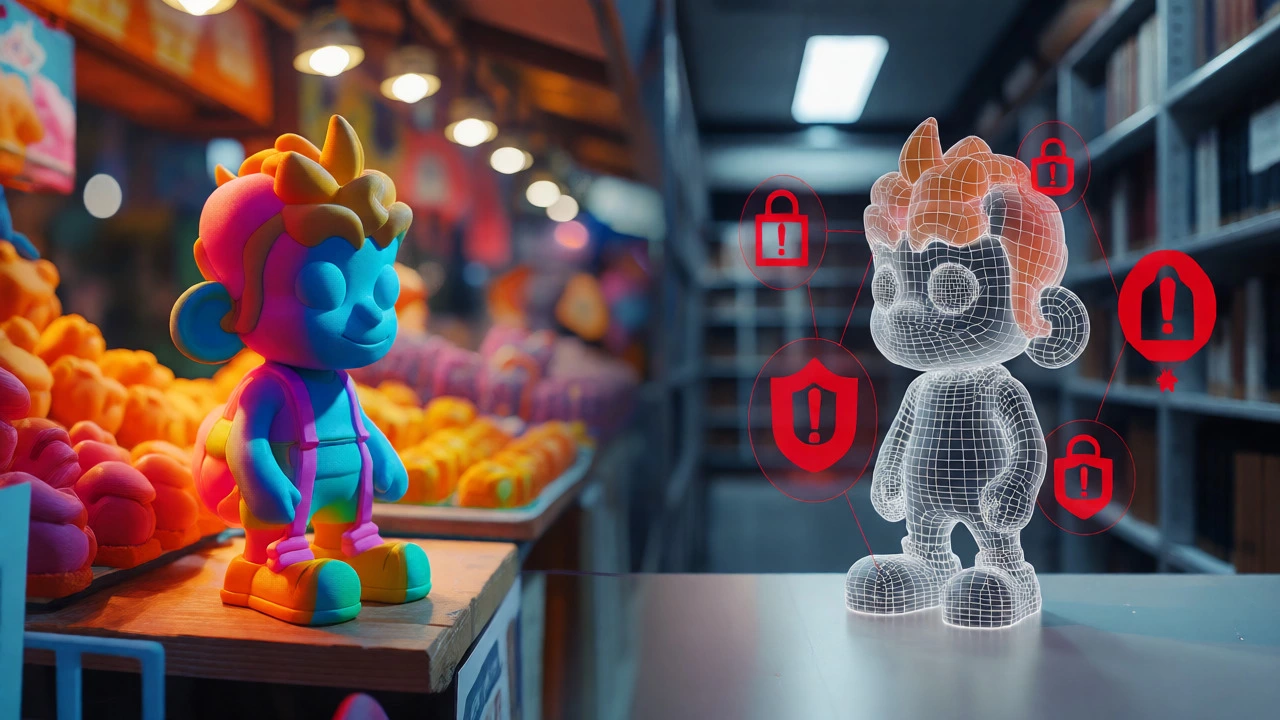
Most people assume that if they find a file online, it is free to use. That is rarely true. When a designer uploads a model to sites like Thingiverse or MyMiniFactory, they often attach a license. Some licenses allow commercial use; others strictly forbid it. If you download a character like Mickey Mouse or a branded logo and print it to sell at a market stall, you are likely committing copyright infringement.
Copyright protects original works of authorship. This includes artistic designs, sculptures, and increasingly, unique jewelry forms. If a specific ring design is registered or falls under automatic copyright protection (which happens the moment it is created in a tangible form), copying it without permission is illegal. You might think, "But I changed the size," or "I used different material." Courts generally look at substantial similarity. If your printed piece looks too much like the original protected work, you are at risk.
Consider this scenario: You find a beautiful geometric earring design online. The license says "Non-Commercial Use Only." You print fifty pairs and sell them on Etsy for profit. You have violated the terms of service and potentially copyright law. The designer could issue a takedown notice, and if they are aggressive, sue for damages. Always check the license metadata attached to the .stl or .obj file before hitting print.
Patent Violations: Functional Designs Are Different
While copyright covers artistic expression, patents protect functional inventions. This is crucial for makers creating tools, mechanical parts, or innovative jewelry clasps. If someone has patented a specific mechanism-say, a new type of adjustable ring shank or a quick-release earring back-you cannot manufacture and sell that exact mechanism, even if you designed it independently.
Utility patents last for 20 years from the filing date. Design patents, which cover the ornamental appearance of an item, last for 15 years. Many popular gadgets and specialized jewelry components are covered by these. For example, if you try to 3D print a replica of a patented ergonomic handle or a proprietary connector system, you infringe on the patent holder's exclusive right to make, use, and sell that invention.
Here is the tricky part: many small inventors do not enforce their patents aggressively until they see mass production or significant sales. However, with the rise of desktop manufacturing, enforcement is becoming easier. Before selling a functional item, search patent databases like USPTO or WIPO. If you find an active patent matching your design, you either need a license or you need to redesign the function to avoid infringement.
Trademarks: Logos and Brand Names
Printing a logo is different from printing a shape. Trademarks protect brand identifiers like names, logos, and slogans. If you 3D print a keychain with the Nike Swoosh or the Apple logo, you are using a trademarked symbol. Even if the shape itself isn't copyrighted, using the logo implies endorsement or association, which can confuse consumers.
This applies heavily to fashion and jewelry. Printing a charm that looks exactly like the Tiffany & Co. heart tag or the Cartier Love bracelet screw motif can lead to trademark disputes. These brands actively police counterfeit goods. While a generic heart shape is fine, adding the specific brand name or logo makes it a trademark issue. If you are making personalized gifts, printing a client's name is safe. Printing "Gucci" next to it is not.
Counterfeiting Luxury Goods
Let's talk about the elephant in the room: fake luxury items. People often 3D print molds to cast cheap metal versions of high-end watches, handbags, or jewelry. If you print a replica of a Rolex watch case or a Chanel bag clasp and sell it as genuine, that is fraud. But even selling it as a "replica" or "inspired by" can be illegal if the design is protected by trade dress.
Trade dress refers to the visual appearance of a product that signifies its source. The distinctive shape of a Coca-Cola bottle or the pattern on a Burberry scarf can be protected. If your 3D printed jewelry mimics the unique, non-functional aesthetic features of a famous brand so closely that customers might be confused, you face legal risks. This is especially relevant for traditional jewelry replicas where intricate details define the brand value.
Regulated Items: Weapons and Medical Devices
Beyond intellectual property, some items are illegal to print simply because of what they are. Firearms and firearm components are highly regulated. In many jurisdictions, printing a lower receiver (the serialized part of a gun) requires compliance with local laws regarding serial numbers and background checks. Printing a fully functional firearm without proper licensing can lead to criminal charges.
Similarly, medical devices require strict regulatory approval. If you 3D print a surgical guide or a dental crown, you are entering the realm of medical device regulation. In the US, the FDA regulates these. Printing a simple phone stand is one thing; printing a device that goes inside a human body is another. If you are making earrings or rings, you usually escape heavy regulation unless you claim specific medical benefits, like magnetic therapy claims that lack scientific backing.
Jewelry-Specific Legal Nuances
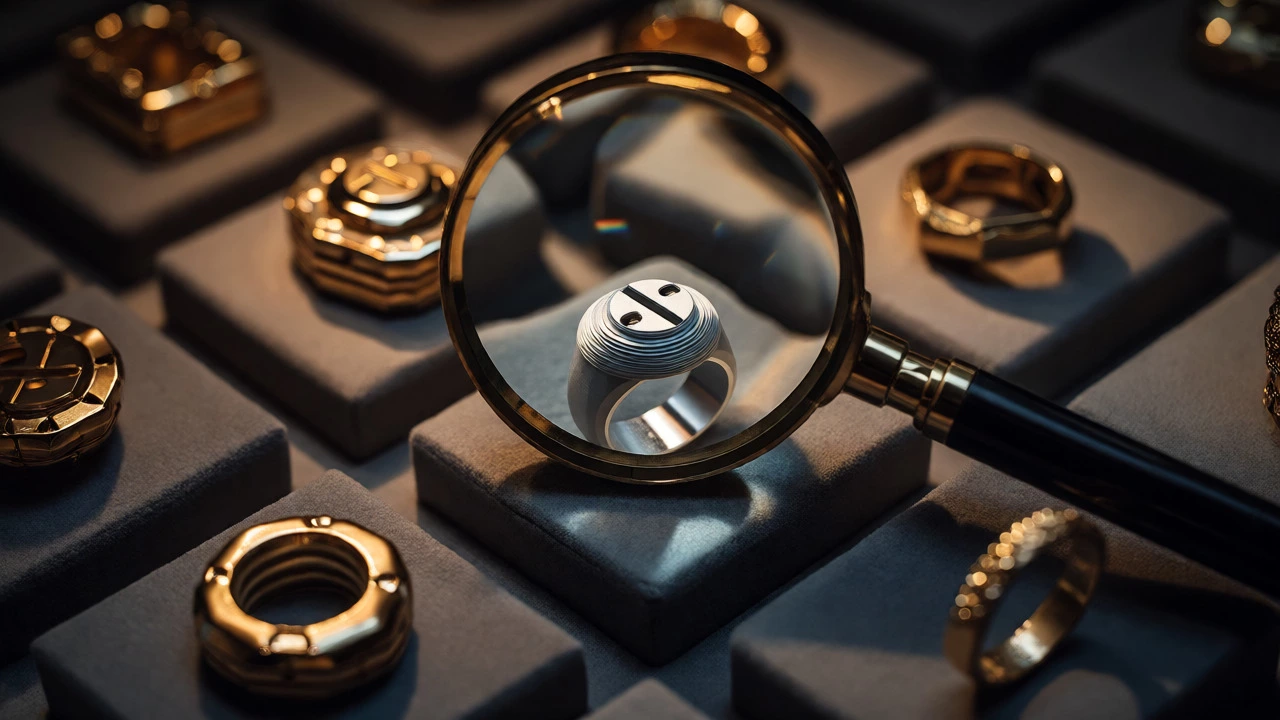
For those focused on gold jewelry designs and accessories, here are specific pitfalls:
- Material Misrepresentation: If you 3D print a piece in resin or plastic but sell it as "metal" or "gold-plated" without clear disclosure, consumer protection laws apply. Always label materials accurately.
- Hallmarking Laws: In countries like India and the UK, precious metals must be hallmarked. If you cast a 3D-printed mold into gold, you must ensure the final product meets hallmark standards if sold as solid gold.
- Design Patents in Fashion: Unlike clothing, which often lacks strong design protection in some regions, unique jewelry pieces can hold design patents. Check if a viral TikTok jewelry trend is actually patented by the original creator.
How to Stay Safe: A Practical Checklist
You don't need a law degree to stay compliant. Follow these steps before you start your next project:
- Check the License: Look for Creative Commons licenses. CC-BY allows commercial use with attribution. CC-NC forbids it. CC0 means public domain.
- Search Patents: Use free databases to check if your functional design is patented. Keywords related to the mechanism, not just the aesthetic, help here.
- Avoid Trademarks: Do not print brand names or logos unless you have explicit permission. Generic shapes are safer.
- Document Your Process: Keep records of your design sketches and file downloads. If accused of copying, proof of independent creation helps.
- Read Terms of Service: Platforms like Shapeways or Etsy have their own rules against counterfeits. Violating these can get your shop banned, even if you aren't sued.
| Object Type | Primary Legal Risk | Safety Level |
|---|---|---|
| Generic Geometric Shapes | None (Public Domain) | High |
| Branded Logos/Names | Trademark Infringement | Low |
| Unique Artistic Sculptures | Copyright Infringement | Medium |
| Functional Mechanisms | Patent Violation | Medium/Low |
| Luxury Replicas | Counterfeiting/Trade Dress | Very Low |
Frequently Asked Questions
Is it illegal to 3D print a spare part for my broken appliance?
Generally, no. Printing a single replacement part for personal use falls under fair use or private use exceptions in most jurisdictions. Problems arise when you mass-produce and sell those parts commercially without authorization from the manufacturer.
Can I sell 3D printed items I designed myself?
Yes, absolutely. If you created the design from scratch and it does not infringe on existing patents or trademarks, you own the copyright to your work. You can sell unlimited copies of your original designs.
What happens if I ignore a cease and desist letter?
Ignoring a cease and desist letter can escalate the situation to a lawsuit. The brand owner may seek monetary damages for lost profits and legal fees. It is usually cheaper and less stressful to comply and stop selling the infringing item immediately.
Are 3D printed jewelry designs protected by copyright?
Yes, original artistic elements of jewelry designs are protected by copyright automatically upon creation. However, functional aspects (like the size of a ring band) are not. To protect the specific look of a novel design, you would need a design patent.
Can I print Disney characters for my kids' birthday party?
For personal, non-commercial use, Disney rarely takes action against individuals printing toys or decorations for home use. However, you cannot sell these prints. Commercial sale of Disney characters without a license is copyright infringement.