Sikkim vs Nepal Temple Jewellery Comparison
Discover the Distinctions
Compare how Sikkim's Buddhist-inspired jewellery differs from Nepal's Hindu traditions across key characteristics.
Silver (Ghyu bangles), 18K-14K gold (Doko, Kardo)
22K gold, enamel work, polished gemstones
Abstract Buddhist symbols (endless knot, Dharma wheel, eight auspicious signs)
Deities (Buddha, Tara, Lakshmi), divine figures
Heavy: Ghyu bangles (over 200g each), Doko headpieces
Worn daily for spiritual protection
Lighter, more ornamental
Often worn for special occasions only
Worn daily (Kardo), for festivals (Doko), never sold
Men: simple rings with turquoise for ceremonies
Worn primarily for religious ceremonies and festivals
Often given as wedding gifts
Family heirloom, spiritual protection, cultural identity
Not for sale to outsiders
Symbol of prosperity, marital status, religious devotion
Often sold to tourists
Turquoise (gyu), coral - uncut stones
Never diamonds or emeralds
Polished gemstones, enamel work
Includes diamonds, rubies, emeralds
When you think of temple jewellery in India, you might picture Tamil Nadu’s intricate gold pieces or Karnataka’s elaborate designs. But in the misty hills of Sikkim, a quieter, deeply spiritual tradition of jewellery thrives-one shaped by Buddhist beliefs, Himalayan culture, and centuries of trade with Nepal and Tibet. The most famous jewellery of Sikkim isn’t worn for fashion. It’s worn as devotion, identity, and heritage.
The Bhutia and Lepcha Roots of Sikkim’s Jewellery
Sikkim’s jewellery doesn’t come from urban workshops. It comes from families who’ve passed down techniques for generations. The two main ethnic groups-Bhutias and Lepchas-each have their own styles, but both draw from the same spiritual well. Bhutias, of Tibetan origin, brought with them heavy gold pieces shaped like prayer wheels and lotus motifs. Lepchas, the original inhabitants, favored silver and turquoise, often setting stones in shapes that mimic mountains and rivers.What makes Sikkimese jewellery unique is how it blends function with faith. A woman might wear a necklace with five small bells-not because they sound pretty, but because each bell represents one of the Five Wisdom Buddhas. The sound is meant to ward off negative energy as she moves.
The Signature Pieces: Doko, Kardo, and Ghyu
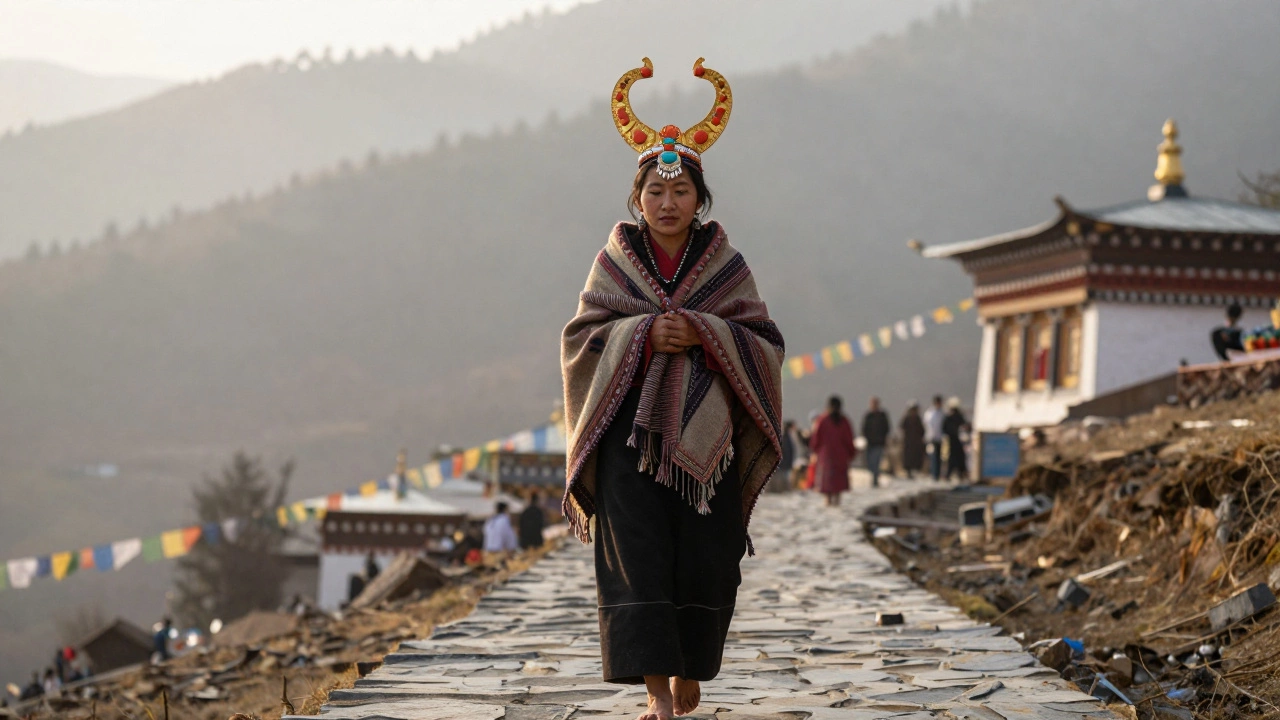
There are three standout pieces that define Sikkim’s temple jewellery tradition:- Doko: A heavy, curved gold headpiece worn by married women during festivals. It’s shaped like a half-moon and often embedded with coral, turquoise, and small gold filigree. The Doko isn’t just ornamental-it signals a woman’s marital status and her family’s ancestral wealth.
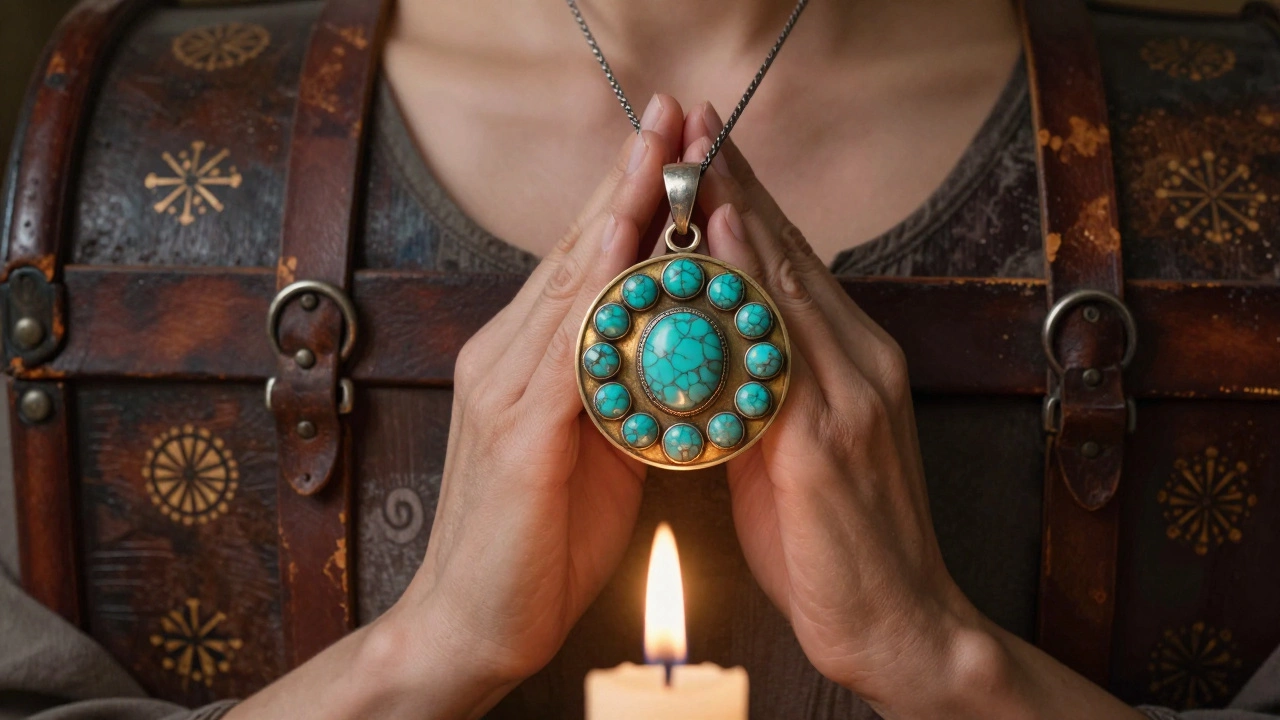
- Kardo: A large, circular pendant worn on the chest, usually made of gold and set with uncut turquoise stones. It’s not a fashion statement. The Kardo is believed to protect the wearer from illness and bad luck. Many older women still wear it daily, even under modern clothing.
- Ghyu: These are thick, twisted silver bangles worn in pairs on each wrist. Unlike the delicate bangles of other regions, Ghyu are heavy, sometimes weighing over 200 grams each. They’re passed down from mother to daughter and are never sold. A woman without Ghyu is considered incomplete in traditional Sikkimese weddings.
These pieces aren’t mass-produced. Artisans in Gangtok, Pelling, and Namchi still handcraft them using ancient tools-chisels made from iron, wax molds shaped by hand, and furnaces fueled by wood and charcoal. The gold used is rarely 22K. Most pieces use 18K or even 14K, because pure gold is too soft for the intricate designs and daily wear.
Why Turquoise and Coral Dominate
If you’ve seen Sikkimese jewellery, you’ve noticed the blue and red stones everywhere. That’s not random. Turquoise, called gyu in Tibetan, is sacred. It’s believed to come from the body of the earth goddess, and its color is said to reflect the sky’s purity. A piece with even one turquoise stone is thought to bring good fortune.Coral, often red or orange, comes from the Himalayan trade routes. It’s not local-it’s imported from the Mediterranean through Nepal-but it’s become essential. In Buddhist symbolism, coral represents life force. Together, turquoise and coral form a protective pair: one for spiritual clarity, the other for physical vitality.
You won’t find diamonds or emeralds in traditional Sikkimese pieces. That’s not because they’re unavailable. It’s because they don’t fit the spiritual code. Temple jewellery here isn’t about status symbols. It’s about balance.
How It’s Worn: Rituals and Rules
Wearing Sikkim’s temple jewellery isn’t casual. There are rules. Women don’t wear the Doko or Kardo to funerals. Men wear simpler versions-often just a gold ring with a tiny turquoise stone-during monastic ceremonies. During Losar, the Tibetan New Year, families wear their heaviest pieces to the monastery. The more jewellery you wear, the more you’re honoring your ancestors.There’s also a strict no-sale policy. These pieces are never sold to outsiders. They’re inherited, gifted, or loaned. A family might lend a Doko to a daughter for her wedding, but it always returns to the ancestral chest. This isn’t about wealth-it’s about continuity.
Modern Challenges and Revival Efforts
In the 1990s, many young Sikkimese stopped wearing these pieces. They were too heavy. Too traditional. Too different from the gold bangles seen on TV. By 2010, fewer than 50 artisans still knew how to make authentic Ghyu bangles. The craft was fading.But things are changing. In 2020, the Sikkim Handloom and Handicrafts Development Corporation launched a revival program. They trained 80 new artisans, mostly women under 30, using old family patterns. They documented the techniques in a digital archive. Today, you can find Sikkimese temple jewellery in select museums and cultural fairs-but still, not in malls or online marketplaces.
The government now recognizes these pieces as Intangible Cultural Heritage. That means they’re protected, not just as objects, but as living traditions. You won’t find a fake version sold abroad. That’s intentional. Authenticity is non-negotiable.
What Sets Sikkim Apart From Other Temple Jewellery Traditions
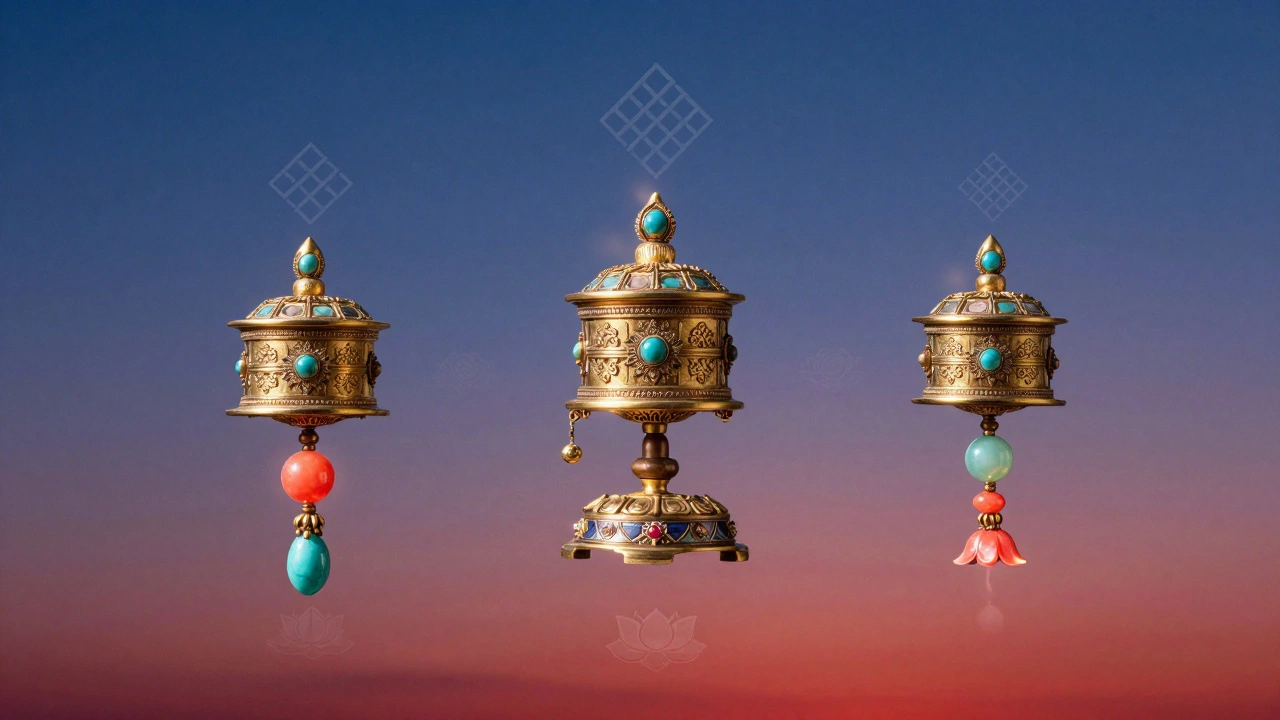
Compare Sikkim’s jewellery to Tamil Nadu’s temple jewellery. Tamil pieces are often worn in temples as offerings. Sikkim’s pieces are worn by the people themselves-day after day, year after year. Tamil jewellery uses more enamel and detailed filigree. Sikkim’s uses fewer details but heavier forms. Tamil pieces are gold-plated brass. Sikkim’s are solid gold and silver.And while Karnataka’s temple jewellery often features deities like Lakshmi or Shiva, Sikkim’s designs never depict gods. They use abstract symbols: the endless knot, the wheel of Dharma, the eight auspicious signs. That’s because in Vajrayana Buddhism, depicting the Buddha in human form is considered disrespectful. The jewellery speaks in symbols, not statues.
Where to See Authentic Sikkimese Temple Jewellery Today
You won’t find it in tourist shops. But you can see it in three places:- The Sikkim State Museum in Gangtok has a permanent exhibit of 47 pieces, dating back to the 1800s.
- The Chamong Monastery holds an annual jewellery display during the Saga Dawa festival. Visitors can watch elders wearing their heirloom pieces.
- The Sikkim Handicrafts Emporium in Siliguri sells reproductions made by certified artisans-but only if you can prove you’re a cultural researcher or a descendant of a Sikkimese family.
These pieces aren’t souvenirs. They’re sacred. And that’s why they’ve survived.
Is Sikkim temple jewellery made only of gold?
No. While gold is used for headpieces and pendants like the Doko and Kardo, silver is just as important-especially for bangles (Ghyu) and earrings. Many pieces combine both metals. Turquoise and coral are the primary stones, not diamonds or gems. Pure gold is rarely used because it’s too soft for the heavy, durable designs meant for daily wear.
Can tourists buy authentic Sikkimese temple jewellery?
Authentic pieces are not sold to outsiders. They’re family heirlooms passed down through generations. What you might find in tourist shops are modern reproductions made by government-certified artisans. These are legal and beautifully crafted, but they’re not ancestral pieces. True Sikkimese jewellery is never listed online or sold in malls-it’s only gifted or inherited.
Why is turquoise so important in Sikkim’s jewellery?
In Sikkimese Buddhist culture, turquoise (called gyu) is believed to come from the earth goddess and symbolize purity and protection. A single turquoise stone in a necklace or ring is thought to guard against illness and negative energy. It’s also tied to the sky-its blue color represents clarity of mind. Unlike in other cultures, turquoise here isn’t decorative. It’s sacred.
Do men wear Sikkim temple jewellery?
Yes, but differently. Men typically wear simple gold rings with a small turquoise stone during religious ceremonies. They may also wear a single silver pendant shaped like the endless knot. Unlike women, they don’t wear heavy headpieces or bangles. Their jewellery is minimal but still deeply symbolic, often worn only during festivals or monastic rituals.
How is Sikkim’s temple jewellery different from Nepal’s?
Nepalese temple jewellery, especially from the Newar community, often features detailed engravings of deities like Buddha and Tara, and uses more enamel work. Sikkim’s pieces avoid human or divine figures entirely, using only abstract Buddhist symbols. Nepali jewellery is often lighter and more ornamental. Sikkimese pieces are heavier, meant for daily wear, and carry spiritual weight-not just beauty. The materials are also different: Sikkim uses more silver and uncut turquoise; Nepal uses more gold and polished stones.