Gold Value & Purity Calculator
Enter the current market price for pure gold to see how much you save or pay extra for different purity levels.
₹0
Total Intrinsic Value
Purity: 99.9%
Best for Investment
₹0
Total Intrinsic Value
Purity: 91.6%
Standard Indian Jewelry
₹0
Total Intrinsic Value
Purity: 75.0%
Western Standard / Diamonds
Value Difference
Calculating...
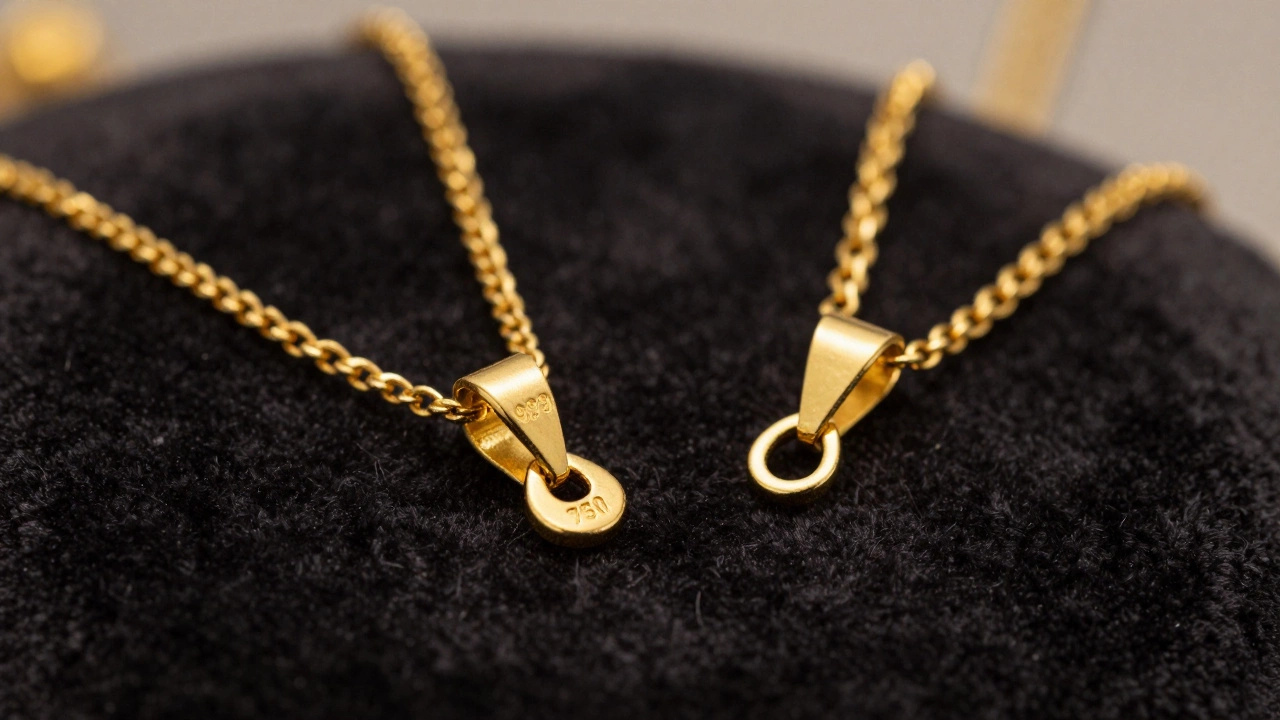
You walk into a jewelry store, eyes fixed on two identical necklaces. One costs ₹50,000. The other? ₹1,20,000. You ask the salesperson why. They point to a tiny stamp inside the clasp: '999' versus '750'. That number isn't just decoration. It’s the difference between pure wealth and a decorative alloy. But what exactly is the most expensive gold number? Is it 24k? 22k? Or something else entirely?
If you’ve ever bought gold, you know the price swings daily. But the base value depends on one thing: purity. The higher the number stamped on your jewelry, the more actual gold you’re holding-and the more you pay for it. Let’s break down what those numbers mean, which one commands the highest price, and why you might not want to buy the most expensive option for everyday wear.
The Short Answer: 999 is the King of Gold Numbers
When we talk about the "most expensive gold number," we are referring to the purity mark. In the global market, the highest standard for commercial gold is 999 Gold, also known as 24 Karat (24K) gold with 99.9% purity. This means that out of every 1,000 parts of the metal, 999 are pure gold. Only 1 part is impurity or trace elements.
This is the gold used for sovereign coins, high-end bullion bars, and central bank reserves. If you see a bar stamped with '999', '999.9', or '24K', you are looking at the most valuable form of gold per gram. There is no commercially available gold number higher than 999 in the jewelry and investment space. Anything claiming to be '1000' is technically marketing fluff, as 99.99% (999.9) is the practical limit for industrial refining.
Decoding the Gold Numbers: Karats vs. Fineness
Confusion often arises because gold is measured in two different systems: Karats (K) and Fineness (parts per thousand). To understand which number makes gold expensive, you need to speak both languages.
| Common Name | Karat (K) | Fineness Mark | Purity % | Primary Use |
|---|---|---|---|---|
| Pure Gold | 24K | 999 / 999.9 | 99.9% | Bullion, Coins, Investment |
| Standard Indian Jewelry | 22K | 916 | 91.6% | Daily Wear, Traditional Sets |
| Western Standard | 18K | 750 | 75.0% | Diamond Settings, Fashion Jewelry |
| Budget Fashion | 14K | 585 | 58.5% | Trendy Accessories |
The relationship is simple but critical. 24K equals 999 fineness. 22K equals 916 fineness. 18K equals 750 fineness. As the Karat number drops, the amount of pure gold decreases, and the amount of alloy metals (like copper, silver, or zinc) increases. Therefore, the 999 mark represents the peak monetary value per gram.
Why Isn’t All Jewelry Made of 999 Gold?
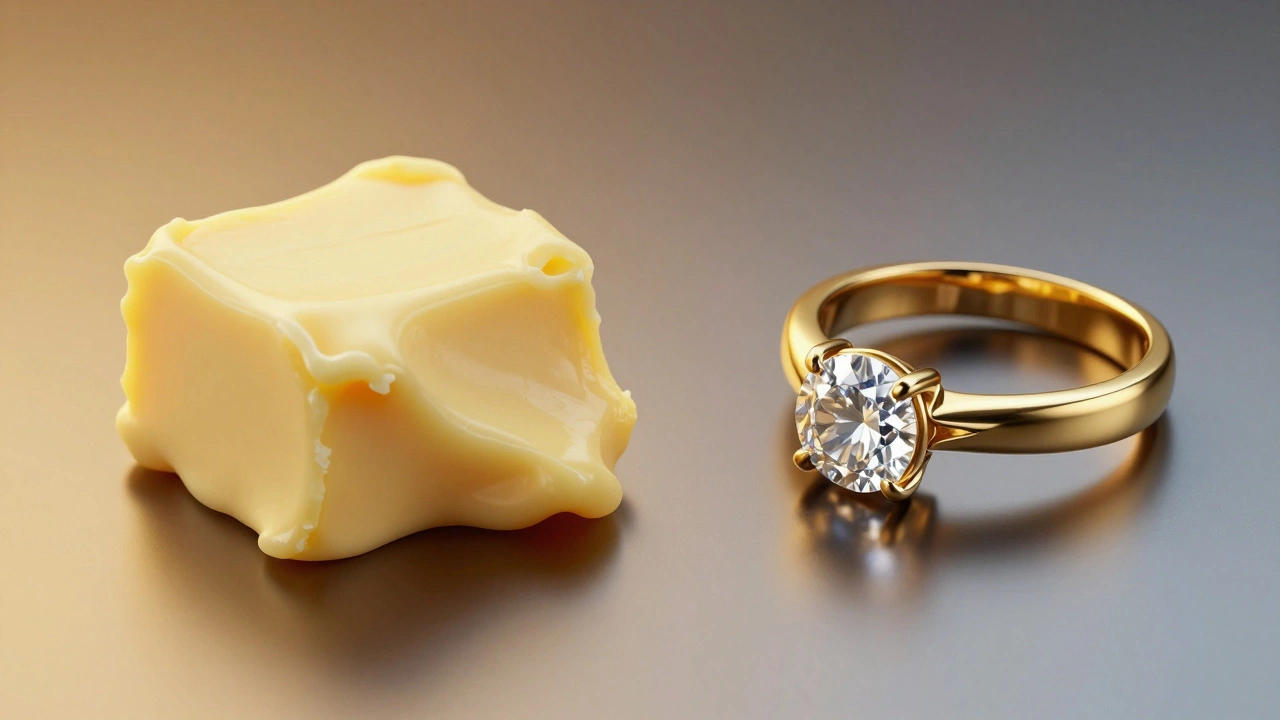
If 999 is the most expensive and purest, why do jewelers rarely make rings or necklaces from it? The answer lies in physics, not finance. Pure gold is incredibly soft. Think of it like butter at room temperature. If you wore a ring made of 999 gold, it would bend, scratch, and lose its shape within days. A diamond set in 999 gold would likely fall out because the prongs wouldn't hold tight enough.
This is where alloys come in. By mixing gold with harder metals, jewelers create durable pieces.
- 22K (916): The sweet spot for many cultures, including India. It retains a rich yellow color and is relatively soft but durable enough for traditional designs like temple jewelry.
- 18K (750): Harder and brighter. Preferred in Europe and for setting precious stones like diamonds and rubies because it holds them securely.
- 14K (585): Very durable, affordable, but has a paler color since nearly half the metal is not gold.
The Role of Hallmarking in Determining Value
In markets like India, the Bureau of Indian Standards (BIS) mandates hallmarking for gold jewelry. This process verifies the purity claimed by the jeweler. When you look for the most expensive gold number, you aren't just looking at the karat; you're looking for the official certification.
A hallmarked piece will have four marks:
- Purity Mark: e.g., 999, 916, 750.
- BIS Logo: Confirms government approval.
- Jeweler’s ID: Identifies who made it.
- Assay Centre Mark: Shows where it was tested.
Investment vs. Adornment: Which Number Should You Buy?
Your choice of gold number should depend on your goal. Are you storing wealth or accessorizing an outfit?
For Investment: Stick to 999 Gold Bars or Sovereign Coins. These have the lowest making charges (often zero or minimal) and the highest resale value. When you sell them back, you are paid based on the live market rate of pure gold. There is no deduction for craftsmanship or design.
For Wedding Jewelry: Choose 916 Gold (22K). In South Asian traditions, 22K is considered auspicious and carries significant emotional and financial weight. It balances purity with enough durability for heirloom pieces. You pay a premium over 18K, but the resale value remains strong because of the high gold content.
For Daily Wear & Stone Settings: Opt for 750 Gold (18K). If you are buying a diamond engagement ring, 18K is the industry standard globally. It’s hard enough to protect the stone and looks luxurious without being overly soft. While the initial cost per gram is lower than 22K, the durability saves you money on repairs in the long run.
Hidden Costs: Making Charges and Wastage
Here is a trap many buyers fall into. Just because 999 gold is the most expensive raw material doesn’t mean a 999 gold coin is always the best *buy* if you compare it to a low-making-charge coin. However, when comparing jewelry, the math changes.
A necklace marked 916 (22K) will cost more per gram than one marked 750 (18K) purely due to the gold content. But if the 18K piece has intricate Italian filigree work, the making charges might push its total price above a simple 22K chain. Always calculate the final price per gram including making charges to see the true cost. The "most expensive number" on the tag doesn't always mean the most expensive final bill, but it does mean the highest intrinsic metal value.
Fake Numbers and How to Spot Them
With gold prices hitting record highs in recent years, counterfeit stamps are common. Scammers may stamp '999' on copper-plated brass. How do you verify?
- Magnet Test: Gold is not magnetic. If the piece sticks, it’s fake.
- Acid Test: Jewelers use nitric acid to check purity. Real gold won’t react.
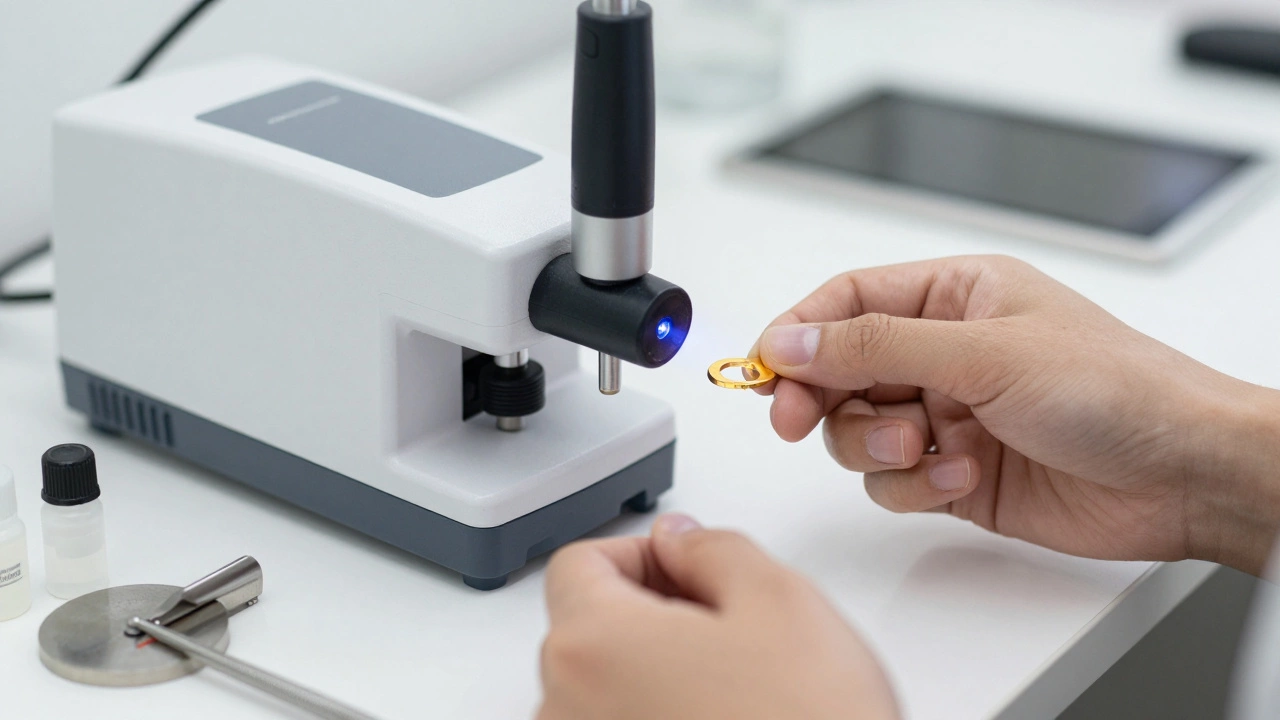
- XRF Analyzer: Modern stores use handheld X-ray fluorescence devices to scan the metal composition instantly. Ask for this test if buying high-value 999 bars.
Future Trends: Will Higher Purity Become Standard?
As technology advances, refining processes are getting better. We are seeing more '999.9' (four nines) gold in the investment sector. For jewelry, however, the trend is moving toward transparency rather than higher purity. Buyers now demand digital certificates linked to blockchain, ensuring the history of the gold-from mine to mall-is traceable. This adds value beyond the number itself. In 2026, the "most expensive" attribute might soon be ethical provenance, not just the 999 stamp.
Is 24K gold the same as 999 gold?
Yes. 24 Karat (24K) gold indicates that the metal is 24/24 parts pure, which translates to 99.9% purity. In the fineness system, this is stamped as 999. Both terms refer to the same level of purity used primarily for investment bars and coins.
Which gold number is best for daily wear?
For daily wear, 18K (750) or 22K (916) are the best options. 24K (999) is too soft and will scratch or bend easily. 18K is harder and more durable, making it ideal for rings and bracelets that face frequent friction. 22K is slightly softer but still durable enough for necklaces and earrings in many cultural contexts.
Does a higher gold number mean a darker color?
Generally, yes. Pure gold (999) has a deep, rich yellow hue. As you add alloys to create 18K or 14K, the color becomes paler or takes on tones of rose (with copper) or white (with nickel/palladium). So, a deeper yellow often indicates a higher karat number, provided the piece is genuine.
Can I convert 22K jewelry into 24K gold?
You cannot simply "convert" it, but you can melt it down. When you sell 22K jewelry to a refiner, they melt it and separate the pure gold from the alloys. You will receive payment based on the weight of the pure gold extracted (91.6% of the total weight). The resulting pure gold can then be cast into 24K bars or coins.
Why is 916 gold more popular in India than 750?
Cultural tradition plays a huge role. In India, gold is seen as a store of value and a religious offering. 22K (916) offers a higher gold content than 18K (750), meaning you get more pure gold for your money in terms of weight. Additionally, the richer yellow color of 916 gold is traditionally preferred for wedding attire and temple jewelry.