Handmade Jewelry Profit Calculator
Enter Your Costs
Pricing Breakdown
Enter your costs above to see recommended pricing.
Walk into any mall or scroll through Instagram, and you’ll see one thing clearly: people love wearing something on their ears. It’s not just a guess; sales data consistently points to earrings as the most sold type of jewelry globally. They are affordable, versatile, and easy to gift. But if you’re looking at this from the perspective of someone who wants to make jewelry, the answer gets more interesting. The "most sold" item changes depending on whether you’re buying a diamond ring for an engagement or crafting a beaded bracelet in your living room.
If you are starting out with jewelry making kits, understanding what actually moves off the shelf is crucial. You don't want to spend hours crafting pieces that sit in a drawer. Knowing the market demand helps you choose materials that sell. While earrings take the top spot for general retail, necklaces and bracelets follow closely behind, especially in the handmade sector where personalization drives sales.
It’s also worth noting how lifestyle shifts impact these numbers. During travel seasons, lightweight studs and small hoops dominate because they’re TSA-friendly and low-maintenance. In contrast, statement necklaces see spikes during holiday parties. For those navigating different aspects of urban life, from fashion choices to social connections, resources like this directory can offer insights into local culture and preferences, though our focus here remains strictly on the craft and commerce of jewelry.
Why Earrings Dominate the Market
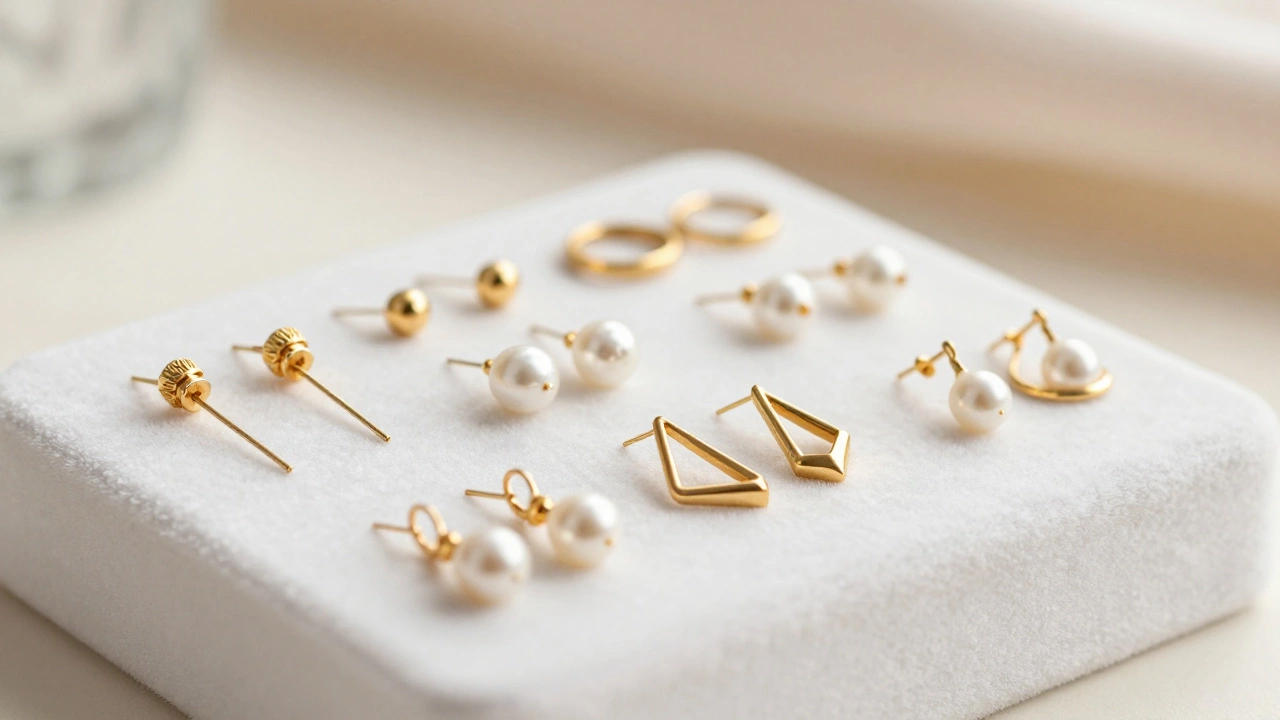
Earrings win the sales race for three main reasons: price point, versatility, and gifting culture. A pair of simple gold-plated studs costs significantly less than a matching necklace or bracelet set. This lower barrier to entry means customers buy them impulsively. You might walk into a store for shoes and leave with three pairs of earrings because they fit within a quick budget decision.
Versatility plays a huge role too. Humans have two earlobes, which naturally doubles the potential for variety compared to a single nose ring or one wrist. People rotate earrings based on outfits, weather, and mood. In the handmade community, stud earrings and dangles are the easiest entry points for beginners using basic kits. They require fewer findings (the metal connectors and clasps) and less complex assembly, making them perfect for quick production runs.
Gifting is the third pillar. Birthdays, anniversaries, and holidays often call for small, thoughtful gifts. Earrings fit this niche perfectly. They feel personal but aren’t as high-stakes as rings. When you’re planning your inventory or choosing a kit, remember that small, delicate designs often outsell large, heavy statements because they appeal to a wider daily-wear audience.
The Rise of Handmade Necklaces and Bracelets
While earrings lead in volume, necklaces and bracelets hold strong second and third places, particularly in the artisan market. Here, the story isn’t just about mass production; it’s about storytelling. A customer buying a handmade beaded necklace often connects with the maker’s style or the unique color palette.
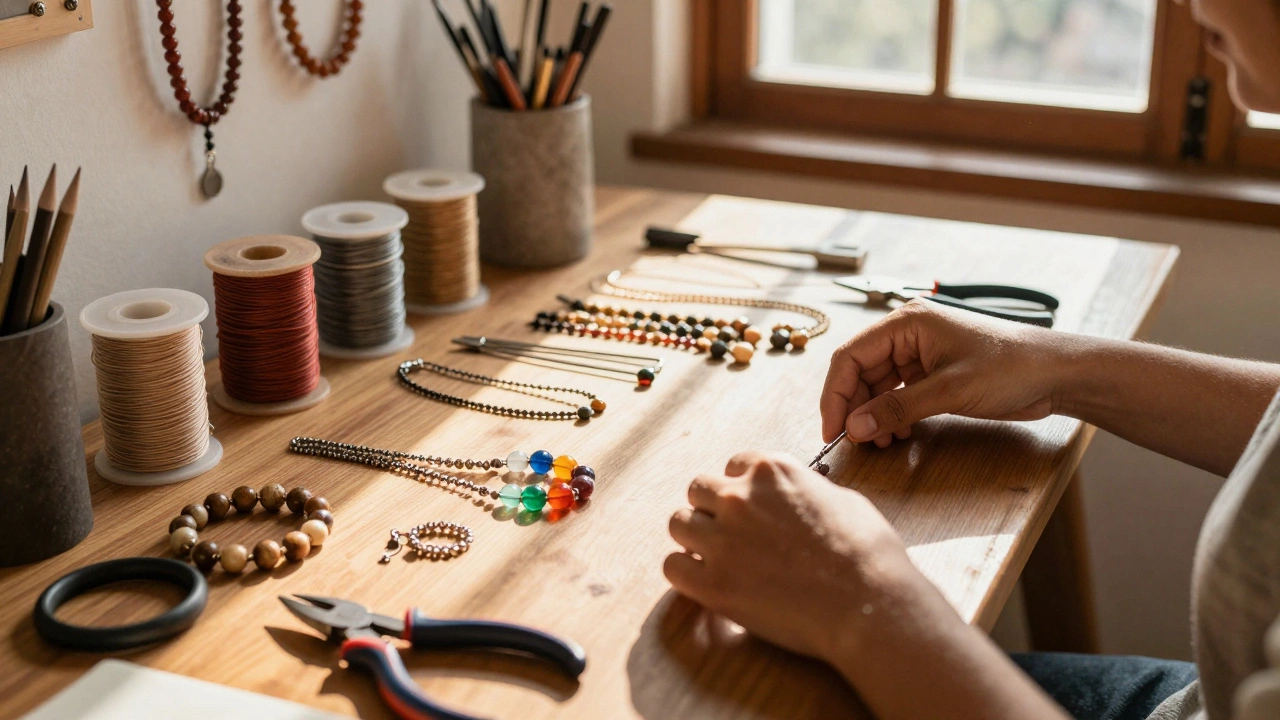
Beaded jewelry has seen a massive resurgence thanks to social media trends. Think of the colorful, chunky beads that became popular in recent years. These are highly accessible for makers. If you purchase a comprehensive jewelry making kit, you’ll likely find spools of elastic cord, pliers, and assorted beads ready to go. Bracelets, specifically, are fantastic for beginners because they don’t usually require intricate clasp mechanisms if made with elastic stringing. They slip on and off easily, reducing customer complaints about broken clasps-a common issue for new sellers.
Necklaces, however, allow for higher profit margins. A well-designed pendant with a chain can command a premium price. The key here is balance. If you’re making layered necklaces, ensure the chains are durable. Cheap nickel chains tarnish quickly, leading to returns and bad reviews. Investing in sterling silver or high-quality stainless steel findings pays off in repeat customers.
Factors That Drive Jewelry Sales
Understanding why certain pieces sell requires looking beyond the metal and stones. Several psychological and practical factors influence buyer behavior:
- Trend Cycles: Fashion moves fast. Minimalist thin chains might be hot one year, while chunky link chains dominate the next. Keeping an eye on runway shows and influencer styles helps you stay relevant.
- Material Perception: Customers associate value with specific materials. Gold-filled and sterling silver are perceived as higher quality than base metals. Even if the cost difference is small for you, labeling your materials accurately builds trust.
- Personalization: Customizable items, like name necklaces or birthstone rings, consistently outsell generic versions. People love owning something that feels uniquely theirs. Adding a simple engraving option or allowing customers to pick bead colors can boost sales significantly.
- Comfort and Weight: Heavy jewelry falls out of favor for daily wear. Lightweight designs that don’t tangle or irritate the skin are preferred. Always test your creations yourself before listing them.
Choosing the Right Jewelry Making Kit
If you’re inspired to start making these best-selling items, selecting the right tools is half the battle. Not all jewelry making kits are created equal. Some are designed for children with plastic beads and glue, while others cater to serious hobbyists with professional-grade pliers and gemstones.
For adults looking to create sellable pieces, look for kits that include:
- Essential Tools: Round-nose pliers, chain-nose pliers, and wire cutters are non-negotiable. These allow you to create loops, secure findings, and trim excess wire cleanly.
- Quality Findings: Check if the kit includes jump rings, ear wires, and clasps. Tarnish-resistant materials are crucial for longevity.
- Variety of Beads: A good mix of sizes and materials (glass, wood, metal) lets you experiment with different textures and weights.
- Instructions: Clear guides help you learn techniques like wire wrapping or knotting without frustration.
Avoid kits that seem too cheap. Low-quality tools bend easily and frustrate users, leading to abandoned projects. Investing in a slightly more expensive starter kit ensures you produce professional-looking results from day one.
Common Mistakes New Makers Make
Even with the best intentions, new jewelers often stumble on avoidable errors. One major pitfall is underpricing. Many beginners calculate only the cost of materials, forgetting to factor in their time, packaging, and platform fees. If a bracelet takes you two hours to make and sells for $10, you’re earning less than minimum wage. Price your work fairly to sustain your passion.
Another mistake is ignoring durability. A beautiful piece that breaks after one wear will hurt your reputation. Test your knots, check your solder joints, and ensure clasps snap securely. Customer reviews hinge heavily on quality control.
Finally, don’t neglect photography. In online sales, the image is the product. Poor lighting or blurry photos make even exquisite jewelry look amateurish. Use natural light, clean backgrounds, and close-ups to showcase details. Your visuals should tell the customer exactly what they’re getting.
Future Trends in Jewelry Sales
Looking ahead, sustainability is becoming a major driver. Consumers increasingly prefer recycled metals and ethically sourced stones. Highlighting eco-friendly practices in your marketing can attract conscious buyers. Additionally, modular jewelry-pieces that can be mixed and matched or worn in multiple ways-is gaining traction. These designs offer more value for money, appealing to budget-conscious shoppers who still want variety.
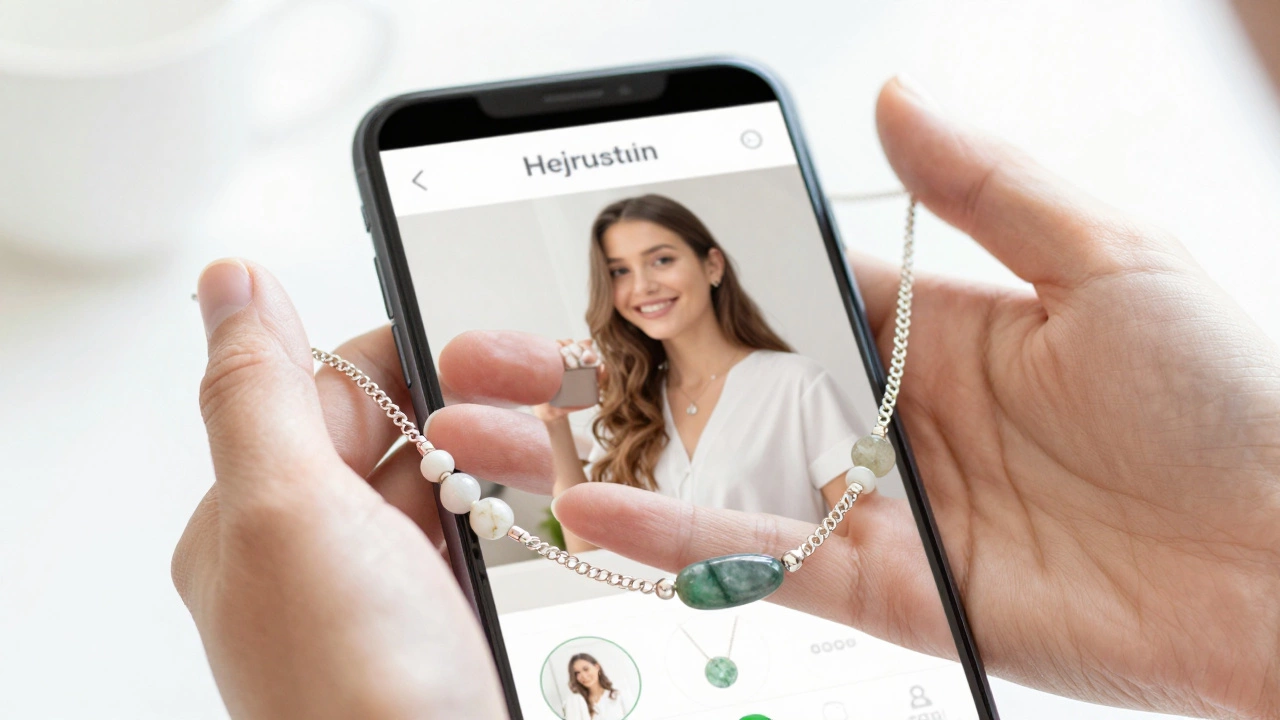
Technology also plays a role. Virtual try-on apps and augmented reality features are helping online shoppers visualize how jewelry looks on them, reducing hesitation and increasing conversion rates. As a maker, embracing these digital tools can give you an edge in a crowded market.
Is it profitable to sell handmade jewelry?
Yes, it can be very profitable if you price correctly and target the right niche. Focus on high-margin items like personalized necklaces or unique earrings. Keep material costs low by sourcing bulk supplies, and invest time in learning efficient techniques to speed up production.
What jewelry making kit is best for beginners?
Look for a kit that includes essential pliers, a variety of beads, and clear instructions. Avoid overly complex sets with specialized tools you won’t use immediately. Start with simple stringing or wire-wrapping projects to build confidence before moving to advanced techniques.
Do men buy as much jewelry as women?
Women generally drive higher volume sales, especially in earrings and delicate necklaces. However, men’s jewelry, particularly watches, rings, and minimalist chains, is growing steadily. Don’t overlook this market; simple, masculine designs can have loyal customers.
How do I price my handmade jewelry?
Use the formula: (Cost of Materials + Labor) x 2 = Wholesale Price. Then multiply the wholesale price by 2 to get your retail price. This ensures you cover costs, pay yourself fairly, and leave room for discounts or marketplace fees.
Where can I sell my handmade jewelry online?
Popular platforms include Etsy, Shopify, Amazon Handmade, and local craft fairs. Social media markets like Instagram and Facebook are also effective for building a direct following. Choose platforms that align with your target audience and budget.