Jewelry Resale Value Estimator
Asset Details
Analysis Result
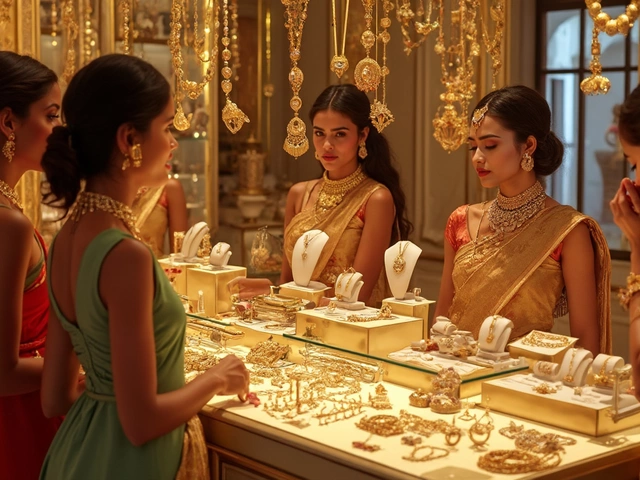
You just bought that stunning necklace or the perfect pair of earrings. It looks incredible on you. But have you ever wondered what happens if you need to sell it five years from now? Most people assume their jewelry is an investment. In reality, for most brands, it’s a liability the moment you walk out of the store. The harsh truth is that retail markup kills resale value instantly.
However, not all jewelry is created equal. Some pieces hold their worth surprisingly well, while others plummet in value. If you are looking at gold jewellery designs or high-end diamonds, knowing which brands retain value can save you thousands. Let’s break down why some jewelry holds its weight and others don’t.
The Retail Markup Trap: Why You Lose Money Immediately
Before we talk about specific brands, you need to understand the math behind jewelry pricing. When you buy a piece of jewelry, you aren't just paying for the metal and stones. You are paying for the brand name, the marketing campaign, the boutique rent, the sales staff, and the profit margin.
Consider a simple gold chain. If the raw gold cost is $500, the retailer might sell it to you for $1,200. That extra $700 covers overhead and profit. When you try to sell that chain back, no one cares about the brand story or the fancy box. Buyers only care about the intrinsic value of the materials. They will offer you close to the $500 gold spot price, maybe slightly more if it’s in pristine condition. You’ve already lost 58% of your money before you even made the first sale call.
This is true for almost every fashion-forward jewelry brand. Their value lies in aesthetics and status, not asset retention. To find jewelry that holds its value, you must look for brands where the material value outweighs the branding premium, or brands with a dedicated secondary market.
Gold Purity and Hallmarks: The Foundation of Value
If you are buying gold, the single biggest factor in retaining value is purity. In India and many other markets, 22-karat gold is the standard for jewelry because it balances durability with high gold content. 24-karat is too soft for daily wear, while 18-karat has less actual gold by weight.
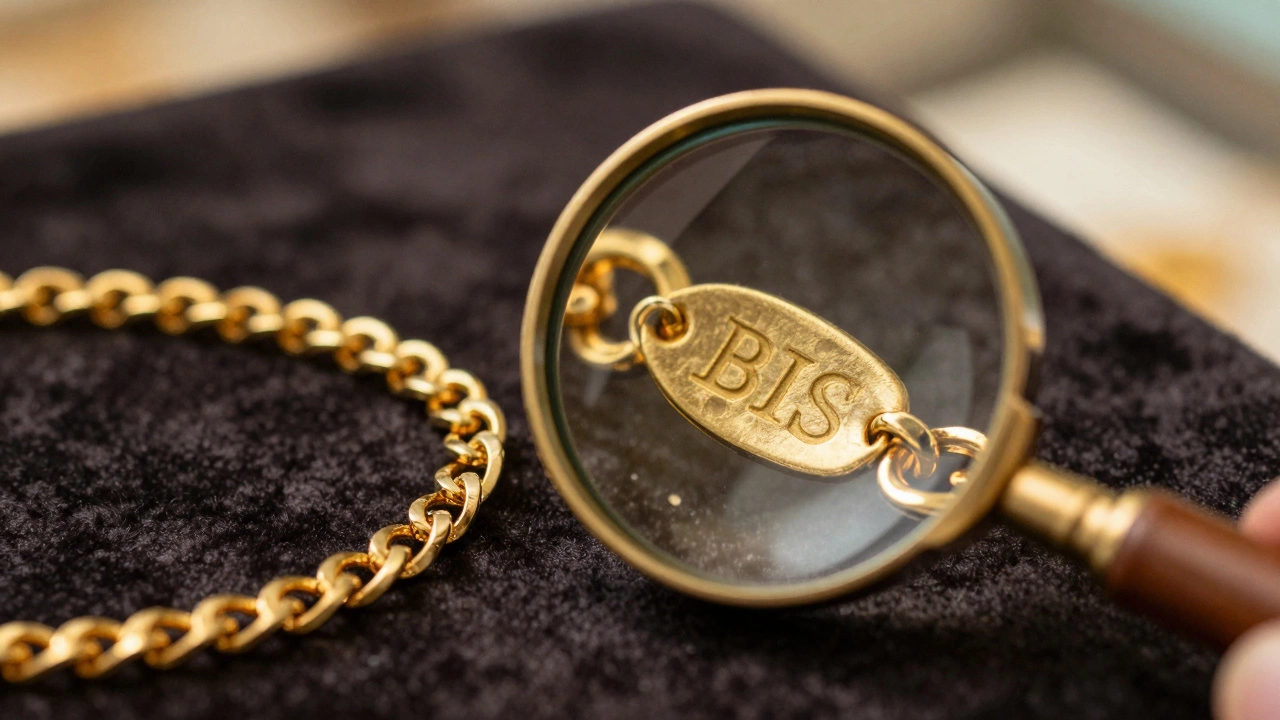
Brands that adhere strictly to BIS (Bureau of Indian Standards) hallmarks in India or equivalent international standards ensure transparency. When you sell hallmark-certified gold, buyers trust the purity without needing to test it extensively. This trust speeds up the transaction and ensures you get closer to the market rate.
Look for brands that clearly display the making charges separately from the gold price. High making charges are essentially fees that disappear upon resale. Brands like Tanishq, Malabar Gold & Diamonds, and Joyalukkas are known for transparent pricing structures. While they still charge for craftsmanship, their massive scale and reputation mean their pieces are easily accepted by any pawnshop or jeweler globally, minimizing friction when selling.
Diamonds: The Liquidity Illusion
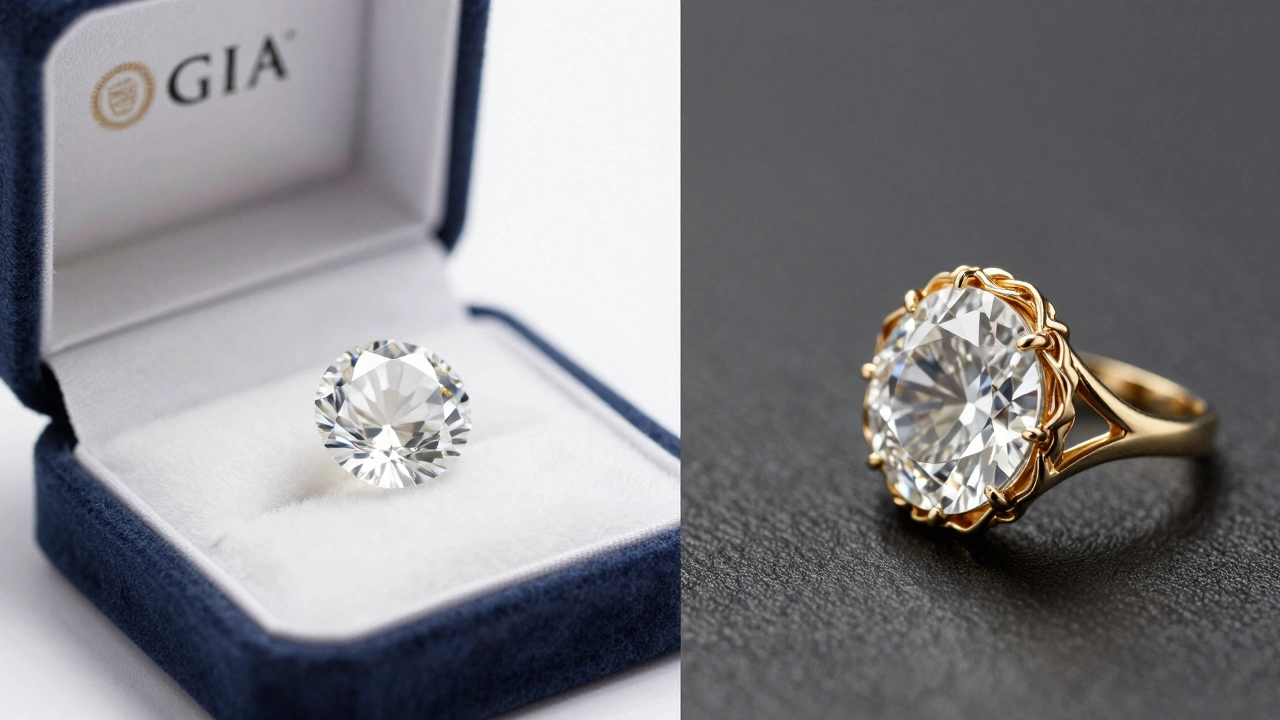
Diamonds are often marketed as the ultimate store of value. The reality is much more complex. Loose diamonds held in certified boxes (GIA or IGI certified) retain value better than diamonds set in jewelry. Once a diamond is set into a ring or pendant, you lose the ability to sell the stone individually. You are forced to sell the entire piece, which includes the setting metal and the labor cost-both of which have low resale value.
For diamonds to hold value, they need to be:
- Certified: GIA (Gemological Institute of America) is the gold standard. Other labs like IGI are acceptable but may fetch slightly lower prices in certain markets.
- High Quality: Only diamonds with excellent cut, clarity (VVS or higher), and color (D-F) hold significant resale value. Commercial-grade diamonds (I-J color, SI clarity) drop sharply in value because the supply is abundant.
- Loose: As mentioned, unset stones are easier to liquidate through specialized dealers.
Brands that specialize in loose diamond sales, such as Blue Nile or local independent jewelers who source directly, often provide better value retention than luxury brands that bundle diamonds with expensive settings.
Luxury Watchmakers vs. Jewelers: An Unexpected Winner
Here is a controversial take: If you want jewelry-like accessories that actually appreciate or hold value, look at luxury watches, not traditional necklaces. Certain watch brands function as both timepieces and wearable art.
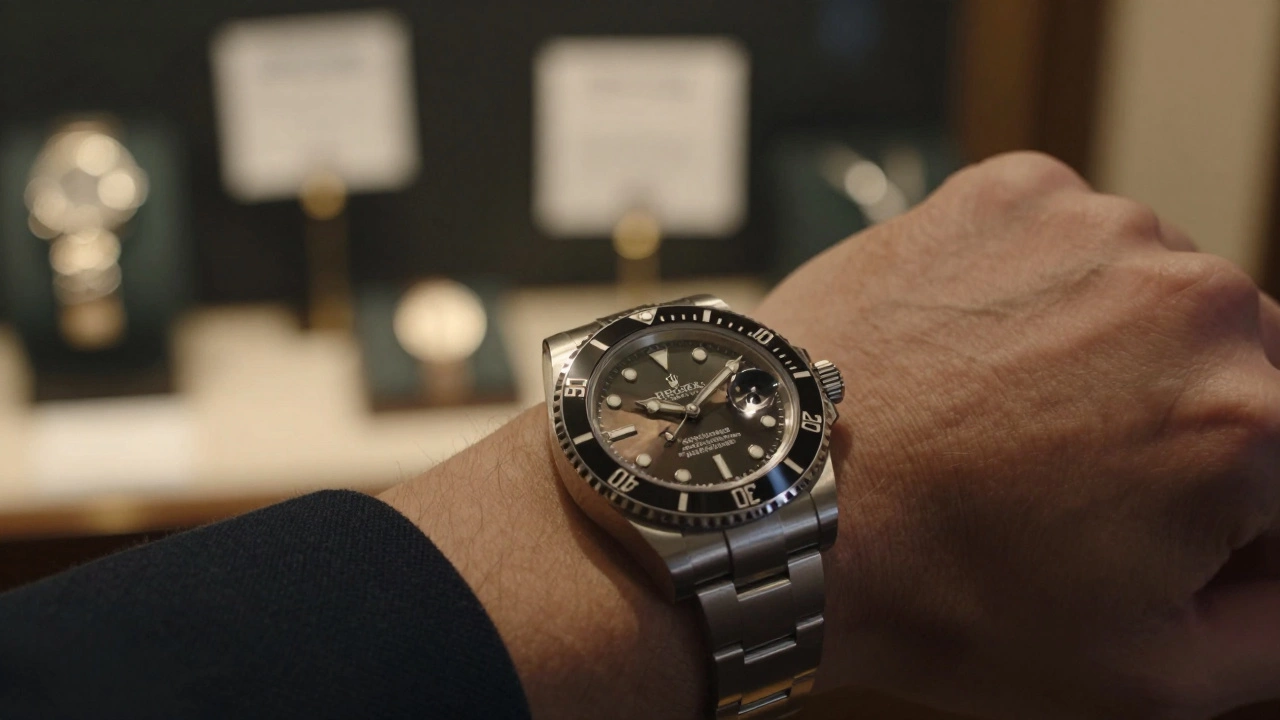
Rolex, Patek Philippe, and Audemars Piguet are the holy trinity here. A Rolex Submariner or Daytona often sells for more on the secondary market than its retail price. Why? Because these brands control supply strictly and have a cult-like following. The brand equity is so strong that it overrides the typical depreciation curve.
Compare this to a Cartier Love Bracelet. While iconic, it rarely appreciates significantly above its retail price unless it’s a vintage piece in mint condition. Watches have mechanical complexity and horological heritage that justify their price tag to collectors. Traditional jewelry is largely decorative. For pure value retention, a limited-edition Rolex beats a solid gold bangle every time.
| Category | Key Value Driver | Resale Difficulty | Best Brands/Examples |
|---|---|---|---|
| Hallmarked Gold | Metal Spot Price | Low (Easy to sell) | Tanishq, Malabar, Local BIS-certified jewelers |
| Loose Diamonds | GIA Certification & Rarity | Medium (Requires specialist) | Blue Nile, Independent Dealers |
| Luxury Watches | Brand Scarcity & Demand | Low (High demand) | Rolex, Patek Philippe |
| Fashion Jewelry | Aesthetics Only | Very High (Near zero value) | Pandora, Swarovski, Local Boutique Brands |
| Vintage Antique | Rarity & Craftsmanship | High (Niche buyers) | Estate Sales, Auction Houses |
The Role of Documentation and Provenance
Imagine trying to sell a car without the registration papers. It’s a nightmare. Jewelry is similar. The best piece of advice for retaining value is to keep every single document related to your purchase.
This includes:
- Original Receipts: Proof of purchase date and price.
- Certificates: Gemological reports for diamonds or colored stones.
- Weight Certificates: Documents stating the exact weight of gold and stones at the time of purchase.
- Appraisals: Independent valuations updated every few years.
When you approach a buyer, having this paperwork reduces their risk. They don’t have to guess if the gold is plated or if the diamond is synthetic. Transparency builds trust, and trust commands a higher price. Brands that provide comprehensive digital records, like some modern fintech-integrated jewelers, give you an edge here.
Antique and Vintage Pieces: A Different Game
Sometimes, the older the piece, the better the value. Antique jewelry, particularly from distinct eras like Victorian, Art Deco, or Mughal (in the Indian context), holds value due to historical significance and craftsmanship that cannot be replicated today.
A Mughal-era jade brooch or an Art Deco platinum ring isn’t valued just by its gold weight. Collectors pay for the design, the history, and the rarity. However, this market is illiquid. You won’t find a buyer around the corner. You’ll likely need to go through auction houses like Sotheby’s or Christie’s, or specialized antique dealers. The commission fees are high, but the final sale price can exceed the intrinsic material value significantly.
If you are buying antiques, focus on condition. Damage drastically reduces value. A cracked gemstone or a broken clasp on a vintage piece can turn a potential treasure into a repair project that costs more than the piece is worth.
Practical Tips for Buying Jewelry That Holds Value
If your goal is to preserve wealth, change how you shop. Stop looking for the shiniest display case and start looking at the balance sheet of the materials.
- Buy Gold, Not Making Charges: Choose simpler designs. Intricate filigree work requires high labor costs. A plain gold band retains more percentage of its value than a heavily worked bracelet because the labor cost is negligible.
- Invest in Loose Stones: If you love diamonds, buy loose, certified stones and set them later. This keeps the asset liquid.
- Avoid Trend-Driven Pieces: Fashion trends fade. A chunky statement necklace popular today might look dated in five years. Stick to classics: solitaire rings, simple chains, stud earrings.
- Check the Secondary Market First: Before buying a new luxury item, check eBay, Chrono24 (for watches), or local pawn shops. See what used ones are selling for. If the gap between new and used is huge, think twice.
- Consider Insurance: High-value jewelry should be insured. While insurance doesn’t help resale, it protects against total loss, which is the worst-case scenario for an investment.
Conclusion: Jewelry as Passion, Not Portfolio
Let’s be clear. Jewelry is primarily for adornment, emotional connection, and cultural expression. Expecting it to perform like a stock or a bond is usually a mistake. However, by choosing high-purity gold, certified loose diamonds, or scarce luxury watches, you can minimize the financial hit when you decide to part with them.
The brands that hold value best are those that prioritize material integrity over marketing hype. In the world of gold, trust the hallmark. In diamonds, trust the certificate. And in luxury goods, trust the scarcity. Buy what you love, but buy smartly.
Does Tanishq jewelry hold its value?
Tanishq jewelry holds value reasonably well compared to other retail brands because it uses BIS-hallmarked gold and has a strong brand reputation. However, you will still lose the making charges and GST upon resale. The gold itself will be sold at the current market rate minus a small processing fee.
Which diamond brand is best for resale?
No specific diamond brand guarantees high resale value. Instead, look for diamonds certified by GIA (Gemological Institute of America). Loose diamonds from reputable dealers like Blue Nile or local certified wholesalers retain value better than branded sets because you can sell the stone independently of the setting.
Do luxury watches hold more value than gold jewelry?
Yes, certain luxury watches like Rolex and Patek Philippe often appreciate or hold their value better than gold jewelry. This is due to brand scarcity, collector demand, and mechanical complexity. Gold jewelry typically depreciates by the amount of making charges and taxes paid at purchase.
How do I sell my old jewelry for the best price?
To get the best price, gather all original certificates and receipts. Compare offers from multiple sources: local jewelers, pawnshops, and online platforms like eBay or specialized jewelry resale sites. For high-value items, consider auction houses. Always know the current spot price of gold and recent sales data for similar diamonds before negotiating.
Is 22-karat or 18-karat gold better for value retention?
22-karat gold contains more pure gold (91.6%) than 18-karat (75%), so it generally holds more intrinsic value per gram. However, 18-karat gold is often used in high-end designer pieces with significant brand premiums. For pure value retention based on metal weight, 22-karat is superior. For brand-driven value, 18-karat luxury pieces may have a niche market.