Gold Karat Selector
Find Your Perfect Gold Karat
Answer a few quick questions to get personalized recommendations for your jewelry purchase.
When you walk into a jewelry store looking for a necklace, ring, or mangalsutra, the first thing you’ll hear is karat. But what does that number really mean? And more importantly - which karat is actually best for you? It’s not just about shine or status. It’s about durability, cost, and how the piece will hold up in your daily life.
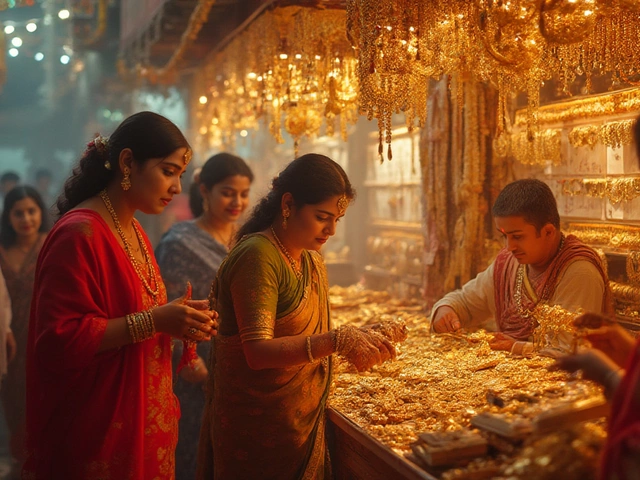
Gold purity isn’t a one-size-fits-all choice. In India, you’ll see 22k, 18k, and sometimes 24k gold sold everywhere - from family-run shops in Mumbai to big branded showrooms. But not all of them are made for the same purpose. If you buy the wrong karat, you might end up with a piece that bends easily, turns your skin green, or costs way more than it should.
What Does Karat Even Mean?
Karat (spelled with a ‘k’) measures how much pure gold is in an alloy. Pure gold is 24k. That means 24 out of 24 parts are gold. But pure gold is too soft to make jewelry you can wear every day. It dents when you bump into a table. It scratches just from being in your purse. That’s why jewelers mix gold with other metals like copper, silver, or zinc. These metals make the gold harder and more durable.
Here’s how it breaks down:
- 24k gold = 99.9% pure gold
- 22k gold = 91.6% pure gold
- 18k gold = 75% pure gold
- 14k gold = 58.3% pure gold
- 10k gold = 41.7% pure gold
In India, 22k is the most common for traditional jewelry. But that doesn’t mean it’s always the best.
24k Gold: Pure, But Not Practical
You might think 24k gold is the best because it’s the purest. And yes, it has the brightest yellow color and highest resale value. But here’s the catch: it’s almost impossible to make intricate designs with it. A 24k gold bangle? It’ll bend if you sneeze wrong. A 24k ring? It’ll lose its shape after a few months of wear.
Most 24k gold jewelry you see in stores is actually for investment - like gold bars or coins. Some temples use 24k for idols or ceremonial pieces because they’re not worn. For everyday jewelry? Skip it. You’re paying extra for purity you can’t use.
22k Gold: The Indian Standard - And Why It Works
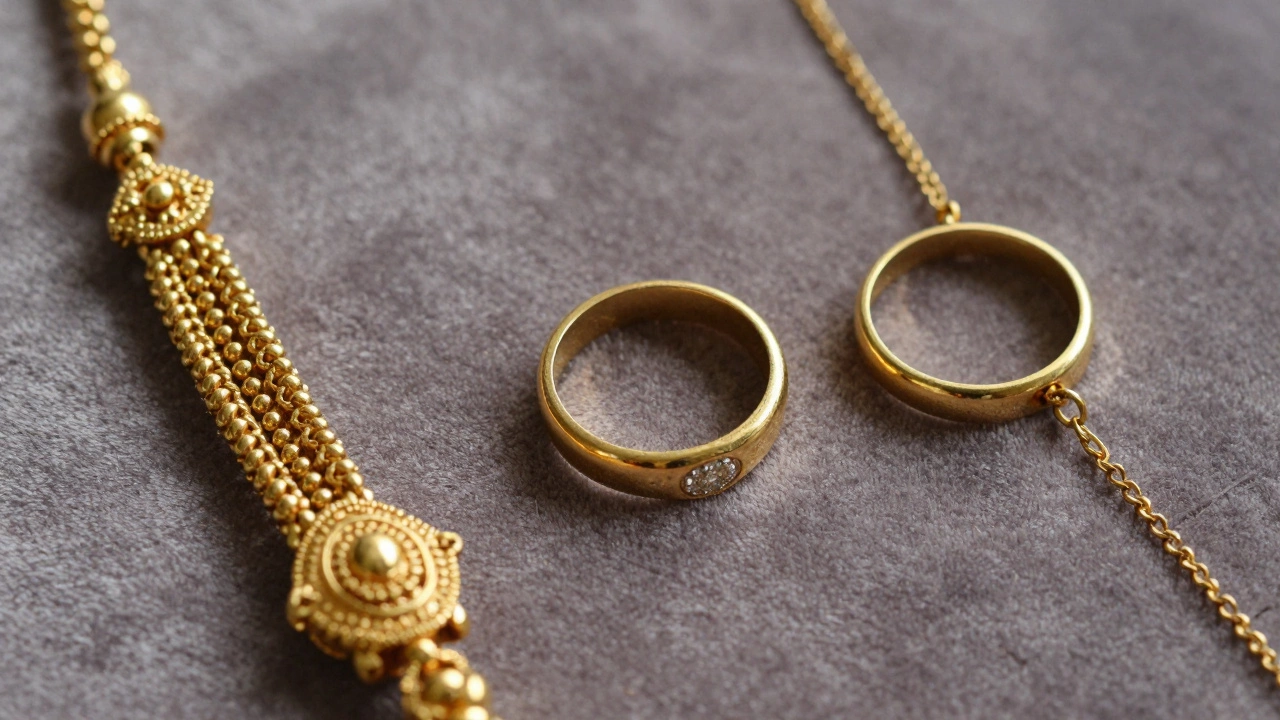
In India, 22k gold is the default for weddings, festivals, and family heirlooms. It’s what your mother or grandmother likely wore. With 91.6% gold, it keeps that rich yellow glow that people associate with real gold. It’s also easy to cast into traditional designs - think jhumkas, heavy mangalsutras, or temple necklaces.
But here’s what most people don’t tell you: 22k gold still isn’t tough. If you work with your hands, do housework, or live an active lifestyle, you’ll notice dents and scratches within months. A 22k gold chain can stretch if you pull it accidentally. A 22k ring can wear thin at the bottom if you wear it daily.
Still, for ceremonial pieces meant to be stored and worn only on special days - 22k is perfect. It holds its value well. It’s accepted everywhere for resale. And it’s what most jewelers in India use for traditional designs.

18k Gold: The Sweet Spot for Modern Wear
If you want jewelry you can wear to work, to the gym, or while cooking, go for 18k. At 75% gold, it still looks rich and golden. But the extra 25% of alloy metals - usually silver, copper, or palladium - makes it much stronger. It resists scratches better. It holds its shape longer. And it’s easier to set with small diamonds or stones.
Many young couples in Mumbai and Delhi are choosing 18k for engagement rings, everyday earrings, and thin chains. It’s lighter than 22k, so it’s more comfortable for all-day wear. And because it’s harder, it lasts longer without needing repairs.
One thing to watch: 18k gold can look slightly paler than 22k. If you’re used to the deep yellow of traditional gold, the difference might surprise you. But that’s just the alloy at work. It’s not lower quality - it’s better engineered.
14k and Below: For Budget Buyers and International Styles
14k gold is common in the US, Europe, and Canada. It’s durable, affordable, and great for daily wear. But in India, it’s not as popular - mostly because the gold color is noticeably lighter. Some people mistake it for fake gold. But it’s real. And it’s perfectly safe.
14k is ideal if you’re on a budget, want minimalist designs, or plan to wear your jewelry every single day. You’ll find it in thin hoops, delicate pendants, and stackable rings. It’s also the best choice if you have sensitive skin - the lower gold content means fewer alloys that can cause reactions.
10k gold? It’s even cheaper and tougher, but the color is pale. You’ll see it mostly in imported fashion jewelry. In India, it’s rarely sold as traditional gold. If you see a 10k piece marketed as “Indian gold,” double-check the hallmark.
How to Spot Real Gold
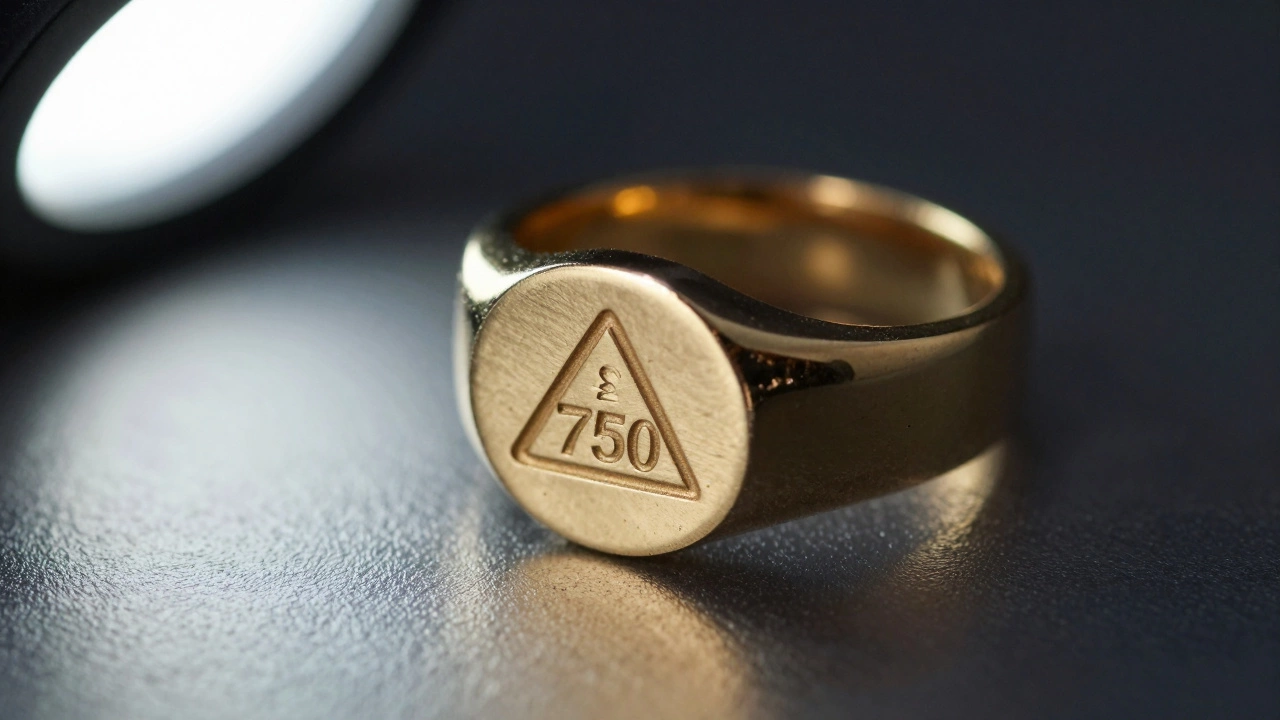
With so many fake or plated pieces out there, you need to know how to tell real gold from the rest. Always look for the BIS hallmark - the Bureau of Indian Standards mark. It’s a triangle with numbers inside. For 22k, you’ll see “916”. For 18k, “750”. For 14k, “585”.
Also check for the jeweler’s mark - a logo or initials stamped on the piece. Reputable jewelers in Mumbai, Jaipur, or Surat always stamp their gold. If there’s no hallmark, walk away. No exceptions.
Don’t rely on magnet tests or vinegar tricks. Those don’t work reliably. Only the BIS hallmark is legally recognized in India.
What’s Best for You?
Here’s a simple way to decide:
- Choose 22k if you’re buying for weddings, festivals, or as an heirloom. You want the traditional look and maximum resale value.
- Choose 18k if you wear jewelry daily - to work, travel, or run errands. You want durability without sacrificing gold color.
- Choose 14k if you’re on a tight budget, want modern designs, or have sensitive skin.
- Avoid 24k for any jewelry you plan to wear regularly.
There’s no such thing as “the best” karat. Only the best karat for your life.
Resale Value: Does Karat Matter?
Yes - but not how you think. When you sell old gold jewelry, buyers don’t care if it’s 22k or 18k. They care about the gold content. A 22k necklace with 10 grams of gold has more pure gold than an 18k necklace with 8 grams. So weight matters more than karat.
But here’s the twist: 22k gold is easier to sell in India. Most gold buyers, from local pawn shops to big chains, expect 22k. If you bring in 18k, they’ll still pay you for the gold, but they might try to lowball you because it’s “not standard.” So if resale is important, stick with 22k.
Final Tip: Ask for the Weight and Purity
Always ask for two things before you pay:
- The gross weight of the piece (including stones or other metals)
- The net gold weight (how much pure gold is actually in it)
Some jewelers charge you for the whole piece - even the clasp or the diamond setting. But you’re only paying for the gold. Make sure you’re not overpaying for metal you don’t want.
And if they won’t give you the net weight? Find another jeweler. You deserve transparency.
Gold isn’t just a metal. It’s tradition. It’s investment. It’s emotion. But it’s also a product. And like any product, you need to choose it wisely - not just by what looks beautiful, but by what works for your life.