Jewelry Trend & Profitability Analyzer
Select your target audience and style preference to discover which jewelry trends are currently driving sales in 2026.
You’ve spent hours soldering, setting stones, or designing on your computer. You launch the listing. And then... silence. Or worse, a flurry of views but zero sales. If you are wondering what kind of jewelry sells well, you are not alone. The gap between "pretty" and "profitable" is where most new creators get stuck. In 2026, the market has shifted dramatically. It’s no longer just about who makes the shiniest ring; it’s about who understands the specific psychological triggers of modern buyers.
The good news? The demand for unique, meaningful, and affordable luxury is higher than ever. But to capture that revenue, you need to stop guessing and start looking at the data. Here is exactly what is moving units right now, broken down by style, material, and buyer psychology.
The Dominance of Minimalist Gold Vermeil
If there is one category that consistently outsells everything else in the current landscape, it is minimalist gold vermeil. Why? Because it hits the sweet spot between affordability and perceived value. Solid gold is often priced out of reach for impulse buyers, while cheap brass plating tarnishes too quickly, leading to bad reviews. Gold vermeil-sterling silver dipped in thick layers of real gold-offers the look of luxury without the luxury price tag.
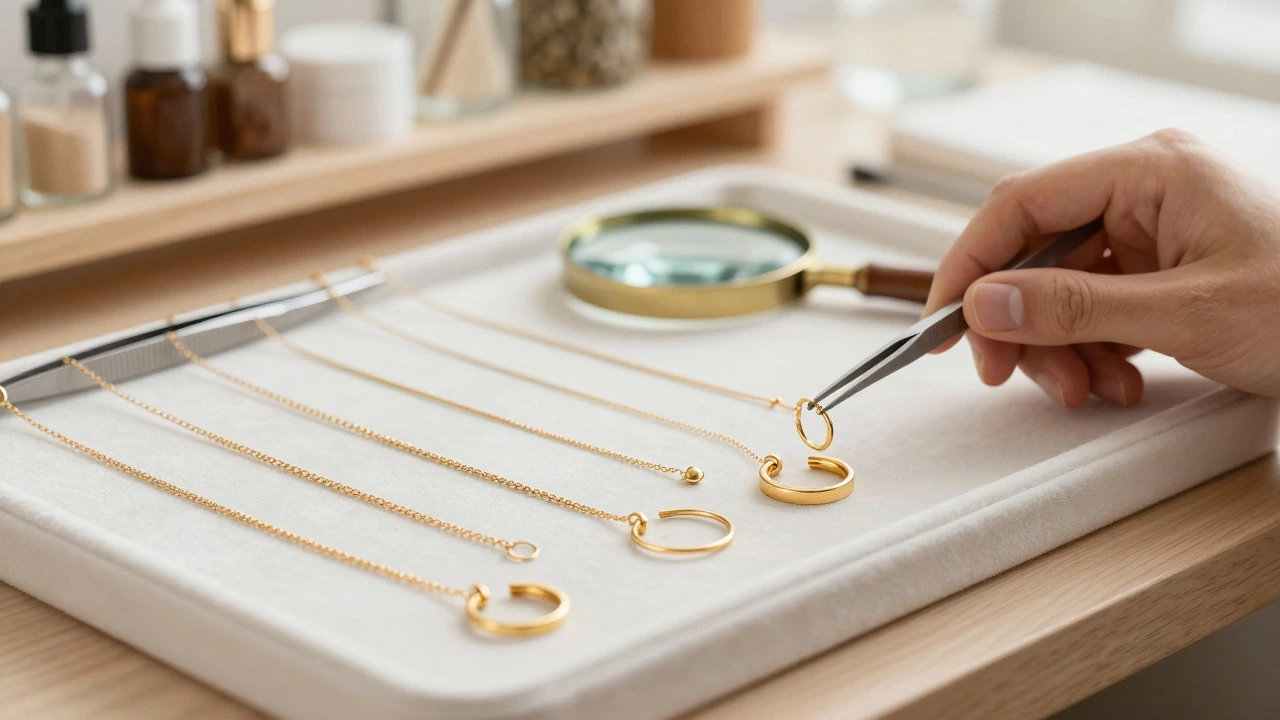
Think simple hoops, delicate chain necklaces, and signet rings. These pieces are designed to be stacked and layered. Buyers aren’t just purchasing one item; they are buying a system. When you sell a set of three thin chains rather than one chunky statement piece, you increase your average order value naturally. The aesthetic is clean, professional, and works for both office wear and weekend outings. This versatility is key. A customer wants to know that the earrings she buys today will match her outfit tomorrow.
| Material | Price Point | Durability | Target Audience |
|---|---|---|---|
| Gold Vermeil | $50 - $150 | High (with care) | Young professionals, gift buyers |
| Sterling Silver | $30 - $80 | Medium (tarnishes) | Budget-conscious teens/students |
| Solid Gold (14k) | $200+ | Very High | Luxury collectors, investment buyers |
| Semi-Precious Stones | $40 - $120 | Varies | Boho style enthusiasts, spiritual seekers |
Personalization: The Ultimate Sales Driver
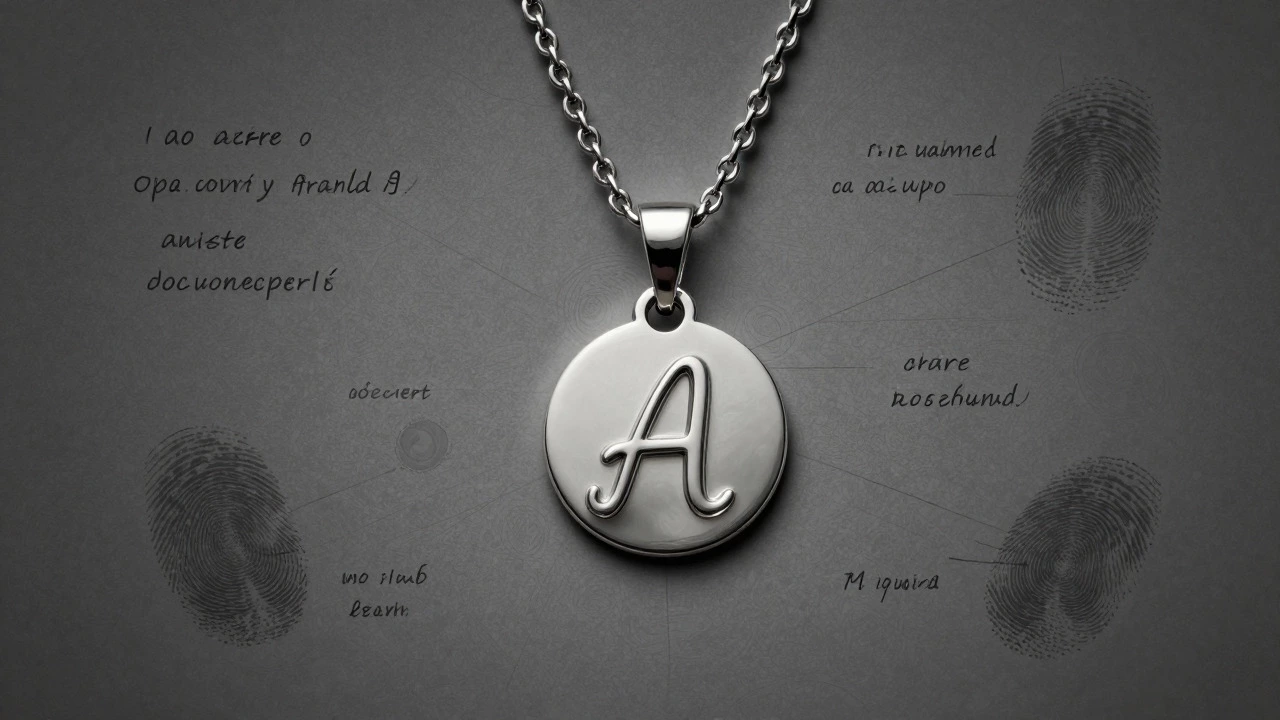
In a world flooded with mass-produced fast fashion, personalization is the antidote. Jewelry that features names, birthstones, coordinates, or fingerprints doesn’t just sit on a shelf; it tells a story. Data from major e-commerce platforms shows that personalized items have significantly lower return rates because the product is unique to the buyer. If it fits their name or date, it’s not going back.
Consider the popularity of initial necklaces or bracelets engraved with significant dates. These aren’t just accessories; they are emotional anchors. For a seller, this means higher margins. Customers are willing to pay a premium for the effort and sentiment involved. Even small touches, like adding a hidden engraving inside a ring band, can turn a standard sale into a memorable experience. The key here is speed and accuracy. If you offer personalization, your turnaround time must be reliable, or the emotional connection breaks.
The Rise of Sustainable and Ethical Materials
Today’s shoppers, particularly Gen Z and Millennials, are scrutinizing supply chains more than ever before. They want to know where their materials come from. Jewelry made from recycled metals, lab-grown diamonds, or ethically sourced gemstones is not just a niche; it is becoming the standard expectation for many conscious consumers.
Lab-grown diamonds, for instance, offer the same physical and chemical properties as mined diamonds but at a fraction of the cost and with a smaller environmental footprint. Selling these allows you to tap into the bridal and engagement market without the hefty price barrier of traditional mining. Similarly, using recycled silver appeals to buyers who want sustainability without sacrificing style. Highlighting these attributes in your product descriptions isn’t just greenwashing; it’s a critical conversion factor. Be transparent. Show the process. Trust sells.
Statement Earrings and Bold Colors
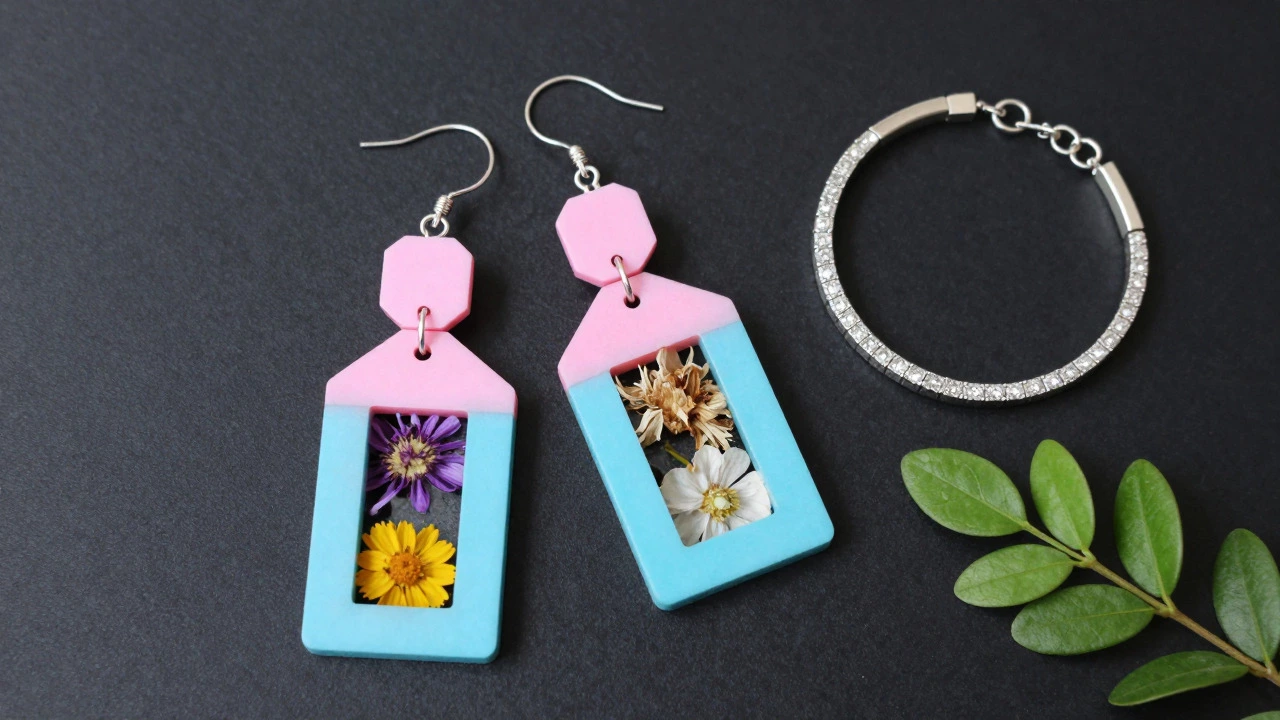
While minimalism dominates daily wear, the opposite end of the spectrum is also thriving: bold, colorful statement pieces. Think resin earrings with dried flowers, large geometric shapes in bright acrylics, or chunky beads. These items serve a different purpose-they are conversation starters. They are often purchased for specific events, festivals, or to express a vibrant personality.
This category thrives on visual appeal. Since these pieces are often worn less frequently than studs or hoops, customers are more willing to experiment with trends. If you are a maker, this is a great place to play with color palettes that reflect current fashion forecasts. For example, if pastel tones are trending in clothing, mirror that in your resin or enamel work. These items often perform exceptionally well during holiday seasons and wedding seasons, acting as affordable luxuries for accessorizing formal outfits.
Stackable Rings and Bracelets
The concept of "mix and match" is powerful. Stackable rings and bracelets encourage multiple purchases. A customer might buy one ring today, but if the design invites stacking, she is likely to return to complete the look. This strategy builds loyalty and increases lifetime customer value.
Design sets that complement each other. Offer a "starter pack" of three rings at a slight discount compared to buying them individually. This reduces the friction of decision-making for the buyer. She doesn’t have to wonder if Ring A matches Ring B; you’ve already done the work for her. This approach works particularly well with textured bands, thin gold wires, and semi-precious stone accents. It transforms jewelry from a single purchase into an ongoing collection.
Niche Spiritual and Wellness Jewelry
There is a growing intersection between fashion and wellness. Jewelry infused with crystals like rose quartz, amethyst, or black tourmaline is seeing a surge in popularity. Buyers are drawn to the metaphysical properties associated with these stones-love, protection, clarity. While the scientific backing may be debated, the emotional resonance is real.
To succeed here, education is part of the product. Explain the meaning behind each stone. Pair a clear quartz point necklace with information about its use in focus and clarity. This adds depth to your brand and attracts a community of like-minded individuals. However, ensure the craftsmanship is high-quality. Spiritual jewelry should still feel luxurious and durable, not like a craft fair trinket. Combining aesthetic beauty with intentional meaning creates a compelling value proposition.
How to Validate Your Ideas Before Making Inventory
Before you cut metal or order beads, validate your ideas. Use social media listening tools to see what hashtags are gaining traction. Look at bestseller lists on platforms like Etsy or Amazon Handmade, but don’t just copy-analyze. What colors are popular? What price points are converting? Are customers complaining about sizing? Clasp quality?
Create small batches first. Test the market with five pairs of earrings instead of fifty. Gather feedback. Adjust your designs based on real-world performance. The goal is to reduce waste and maximize relevance. Remember, trends move fast. What was hot last quarter might be stale today. Stay agile. Keep an eye on celebrity styles, influencer posts, and seasonal shifts. Adaptability is your greatest asset in this industry.
Pricing for Profit, Not Just Cost
A common mistake among new sellers is underpricing. You calculate the cost of materials plus labor and add a tiny margin. This leaves no room for marketing, packaging, or profit. To sell well, your pricing must reflect the perceived value, not just the production cost. Research competitors offering similar quality. Position yourself appropriately. If you offer superior craftsmanship or ethical sourcing, charge accordingly. Clear, confident pricing signals quality to the buyer. Hesitant pricing suggests insecurity.
Also, consider the power of bundles. Offering a 10% discount when buying two items encourages higher cart values. Free shipping thresholds can also drive larger orders. These strategies help cover your fixed costs while making the deal feel generous to the customer.
What is the easiest type of jewelry to make and sell?
Beaded bracelets and simple wire-wrapped pendants are generally the easiest to produce with low startup costs. They require minimal specialized equipment and allow for quick iterations. However, competition is high, so differentiation through unique bead combinations or storytelling is crucial.
Is handmade jewelry still profitable in 2026?
Yes, absolutely. Consumers increasingly value authenticity and uniqueness over mass-produced goods. Handmade jewelry commands higher prices due to the perceived artistry and exclusivity. Success depends on strong branding, effective marketing, and understanding your target audience's preferences.
Which metals are most popular for everyday wear?
Sterling silver and gold vermeil are the top choices for everyday wear due to their balance of durability, hypoallergenic properties, and aesthetic appeal. Titanium is also gaining traction for its strength and lightweight nature, especially in men's jewelry.
How important is packaging for selling jewelry online?
Extremely important. Unboxing is a key part of the customer experience, especially on social media. High-quality, branded packaging enhances perceived value and encourages repeat purchases. It also protects the product during shipping, reducing returns due to damage.
What are the biggest mistakes new jewelry sellers make?
Common pitfalls include underpricing, poor photography, ignoring SEO, and lacking a clear brand identity. Sellers often fail to communicate the story behind their pieces or neglect customer service, which can lead to negative reviews and lost trust.