Nose Piercing Side Selector
Personalize Your Look
Visual Preview
Recommendation
Select your preferences to receive a personalized suggestion based on healing comfort and aesthetic balance.
Walk into any piercing studio in Melbourne or scroll through social media, and you’ll likely hear the same old question: "Which side should I get pierced?" For decades, there has been a persistent rumor that women must pierce their left nostril for health reasons, while men stick to the right. It sounds like a rule carved in stone, but if you’ve ever looked closely at celebrity style icons or traditional Indian brides, you might have noticed something interesting-the rules are far more flexible than people claim.
The truth is, there is no medical or universal biological reason dictating which side a female should choose for a nose piercing. The choice largely depends on personal preference, aesthetic balance, and specific cultural traditions. While some cultures attach deep symbolic meaning to the left side, modern fashion treats the nose as a blank canvas where symmetry-or intentional asymmetry-rules the day.
The Medical Myth: Does the Left Side Affect Health?
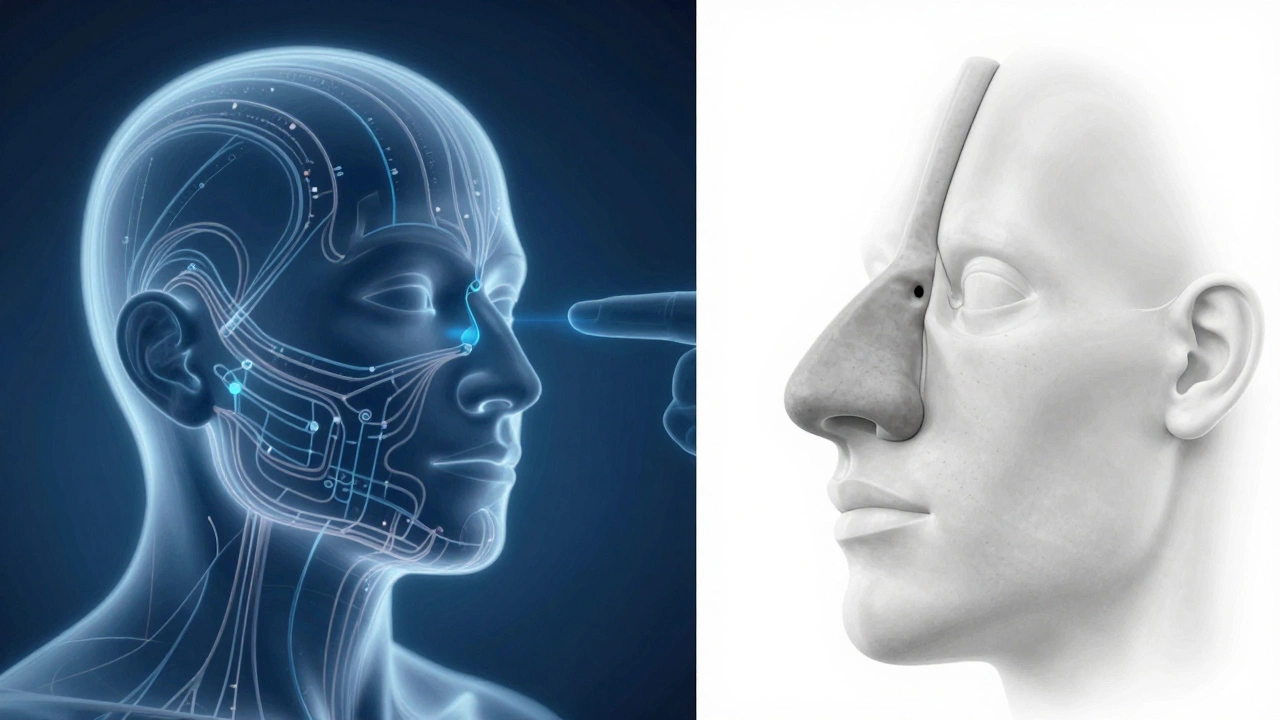
You may have heard from an older relative or a quick internet search that piercing the left nostril helps with menstruation pain or aids childbirth. This belief stems from ancient Ayurvedic medicine, a traditional system of healthcare originating in India. In this framework, the body is mapped with energy channels called nadis. The left side of the body is often associated with the female reproductive system (specifically the Marmani points), leading to the idea that stimulating this area through a piercing could alleviate menstrual cramps or ease labor.
However, modern Western medicine does not support these claims. There is no scientific evidence linking nostril piercing to hormonal regulation or pain relief during childbirth. If you are looking for relief from period pain, a nose ring won’t do the trick; heat packs or over-the-counter medication will be your better bet. That said, understanding this origin helps explain why the "left side for women" rule persists in South Asian communities. It’s less about anatomy and more about heritage.
Cultural Traditions and Symbolism
In many cultures, the nose piercing is not just an accessory; it is a marker of identity, marital status, or spiritual alignment. Understanding these contexts can help you decide if you want to honor a tradition or break away from it.
| Culture/Region | Preferred Side | Symbolic Meaning |
|---|---|---|
| India (Hindu Tradition) | Left | Associated with marriage, fertility, and Ayurvedic health points. |
| Middle East/North Africa | Varies | Often signifies beauty, wealth, or family lineage rather than gender-specific sides. |
| Western Modern Fashion | Either | Focused on aesthetics, facial symmetry, and personal style expression. |
| Ancient Egypt | Varies | Status symbol indicating social standing and protection against evil spirits. |
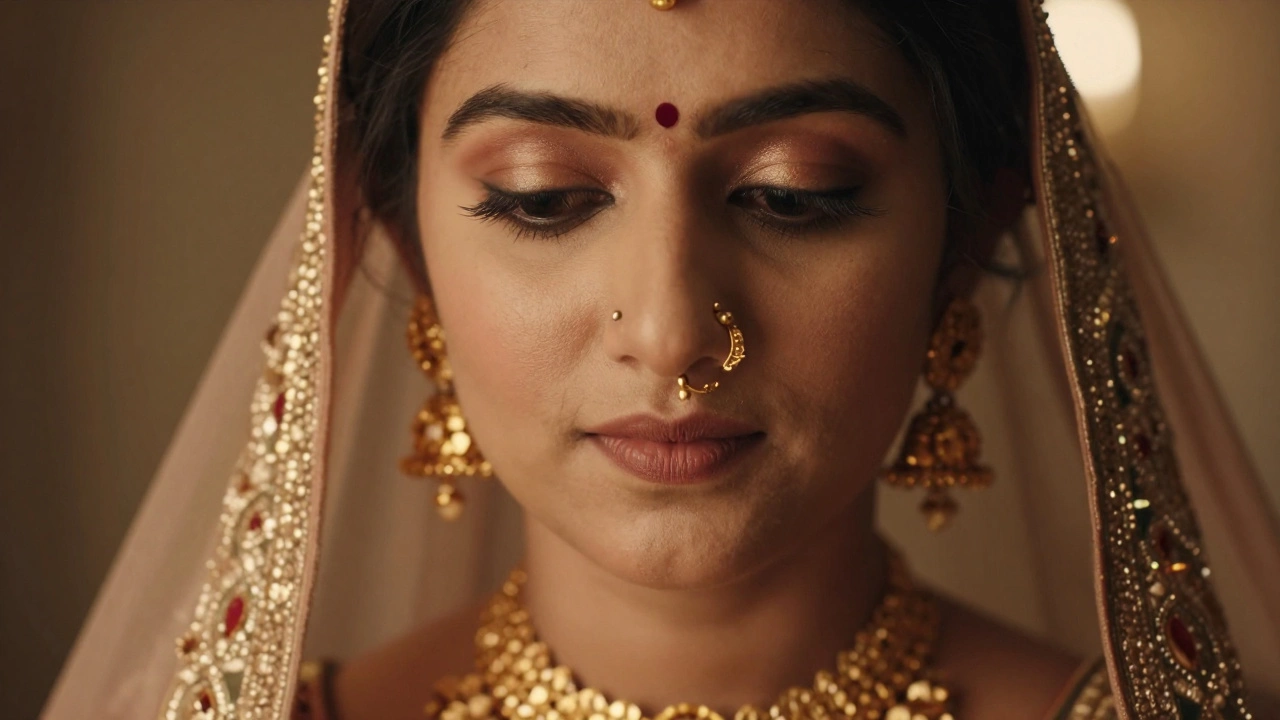
In India, the left nostril piercing (often called a *nath*) is traditionally worn by married women. It serves as a visible sign of their marital status and is deeply embedded in wedding ceremonies. The right side was historically considered less significant for women, though this is changing rapidly among younger generations who view the piercing purely as fashion.
Conversely, in some Middle Eastern and North African cultures, nose rings have been worn for centuries as symbols of beauty and prosperity. Here, the side matters less than the size, material (usually gold), and design of the jewelry. The focus is on adornment and community identity rather than physiological effects.
The Aesthetic Approach: Choosing Based on Your Face
If you aren't bound by cultural tradition, the best way to choose a side is to look in the mirror. Facial symmetry is rare; most people have one side of their face that is slightly different from the other. You might have a mole on one cheek, a scar, or simply prefer how your hair falls to one side.
Here is a simple heuristic to help you decide:
- The Dominant Eye Test: Stand in front of a mirror and cover one eye, then the other. Notice which eye feels more dominant or expressive. Some people feel a piercing balances their face better when placed on the opposite side of their dominant eye.
- Hair Parting: If you always part your hair to the left, a right-side piercing might peek out nicely. If you wear your hair up often, consider which side exposes your nose bridge more prominently.
- Facial Features: Do you have a slight asymmetry in your smile or eyebrows? A nose ring can draw attention to one side, balancing out features that you feel are uneven.
Many modern trendsetters opt for double nostril piercings-one on each side-to achieve perfect symmetry. This approach eliminates the guesswork entirely and allows for matching studs or hoops that create a cohesive look.
Healing and Practical Considerations
Beyond aesthetics and culture, practical daily habits play a huge role in which side you should pick. Think about how you sleep. If you are a dedicated side-sleeper, getting a piercing on the side you crush against your pillow can lead to irritation, delayed healing, and even rejection of the jewelry.
- Sleep Position: If you sleep on your right side, consider piercing the left. This prevents pressure on the fresh wound during the critical first 6-9 months of healing.
- Glasses Wearers: If you wear prescription glasses, check where the arms of your frames rest. A piercing that clashes with your glasses' hinge can be painful and prone to snagging.
- Handedness: Right-handed people might accidentally bump their right nostril more often when rubbing their face or adjusting masks. Piercing the non-dominant side might reduce accidental trauma.
Also, consider the type of jewelry you plan to wear. Hoops tend to catch on clothing, hair, and bedding more easily than studs. If you live an active lifestyle in Melbourne, dealing with wind and outdoor activities, a secure stud on the less obstructive side might be smarter.

Modern Trends: Breaking the Rules
In 2026, the rigid gender norms surrounding body modification have largely dissolved. We see high-profile celebrities, athletes, and influencers rocking nose rings on either side, both sides, or even multiple piercings in various configurations. The "right side for men, left for women" rule is increasingly viewed as an outdated relic rather than a guideline.
Current trends favor individuality. Some people choose the right side simply because it looks better with their specific facial structure. Others alternate sides based on mood or outfit, using magnetic jewelry or clip-ons to switch things up without committing to a new piercing. The rise of minimalist jewelry designs-tiny diamonds, delicate gold bars, and subtle pearls-has also made nose piercings more versatile, allowing them to transition seamlessly from office settings to night outs regardless of which side they are on.
How to Decide: A Quick Checklist
Still unsure? Run through this quick mental checklist before sitting in the chair:
- Do I have a cultural or family tradition I wish to honor? (If yes, follow that path.)
- Which side of my face feels more balanced with a piece of jewelry? (Use the mirror test.)
- Which side do I sleep on? (Avoid that side for easier healing.)
- Do I wear glasses? (Check for clearance.)
- Am I open to double piercings for symmetry?
Ultimately, your nose is yours. The "correct" side is the one that makes you feel confident and comfortable. Whether you lean towards the traditional left for its historical roots or choose the right for aesthetic balance, the decision is deeply personal.
Is it bad luck to get your nose pierced on the right side?
No, it is not bad luck. This belief is largely a superstition rooted in specific regional folklore. In modern society, there is no evidence that the side of your nose piercing affects your luck or future. Many people choose the right side purely for aesthetic reasons.
Does piercing the left nostril really help with menstrual cramps?
While this is a common belief in Ayurvedic medicine, there is no scientific or clinical evidence to support the claim that a nose piercing reduces menstrual pain. It is recommended to rely on proven medical treatments for menstrual discomfort.
Can I change sides after my piercing heals?
You cannot move a healed piercing to the other side. Once a piercing closes, it forms scar tissue. If you want a piercing on the other side, you will need to get a new piercing done. However, you can always get a second piercing on the opposite side to achieve symmetry.
Which side is better for sleeping?
It is generally better to pierce the side opposite to which you sleep. If you sleep on your right side, piercing the left nostril prevents pressure and irritation on the jewelry, promoting faster and smoother healing.
Do men and women have different rules for nose piercings?
In traditional contexts, some cultures assign specific sides to genders. However, in contemporary fashion, there are no strict rules. Men and women can choose either side based on personal style, facial symmetry, and comfort.