Jewelry Sourcing Profit Calculator
Sourcing Method
Input Values
Ever wonder how that delicate gold necklace or the bold emerald ring on your friend’s finger actually ended up in a store? It’s not magic. It’s supply chains, relationships, and sometimes, a lot of legwork. Jewelers don’t pull inventory out of thin air. They build it-piece by piece, stone by stone, supplier by supplier. And if you’re thinking of starting your own jewelry line, knowing where the real sources are matters more than you think.
Wholesale Jewelry Distributors
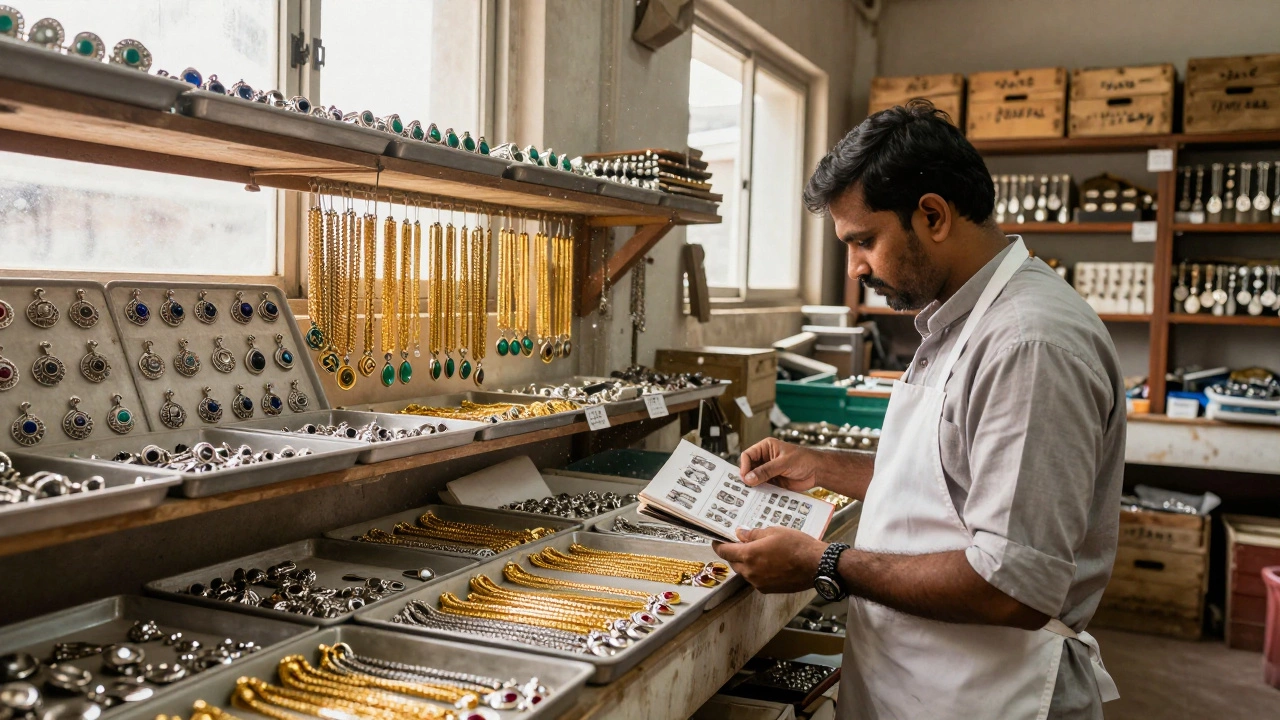
Most small to mid-sized jewelers start with wholesale distributors. These aren’t random online sellers. They’re established companies with catalogs, minimum order requirements, and real inventory warehouses. Think of them as the middlemen between manufacturers and the store counter.
Companies like Rio Grande, Fire Mountain Gems, and even regional players like Indian Jewelry Traders in Jaipur or Gemological Institute of America’s approved vendors supply finished pieces in bulk. A jeweler might order 50 pairs of sterling silver earrings at $8 each, then sell them for $35-$50. The markup covers labor, rent, and profit. These distributors often offer branded designs, so you’ll see the same necklace in three different boutiques-but that’s fine, because customers rarely compare across stores.
One key thing: wholesale buyers usually need a business license and tax ID. You can’t just walk in and buy like a regular shopper. This filters out hobbyists and keeps the supply chain professional.
Direct from Manufacturers
The smarter jewelers skip the middleman. They go straight to the source. In India, that means Jaipur for gemstones and Kundan work. In Thailand, it’s Bangkok for colored stones and precision casting. In Italy, it’s Vicenza for high-end gold and artisanal chains.
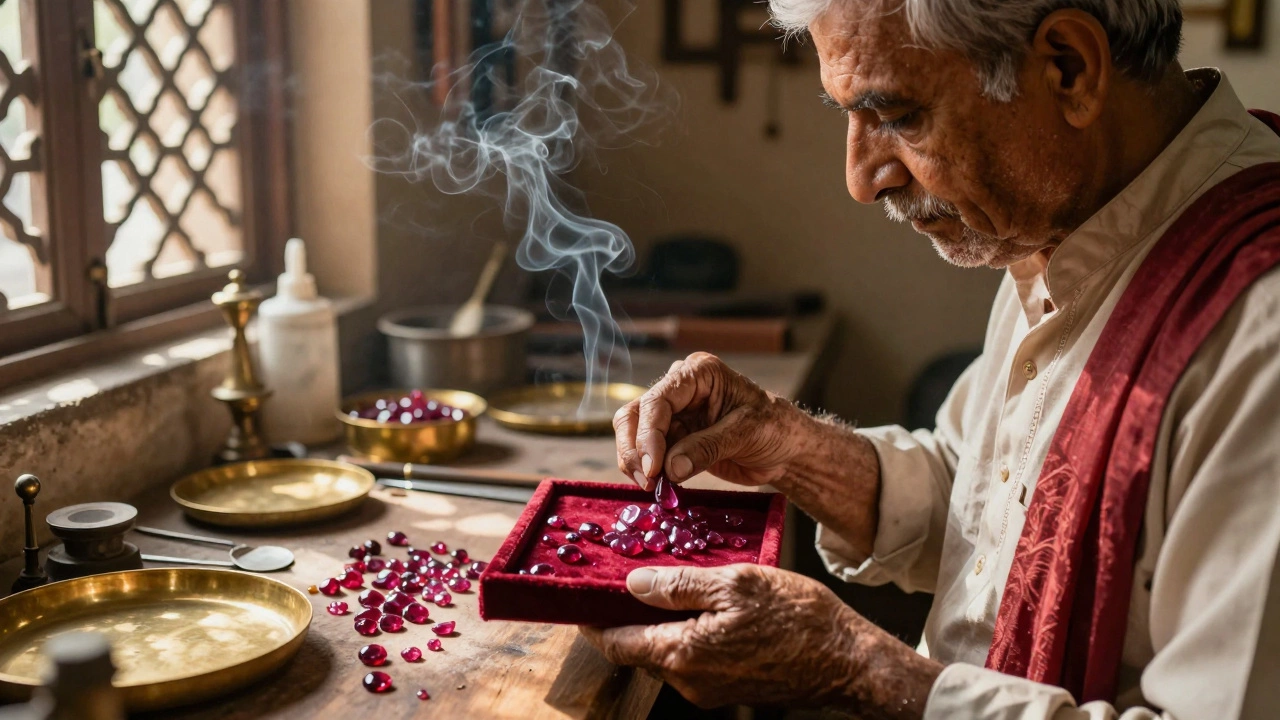
Why go direct? Better prices, exclusive designs, and control over quality. A jeweler in Chicago might fly to Jaipur twice a year to hand-select uncut rubies or negotiate a custom batch of 24k gold bangles. They’ll work with family-run workshops that have been doing the same craft for three generations. These manufacturers don’t advertise on Google-they rely on word of mouth and trade shows.
It’s riskier, though. You need cash upfront, language skills, and trust. One jeweler in Portland told me he lost $12,000 on a shipment of fake Tanzanite because he didn’t have a gemologist with him. Now he always travels with a GIA-certified buyer.
Wholesale Gemstone and Metal Suppliers
Not every jeweler sells finished pieces. Many make their own. That’s where gemstone and metal suppliers come in. These are the backbone of custom jewelry makers.
For metals: Companies like Hoover & Strong and Metalor Technologies supply gold, silver, and platinum in ingots, wire, and sheet form. A jeweler might buy a 10-ounce bar of 14k gold for $700 and turn it into 15 rings. The cost of metal is just one part-the labor, tools, and time are the real investment.
For stones: Suppliers like GemSelect, Montebello Gemstones, and local markets in Bangkok or Sri Lanka sell loose diamonds, sapphires, emeralds, and semi-precious stones by carat. A jeweler might buy 50 0.5-carat white sapphires for $150 and set them in a halo ring that sells for $450. The profit isn’t in the stone-it’s in the design and setting.
Some jewelers even buy rough stones directly from miners in places like Myanmar or Madagascar. It’s not common, but it happens. And yes, ethical sourcing is a growing concern. More jewelers now ask for Kimberley Process certificates or lab reports before buying.
Jewelry Making Kits for Small-Scale Creators
If you’re not a full-time jeweler but want to make pieces at home, jewelry making kits are your entry point. These kits-sold by companies like Beadaholique, Artbeads, or even Amazon’s private labels-include pre-cut beads, clasps, wire, pliers, and instructions.
They’re perfect for beginners, Etsy sellers, or people making gifts. A $40 kit can give you enough materials to make 20 simple necklaces. But here’s the catch: these kits don’t replace professional sourcing. They’re for practice, not profit. You won’t find 14k gold or natural gemstones in a $50 kit. The stones are glass, the metal is base alloy, and the designs are mass-produced.
Still, they’re a real gateway. Many professional jewelers started with a kit. One woman in Austin told me she sold her first 50 beaded bracelets from a $35 kit on Etsy. The money she made funded her first trip to a wholesale gem fair. That’s how it often works.
Trade Shows and Industry Events
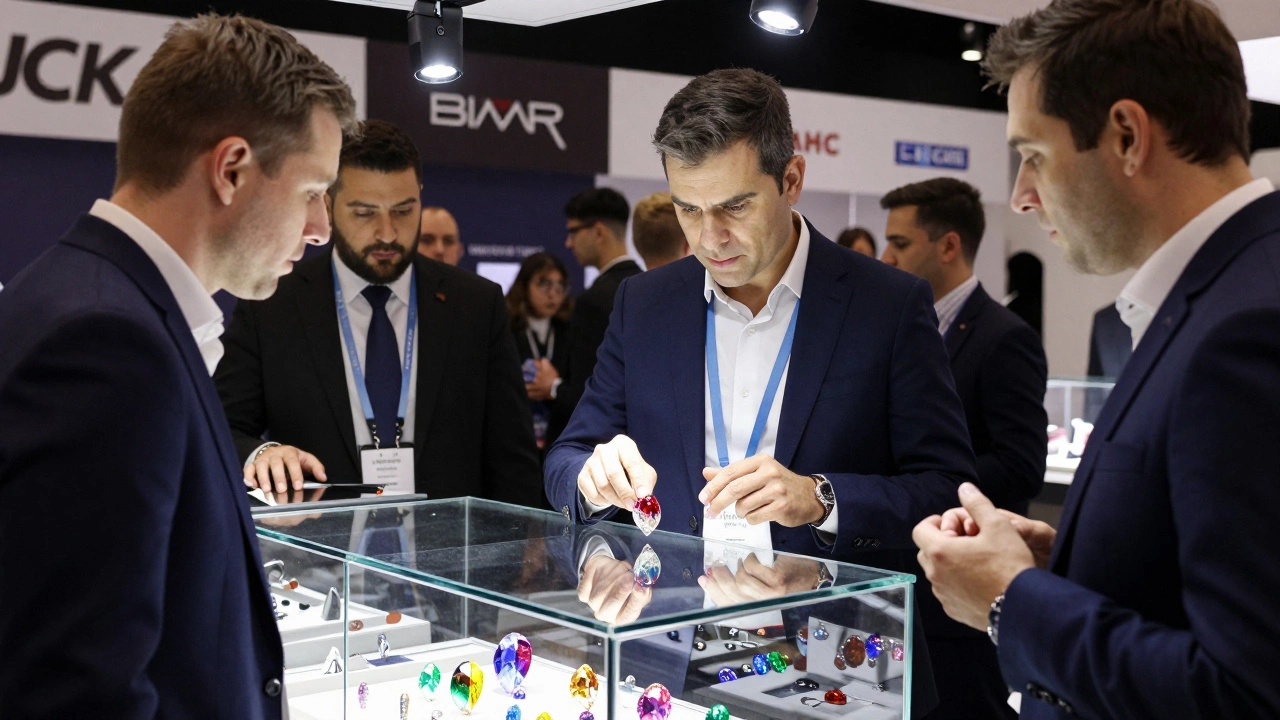
The real magic happens at trade shows. The Tucson Gem & Mineral Show. JCK Las Vegas. The Hong Kong Jewellery & Gem Fair. These aren’t flea markets. They’re massive, professional gatherings where manufacturers, miners, and designers meet buyers.
A jeweler might spend $2,000 on airfare and booth fees, but walk away with exclusive designs they can’t get anywhere else. At the 2025 JCK show, a New York jeweler found a supplier offering lab-grown diamonds with unique color gradients-something no distributor had yet. She snapped up 200 stones and launched a limited line three weeks later.
These events are also where relationships are built. You don’t just buy. You talk. You taste tea. You learn about new mining techniques or emerging trends like recycled platinum or ethically sourced pearls. The best inventory doesn’t come from a website-it comes from a handshake.
Custom Orders and Client-Sourced Materials
Some of the most valuable pieces a jeweler creates come from their customers. A grandmother brings in her old gold watch to be turned into a pendant. A couple gives their wedding rings to be melted down into a new set.
This isn’t just sentimental-it’s smart business. It cuts material costs to nearly zero. The jeweler’s skill becomes the product. A piece made from recycled gold with a family heirloom stone can sell for 3x the cost of new materials. And clients pay premium prices because it’s unique.
Many jewelers now advertise “transform your old jewelry” as a service. It’s not just a gimmick. It’s a reliable source of inventory with zero overhead.
The Hidden Reality: Not All Inventory Is New
Let’s be honest: a lot of what’s sold as “new” jewelry is actually repurposed. Antique dealers sell old pieces to jewelers who dismantle them, clean the gold, reset the stones, and rebrand them as modern designs.
In New York, there’s a whole district called the Diamond District where jewelers buy broken necklaces, damaged earrings, and mismatched sets for pennies on the dollar. They melt the gold, sort the diamonds by size and quality, and rebuild them into new collections. It’s sustainable, profitable, and deeply traditional.
Even big brands do this. A well-known luxury brand in 2024 quietly shifted 40% of its production to recycled materials after a customer survey showed 68% preferred ethically sourced pieces.
What You Should Do If You’re Starting Out
If you’re thinking of becoming a jeweler, here’s what actually works:
- Start with jewelry making kits to learn the craft. Don’t skip this.
- Get your business license and tax ID. You need it to buy wholesale.
- Visit one local wholesale supplier. Ask for their catalog and minimum order.
- Buy one small batch-10 pieces max. Test the market.
- Attend one trade show. Even if you just walk around. Talk to people.
- Start collecting old jewelry from friends and family. Learn how to reset stones.
There’s no shortcut. But there’s a clear path. The inventory isn’t hidden. It’s out there-waiting for someone willing to show up, ask questions, and build relationships.
Why This Matters More Than You Think
When you buy jewelry, you’re not just buying a pretty thing. You’re buying a chain of people: the miner in Brazil, the stone cutter in Thailand, the jeweler in Ohio who spent 12 hours setting each diamond, the wholesaler who paid upfront for a shipment, the artist who designed it.
Knowing where your jewelry comes from changes how you value it. It turns a purchase into a connection. And that’s what separates a good jeweler from a great one.