Global Diamond Market Comparator
Select a market to see estimated pricing adjustments and key advantages based on current global trade dynamics.
Select Source Market
Cost Analysis & Recommendation
Best ValueEstimated Final Cost
Includes base price + local taxes/duties.
Market Profile
Comparative Savings vs. Local Retail
You are standing in a jewelry store in New York or London, looking at a diamond ring that costs $5,000. You love it, but your gut tells you there is a better deal somewhere. You are right. The global diamond market is not one big equal playing field. Prices vary wildly based on where the stone was cut, who sold it, and how many hands touched it before it reached the display case. If you are hunting for value, quality, and specific styles like traditional Indian craftsmanship, the answer isn't just "cheapest." It's about understanding the supply chain.
Most people think buying diamonds in Africa is the cheapest route because that's where they come from. That is a massive misconception. Rough diamonds might originate in Botswana or Russia, but the magic-and the price markup-happens during cutting and polishing. To find the best value, you need to look at where the labor is skilled yet affordable, and where the taxes aren't eating your profit margin. For many buyers, especially those interested in diamond rings India, the answer points directly to Surat, India. But let's break down why, and when other countries might actually be better for you.
Why India Dominates the Diamond Cutting Market
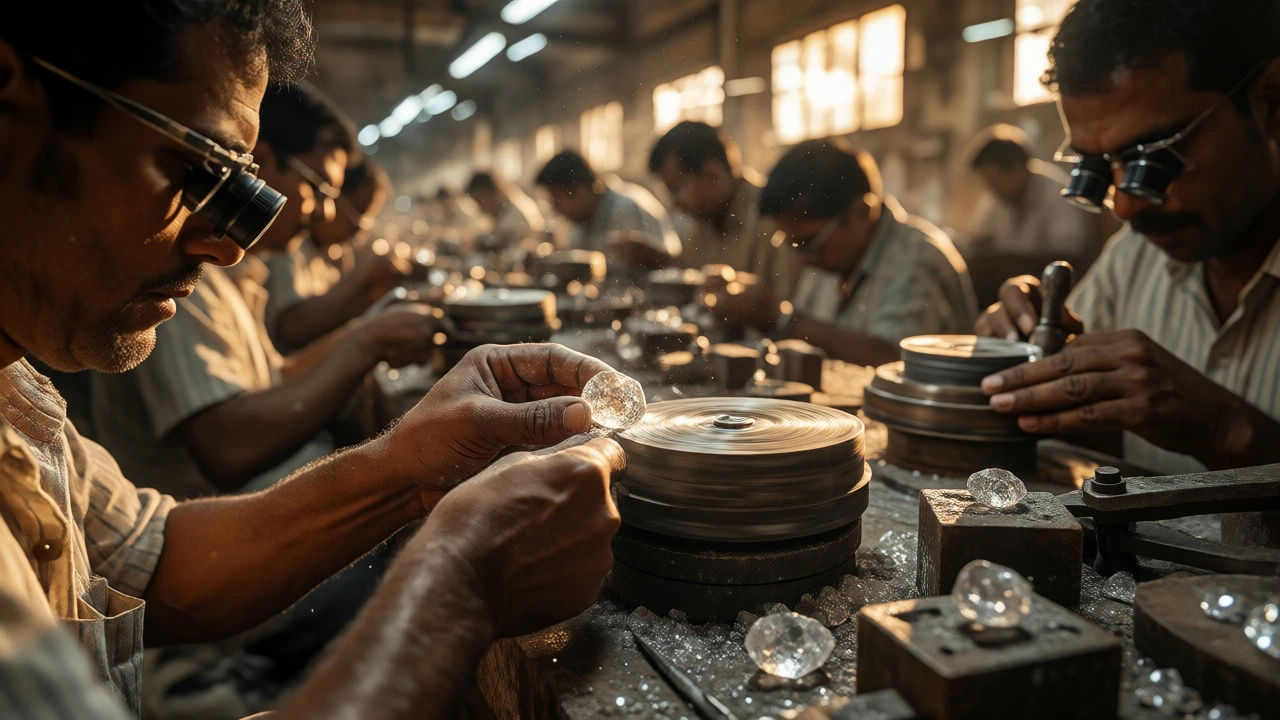
If you want the best balance of price and quality for loose diamonds and standard solitaire rings, India is hard to beat. Specifically, the city of Surat handles over 90% of the world's diamond cutting and polishing. Why does this matter to you? Because labor costs in India are significantly lower than in Belgium or Israel, but the skill level is exceptionally high. This means you pay less for the processing of the stone.
Surat is the global hub for diamond processing, known for its efficiency and low-cost, high-precision cutting techniques. When you buy a diamond that has been cut in Surat, you are bypassing the expensive labor markets of Europe. However, buying directly in Surat requires navigating a complex B2B (business-to-business) market. Most tourists don't walk into a factory; they go through trusted exporters or retail chains in Mumbai and Delhi that source directly from these hubs.
The advantage here isn't just the base price. It's the variety. Indian cutters specialize in maximizing brilliance while retaining weight. They are masters of the "ideal cut" for round brilliants. If you are looking for a classic engagement ring, an Indian-sourced diamond often comes with a lower premium than a European-cut equivalent of the same carat and clarity.
Belgium: The Premium Choice for High-End Cuts
Antwerp, Belgium, is synonymous with luxury. If money is no object and you want a brand-name pedigree, Antwerp is the place. The Belgian diamond industry focuses on precision and marketing. A diamond certified as "Antwerp Cut" carries a prestige factor that commands a higher price. You are paying for the reputation, the strict quality control, and the exclusivity.
Is it worth it? Only if you care about the provenance story. For the average buyer, the visual difference between a top-tier Indian cut and a top-tier Belgian cut is negligible under a loupe. But for collectors or those buying investment-grade stones (over 3 carats), the Belgian origin adds resale value. The downside? Taxes. Import duties and VAT in Europe can add 10-20% to the final cost if you are bringing the ring home to a non-EU country.
Israel: The Innovation Hub
Tel Aviv is another major player, particularly for fancy shapes and innovative cuts. Israeli cutters have long been known for their technological approach to diamond cutting. They use advanced laser technology to maximize yield from rough stones. This makes them excellent sources for unique, non-round shapes like princess, emerald, or radiant cuts.
Like Belgium, Israel offers high-quality standards but at a higher price point due to labor costs. However, the Israeli market is smaller and more agile. If you are looking for a custom design that isn't available off-the-shelf, Israeli designers often collaborate closely with cutters. This is a good option if you want something modern and architectural rather than traditional.
United States: Convenience and Certification Trust
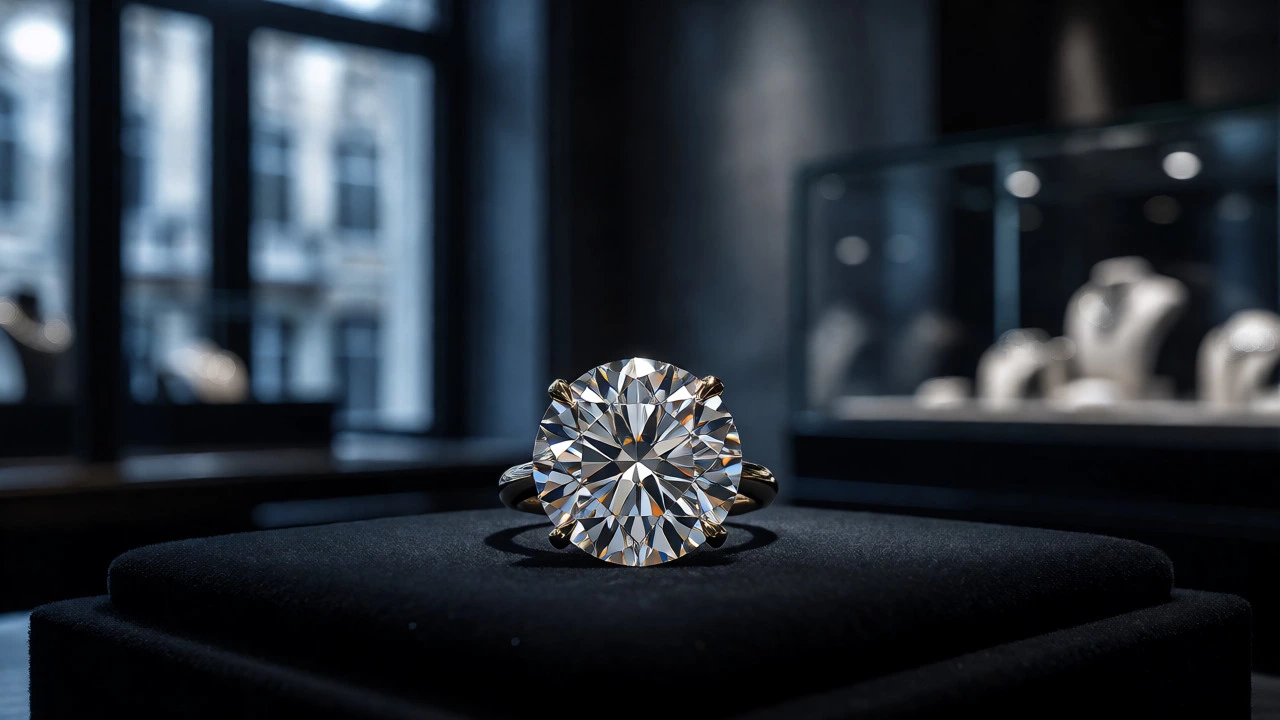
Buying in the US doesn't make sense for pure price arbitrage. You are paying for convenience, return policies, and the ease of dealing with local retailers. However, the US market is heavily regulated regarding disclosure. If you buy a diamond in the US, you are almost guaranteed to get a report from the GIA (Gemological Institute of America), which is the most respected independent grading authority for diamonds globally.
This trust factor is huge. In some emerging markets, grading can be inconsistent. Buying in the US ensures you know exactly what you are getting. If you live in North America, the shipping costs, insurance, and hassle of importing a diamond from India or Belgium often negate the initial savings. Unless you are buying multiple stones or very large ones, stick to local reputable dealers.
Dubai: The Duty-Free Middle Ground
Dubai has positioned itself as a global trading hub. It sits geographically between the African mines and the Asian cutting centers. One major benefit is the tax-free environment. There is no sales tax on gold and diamonds in Dubai, which can save you significant money compared to Europe or parts of Asia. The Gold Souk and modern malls offer a wide range of options.
However, caution is required. While the market is competitive, grading standards can vary. Always insist on international certification (GIA or IGI) when buying in Dubai. Don't rely solely on the shop's internal certificate. Dubai is great for gold-heavy designs combined with diamonds, which is popular in Middle Eastern and South Asian cultures.
Key Factors Influencing Your Decision
To help you decide, consider these three critical factors:
- Labor Costs: Where was the diamond cut? India = Low cost. Belgium/Israel = High cost.
- Import Duties: What are the customs fees in your home country? Bringing a $5,000 ring into the EU might cost you extra. Bringing it into the US usually involves a flat fee or percentage depending on age and value.
- Certification: Does the seller provide a GIA report? If not, walk away. A cheap diamond without proof is just a rock.
| Market | Primary Strength | Price Level | Best For |
|---|---|---|---|
| India (Surat/Mumbai) | Lowest cutting costs, vast inventory | Low to Medium | Value seekers, bulk buyers, traditional designs |
| Belgium (Antwerp) | Prestige, strict quality control | High | Luxury buyers, investment stones |
| Israel (Tel Aviv) | Innovative cuts, tech-driven | Medium-High | Fancy shapes, custom designs |
| USA (New York/LA) | Convenience, trusted grading | Medium-High | Local buyers, risk-averse shoppers |
| Dubai (UAE) | Tax-free, strategic location | Medium | Travelers, gold-diamond combos |
The Hidden Trap: Synthetic vs. Natural
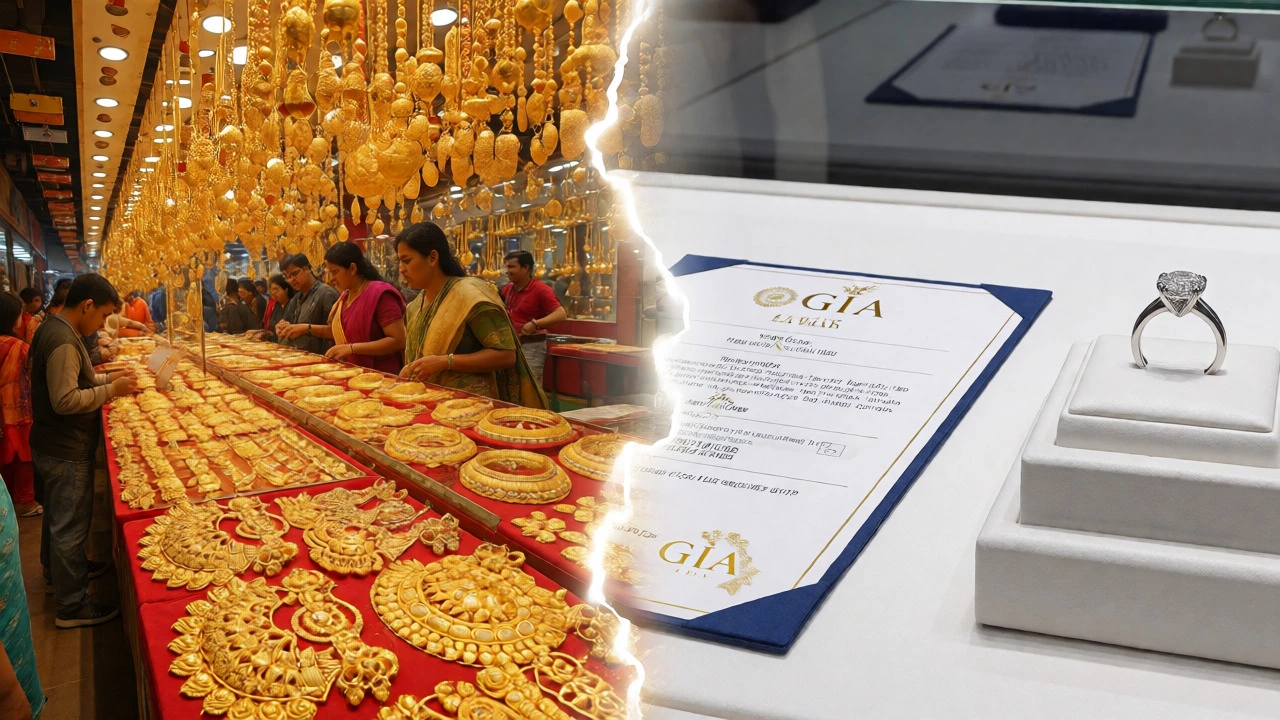
No matter where you buy, the biggest risk today isn't the country-it's lab-grown diamonds masquerading as natural. Lab-grown diamonds are chemically identical to mined diamonds. They are real diamonds, but they cost 60-80% less. Some unscrupulous sellers in all markets try to pass them off as natural to boost margins.
How do you protect yourself? Always ask for the origin type on the certificate. GIA reports clearly state whether a stone is "Natural" or "Labor-Grown." If a deal looks too good to be true in India or Dubai, check the certificate twice. If you are open to lab-grown stones, India is also becoming a major manufacturing hub for them, offering even deeper discounts.
Practical Tips for International Buyers
If you decide to fly out to buy your diamond, keep these logistics in mind. First, never carry cash for high-value transactions. Use bank transfers or credit cards for traceability and fraud protection. Second, factor in insurance. If you buy in India and fly back to the US, insure the package immediately. Third, understand the return policy. International returns are a nightmare. Try on the ring locally if possible, or ensure the seller offers resizing services post-purchase.
For those specifically looking at diamond rings India, remember that Indian jewelry often uses 18K or 22K gold settings, which are softer and more yellow than the 14K white gold common in the West. If you prefer platinum or white gold, specify this early. Indian artisans are incredibly skilled but may default to traditional yellow gold unless asked otherwise.
Final Verdict: Where Should You Go?
There is no single "best" country. It depends on your priorities.
- Choose India if you want the lowest price for a natural, high-quality diamond and don't mind navigating a busy market. It is the king of value.
- Choose Belgium if you want status and are buying a very large, high-clarity stone for investment purposes.
- Choose the USA if you value peace of mind, easy returns, and local service over saving 15-20%.
- Choose Dubai if you are already traveling there and want a tax-free purchase with decent variety.
For most smart shoppers, the sweet spot is buying a GIA-certified diamond sourced from India but purchased through a reputable online retailer or a trusted jeweler in your home country who imports directly. This gives you Indian pricing without the travel hassle.
Is it cheaper to buy diamonds in India than in the USA?
Generally, yes. The base price of the diamond is often 15-30% lower in India due to lower labor costs for cutting and polishing. However, once you add import duties, shipping, insurance, and potential exchange rate fluctuations, the savings might shrink to 10-15%. It is still often cheaper, but the gap is smaller than people expect.
Which country has the highest quality diamond cuts?
Quality is determined by the cutter's skill, not just the country. However, Belgium and Israel are renowned for strict quality control and precision. India produces the highest volume of high-quality cuts at competitive prices. A top-tier 'Excellent' cut from India is visually indistinguishable from a Belgian cut to the naked eye.
Do I need to pay customs duty when buying diamonds abroad?
Yes, in most cases. If you bring a diamond ring into your home country, you must declare it. In the USA, for example, you may have to pay duty on the value exceeding your personal exemption. Check your country's specific customs regulations before purchasing to avoid surprises.
Are lab-grown diamonds cheaper in certain countries?
Lab-grown diamonds are manufactured, so their price is less dependent on mining locations. However, manufacturing hubs like India and China produce them at scale, often leading to lower wholesale prices. Retail prices depend more on local branding and markup than the country of origin.
What is the safest way to buy a diamond internationally?
Always insist on an independent grading report from GIA or AGS. Avoid shops that only provide their own certificates. Use secure payment methods like credit cards for buyer protection. Consider using a third-party inspection service if you cannot visit the seller in person.