Global Jewelry Style Finder
Beauty is subjective. Answer these 5 questions to find out which global jewelry tradition—from Indian Temple Jewelry to French Haute Joaillerie—resonates most with your aesthetic and values.
Ask ten people which country has the most beautiful jewellery, and you’ll get ten different answers. One might point to the intricate Kundan work of India, another to the sleek minimalism of Scandinavian design, while a third swears by the opulent gemstones of Colombia. Beauty in jewelry is subjective, deeply tied to culture, history, and personal taste. But if we look at craftsmanship, historical significance, and global influence, certain countries consistently rise to the top.
So, how do we judge "beauty" when every culture defines it differently? It’s not just about sparkle or price tags. It’s about storytelling. Does the piece carry centuries of tradition? Is the metalwork technically flawless? Does it reflect the identity of the wearer? Let’s break down the heavy hitters in the global jewelry scene, with a special spotlight on why Indian Temple Jewelry often steals the show for those who love depth and detail.
India: The Powerhouse of Craftsmanship and Tradition
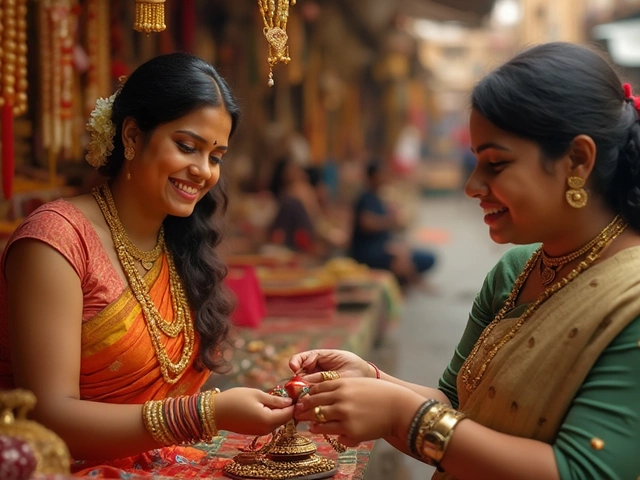
If there’s one country that arguably holds the crown for variety and complexity, it’s India. Indian Jewelry isn’t just an accessory; it’s a language. From the delicate filigree of Odisha to the heavy, gold-laden bridal sets of South India, the diversity is staggering. And at the heart of this tradition lies Temple Jewelry, a style that originated in the temples of Tamil Nadu and Kerala.
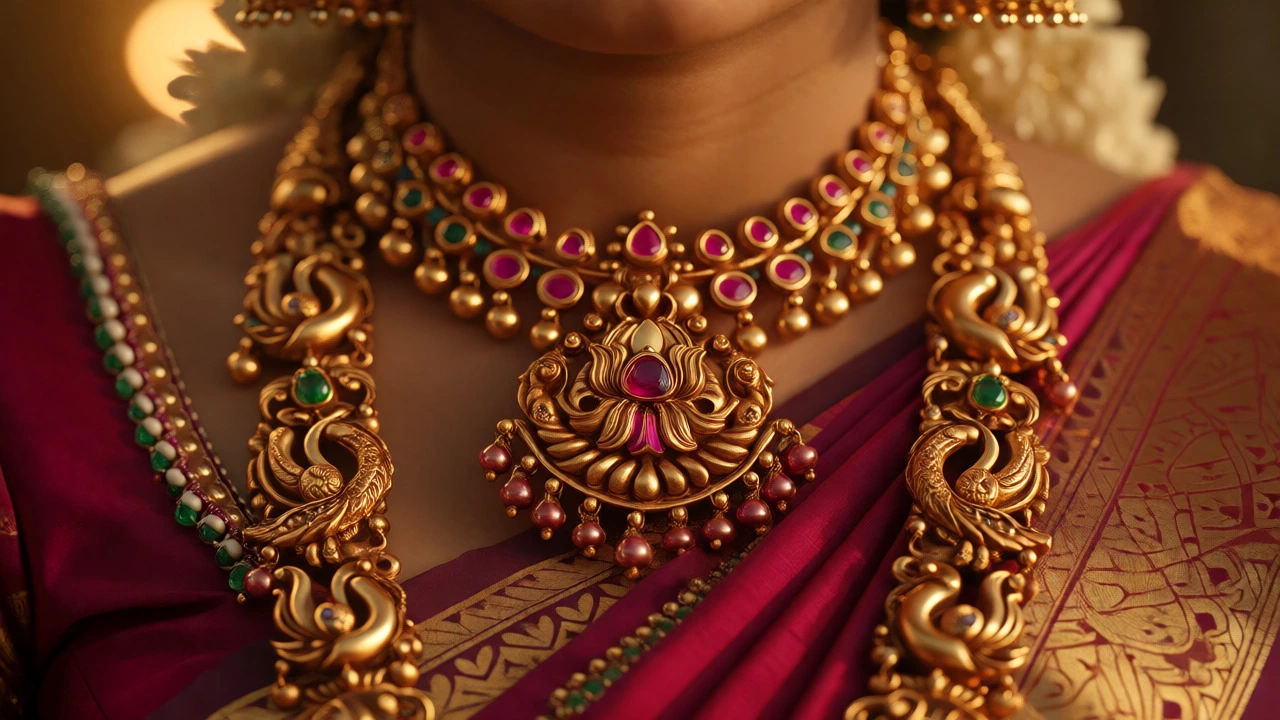
Temple Jewelry is a distinct form of ornamentation originally worn by deities and later adopted by classical dancers and brides. Unlike modern fashion jewelry, these pieces are designed with religious and cultural symbolism. The motifs-lotus flowers, peacocks, gods, and goddesses-are carved into gold or silver, often adorned with rubies, emeralds, and pearls. The weight and presence of a traditional Nadaswaram or Mohiniattam set are unmatched. When you wear temple jewelry, you’re wearing history.
Why does it stand out globally? Because it combines high-purity gold (often 22k or 24k) with intricate hand-carving techniques like Nakshi. While Western markets lean towards 18k or lower purity for durability, Indian artisans prioritize luster and value. This results in pieces that glow with a warmth that white gold simply can’t replicate. If beauty equals emotional resonance and cultural depth, India is hard to beat.
Italy: Where Art Meets Engineering
Move westward, and you hit Italy. If India is about spiritual richness, Italy is about artistic perfection. Italian jewelry, particularly from Vicenza and Arezzo, is renowned for its technical precision. The Italians mastered the art of casting and polishing centuries ago, creating pieces that feel almost liquid.
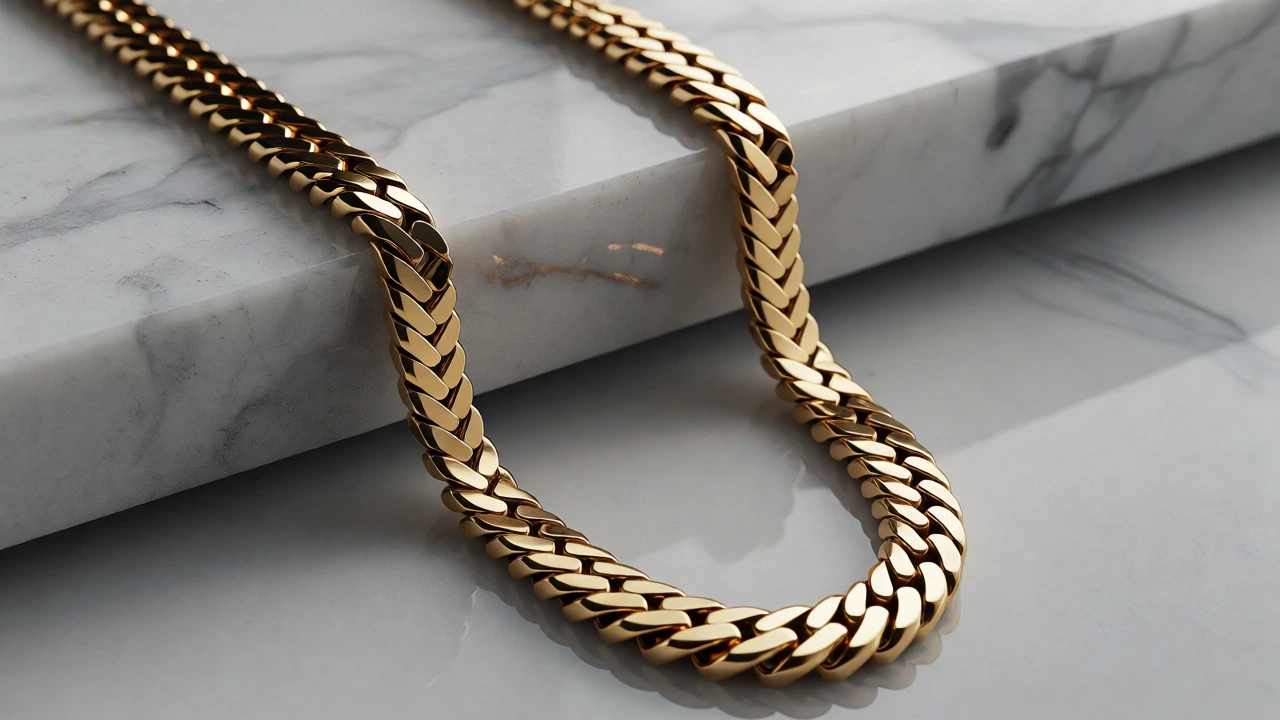
Think of the famous Italian Gold Chains. They aren’t just chains; they’re engineering marvels. The herringbone, snake, and rope patterns are so finely crafted that they drape perfectly against the skin. Italian designers also pioneered the use of enamel and colored gold alloys, pushing the boundaries of what metal can look like. Their approach is secular but sophisticated, focusing on elegance, wearability, and modern aesthetics. For the urban professional who wants luxury without heaviness, Italy offers the most refined options.
France: The Capital of High Jewelry
You can’t talk about beautiful jewelry without mentioning Paris. France didn’t just participate in the jewelry world; it defined luxury for centuries. The concept of Haute Joaillerie (High Jewelry) was born here. Houses like Cartier, Van Cleef & Arpels, and Boucheron turned jewelry into wearable art.
French jewelry is characterized by bold creativity and the perfect setting of diamonds. The Art Deco period, for instance, gave us geometric precision and stark contrasts between black onyx and bright platinum. French designers treat gemstones as protagonists, using minimal metal to let the stones shine. If your definition of beauty involves prestige, rarity, and cutting-edge design trends, France remains the undisputed leader. It’s less about tradition and more about innovation and status.
China: Symbolism and Jade Mastery
While gold dominates much of the world, China has perfected the art of jade. In Chinese culture, jade is considered more valuable than gold because it represents virtue, grace, and longevity. Chinese Jade Jewelry ranges from simple bangles to complex carvings of dragons and phoenixes.
The beauty here is subtle. It’s not about blinding sparkle but about the smooth, cool touch of nephrite or jadeite. Chinese artisans spend years mastering the carving of these hard stones. The integration of red coral and turquoise adds vibrant color contrasts that are visually striking yet culturally grounded. For those who appreciate understated elegance and deep philosophical meaning, Chinese jewelry offers a unique kind of beauty that feels ancient and timeless.
Middle East: Opulence and Volume
In countries like Saudi Arabia, UAE, and Turkey, jewelry is a display of wealth and family honor. Middle Eastern jewelry is big-literally. Heavy gold belts, massive necklaces, and stacked bangles are common. The focus is on volume and purity. You’ll often find 22k gold used extensively because higher karat means better resale value and a richer yellow hue.
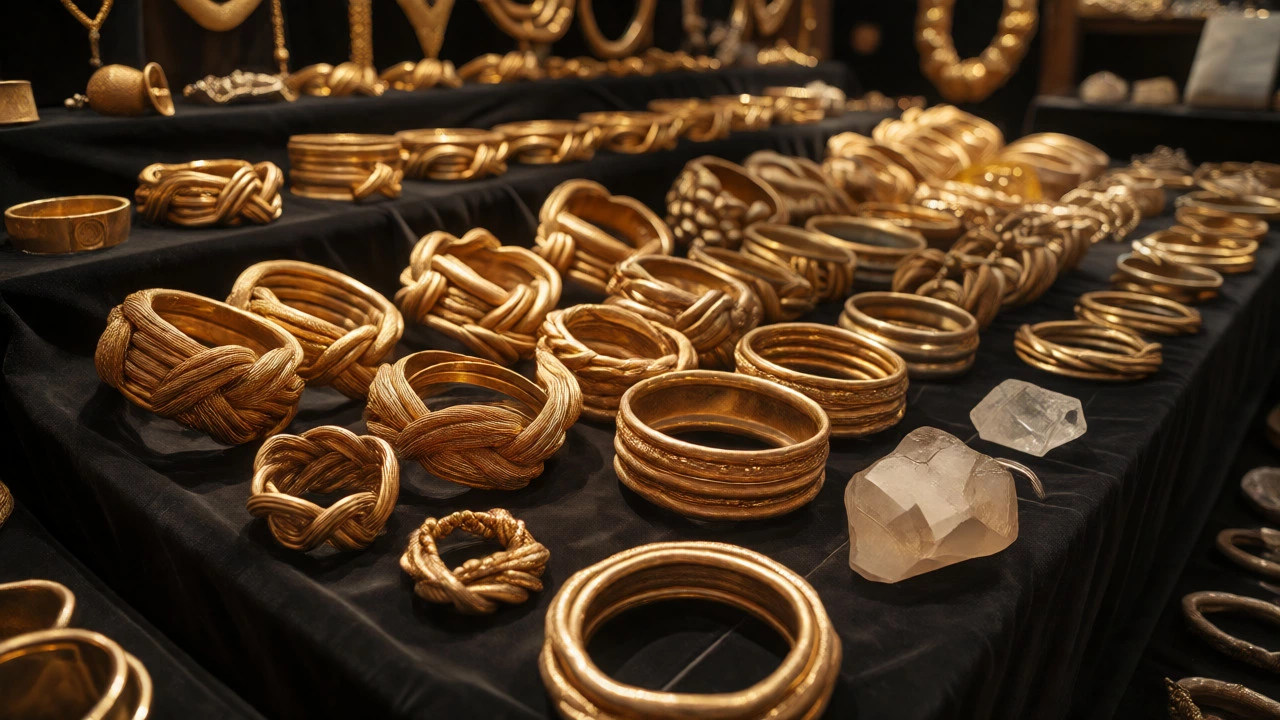
Turkish jewelry, in particular, blends Ottoman influences with modern European styles. Istanbul’s Grand Bazaar is a testament to this fusion. The beauty here is in the abundance. There’s no shyness about showing off. The intricate knotting of gold threads and the use of large, uncut gemstones create a dramatic visual impact. If you believe beauty should be loud and proud, the Middle East delivers.
Comparing the Styles: What Makes Them Unique?
To help you decide which style resonates with you, here’s a breakdown of the key attributes of these major jewelry hubs.
| Country | Key Material | Design Philosophy | Cultural Significance | Best For |
|---|---|---|---|---|
| India | 22k-24k Gold, Gemstones | Intricate, Traditional, Spiritual | Rituals, Weddings, Status | Brides, Collectors, Cultural Enthusiasts |
| Italy | 18k Gold, Platinum | Elegant, Minimalist, Technical | Fashion, Daily Wear | Modern Professionals, Style-Conscious Buyers |
| France | Diamonds, Colored Stones | Luxury, Avant-Garde, Prestige | High Society, Red Carpet | Luxury Seekers, Investment Buyers |
| China | Jade, Silver, Coral | Symbolic, Smooth, Harmonious | Virtue, Protection, Heritage | Those Seeking Meaningful Gifts |
| Middle East | Heavy Gold, Large Gems | Opulent, Bold, Voluminous | Wealth Display, Family Honor | Traditionalists, Luxury Shoppers |
Why Temple Jewelry Stands Out in the Global Conversation
Among all these styles, Indian Temple Jewelry has seen a massive resurgence in global fashion. Why? Because it offers something mass-produced Western jewelry cannot: soul. Each piece tells a story of devotion. The craftsmanship requires hundreds of hours of manual labor. No machine can replicate the slight imperfections that give handmade temple ornaments their character.
Moreover, the versatility of temple jewelry has surprised many. While traditionally reserved for Bharatanatyam dancers or South Indian brides, contemporary designers are blending these motifs with modern settings. Imagine a lightweight temple-inspired pendant paired with a business suit. It bridges the gap between heritage and modernity. This fusion makes it accessible to a global audience who crave authenticity over trendiness.
How to Choose Your Perfect Piece
Deciding which country’s jewelry is "most beautiful" ultimately depends on what you value. Here’s a quick guide to help you navigate:
- For Wedding Heirlooms: Go with Indian Temple Jewelry. Its durability, high gold content, and cultural weight make it a lifelong asset.
- For Daily Elegance: Look to Italy. Their chains and rings are designed for comfort and everyday sophistication.
- For Special Occasions: Choose France. A diamond-studded piece from a Parisian house commands attention and respect.
- For Spiritual Connection: Opt for Chinese Jade. It’s calming, meaningful, and distinct from the typical gold aesthetic.
- For Statement Making: Pick Middle Eastern designs. Big, bold, and impossible to ignore.
Remember, the most beautiful jewelry is the piece that makes you feel confident and connected to your own identity. Whether it’s a delicate Italian chain or a heavy Indian necklace, the right choice is the one that speaks to you.
Is Indian jewelry really more expensive than other countries?
Not necessarily per gram, but often in total cost due to higher gold purity (22k vs 18k) and intricate craftsmanship. However, because it retains value well and uses more gold, it can be a better long-term investment compared to lower-karat Western jewelry.
What makes Temple Jewelry different from regular gold jewelry?
Temple Jewelry features specific religious and mythological motifs (like lotuses, peacocks, and deities) carved in a distinctive style originating from South Indian temples. It often uses a technique called 'Kempu' where colored stones are set with lac instead of claws, giving it a unique matte finish and vibrant look.
Which country is best for buying diamonds?
Belgium (Antwerp) and Israel are global hubs for diamond trading and cutting. However, France is known for the most prestigious diamond *settings* and designs. If you want the best cut and clarity, go to Belgium; if you want the most iconic design, look to French houses.
Can I wear Indian Temple Jewelry with Western clothes?
Absolutely. Modern designers create lighter versions of temple jewelry that pair beautifully with sarees, salwar kameez, and even evening gowns or blazers. The key is choosing smaller motifs or single statement pieces rather than full bridal sets for casual wear.
Does Italian jewelry tarnish?
High-quality Italian gold (18k or higher) generally does not tarnish significantly. However, lower karat gold or gold-plated items may fade over time. Proper storage away from chemicals and regular cleaning will maintain its shine for decades.