Diamond Quality & Value Calculator
Calculate Your Diamond Value
Estimated Value
Why this matters: According to the article, Botswana leads in diamond value due to high-quality stones, while Russia leads in volume. India processes 90% of global diamonds. Your diamond's origin (South Africa, Russia, Botswana) affects value more than just size.
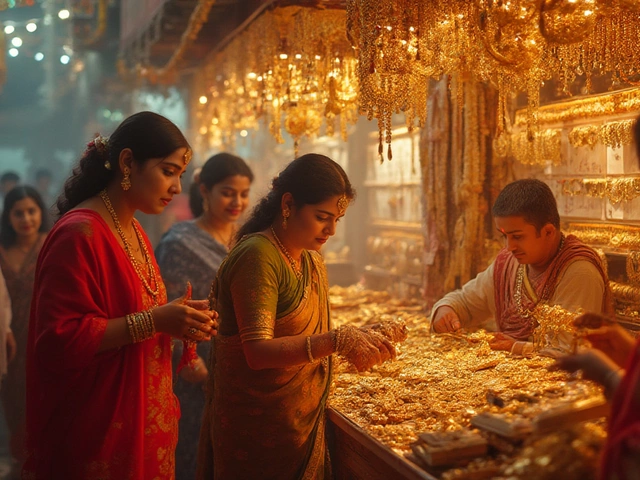
When you ask which country holds the number one diamond, the answer isn't as simple as pointing to a single flag on a map. People usually mean one of two things: the largest rough diamond ever discovered or the country that produces the most diamonds by value today. Sometimes, they are even asking about the best quality stones for engagement rings. The truth involves a mix of history, geology, and global trade. If you are shopping for diamond rings india, understanding where your stone comes from changes how you value it.
The Largest Diamond Ever Found
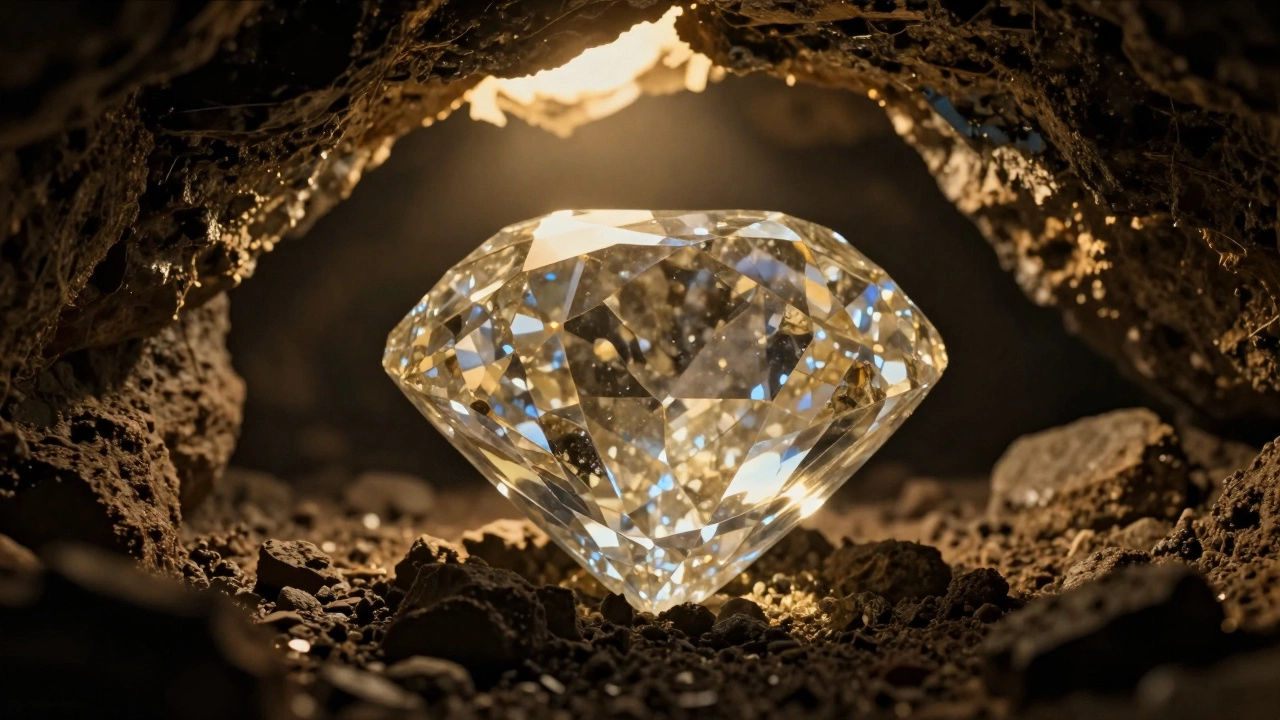
If we talk about size, the record belongs to the Cullinan Diamond. It is the largest gem-quality rough diamond ever found, weighing 3,106 carats. This massive stone was discovered in South Africa in 1905 at the Premier Mine. Today, the country remains a significant player, but the Cullinan is a historical artifact rather than a current market standard. The stone was cut into nine major stones and 96 smaller brilliants. The largest piece, the Cullinan I, sits in the Sovereign's Sceptre at the Tower of London.
South Africa's role in diamond history is undeniable. The Kimberley mines sparked the modern diamond rush. However, finding a stone of that magnitude today is statistically near impossible. Modern exploration focuses on smaller, high-quality stones rather than hunting for giants. When you hear about the "No 1 diamond" in terms of size, South Africa is the historical answer. But for current production, the map has shifted.
Top Diamond Producing Countries by Volume
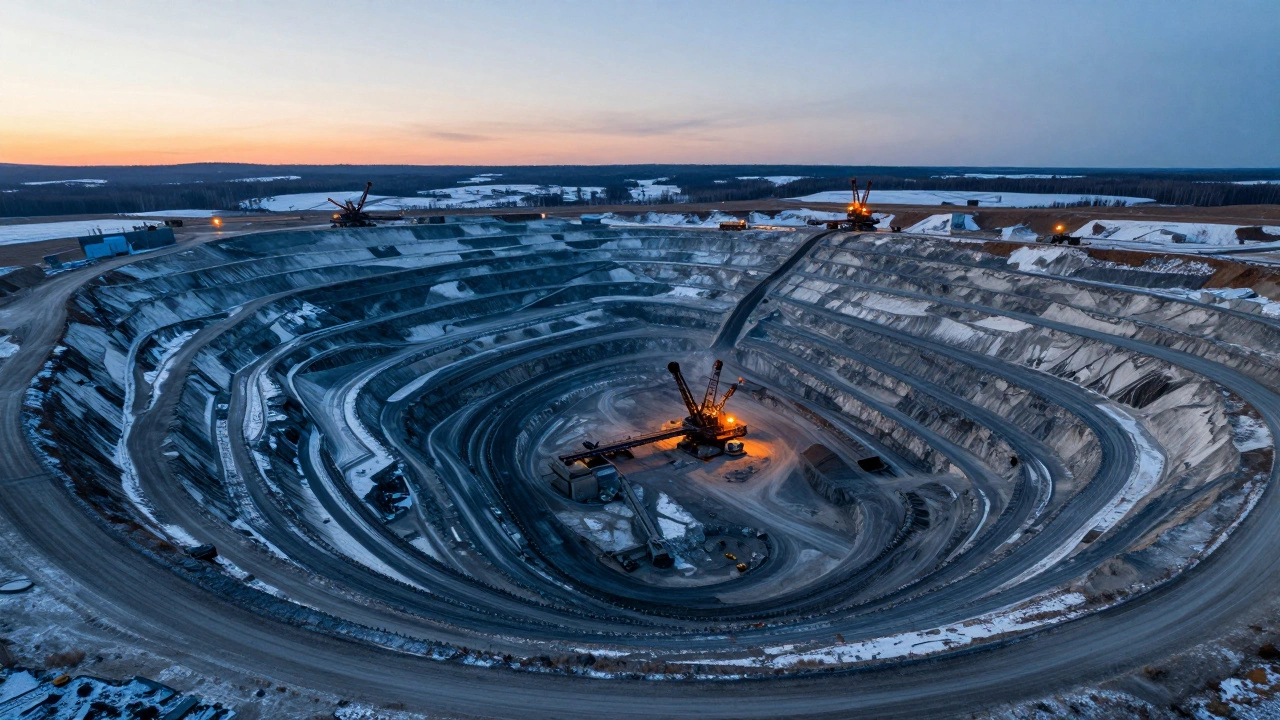
For current market dominance, we look at production volume and value. In recent years, Russia has consistently topped the list for diamond production by carat volume. The country's vast territories in Siberia host some of the world's richest deposits. The Alrosa corporation controls most of these mines. They extract billions of carats annually. This makes Russia the leader in raw material supply.
However, volume does not always equal value. Botswana often leads in terms of revenue. Their diamonds are typically of higher quality and larger average size. The partnership between the government and De Beers has turned Botswana into a wealthy nation. They focus on sustainable mining practices, which appeals to modern buyers concerned about ethics. So, if "No 1" means the highest value, Botswana is a strong contender.
Canada also plays a major role, especially for ethically sourced stones. Canadian diamonds are marketed heavily on their clean mining standards. Australia has significant history with the Argyle mine, though production there has changed recently. The global supply chain relies on these key players to keep the market moving. Each country brings different strengths to the table.
| Country | Primary Strength | Key Mine/Company | Market Focus |
|---|---|---|---|
| Russia | Volume (Carats) | Alrosa | Raw Supply |
| Botswana | Value (Revenue) | Debswana | High Quality |
| South Africa | History/Size | De Beers | Historical Significance |
| Canada | Ethics | Diavik | Conflict-Free |
India's Role in the Diamond Industry
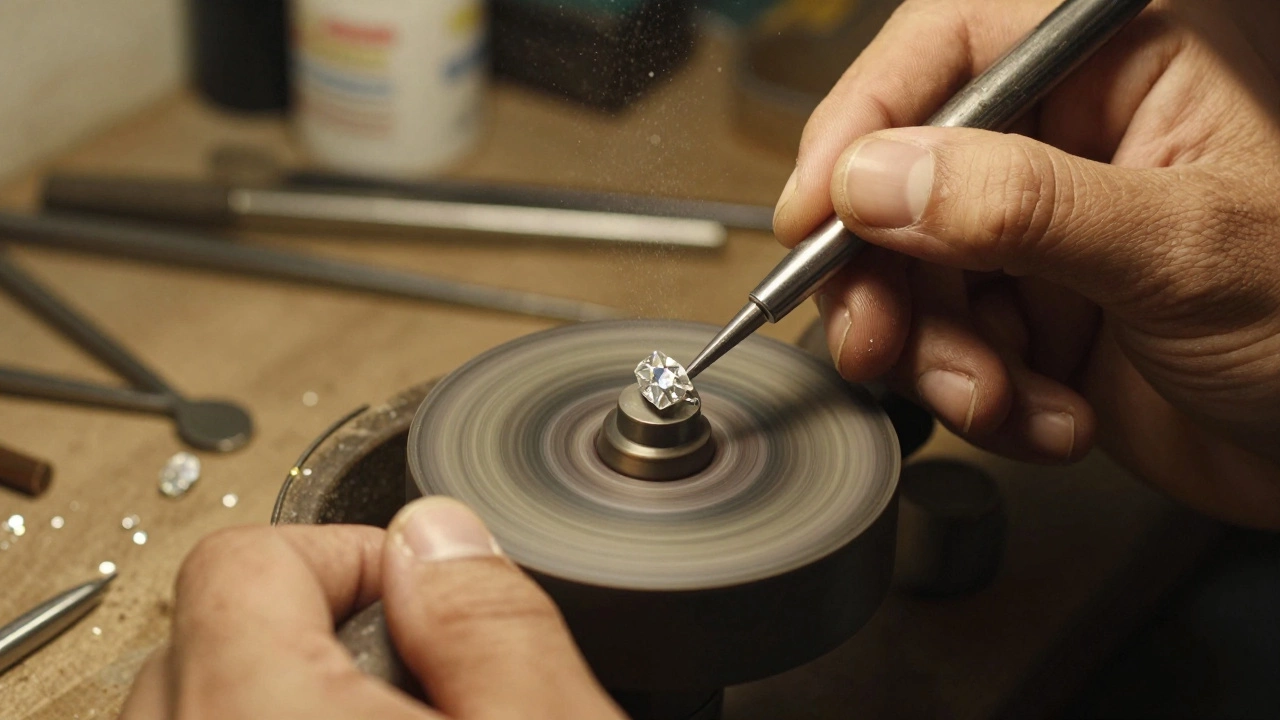
Here is where the story gets interesting for buyers. India does not mine the most diamonds, but it processes the most. If you buy a diamond ring, there is a high chance it was cut and polished in India. The city of Surat is the global hub for diamond cutting. They handle over 90% of the world's diamonds by volume. This makes India the "No 1" country for manufacturing and craftsmanship.
When you look at diamond rings india, you are looking at the result of this incredible supply chain. Rough stones come from Africa, Russia, or Canada. They travel to Mumbai or Surat. Skilled artisans cut them into shapes like round, princess, or cushion. Then, they are polished to perfection. This labor-intensive process adds significant value to the raw stone. Without India's infrastructure, the global diamond market would stall.
The Indian diamond industry is known for efficiency and precision. Small workshops and large factories work together to meet global demand. They specialize in smaller carat stones that are perfect for jewelry. This is why Indian craftsmanship is often associated with better value for money. You get high-quality cuts at competitive prices because the supply chain is so optimized.
Understanding Diamond Quality and Certification
Knowing the country of origin is only part of the story. The quality of the diamond matters more for your ring. The Gemological Institute of America, or GIA, is the global standard for grading. They use the 4 Cs: Carat, Cut, Color, and Clarity. A stone from Russia with a poor cut is less valuable than a stone from Botswana with an excellent cut. Always ask for a GIA certificate when buying.
The Kimberley Process is another critical factor. It is an international certification scheme designed to stop the trade of conflict diamonds. Most reputable sellers follow this protocol. It ensures that the diamonds you buy do not fund wars or human rights abuses. This adds a layer of security to your purchase. In 2026, buyers are more aware of this than ever before. Ethical sourcing is a key selling point for luxury jewelry.
Color grading ranges from D (colorless) to Z (light yellow). Clarity measures internal flaws. A "No 1" diamond in terms of quality would be a D-color, Flawless stone. These are rare and expensive. For most engagement rings, a near-colorless grade like G or H offers the best balance of beauty and cost. You do not need a perfect stone to have a stunning ring.
How to Choose the Right Diamond
When shopping, focus on the cut quality above all else. A well-cut diamond reflects light beautifully, making it sparkle. A poorly cut stone looks dull, even if it has high clarity. This is the most important factor for visual appeal. Check the certificate for the cut grade. Look for "Excellent" or "Very Good" ratings.
Consider the setting style. Some cuts look better in certain settings. A round brilliant shines in a solitaire. A princess cut looks great in a halo setting. The metal you choose also matters. Platinum and white gold enhance the white appearance of the diamond. Yellow gold provides a classic, warm contrast. Your personal style should guide this decision, not just the origin of the stone.
Budget is always a constraint. Decide on a maximum spend before you start looking. This helps you narrow down the carat weight and quality options. Remember that a larger stone with lower clarity can sometimes look better than a small, perfect stone. It depends on how the stone is viewed in daily life. Most people cannot spot minor inclusions with the naked eye.
Future Trends in Diamond Mining
The industry is changing. Lab-grown diamonds are gaining popularity. They are chemically identical to mined stones but cost less. This technology is often developed in India and the USA. It offers an eco-friendly alternative for buyers. As technology improves, the price gap between natural and lab-grown stones continues to shift.
Blockchain technology is also being used for traceability. It allows buyers to track a diamond from the mine to the store. This increases transparency. In the future, knowing the exact mine of your diamond might be as common as knowing the brand of your phone. This evolution aims to build trust between sellers and buyers.
Which country produces the most diamonds by value?
Botswana is often considered the leader in diamond production by value due to the high quality of its stones. While Russia leads in volume, Botswana's partnership with De Beers yields higher revenue per carat.
Where was the largest diamond found?
The largest diamond, the Cullinan, was found in South Africa in 1905. It weighed 3,106 carats in its rough form and remains the record holder today.
Does India mine diamonds?
India does have diamond mines, such as in Panna, but they are not major producers compared to Russia or Botswana. India's main role is cutting and polishing the majority of the world's diamonds.
What is the Kimberley Process?
The Kimberley Process is an international certification scheme to prevent conflict diamonds from entering the legitimate trade. It ensures diamonds are ethically sourced.
Is a GIA certificate necessary?
Yes, a GIA certificate provides an independent assessment of the diamond's quality. It is the most trusted standard for verifying the 4 Cs and ensuring you get what you pay for.