Temple Gold Explorer
Compare Temple Gold Holdings
Explore how different temples use and store gold — from hidden vaults to visible decorations.
Sri Padmanabhaswamy Temple
RichestMeenakshi Amman Temple
Most VisibleRanganathaswamy Temple
Srirangam, Tamil Nadu
Badrinath Temple
Uttarakhand (Dome)
Jagannath Temple
Puri, Odisha (Festivals)
Vault Discovery Simulator
Experience the 2011 discovery at Sri Padmanabhaswamy Temple. Click on each vault to reveal its contents.
Vault A
Click to open
Vault B
Click to open
Vault C
Click to open
Vault D
Click to open
Vault E
Click to open
Vault F
Still Sealed
Gold Value Converter
Calculate the modern value of gold donations to understand the scale of temple wealth accumulation.
Results
Temple Gold Knowledge Quiz
Test your understanding of Indian temple wealth and gold culture.
Question 1 of 5
Which temple is considered the richest in the world based on estimated gold holdings?
When you hear about temples filled with gold, your mind might jump to a specific image: towering gopurams draped in yellow metal or vaults overflowing with coins. But the question of which Indian temple has the most gold isn't just about what you can see from the street. It’s about hidden chambers, centuries-old donations, and legal battles over ownership that have reshaped how we understand wealth in sacred spaces.
The answer is widely accepted as the Sri Padmanabhaswamy Temple located in Thiruvananthapuram, Kerala. Estimates suggest its treasure trove could be worth over $20 billion, making it potentially the wealthiest religious institution on Earth. However, this number comes with caveats. Much of this wealth was discovered only recently, and much of it remains unaccounted for in public view.
The Discovery That Changed Everything
In 2011, a lawyer named Saneesh filed a petition in the Supreme Court of India regarding the management of the temple. During the proceedings, the court ordered an inspection of the temple's vaults, known as sabhas. What they found in Vault B shocked the nation.
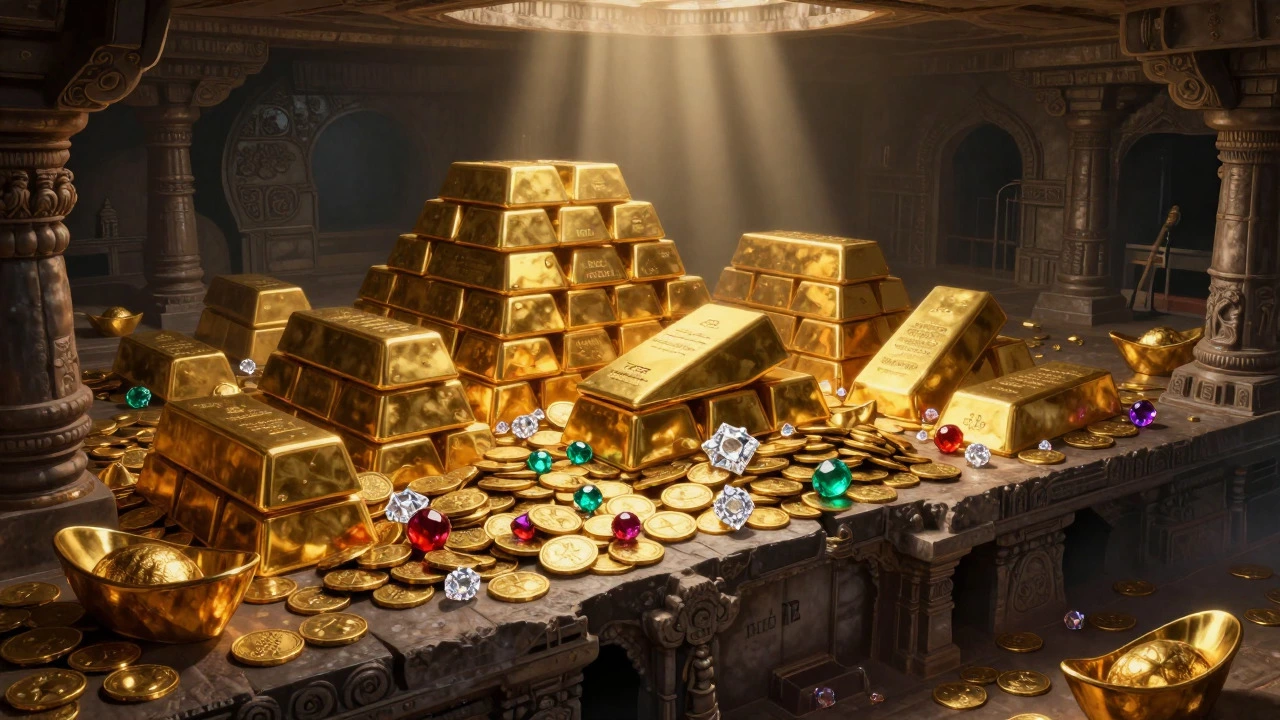
Vault B contained:
- Tons of gold bars and ingots
- Gold coins dating back to the Chera dynasty
- Precious stones including diamonds, emeralds, and rubies
- Ancient artifacts and ceremonial weapons
The sheer volume was so vast that experts struggled to estimate its value accurately. Some reports suggested the gold alone weighed hundreds of tons. This discovery didn’t just make Sri Padmanabhaswamy the richest temple; it sparked a national conversation about transparency, secularism, and the role of religion in economic power.
Why Sri Padmanabhaswamy Holds So Much Wealth
You might wonder how one temple accumulated such unimaginable riches. The story goes back thousands of years. Devotees have donated gold to the temple since ancient times, believing that offering wealth to Lord Vishnu (in his form as Padmanabha) ensures prosperity and spiritual merit.
Unlike modern banks where deposits earn interest, these donations were considered permanent gifts to the deity. Over centuries, kings, merchants, and common people added their share. The temple never spent this money on operational costs because it received separate endowments for daily rituals and maintenance.
This practice created a unique financial model where wealth accumulated without being depleted. Today, the temple operates under strict regulations, but the core principle remains: the gold belongs to the god, not the administrators.
Other Contenders: Temples With Visible Gold Glory
While Sri Padmanabhaswamy holds the title for total hidden wealth, other temples compete fiercely in terms of visible gold usage. These structures are engineering marvels covered in sheets of pure gold.
| Temple Name | Location | Type of Gold Usage | Estimated Gold Weight |
|---|---|---|---|
| Meenakshi Amman Temple | Madurai, Tamil Nadu | Gopuram overlays | ~5,000 kg (visible) |
| Ranganathaswamy Temple | Srirangam, Tamil Nadu | Idol and structural elements | ~3,000 kg |
| Badrinath Temple | Uttarakhand | Dome covering | ~100 kg (replated periodically) |
| Jagannath Temple | Puri, Odisha | Ceremonial chariots and idols | Varies by festival |
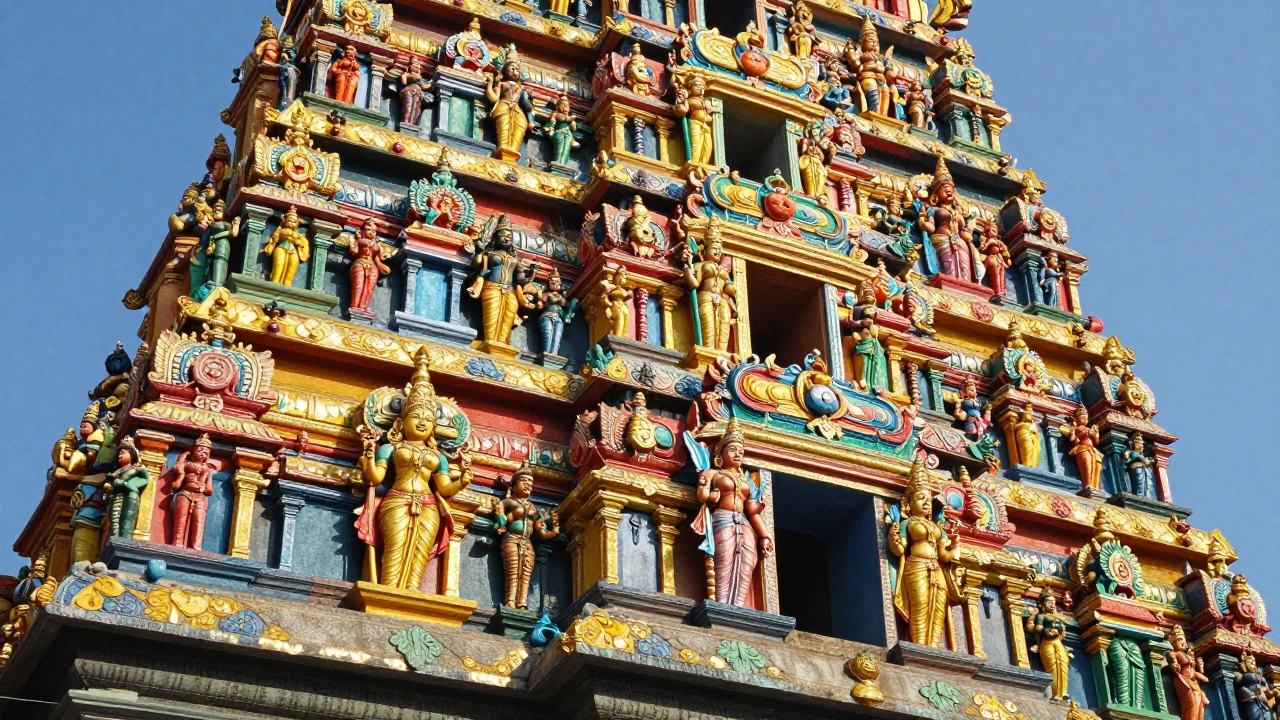
Notice the difference here. Meenakshi Amman Temple in Madurai doesn’t hide its wealth underground. Instead, it displays it proudly on its seven towering gateways (gopurams). Each gateway is covered in intricate sculptures painted with bright colors and overlaid with thin sheets of gold. While the total weight may not match Sri Padmanabhaswamy’s vaults, the visual impact is undeniable.
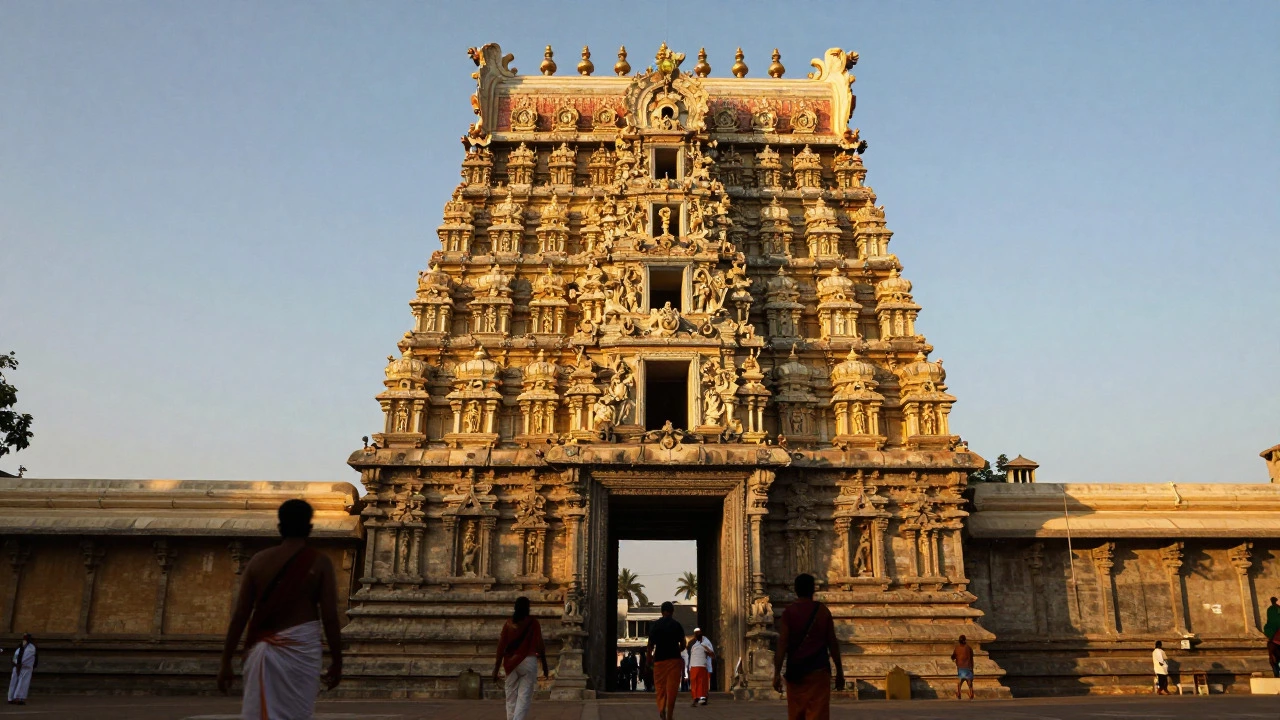
Similarly, the Ranganathaswamy Temple in Srirangam boasts one of the largest temple complexes in South India. Its main idol is adorned with heavy gold jewelry, and the structure itself incorporates significant amounts of precious metals. These temples use gold as art and devotion, rather than storage.
The Role of Temple Jewelry in Accumulating Wealth
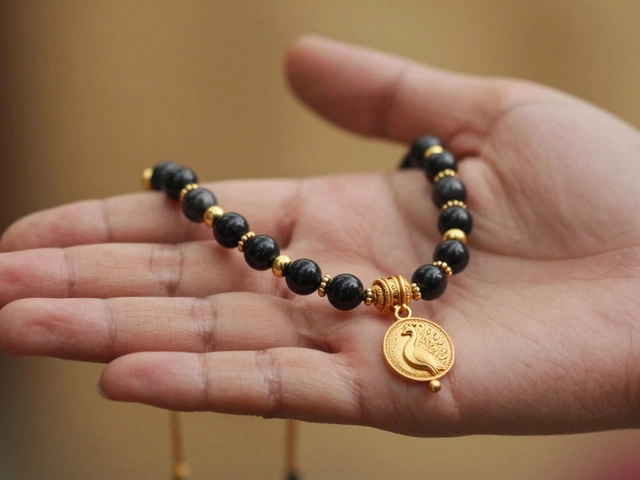
If you’re interested in temple jewellery india, you’ll notice a direct link between personal adornment and temple offerings. Traditional Indian jewelry designs often mimic those worn by deities. When devotees donate gold, they frequently request it be crafted into specific forms-necklaces, crowns, or anklets-that mirror these divine styles.
This creates a cycle:
- Devotees buy gold jewelry inspired by temple motifs.
- They later donate similar pieces or raw gold to the temple.
- The temple uses artisans to create new ornaments for the deity.
- These ornaments become part of the temple’s permanent collection.
For example, the famous Kanjivaram silk sarees paired with gold zari work often accompany gold jewelry donations. The combination of textile and metalwork represents holistic devotion. Artisans specializing in mehendi-like engraving patterns on gold ensure each piece tells a story.
Legal Battles and Ownership Questions
Having the most gold brings more than pride; it brings scrutiny. After the 2011 discovery at Sri Padmanabhaswamy, several questions arose:
- Who owns the treasure? The state government or the temple trust?
- Should the wealth be used for public welfare projects?
- How transparent should the inventory process be?
The Supreme Court appointed committees to manage the investigation. As of 2026, many vaults remain sealed due to religious sensitivities and security concerns. Critics argue that keeping billions locked away while poverty exists nearby is unjust. Supporters counter that the gold is spiritually bound and cannot be liquidated without offending millions of believers.
This tension highlights a broader issue in India: balancing tradition with modern governance. Other temples face similar debates, though on a smaller scale. For instance, the Tirupati Balaji Temple generates massive annual revenue but keeps its accounts relatively open compared to its Kerala counterpart.
How You Can Experience Temple Gold Culture
You don’t need to be a historian to appreciate this heritage. Visiting these sites offers insights into craftsmanship, spirituality, and history. Here’s how to make the most of your trip:
- Plan around festivals: During major events like Brahmotsavam, temples dress their idols in special gold jewelry. Seeing these ceremonies live provides context for why gold matters culturally.
- Hire local guides: They explain the symbolism behind different ornaments and architectural features. A guide can point out subtle details missed by casual observers.
- Respect dress codes: Many golden temples require modest attire. Carrying a shawl or scarf ensures smooth entry.
- Photography rules: Check restrictions beforehand. Some inner sanctums prohibit cameras entirely to preserve sanctity.
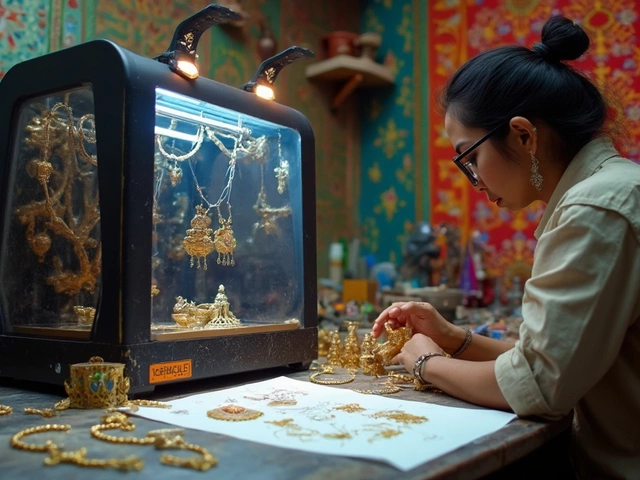
If you love jewelry design, consider visiting workshops near Madurai or Thanjavur. Local jewelers still use traditional techniques passed down through generations. Watching them hammer gold into delicate filigree patterns connects you directly to the living tradition behind temple opulence.
Common Misconceptions About Temple Gold
Let’s clear up some myths before you visit:
Myth 1: All gold is solid.
Reality: Much of the gold seen on statues is actually plated or foil-covered. Solid gold would be too soft for large structural elements. Artisans layer thin sheets over bronze or stone bases.
Myth 2: Temples hoard wealth selfishly.
Reality: Most temples run schools, hospitals, and feeding programs funded by their endowments. The "hoarding" narrative ignores social contributions.
Myth 3: You can touch the gold.
Reality: Strict barriers protect sacred objects. Touching could damage centuries-old finishes or violate ritual purity laws.
Preserving Heritage for Future Generations
Maintaining gold-rich temples requires constant effort. Humidity, pollution, and even sunlight can tarnish precious metals. Conservation teams use non-invasive cleaning methods and climate-controlled storage for removable items.
New technologies help too. Digital scanning allows researchers to study artifacts without physical handling. Blockchain ledgers are being explored to track donation origins and prevent theft. These innovations ensure that the legacy of temple gold survives beyond our lifetime.
As travelers and enthusiasts, supporting ethical tourism helps fund these preservation efforts. Buying locally made replicas instead of mass-produced imports keeps skills alive in artisan communities.
Is Sri Padmanabhaswamy Temple really the richest in the world?
Yes, based on estimated valuations from the 2011-2015 investigations, Sri Padmanabhaswamy Temple holds assets worth tens of billions of dollars, primarily in gold and gems. No other single religious institution has documented comparable wealth.
Can tourists see the gold inside Sri Padmanabhaswamy Temple?
Currently, no. The main vaults containing the bulk of the treasure remain closed to the public. Visitors can view the outer temple complex and certain decorated areas, but the famous gold reserves are kept secure and unseen.
Which temple has the most visible gold decorations?
The Meenakshi Amman Temple in Madurai is renowned for its gilded gopurams (gateways). While not necessarily holding the highest total weight, its extensive use of gold leaf and plating makes it visually the most striking golden temple.
Why do Indian temples collect so much gold?
Gold symbolizes purity, divinity, and eternal value in Hindu culture. Donating gold is seen as a meritorious act that pleases the gods. Historically, it also served as a stable store of value during turbulent political periods.
Are there any taxes on temple gold donations?
Generally, voluntary religious donations are tax-exempt under Indian law. However, income generated by the temple (like ticket sales or event fees) may be subject to taxation depending on current government policies and state regulations.
How does temple jewelry influence modern fashion trends?
Temple jewelry designs feature bold motifs like lotuses, peacocks, and deities. Modern designers adapt these shapes using contemporary materials. Wearing temple-style pieces connects wearers to cultural roots while adding ethnic flair to outfits.