Antique Jewelry Value Estimator
Estimate Your Jewelry's Value
Enter details about your antique jewelry to see potential offers from different buyers
Why Value Varies
Base value based on gold weight and current market price
Handmade techniques, regional styles, and materials
Documented history increases value significantly
Your Estimated Value
Enter jewelry details to see value estimates from different buyers
When you pull out that dusty jewelry box and find your grandmother’s 1920s Art Deco brooch or a heavy gold mangalsutra from the 1950s, you might wonder: who gives you the most money for jewelry? Not every buyer pays the same. Some offer pennies. Others know exactly what they’re looking at - and they’ll pay you what it’s truly worth.
Why Antique Jewelry Isn’t Just Old Metal
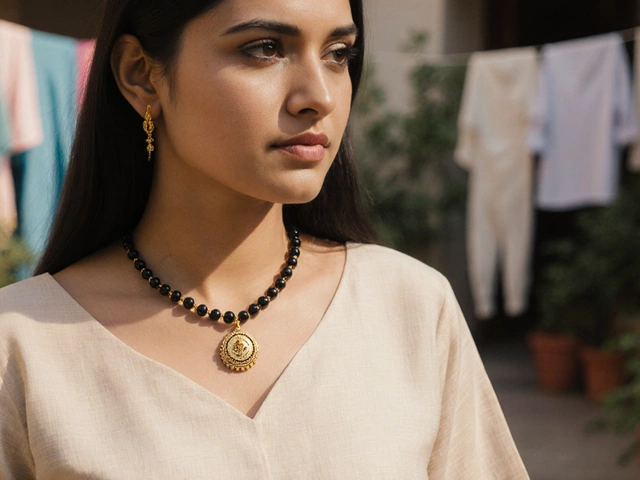
Many people think antique jewelry is just melted-down gold. That’s a mistake. A 1930s Indian temple pendant with hand-engraved floral patterns and kundan stones doesn’t lose value just because it’s old - it gains it. The craftsmanship, the rarity, the history - these aren’t just nice-to-haves. They’re what make the piece valuable.Take a 1947 Jaipur-made gold necklace with emerald inlays. The gold weight might be 85 grams, but the real value? The fact that it was made by a family of royal jewelers using techniques that died out in the 1970s. That’s not just jewelry. It’s a piece of cultural heritage. Buyers who understand this pay 3 to 5 times more than pawn shops that only care about the gold price.
Who Pays the Most? The Real Buyers
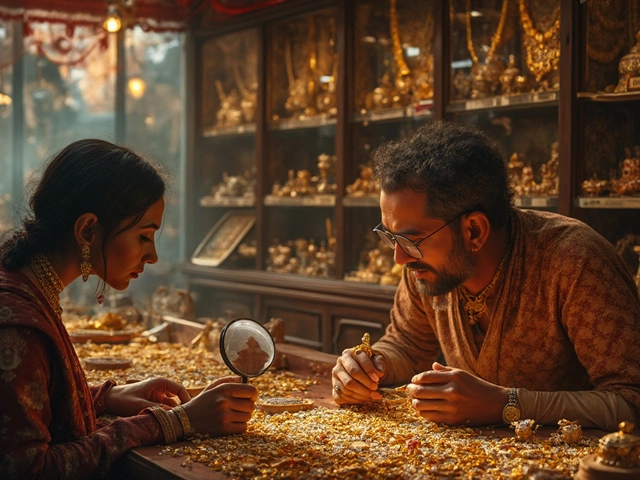
Not all buyers are created equal. Here’s who actually gives you the most money:- Specialist antique jewelry dealers - These are people who travel across India, attending estate sales in Lucknow, Hyderabad, and Varanasi. They know the regional styles: Bidri work from Hyderabad, Kundan from Jaipur, Thewa from Pratapgarh. They don’t just weigh the gold. They look at the stone setting, the patina, the maker’s mark. They pay based on provenance.
- High-end auction houses - Sotheby’s, Christie’s, and regional players like Saffronart have dedicated South Asian antique jewelry auctions. They don’t buy directly from you, but if your piece has documented history (even a faded photo or a handwritten note), they’ll auction it. You’ll get 20-40% more than a dealer, but it takes 3-6 months and a 15% commission.
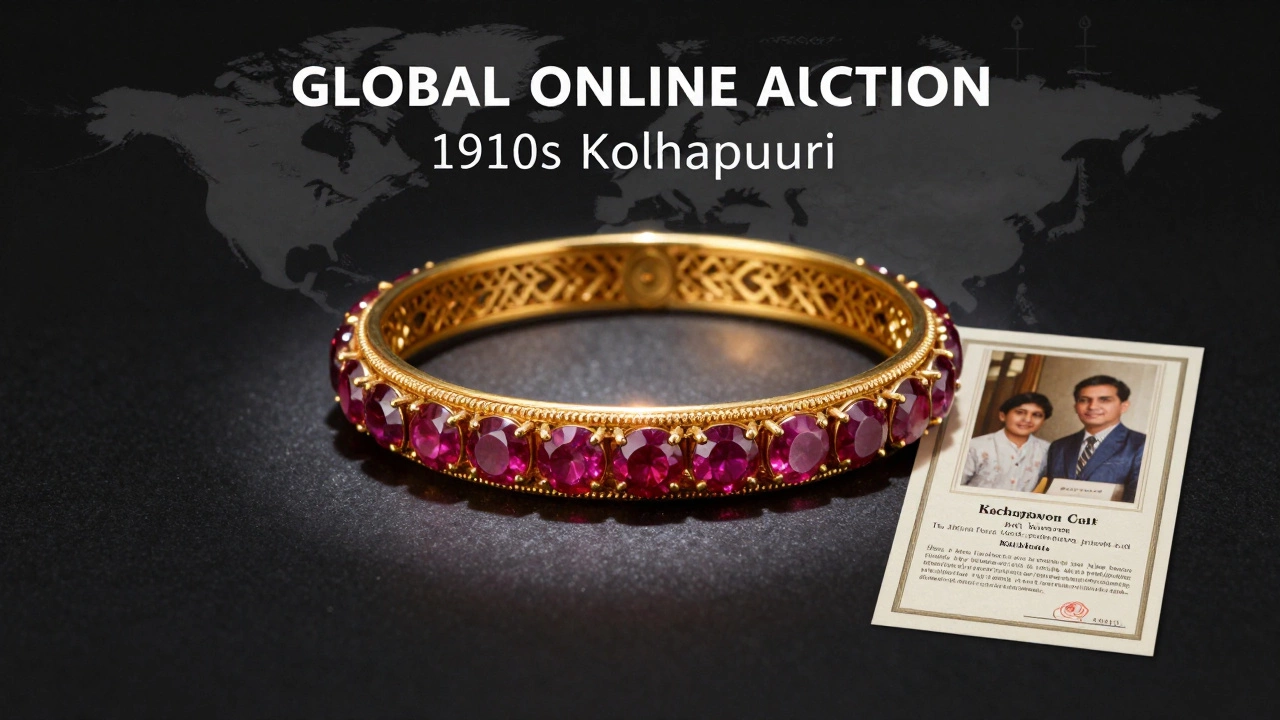
- Museum collectors and private collectors - These aren’t your average buyers. They’re academics, historians, or people who grew up with these pieces. They’ll pay premium prices for authenticity. A 1910s Kolhapuri bangle with 18k gold and 24 natural rubies? A collector might pay ₹18 lakh even if the gold alone is worth ₹5 lakh.
- Online platforms like Etsy and 1stdibs - These aren’t for everyone. You need high-quality photos, detailed descriptions, and provenance. But if you have a rare piece, you can reach global buyers willing to pay 3x what local shops offer.
Now, who pays the least? Pawn shops, local gold buyers, and those ‘cash for gold’ vans. They’ll give you ₹5,000 for a ₹45,000 piece because they only check the gold weight and ignore the craftsmanship.
What Makes Antique Jewelry Worth More Than Its Weight
The value of antique jewelry comes from five key factors:- Age - Pieces made before 1950 are considered antique. Those from 1920-1940 (Art Deco era) are especially sought after.
- Region of origin - A Mysore-style gold necklace from Karnataka has more value than a mass-produced one from Tamil Nadu because of the unique filigree work.
- Materials - Natural stones like unheated rubies, emeralds, and pearls increase value. Synthetic stones? Not so much.
- Condition - A piece with original stones, intact enamel, and no repairs is worth far more than one that’s been reworked. Even minor damage like a missing clasp can cut value by 30%.
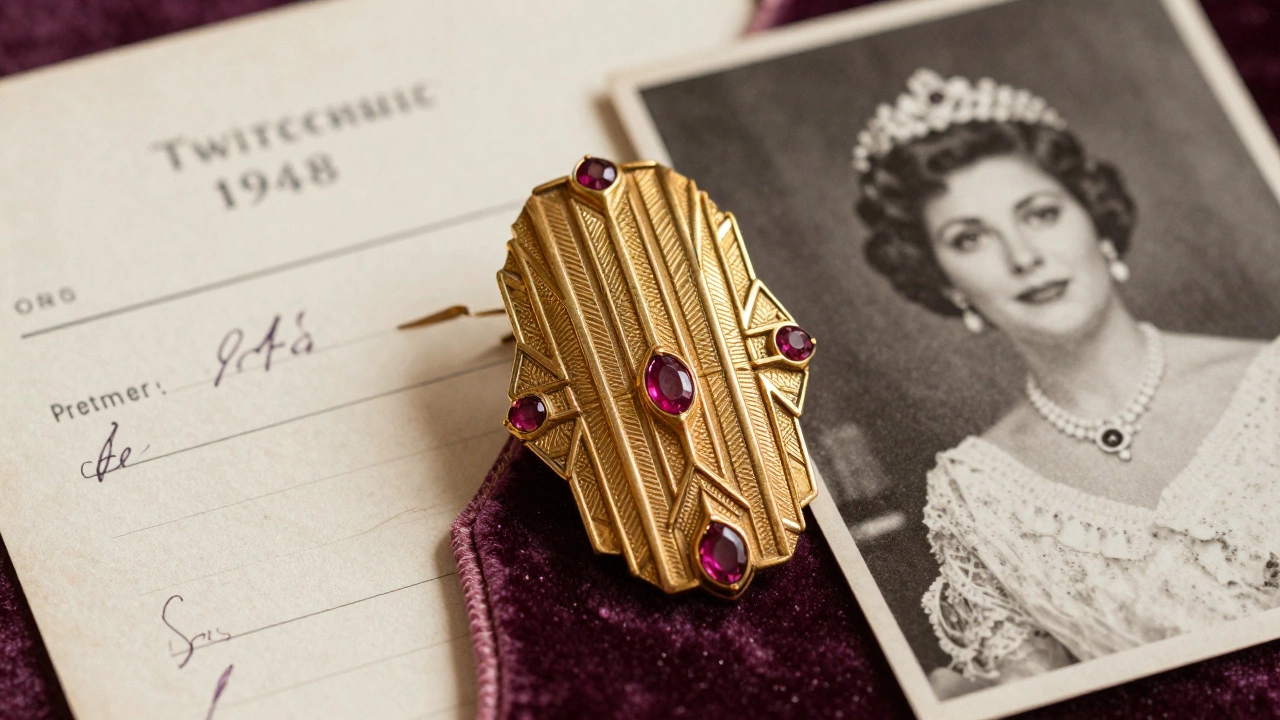
- Provenance - This is the secret weapon. If you have a letter from the original owner, a photo of someone wearing it at a royal wedding, or even a receipt from 1948 - that’s gold. Literally.
How to Get the Best Price
You don’t need to be an expert. But you do need to know how to present your piece.- Don’t clean it - Polishing antique jewelry removes the patina, which is a sign of age and authenticity. A dull, untouched surface is more valuable than a shiny one.
- Take clear photos - Use natural light. Show the front, back, clasp, and any marks. Include a ruler or coin for scale.
- Write down what you know - Who owned it? Where was it bought? Any stories? Even small details help.
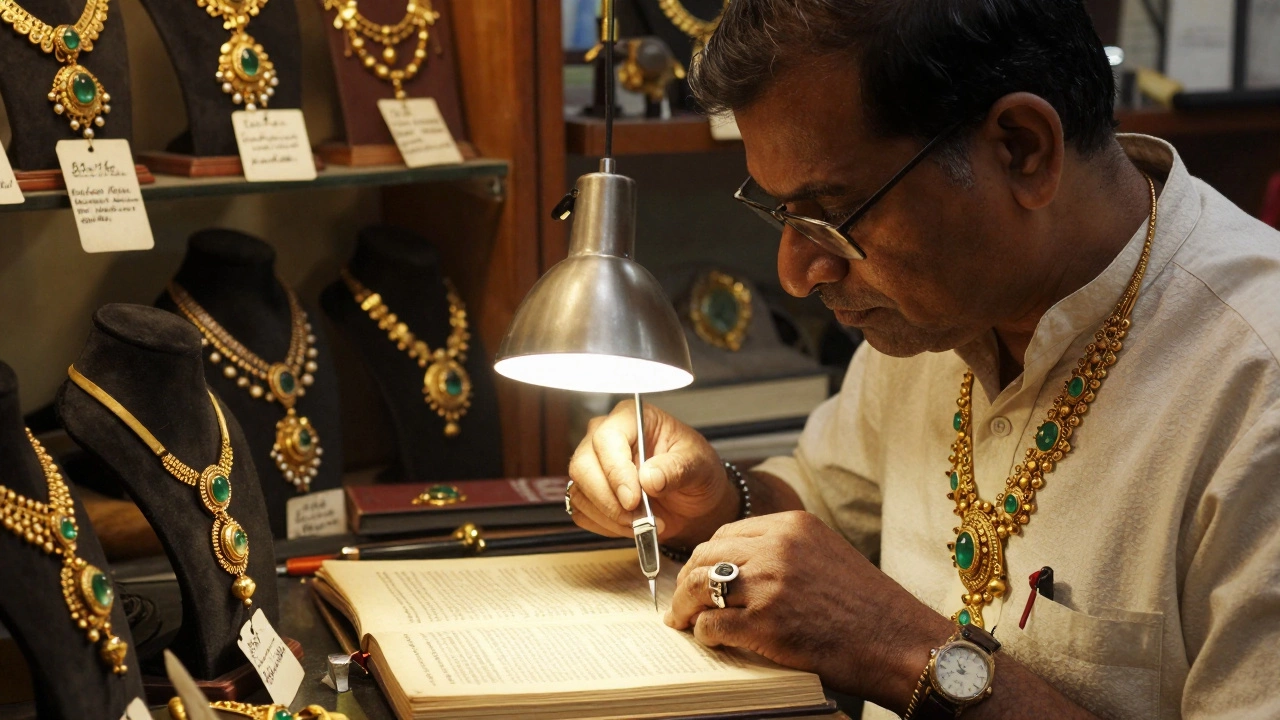
- Get a written appraisal - Visit a certified gemologist or antique jewelry expert. In Mumbai, places like the Gemological Institute of India (GII) or the Indian Institute of Gemology offer appraisals for ₹1,500-₹3,000. That’s cheap insurance.
- Don’t rush - If someone offers cash on the spot, walk away. The best deals take time.
What to Avoid
There are scams everywhere. Here’s how to protect yourself:- Don’t sell to strangers at home - A man with a scale and a bag of cash isn’t a buyer. He’s a thief waiting to happen.
- Don’t trust online buyers who don’t ask questions - If they offer top price without seeing the piece or asking about provenance, they’re trying to lowball you.
- Don’t sell without documentation - If you don’t have a receipt, get an appraisal first. Otherwise, you’re guessing your value.
- Don’t assume all gold is equal - 22k gold from 1930s India is purer than modern 22k because it wasn’t alloyed with copper or silver. Buyers who know this will pay more.
Real Example: A Piece That Sold for 5x Its Gold Value
In 2024, a woman in Chennai inherited a 1923 gold mangalsutra from her great-grandmother. The gold weight was 110 grams. Local buyers offered ₹75,000. She took it to a specialist dealer in Delhi who recognized the unique kundan work and the original ruby stones. He showed it to a collector in London who had been searching for a piece from the princely state of Travancore. The final sale? ₹4.2 lakh. The gold alone was worth ₹7.5 lakh - but the craftsmanship and history added ₹3.45 lakh in value.Where to Start
If you’re sitting on antique jewelry, here’s your first step:- Take clear photos of every angle.
- Write down any stories, names, or dates you know.
- Visit a certified appraiser in your city - Mumbai, Delhi, Kolkata, or Hyderabad have the best options.
- Get a written appraisal with a stamp and signature.
- Then, reach out to three antique jewelry dealers who specialize in Indian heritage pieces.
Don’t settle for what the first buyer says. The right buyer will see what you see - not just metal, but memory.