Jewelry Hallmark Decoder
Enter the numbers or letters stamped on your jewelry below to reveal what they mean.
Metal Type
Purity information will appear here.
No mark entered yet.
Enter a stamp from your jewelry above.
You find a ring in your grandmother’s jewelry box. It’s heavy, tarnished, and beautiful. But is it solid gold? Is it from the Victorian era or just a good replica from the 1980s? The answer lies in tiny stamps on the inside of the band. These are jewelry marks, also known as hallmarks. They are the fingerprints of the piece, telling you exactly what it’s made of and who made it. Yet, most people look at these stamps and see only gibberish. Don’t worry. Decoding them isn’t rocket science; it’s more like reading a very small, very old language.
Identifying these marks saves you money and heartache. If you’re buying an antique, knowing the mark prevents you from paying gold prices for plated metal. If you’re selling, it helps you price it correctly. Let’s break down how to spot, read, and understand these critical identifiers.
The Anatomy of a Hallmark
A hallmark isn’t just one stamp. In many countries, especially those with long traditions like the UK, France, and India, a full hallmark consists of several distinct symbols working together. Think of it as a passport for your jewelry. It needs a visa, a photo, and an entry stamp to be valid.
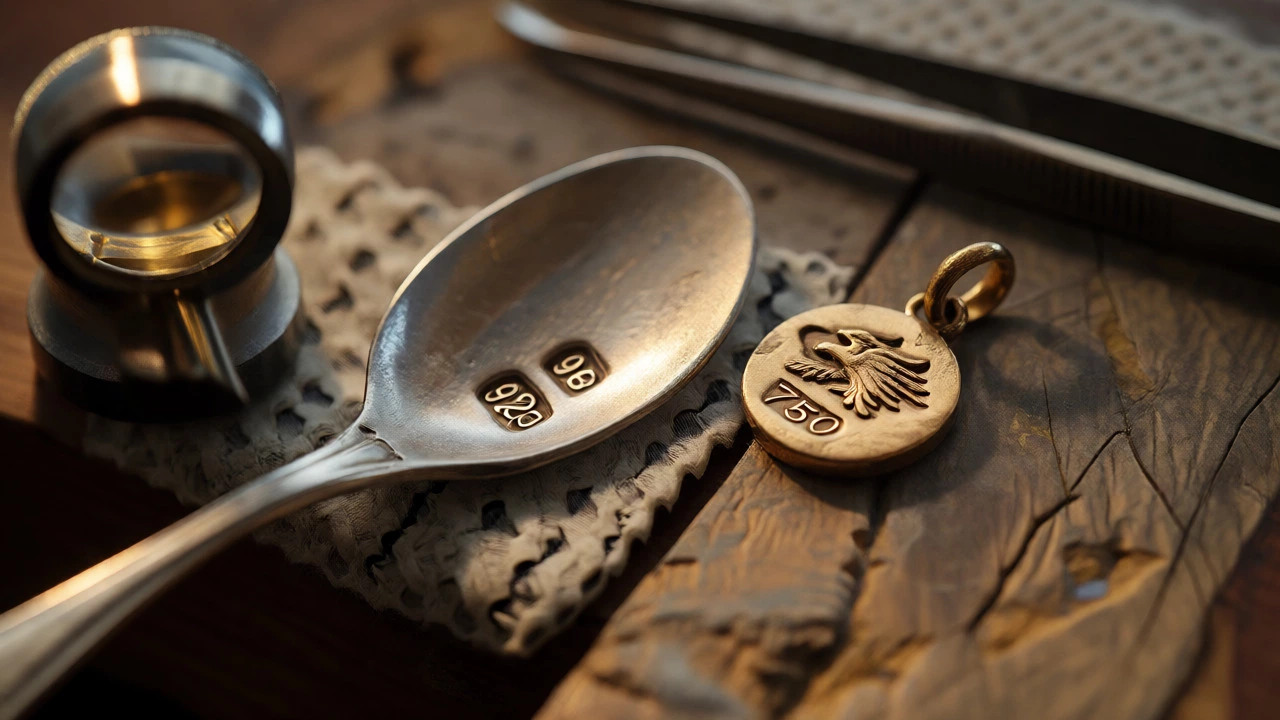
First, there’s the Sponsor’s Mark. This identifies the manufacturer or jeweler who submitted the item for testing. It’s usually a set of initials inside a shield or shape. Second, the Fineness Mark tells you the purity of the metal. For example, "750" means 18-karat gold (75% pure), while "925" indicates sterling silver. Third, the Assay Office Mark shows which lab tested the metal. Finally, the Date Letter pinpoints when it was tested. Not every piece has all four, but the fineness mark is almost always present on modern regulated jewelry.
Gold Purity Codes You Need to Know
When you turn a ring over, you might see numbers like 375, 585, 750, or 916. These aren’t random. They represent the percentage of pure gold in the alloy. This metric system is standard globally, though older pieces might use karats (K).
| Metric Mark | Karat Equivalent | Pure Gold Percentage | Common Use Case |
|---|---|---|---|
| 375 | 9K | 37.5% | Budget jewelry, durable everyday wear |
| 585 | 14K | 58.5% | Most common in US and Europe, balance of durability and value |
| 750 | 18K | 75% | Luxury brands, engagement rings, higher gold content |
| 916 | 22K | 91.6% | Traditional Indian and Middle Eastern bridal jewelry |
| 999 | 24K | 99.9% | Bullion, coins, soft decorative pieces |
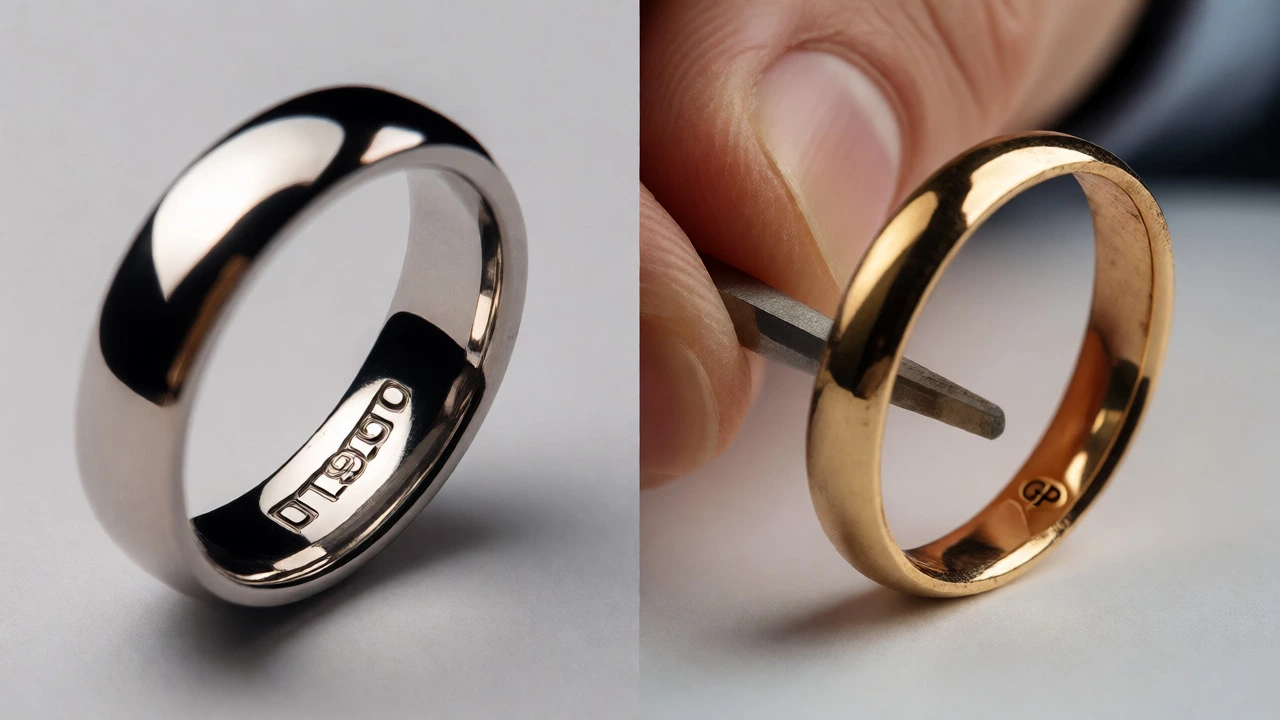
If you see "GP" or "GF," watch out. Gold Plated (GP) means a thin layer of gold over base metal. Gold Filled (GF) is thicker and more durable, legally requiring at least 5% gold weight by mass. Neither is solid gold, so don’t pay solid gold prices for them.
Decoding Silver Stamps
Silver marks are often easier to spot because they tend to be larger. The most common mark worldwide is "925." This confirms the item is Sterling Silver, which is 92.5% pure silver mixed with 7.5% other metals (usually copper) for strength. Pure silver is too soft for jewelry, so this alloy is essential.
In the UK, you might see a lion passant (a walking lion) alongside the number. That’s the traditional symbol for sterling silver tested in London. If you see a thistle, it’s Edinburgh. A leopard head? Also London, but specifically for older standards. French silver uses the Minerva head for first-standard silver (950 purity). If your piece lacks a "925" but feels light and turns your skin green quickly, it’s likely silver-plated brass or nickel, not solid sterling.
Platinum and Palladium Clues
These white metals are denser and heavier than gold. Their marks are specific. Platinum is usually stamped "PT," "PLAT," or a number like "950" (indicating 95% purity). If you see "Pt900," it’s slightly less pure but still genuine platinum.
Palladium is trickier. It became popular as a platinum alternative in the early 2000s. Look for "PD" or "Pd950." Be careful: some older white gold pieces were mislabeled as palladium by unscrupulous sellers. Always check the density. Palladium is lighter than platinum but heavier than white gold. If it feels suspiciously light for its size, it might be titanium or steel, which are sometimes mistaken for precious metals due to their silvery color.
Maker’s Marks vs. Country of Origin
Once you’ve identified the metal, look for the maker’s mark. This is where detective work begins. A simple initial inside a square might mean nothing to you, but it could identify Tiffany & Co., Cartier, or a local artisan.
Country codes are also vital. "Italy" or "Made in Italy" suggests high craftsmanship but doesn’t guarantee purity unless accompanied by a star and number (e.g., *750*). In Italy, the maker’s code is a number within a star, unique to each licensed jeweler. You can look up these numbers online in Italian registry databases. Similarly, French gold uses an eagle’s head for 18k and a boar’s head for lower carats. German silver often features a crescent moon and crown.
Here’s a quick rule of thumb: if the mark is crisp and clear, it’s likely machine-stamped post-1970s. If it’s faint, uneven, or hand-engraved, it’s probably older, possibly pre-1900. Hand-stamping requires a hammer and punch, leaving deeper, irregular impressions.
Tools and Techniques for Better Visibility
Jewelry marks are tiny. Sometimes smaller than a grain of sand. Trying to read them with the naked eye under bathroom lighting is frustrating. Here’s how to do it right:
- Use a Loupe: A 10x jeweler’s loupe is cheap and essential. Hold it close to your eye, bring the jewelry close to the loupe, and adjust focus slowly. Do not move the jewelry; move your head.
- Clean the Area: Dirt and polish residue hide marks. Gently scrub the inside of the band with a toothbrush and mild soap. Dry it completely before inspecting.
- Angled Light: Shine a flashlight from the side, not directly above. This creates shadows that make the indentations pop out.
- Smartphone Macro Mode: Modern phones have macro lenses. Take a photo, zoom in digitally, and use editing apps to increase contrast. This often reveals details invisible to the eye.
If the mark is worn off-which happens frequently on rings-you’ll need to rely on other clues. Check the clasp style, the type of setting for stones, and the overall design aesthetic. An old-fashioned lobster claw clasp suggests post-1970s, while a spring ring clasp points to earlier decades.
When Marks Lie: Red Flags
Not everything stamped "18K" is real. Counterfeiters copy popular marks. If the piece feels too light for gold, suspect plating. If the "925" is laser-etched rather than stamped, be cautious; while not always fake, it’s less common in high-end antiques. Laser marking is cheaper and used by mass-market brands.
Also, beware of "gold-tone" or "silver-tone." These terms explicitly mean no precious metal content. If you see "EPNS" (Electroplated Nickel Silver), it’s a base metal coated with silver. It looks great initially but will wear through to yellowish brass over time.
For valuable pieces, don’t guess. If you find a mark you can’t decode, take it to a certified appraiser or a reputable pawn shop. They have acid test kits and XRF analyzers that confirm composition without damaging the piece. It’s worth the $50-$100 fee if you’re unsure about a potential heirloom.
Frequently Asked Questions
What does the number 925 mean on my necklace?
The number 925 indicates that the item is Sterling Silver. It means the metal is 92.5% pure silver and 7.5% other metals, typically copper, added for durability. This is the global standard for sterling silver jewelry.
Is a piece marked 14K always solid gold?
Usually, yes, but not always. While 14K signifies 58.5% gold content, counterfeiters can stamp fake pieces. Additionally, gold-filled items may have internal markings indicating the core material. Always verify with a magnet test (real gold isn't magnetic) or professional appraisal if the price seems too good to be true.
Why can’t I find any marks on my antique brooch?
Hallmarking laws weren’t universal until the late 19th or early 20th century. Many antique pieces, especially those made before 1900 or in regions with lax regulations, lack marks. Wear and tear can also erode tiny stamps over centuries. In these cases, rely on stylistic analysis and professional testing.
What is the difference between GP and GF?
GP stands for Gold Plated, which involves a microscopic layer of gold bonded to a base metal. GF stands for Gold Filled, which bonds a much thicker layer of gold (legally at least 5% of total weight) to a base metal core. Gold filled is far more durable and valuable than gold plated.
Can I clean my jewelry to see the marks better?
Yes, gently cleaning the area around the mark with warm water, mild dish soap, and a soft toothbrush can reveal hidden stamps. Avoid harsh chemicals or ultrasonic cleaners if you suspect the piece is fragile or has glued components, as these can damage antique settings.