Antique Jewelry Safety & Care Checker
Assessment Checklist
Select the statements that apply to your piece or your current handling habits.
Safety Score
Analysis Result
Recommendations:
Imagine finding a stunning Art Deco ring at an estate sale or inheriting a delicate Victorian locket from your grandmother. The piece is breathtaking, but before you slip it on for your next big event, a question pops into your head: Is it actually safe to wear antique jewelry?
The short answer is yes, absolutely. Wearing antique jewelry is not only okay; it’s one of the best ways to keep history alive and add unique character to your style. However, "okay" comes with a few important caveats regarding structural integrity, skin sensitivity, and proper care. Unlike modern mass-produced accessories, pieces made before 1920 have lived through decades-or even centuries-of use. They require a different approach to handling than your everyday costume jewelry.
Defining What Makes Jewelry "Antique" vs. "Vintage"
Before we talk about safety, let’s clear up a common confusion. In the jewelry world, age matters more than you might think. If you’re looking at a piece made before 1920, that is officially classified as antique jewelry. This term specifically refers to items that are at least 100 years old. Think Victorian (1837-1901), Edwardian (1901-1910), or Art Deco (1920-1935) eras.
If the piece was made between 1920 and the 1990s, it’s called vintage jewelry. While vintage pieces are also collectible, they generally have more durable settings because manufacturing techniques improved significantly in the mid-20th century. When people ask if it’s okay to wear antique jewelry, they are often worried about fragility. Understanding this distinction helps you gauge how much stress a piece can handle.
Safety First: Structural Integrity and Stone Settings
The biggest risk when wearing antique jewelry isn’t that it will break instantly-it’s that it may break unexpectedly. Modern jewelry uses prong settings that are tightly secured with precision machines. Antique pieces, especially those from the Victorian era, often use older setting styles like bezel settings (where metal wraps around the stone) or gypsy settings.
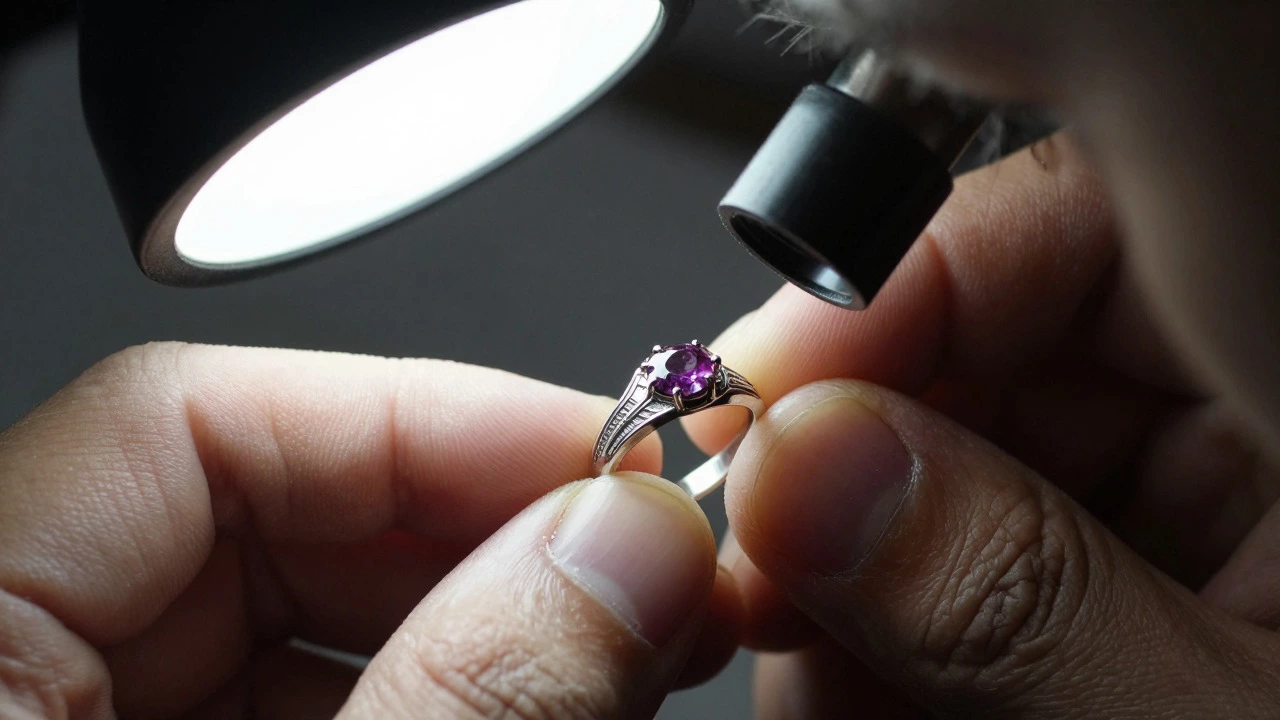
- Check the Prongs: Look closely at the tiny metal claws holding gemstones. Are they worn down? If you see light shining through the base of a diamond or ruby, the prong is too thin. A jeweler can re-tip these easily.
- Inspect the Clasps: Antique clasps, particularly on necklaces and bracelets, can be brittle. Test them gently. If they feel stiff or look corroded, don’t force them. Replace the clasp with a secure lobster claw or box clasp designed for heirlooms.
- Beaded Necklaces: Silk threads rot over time. Even if the beads look fine, the string inside might be disintegrating. Have any beaded antique necklace restrung on silk-wrapped nylon thread for extra durability.
If you plan to wear an antique ring daily, consider getting it professionally inspected every six months. It’s a small price to pay compared to losing a sapphire in a sink drain.
Skin Sensitivity: Allergies and Metal Composition
Your skin reacts differently to metals depending on their purity and alloy composition. Many antique pieces contain high percentages of gold (18k or 22k), which is generally hypoallergenic. However, some older pieces, particularly from the early 20th century, might contain trace amounts of nickel or other alloys that could cause irritation for sensitive skin.
Also, beware of vermeil (gold-plated silver). Over time, the gold layer wears off, exposing the silver underneath. If you have a nickel allergy, check the inner band of rings or the backs of earrings. If you notice redness or itching after wearing a piece, take it off immediately. Clean the area with mild soap and water, and consult a dermatologist if the reaction persists.
Style Tips: How to Wear Antique Jewelry Today
Wearing antique jewelry doesn’t mean you have to dress like you just stepped out of a period drama. In fact, mixing old and new creates some of the most interesting looks in fashion right now.
- Mix Eras: Pair a chunky Art Deco bracelet with a simple white t-shirt and jeans. The contrast highlights the intricate details of the jewelry without overwhelming your outfit.
- Layering: Delicate Victorian chains look beautiful layered under a modern pendant. Just ensure the lengths vary so they don’t tangle.
- Statement Pieces: Let one antique item be the star. If you’re wearing a bold brooch or large earrings, keep the rest of your jewelry minimal. This draws attention to the craftsmanship of the antique piece.
Think of antique jewelry as a conversation starter. People love asking about unique pieces, so be ready to share its story. Did it come from a specific region? Was it handmade by a known artisan? These details add value beyond the monetary worth.

Care and Maintenance: Keeping Heirlooms Safe
You wouldn’t drive a classic car like a race car, and you shouldn’t treat antique jewelry like everyday wear either. Here’s how to maintain your collection:
- Avoid Harsh Chemicals: Perfumes, lotions, and cleaning agents can damage porous gems like pearls and opals. Always put on your jewelry last when getting dressed and remove it first when undressing.
- Store Properly: Keep pieces separate to prevent scratching. Use soft pouches or lined jewelry boxes. For silver items, include anti-tarnish strips to slow oxidation.
- Professional Cleaning: Don’t use ultrasonic cleaners unless a professional says it’s safe. Some stones, like emeralds and turquoise, are fragile and can crack under vibration. Stick to gentle soaking in warm soapy water and brushing with a soft toothbrush.
If you live in a humid climate, store your jewelry in a cool, dry place. Moisture accelerates tarnishing and can weaken glue used in some older settings.
Authentication: Avoiding Fakes and Reproductions
Not everything labeled "antique" is genuine. The market is flooded with reproductions that mimic vintage styles. To ensure you’re buying real antiques:
- Look for Hallmarks: Gold and silver pieces usually have stamps indicating purity (e.g., 14K, 925). Research hallmark symbols specific to the country and era of origin.
- Examine Craftsmanship: Handmade pieces show slight imperfections. Machine-made reproductions are often too perfect. Look for hand-engraving, irregular bead sizes, or uneven filigree work.
- Buy from Reputable Sources: Estate sales, auction houses, and certified dealers provide provenance documents. Ask for a certificate of authenticity if the piece claims to be from a famous designer or era.
If you’re unsure, take the piece to a certified gemologist. They can use magnification tools to identify tool marks consistent with historical manufacturing methods.
Can I wear antique jewelry in the shower?
No, it’s best to avoid wearing antique jewelry in the shower. Soap scum builds up on stones, making them look dull. Hot water can expand metal settings, potentially loosening stones. Additionally, chemicals in shampoos and body washes can corrode older metals and damage porous gems like pearls.
Is it safe to sleep with antique jewelry?
Generally, no. Sleeping with rings can trap moisture and bacteria against the skin, leading to irritation. More importantly, tossing and turning can snag chains or bend delicate settings. Remove all jewelry before bed to preserve its shape and cleanliness.
How do I clean antique jewelry at home?
Use a mild dish soap mixed with lukewarm water. Soak the piece for 15-20 minutes, then gently brush with a soft-bristled toothbrush. Rinse thoroughly and pat dry with a lint-free cloth. Avoid ammonia-based cleaners unless you know the metal type, as they can damage certain stones.
What should I do if a stone falls out?
Stop wearing the piece immediately to prevent further damage. Place the loose stone in a soft container and take both the stone and the setting to a reputable jeweler. They can assess whether the original setting can be repaired or if a new one needs to be crafted to match the antique style.
Does insurance cover antique jewelry?
Standard homeowner’s or renter’s insurance often has low limits for jewelry theft or loss. Consider adding a rider or floater to your policy that covers the full appraised value of your antique pieces. Get a professional appraisal updated every three to five years to ensure accurate coverage.