Jewelry Dropshipping Profitability Calculator
📊Enter Your Metrics
Profitability Analysis
Enter your metrics on the left and click calculate to see if your jewelry niche is viable in 2026.
| Gross Revenue | $0.00 |
| Total Costs (COGS + Ship + Ads + Fees) | -$0.00 |
| Impact of Returns | -$0.00 |
| Net Profit Per Sale | $0.00 |
| Net Margin % | 0% |
| ROI (Return on Ad Spend) | 0x |
Visual representation of Net Margin (Target: >20%)
💡 Expert Insight
You’re staring at your screen, wondering if selling shiny things is the ticket to financial freedom. It’s tempting. The margins look juicy, the products are small enough to fit in an envelope, and everyone seems to be buying them on Instagram. But here’s the cold hard truth: jewelry is one of the most saturated, competitive, and emotionally driven niches in e-commerce. Is it still worth it in 2026? Yes, but only if you stop treating it like a lottery ticket and start treating it like a brand.
Most beginners fail because they try to sell generic stainless steel rings from AliExpress without a story. They get buried under thousands of identical listings. To succeed, you need to understand why people buy jewelry. It’s not about the metal; it’s about identity, memory, or status. If you can crack that code, the logistics become manageable. If you can’t, you’ll end up with a garage full of unsold inventory and a drained ad budget.
The State of the Jewelry Market in 2026
Let’s look at the numbers before we talk feelings. The global jewelry market is massive, projected to hit over $350 billion by 2027. But don’t let that big number fool you. The growth isn’t coming from diamond solitaires anymore. It’s coming from affordable luxury, personalized pieces, and sustainable materials. Consumers in 2026 are smarter. They know what gold-plated means versus solid gold. They care about ethical sourcing. They want unique designs that don’t scream "dropshipped." This shift changes everything for dropshippers. You can no longer rely on cheap, mass-produced items. The sweet spot has moved toward mid-range pricing ($20-$80) where customers expect decent packaging and a brand story. This is where jewelry making kits and DIY components have exploded in popularity. People aren't just buying finished products; they're buying experiences. Selling a kit to make a necklace often has better margins than selling the necklace itself because you’re tapping into the hobbyist market, which is less price-sensitive than the gift-buyer market.
Why Jewelry Dropshipping Works (The Pros)
So, why do so many entrepreneurs still flock to this niche? There are genuine advantages that make it attractive compared to selling electronics or furniture.
- Small Size, Low Shipping Costs: Jewelry is tiny. You can ship a package weighing under 100 grams. This keeps shipping costs low, even for international orders. Unlike bulky home decor, you won’t see your profit margin eaten alive by freight charges.
- High Perceived Value: A pair of earrings that costs $2 to source can easily sell for $25-$40. Customers judge jewelry by its appearance and packaging, not just its weight. If you present it well, the markup feels justified.
- Emotional Purchasing: People buy jewelry when they feel happy, sad, or celebratory. These impulse buys happen fast. With the right visual marketing, conversion rates can be surprisingly high.
- Variety Without Inventory Risk: You can offer hundreds of styles-boho, minimalist, vintage, temple-without holding stock. If a style doesn’t sell, you simply remove it. No dead stock sitting in a warehouse.
The Hidden Traps (The Cons)
It’s not all sunshine and sparkles. Here’s where beginners get burned.
Quality Control is a Nightmare. When you dropship, you never touch the product. One bad batch of tarnishing necklaces can destroy your reputation. In jewelry, quality is tangible. If a chain breaks or a stone falls out, the customer feels cheated. Returns in jewelry are higher than average because the item might look different in person than in the photo.
Fierce Competition. Search for "gold plated ring" on Amazon or Etsy, and you’ll see pages of results. Many of these sellers are using the same suppliers. How do you differentiate? Usually, you can’t compete on price. You have to compete on branding and content.
Sizing and Fit Issues. Rings and bracelets require precise sizing. Returns due to wrong size are common. While necklaces are easier, rings are risky. You need clear size guides and excellent customer service to handle exchanges.
Niche Down or Die Trying
Trying to sell "jewelry" is like trying to sell "food." It’s too broad. You need to pick a lane. Here are three viable sub-niches for 2026 that avoid direct competition with major retailers.
| Niche | Target Audience | Avg. Margin | Competition Level | Key Challenge |
|---|---|---|---|---|
| Personalized Name Necklaces | Gift buyers, moms, teens | High (50-70%) | Very High | Longer production times |
| Sustainable/Eco-Friendly | Ethical consumers, Gen Z | Medium-High | Medium | Verifying supplier claims |
| DIY & Making Kits | Hobbyists, crafters | High | Low-Medium | Explaining complexity |
| Temple/Antique Style | Cultural buyers, fashion-forward | Medium | Low | Niche marketing effort |
Personalized Items: This is huge. Adding a name or date increases perceived value instantly. However, customization adds lead time. Your supplier must be reliable. If they take 10 days to make a necklace, your shipping estimates must reflect that.
Sustainable Jewelry: Use recycled silver or biodegradable packaging. Market the story. "Buy this ring, save the ocean." This resonates deeply with younger buyers who check labels and ethics.
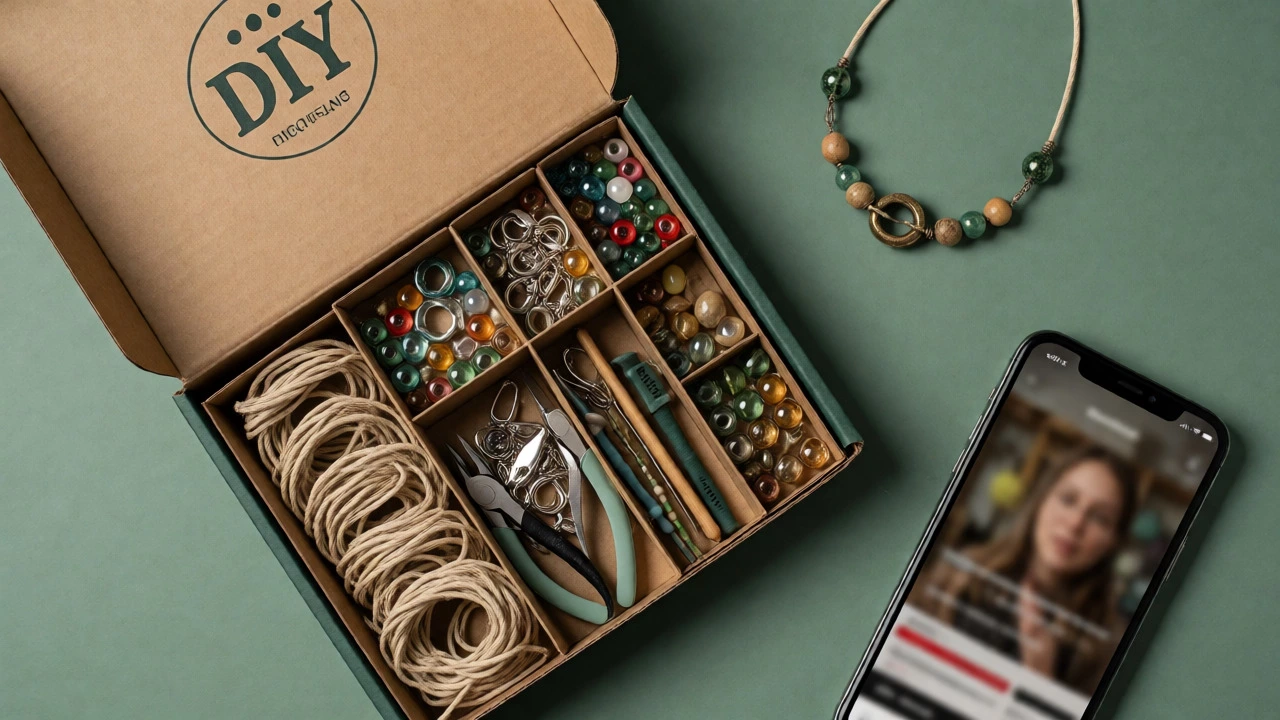
Jewelry Making Kits: As mentioned earlier, this is an underrated gem. Instead of selling a finished bracelet, sell the beads, string, and clasp. Include a QR code linking to a tutorial video. You’re selling entertainment and accomplishment, not just an accessory. Margins are excellent because raw materials are cheap.
Supplier Selection: The Make-or-Break Factor
Your supplier is your partner. Choose wisely. Avoid random AliExpress stores with mixed reviews. Look for specialized jewelry manufacturers on platforms like CJ Dropshipping, Spocket, or local Indian wholesalers if you’re targeting the Western market from India.
Ask these questions before listing any product:
- What is the base material? Is it brass, copper, stainless steel, or sterling silver? Be honest in your descriptions. "Gold-plated" is fine, but don’t call it "gold."
- How does it react to water/sweat? Will it turn skin green? If yes, state it clearly or choose hypoallergenic options.
- Can you send samples? Never launch without ordering a sample. Check the clasp strength, the finish, and the packaging.
- What is their return policy? If a customer complains about tarnish within 30 days, who pays for the replacement? Ensure your supplier covers defects.
In Mumbai, for instance, you have access to incredible craftsmanship. You could curate a collection of semi-precious stone jewelry sourced locally but dropshipped via a fulfillment center. This hybrid model gives you control over quality while keeping inventory light.

Marketing Strategy: Visuals Are Everything
Jewelry sells through eyes. You cannot use blurry supplier photos. You need high-quality lifestyle images. Show the jewelry being worn. Show it catching the light. Show it next to coffee cups or laptops to give scale.
Use short-form video (Reels/TikTok). Show the unboxing experience. Show the sparkle. Influencer marketing works wonders here. Send free pieces to micro-influencers in your niche. Their endorsement builds trust faster than any ad copy.
Consider bundling. Sell a necklace and earrings set. Increase your Average Order Value (AOV). Shipping one package instead of two improves profitability. Offer free shipping on orders over $50 to encourage upsells.
Financial Reality Check
Let’s run a quick scenario. You sell a necklace for $35. Cost of goods: $5. Shipping: $3. Ad spend (CAC): $10. Platform fees/Payment processing: $1. Total Cost: $19. Profit: $16 per sale. Sounds good? Now factor in returns. If 10% of customers return items, your effective cost goes up. If you spend more on ads to stand out, CAC rises. You need volume to make meaningful money. Realistically, aim for 50-100 sales a month initially to cover basic expenses. Scale requires reinvesting profits into better ads and wider product ranges.
Is It Worth It? The Verdict
Yes, jewelry is a good niche for dropshipping, but only if you treat it as a brand-building exercise, not a get-rich-quick scheme. The era of lazy dropshipping is over. Success now demands curated selections, transparent sourcing, and compelling storytelling.
If you love fashion, enjoy creating content, and are patient enough to test multiple products, go for it. Start small. Pick one sub-niche. Order samples. Build a simple Shopify store. Test ads. Iterate. If you hate dealing with returns and customer complaints, maybe stick to digital products. But for those willing to put in the work, the shine is still there.
Is jewelry dropshipping profitable in 2026?
Yes, but margins are tighter than before. Profitability depends on finding a specific sub-niche (like personalized or eco-friendly) rather than selling generic items. Typical net margins range from 20% to 40% after advertising costs.
What are the biggest risks in jewelry dropshipping?
The main risks are poor quality control leading to high return rates, long shipping times damaging customer satisfaction, and intense competition driving up advertising costs. Tarnishing and sizing issues are also frequent causes for refunds.
Do I need to hold inventory for jewelry dropshipping?
No, the core benefit of dropshipping is that you don't hold inventory. The supplier ships directly to the customer. However, ordering samples for quality checks is highly recommended before launching.
Which jewelry types sell best online?
Necklaces and earrings tend to perform best because they don't require precise sizing like rings. Personalized items, statement pieces, and affordable luxury sets are currently trending strongly in social commerce channels.
How much does it cost to start a jewelry dropshipping store?
You can start with $500-$1,000. This covers Shopify subscription, domain, initial product samples, and a modest testing budget for Facebook/Instagram ads. Costs can be lower if you use organic social media marketing.