Nose Pin Side Advisor
Not sure which side to pierce? Select a priority below to see traditional meanings, health beliefs, and style tips.
Cultural Tradition
Heritage & RitualsHealth & Wellness
Ayurvedic BeliefsModern Style
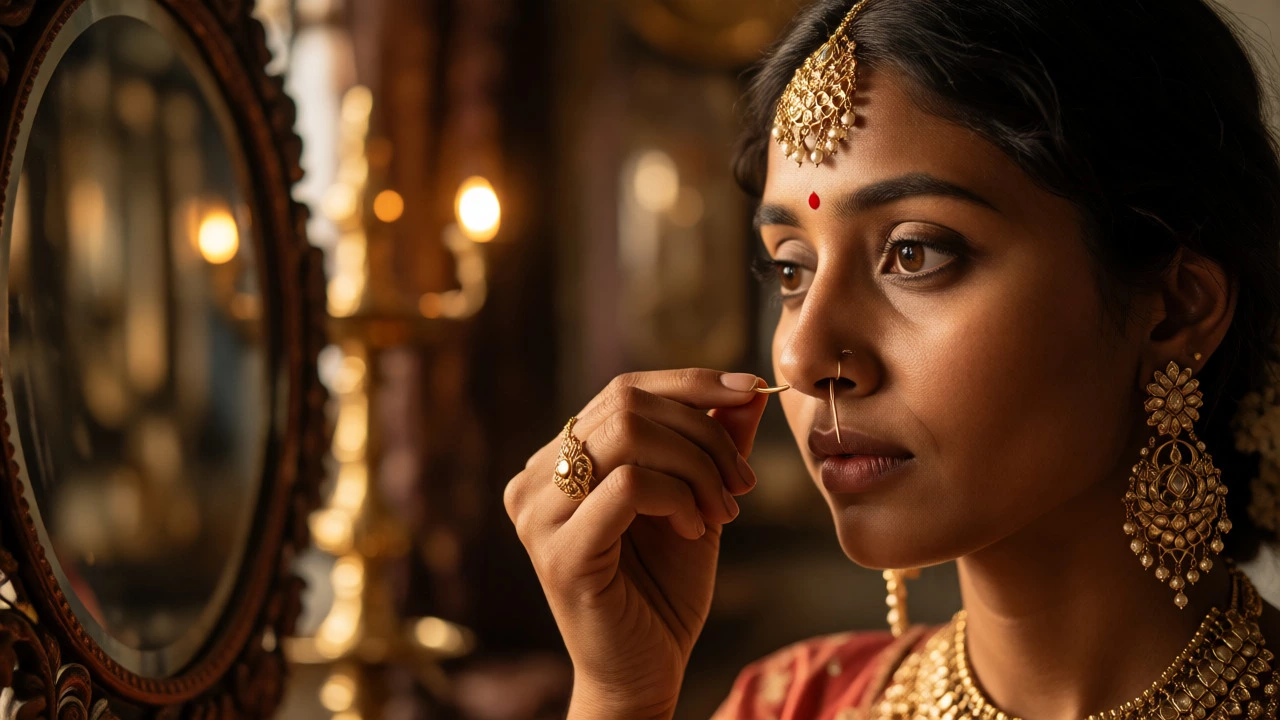
Aesthetics & ComfortYou are standing in front of the mirror, holding a delicate gold nose pin and wondering which nostril to pierce. It is not just about aesthetics; in many cultures, specifically across South Asia, the side you choose carries deep symbolic weight. If you are confused by conflicting advice from friends or outdated blogs, you are not alone. The answer depends entirely on your cultural background, health beliefs, and personal style preferences. This guide cuts through the noise to explain exactly why some women wear it on the left, others on the right, and what each choice signals to the world.
The Cultural Code Behind the Left Nostril
In traditional Hindu culture, particularly among women in North India and parts of Central India, the left nostril is the standard choice for wearing a nose ring or pin. This practice is deeply rooted in Ayurveda, the ancient Indian system of medicine. According to Ayurvedic principles, the left nostril is associated with the female reproductive organs. Specifically, it connects to the Ida Nadi, a subtle energy channel linked to lunar energy, calmness, and fertility.
Ayurveda suggests that piercing the left nostril can ease menstrual pain and reduce discomfort during childbirth. Many older generations swear by this, believing that the pressure point near the left nostril helps regulate hormonal fluctuations. While modern science does not fully validate the direct physiological link between a metal stud and uterine health, the placebo effect and the psychological comfort of adhering to tradition play significant roles. For married women in these communities, a left-side nose pin often signifies marital status, similar to how a mangalsutra functions in other regions.
Why Some Cultures Prefer the Right Side
If you look at traditional practices in Bangladesh, Pakistan, and certain communities in Nepal, the preference flips to the right nostril. In these regions, the right side is often considered auspicious for men, but for women, it has gained popularity as a fashion statement rather than a strict religious mandate. Historically, in some tribal communities, the right side was worn to ward off evil spirits, though this varies significantly by village and lineage.
Interestingly, in Western contexts, the "right side" debate often stems from misconceptions about LGBTQ+ coding in the 1970s and 80s, where a nose ring on the right might have signaled queer identity for men. However, for women in global fashion circles today, the right side is frequently chosen simply because it contrasts with their parting hair or highlights a specific facial feature. There is no inherent negative stigma attached to the right side in most modern urban settings. If you prefer the symmetry of having your nose pin on the same side as your ear piercing, the right side is a perfectly valid aesthetic choice.
| Feature | Left Nostril | Right Nostril |
|---|---|---|
| Primary Cultural Region | North India, Rajasthan, Madhya Pradesh | Bangladesh, Pakistan, Urban Global Fashion |
| Ayurvedic Association | Fertility, Menstrual Health, Female Energy | Male Energy (Pingala Nadi), Logic, Action |
| Traditional Symbolism | Marital Status, Prosperity | Fashion, Independence, Modernity |
| Common Jewelry Type | Nath (Hoop), Stud | Stud, Diamond Ring |
Religious and Regional Variations You Should Know
India is not a monolith when it comes to jewelry traditions. What holds true in Delhi might be irrelevant in Chennai. In South India, particularly among Tamil and Telugu communities, nose rings are traditionally worn on the left side as well, but they are often larger hoops known as mookkuthi. These are less about daily wear and more about ceremonial significance. In contrast, in Maharashtra, the nath is a crucial part of bridal attire, usually worn on the left, but modern brides are increasingly opting for smaller studs on either side based on comfort and dress design.
It is also worth noting that in Islam, there is no specific scriptural command regarding which nostril a woman should pierce. Therefore, Muslim women in India often follow local cultural norms. If you live in Hyderabad, you might see both sides used interchangeably without any social judgment. The key takeaway here is context. Your location and community expectations matter more than a universal rulebook. If you are moving to a new city, observe what the women around you are doing before making a permanent decision.

Aesthetic Considerations: Balancing Your Face
Let’s move away from tradition for a moment and talk about visuals. Does one side actually look better? Often, yes. Human faces are rarely perfectly symmetrical. If you have a mole, scar, or distinct beauty mark on one cheek, placing your nose pin on the opposite side can create visual balance. For example, if you have a prominent dimple on your right cheek, a left-side nose pin draws attention upward and balances the lower face.
Consider your hairstyle too. If you consistently tuck your hair behind your left ear, a left-side nose pin creates a cohesive vertical line that elongates the face. Conversely, if you wear your hair down or swept to the right, a right-side nose pin might feel less cluttered. Try using temporary adhesive stickers or clip-on nose rings to test both sides before getting pierced. Take selfies in natural light and compare them. You will likely notice that one side feels more "you" than the other.
Practical Tips for Choosing Your Side
Before you book an appointment with a piercer, run through this checklist to ensure you make a choice you won’t regret:
- Check your dominant hand: If you are right-handed, you might find it easier to change or clean a nose pin on the right side. However, some people prefer the non-dominant side to avoid accidental bumps while sleeping or washing their face.
- Sleep habits: Do you sleep on your stomach or side? If you always sleep on your left side, a large hoop on the left might dig into your pillow and cause irritation. A small stud on the right could be more comfortable.
- Professional environment: Are you working in a conservative corporate office? In some traditional sectors, a visible nose pin on the left is accepted as cultural attire, while the right might be seen as purely decorative. Gauge your workplace culture.
- Future family planning: If you subscribe to Ayurvedic beliefs, consider the left side for potential health benefits related to menstruation and childbirth.
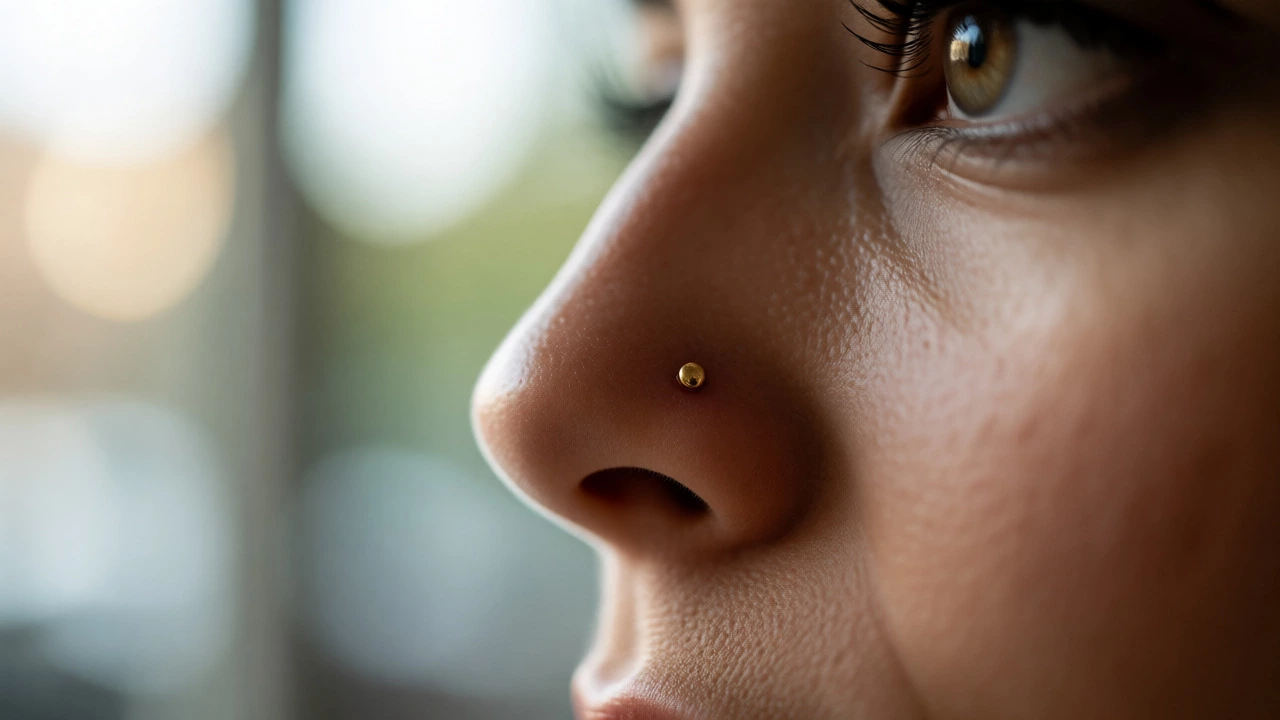
Remember, piercings heal differently depending on anatomy. Some people have thicker cartilage on one side, which can affect healing time. Consult with a professional piercer who can assess your nasal structure. They can tell you if your septum deviates slightly to one side, which might make one nostril a better candidate for a straight stud versus a curved post.
Breaking the Rules: When Personal Choice Wins
Here is the truth: nobody will ostracize you for picking the "wrong" side. In 2026, fashion is fluid. Young women in Mumbai and Bangalore are mixing traditions freely. You might see a bride wearing a heavy left-side Nath for her wedding ceremony and switching to a diamond stud on the right for her reception party. Both choices are valid.
The most important factor is your comfort and confidence. If you feel awkward wearing it on the left because it feels forced, you will carry yourself poorly. If you love the look of the right side, own it. Jewelry is meant to enhance your personality, not restrict it. Don’t let outdated superstitions dictate your self-expression unless those beliefs bring you genuine peace.
Frequently Asked Questions
Is it bad luck to wear a nose pin on the wrong side?
No, there is no universal bad luck associated with wearing a nose pin on the "wrong" side. Luck and symbolism are culturally dependent. In most modern contexts, it is purely a fashion choice. Only adhere to strict rules if your specific family or religious community mandates it.
Which side is best for reducing period pain?
According to Ayurvedic tradition, the left nostril is connected to the female reproductive system. Therefore, many believe that piercing the left side can help alleviate menstrual cramps and ease childbirth pains. However, scientific evidence supporting this is anecdotal rather than clinical.
Can I change my nose pin side after piercing?
You cannot move the hole itself, but you can get a second piercing on the opposite side. Alternatively, you can use clip-on nose rings or magnetic studs if you want to try different sides without committing to multiple piercings. Some people even remove the jewelry from one side and leave it empty while wearing it on the other.
Does the nose pin side indicate marital status?
In traditional North Indian Hindu culture, a nose ring on the left side often indicates that a woman is married. However, this custom is fading in urban areas. Today, unmarried women also wear nose pins on the left for fashion or health reasons, so it is no longer a reliable indicator of relationship status.
What type of nose pin is best for beginners?
For beginners, a simple screw-style stud or a flat-back labret stud is recommended. These are less likely to snag on clothes or hair compared to hoops or L-shaped posts. Choose hypoallergenic materials like titanium, surgical steel, or 14k gold to minimize allergic reactions during the healing process.