Indian Bangle Terminology Identifier
Ever wondered why the sound of clinking glass is so iconic in Indian weddings? You’re hearing Chooda, the vibrant red and white bangle set worn by brides. But that’s just one name in a rich vocabulary of traditional adornments. From the delicate Payal on your ankle to the heavy Kundan sets in your hand, each piece has a specific identity.
This guide breaks down exactly what these pieces are called, where they come from, and how to identify them without guessing. Whether you’re shopping for a wedding or just curious about the culture, knowing the right terms helps you communicate better with jewelers and understand the history behind the jewelry.
The Core Terminology: What Do We Actually Call Them?
In English, we simply say "bangles." In Hindi and many regional languages, the general term is Kangan (कंगन). However, this is a broad category. To be precise, you need to look at the material, the occasion, and the region.
- Kangan: The generic word for any rigid circular wrist ornament. It applies to glass, metal, plastic, or wood.
- Bangle: The standard English term used globally, including in India for modern fashion pieces.
- Bracelet: Technically different. A bracelet is usually flexible or hinged, while a bangle is rigid and open-ended or closed.
When people ask "what are Indian bangles called?", they are often looking for the specific cultural names rather than the generic English ones. Let’s dig into the most common types you’ll encounter in markets like Zaveri Bazaar in Mumbai or local artisan shops in Jaipur.
Wedding Specifics: Chooda and its Variations
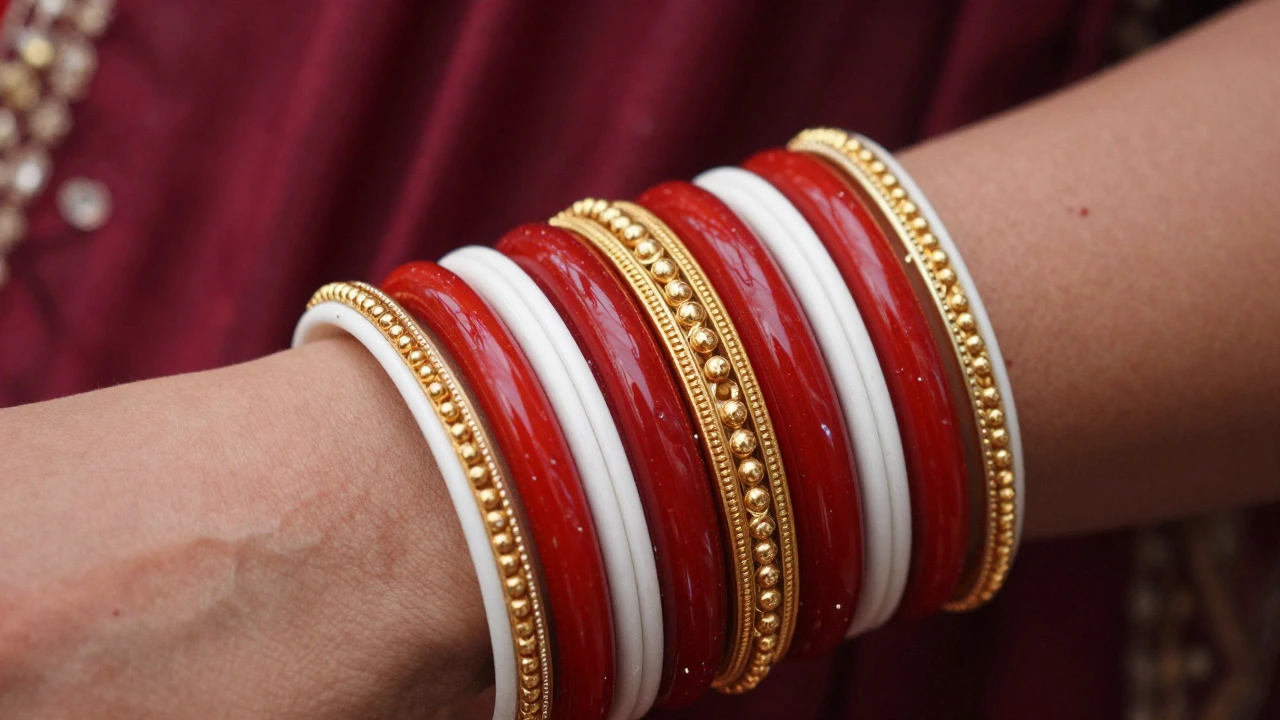
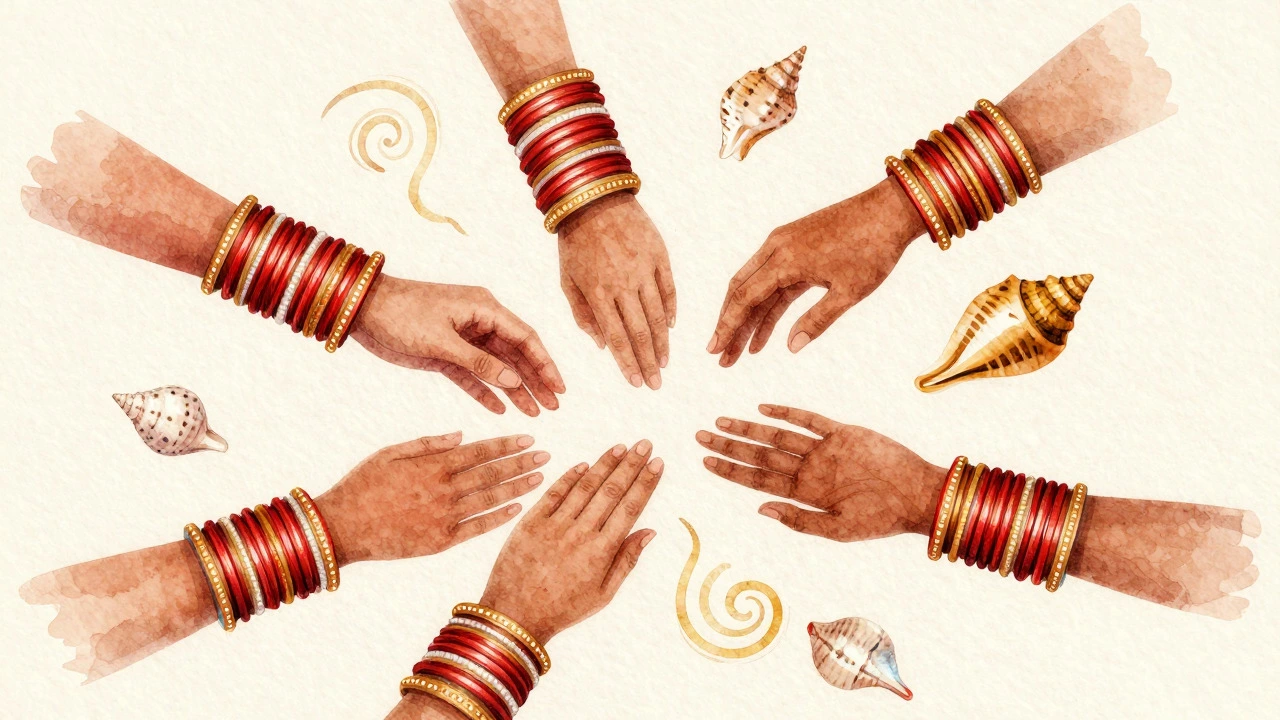
If you’ve watched an Indian wedding, you’ve seen the bride’s wrists stacked with thick, colorful bangles. This ensemble is called Chooda. It is not just one bangle; it’s a set.
Chooda typically consists of dozens of thin bangles made from lac, glass, or metal. They are traditionally red and white, symbolizing purity and marital bliss. In some North Indian communities, the bride wears them for days before the wedding, and the groom removes them during the ceremony. The weight can be significant, sometimes exceeding 500 grams per arm.
There are variations based on region:
- Punjabi Chooda: Known for being particularly long and elaborate, often extending past the elbow.
- Rajasthani Chooda: Features intricate designs and may include gold-plated pieces mixed with colored glass.
A key component of the Chooda set is the Saiya. This is a single, larger bangle worn among the smaller ones. It acts as a spacer or anchor and is often more ornate than the rest of the set.
Material-Based Names: Glass, Lac, and Metal
The material dictates much of the name and the social context. Not all bangles are created equal in terms of prestige or usage.
| Material | Common Name | Typical Usage | Price Range (Approx.) |
|---|---|---|---|
| Glass (Firoza) | Firoza Kangan | Daily wear, festivals | $10 - $50 |
| Lac (Resin) | Lac Bangle / Chooda | Weddings, bridal wear | $5 - $30 |
| Metal (Gold/Silver) | Kangan / Kada | Ceremonies, formal events | $100 - $5000+ |
| Wood/Bamboo | Wooden Kangan | Boho fashion, casual | $5 - $20 |
Firoza refers specifically to glass bangles. The term comes from Persian, meaning turquoise, but today it covers all colored glass bangles. High-quality Firoza is transparent, smooth, and rings when tapped. Lower quality versions are cloudy or brittle.
Kada is another term you’ll hear, especially for men’s jewelry or heavy metal bangles. While women also wear Kadas, they are generally thicker and more robust than typical female Kangans. In ancient texts, the Kada was a symbol of strength and protection.
Ankle Jewelry: Don’t Forget the Payal
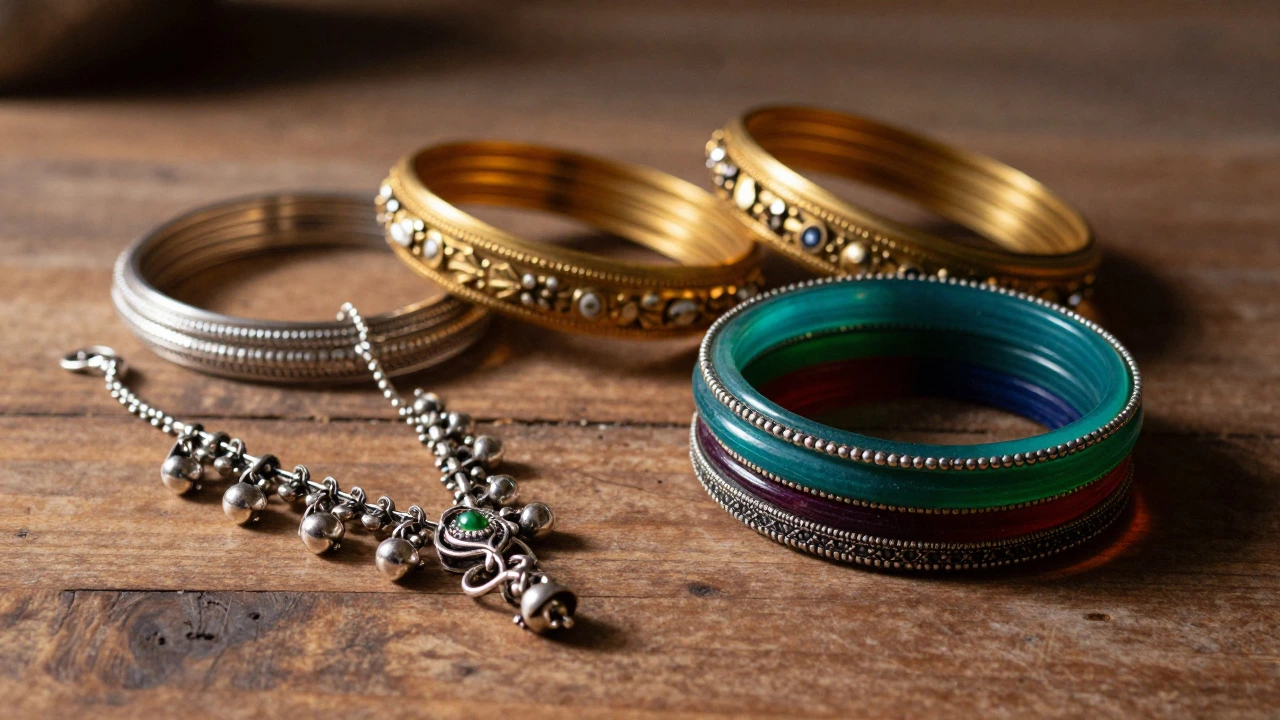
While we focus on wrists, traditional Indian jewelry extends to the ankles. These are called Payal (or Payaal). They are not bangles in the strict sense because they hang loosely around the ankle rather than sitting tight on the wrist.
Payals are usually made of silver or gold and feature small bells (ghungroo) that chime with every step. The sound is considered auspicious. In many South Indian traditions, the number of Payals matters-often three or five are worn together. If you’re asking about "bangles" in a broader traditional context, Payal is the ankle equivalent.
Regional Nuances and Modern Trends
India is vast, and terminology shifts across states. In Bengal, for example, you might hear Shankha (conch shell) bangles, which are distinct from glass or metal. In Kerala, Nadaswaram style silver bangles are popular for temple visits.
Modern fashion has blurred these lines. Today, you see "fusion" bangles that mix traditional Kundan work with modern minimalism. Jewelers in cities like Delhi and Mumbai now offer customizable sets where you can choose the color of the Chooda or the design of the Saiya. This has led to new hybrid terms entering the market, such as "Designer Chooda" or "Minimalist Kangan," though the core names remain rooted in tradition.
Understanding these distinctions isn’t just academic. It affects pricing, authenticity, and cultural appropriateness. Wearing a heavy gold Kada to a casual brunch might feel out of place, whereas a simple Firoza set fits perfectly. Knowing the difference between a Payal and a Kangan ensures you buy the right piece for the right part of the body.
How to Identify Authentic Traditional Pieces
With mass production, spotting authentic handmade pieces can be tricky. Here’s what to look for:
- Sound Test: Genuine glass Firoza produces a clear, high-pitched ring. Plastic imitations sound dull.
- Weight Check: Metal Kangans should feel substantial. If a "gold" bangle feels light, it’s likely plated or alloy.
- Artisan Marks: Handmade Lac Chooda often shows slight irregularities in thickness or color gradient, which are signs of human craftsmanship.
When buying, ask the seller for the specific name of the piece. If they only say "bangle," press for details. Is it Firoza? Is it part of a Chooda set? Is it a Kada? These questions signal that you know what you’re doing and help you get fair pricing.
Frequently Asked Questions
What is the difference between a Kangan and a Bracelet?
A Kangan is a rigid, circular bangle that does not flex. A bracelet is typically flexible, hinged, or made of linked chains. Kangans are slid over the hand, while bracelets can be opened and closed.
Are Chooda bangles only for weddings?
Traditionally, yes. Chooda is primarily bridal wear. However, modern trends have led to lighter, less extensive Chooda-inspired sets being worn for festivals like Diwali or Holi, especially in urban areas.
What does 'Firoza' mean in the context of bangles?
Firoza originally referred to turquoise stones but is now the standard term for colored glass bangles in India. It implies a shiny, smooth finish and is associated with everyday elegance.
Can men wear Kangans?
Yes, though less commonly. Men’s bangles are usually called Kadhas or Chudas. They tend to be heavier, simpler in design, and often made of gold or silver. In some regions, young boys wear them as part of coming-of-age rituals.
What is a Saiya bangle?
A Saiya is a specific type of bangle worn within a Chooda set. It is usually larger and more decorative than the surrounding thin bangles, serving as a focal point on the wrist.