Indian Auspicious Color Finder
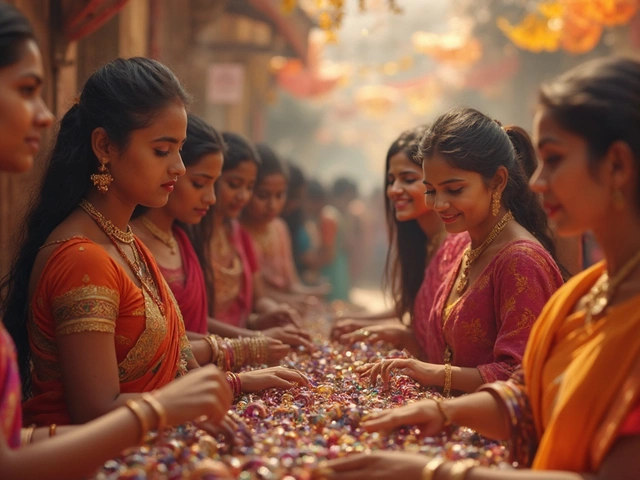
You might think luck is just a feeling, but in India, it has a specific shade. If you walk through any market in Jaipur or Chennai, you’ll see people choosing their outfits and jewelry based on more than just fashion trends. They are picking up energy. The most common question I get from friends abroad is simple: "What is the Indian color for luck?" The short answer? It’s not just one color. It depends on who you are, what day it is, and what you’re hoping to achieve.
Unlike Western superstitions that often fixate on green four-leaf clovers, Indian tradition ties luck to Vedic astrology and cultural rituals. Red signals passion and marital bliss. Yellow brings wisdom and wealth. White offers purity and peace. But here’s the catch: wearing the wrong color at the wrong time can actually drain your positive vibes. Let’s break down exactly which hues work best for different situations, especially when it comes to something as personal as traditional bangles and daily wear.
The Power of Red: More Than Just Wedding Wear
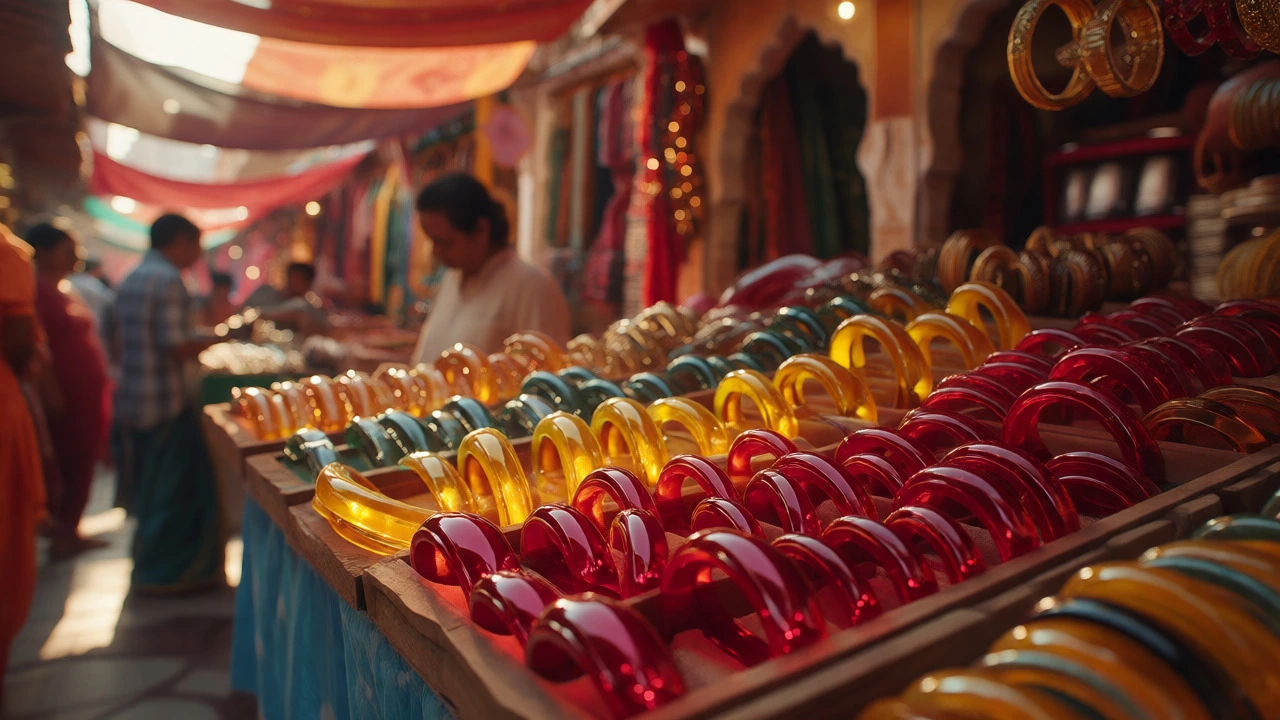
If you had to pick one color that screams "good fortune" across most of India, it would be red. In Hindu mythology, red represents Shakti, the divine feminine energy. When a bride wears a red saree or fills her wrists with red glass bangles, she isn’t just following custom; she is invoking protection and prosperity. The belief is that red wards off evil spirits (the 'evil eye') and keeps the household happy.
But does this mean everyone should wear red every day? Not necessarily. For married women, red bangles are often considered essential for the longevity of their husband’s life. This concept, known as 'Suhaag', links the color directly to marital stability. However, if you are single or looking for career growth, red might feel too aggressive. It’s a high-energy color. Use it during festivals like Diwali or Karva Chauth, or when you need a boost of confidence for a big presentation. It’s bold, it’s loud, and it demands attention.
Yellow and Gold: Attracting Wealth and Wisdom
While red handles protection, yellow handles abundance. You’ve likely seen men wearing yellow turbans or women draping yellow dupattas during spring festivals like Basant Panchami. This hue is associated with Lord Vishnu and Goddess Saraswati. It’s the color of knowledge, learning, and financial gain.
In terms of jewelry, gold itself is considered auspicious because it reflects the sun’s energy. But combining gold with yellow stones, like citrine or yellow sapphire (Pukhraj), amplifies this effect. Jupiter, the planet of expansion and wealth, rules the yellow spectrum. So, if you’re starting a new business or studying for exams, incorporating yellow into your attire or accessories is a smart move. Many entrepreneurs keep a small yellow cloth or a yellow thread tied around their wrist to keep cash flow steady. It’s a subtle trick, but believers swear by it.
White and Silver: Clarity and New Beginnings
Don’t mistake white for being only about mourning. In many parts of South India and among certain communities, white signifies purity, clarity, and new beginnings. It’s the color of the moon and Venus. If you’re feeling mentally cluttered or stressed, white helps calm the mind.
Silver jewelry pairs perfectly with white clothing. It’s cooling and soothing. For people born under moon-ruled signs, or those who feel easily agitated, white and silver are excellent choices. Wearing a simple silver bracelet or white bangles can help ground you. It’s also the preferred color for spiritual practices and meditation. If you’re looking to reset your energy after a tough week, swap out your bright colors for a clean white look. It’s like hitting the refresh button on your mental state.

Green: Growth and Fertility
Green is the color of Mercury (Budh) and Venus (Shukra). It represents nature, growth, fertility, and harmony. In Indian culture, green is often linked to happiness in marriage and family life. You’ll notice that brides in some regions, particularly in Bengal and Kerala, incorporate green into their wedding attire alongside red or gold.
For those struggling with communication issues or wanting to nurture a relationship, green is the go-to color. Emeralds are prized for this reason, but even wearing green fabric or having green plants in your workspace can shift the vibe. It’s a balanced color-not too hot like red, not too cold like blue. It sits right in the middle, promoting equilibrium. If you’re trying to conceive or want to improve your social circle, try adding touches of emerald or jade to your outfit.
Blue and Black: Protection and Discipline
Here’s where things get tricky. In the West, black is often seen as chic. In India, however, black has a dual reputation. On one hand, it’s powerful. It absorbs negative energy. Many people wear black threads or amulets to ward off bad luck. On the other hand, some traditions consider black inauspicious for weddings or religious ceremonies because it’s associated with Saturn (Shani), the planet of delay and hardship.
Dark blue, similar to the skin tone of Lord Krishna, is generally viewed as protective and calming. It’s less severe than black but still carries a sense of depth and seriousness. Navy blue suits are great for professional settings where you need to project authority without aggression. If you feel like you’re attracting drama or negativity, dark blue or black accessories can act as a shield. Just be careful about wearing all-black outfits to celebratory events unless you know the local customs allow it.
How Traditional Bangles Carry the Meaning
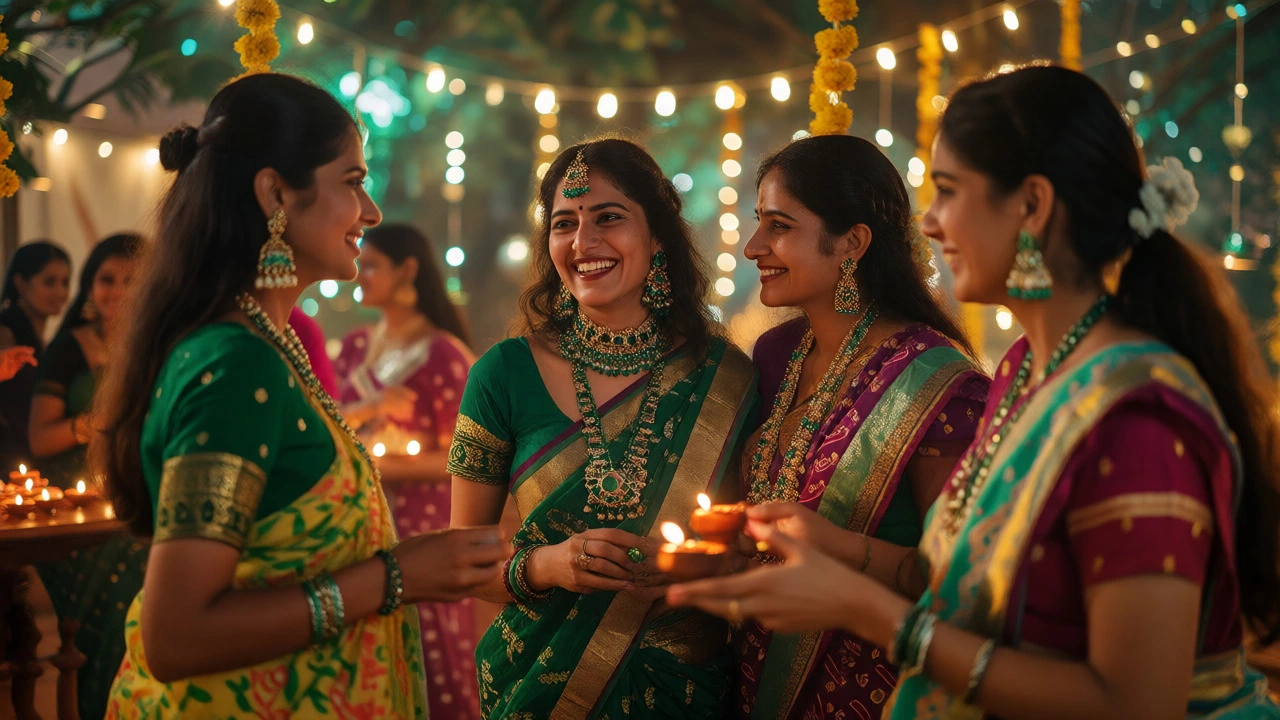
Jewelry isn’t just decoration in India; it’s a carrier of intent. This is why glass bangles remain so popular despite the rise of diamonds and platinum. Glass bangles are inexpensive, colorful, and fragile. There’s a belief that when a bangle breaks, it has absorbed a negative impact meant for the wearer. That’s why women often replace broken bangles immediately rather than keeping them.
| Color | Associated Planet/Energy | Best For | Cultural Significance |
|---|---|---|---|
| Red | Mars / Sun | Married women, leadership roles | Protection, marital bliss, vitality |
| Yellow/Gold | Jupiter | Students, entrepreneurs | Wealth, wisdom, success |
| White | Moon / Venus | Meditation, stress relief | Purity, peace, clarity |
| Green | Mercury / Venus | Relationships, health | Growth, fertility, harmony |
| Black | Saturn | Protection against evil eye | Absorbing negativity, discipline |
When you choose bangles, you’re making a conscious decision about what energy you want to invite into your life. A set of red and gold bangles says "I am protected and prosperous." A set of white and silver says "I seek peace." It’s a subtle form of manifestation through style.
Regional Variations: One Country, Many Rules
India is huge, and customs vary wildly from state to state. What’s lucky in Punjab might be taboo in Tamil Nadu. In North India, red is king for weddings. In South India, while red is important, white and gold combinations are often preferred for religious rituals. In Gujarat, vibrant multicolored bandhani fabrics are used to celebrate joy, avoiding strict monochrome rules.
Even within families, there are nuances. Some families believe that wearing mixed metals (like gold and silver together) brings bad luck, while others find it stylish and harmless. Always check with your elders or local community norms if you’re attending a specific ritual. When in doubt, stick to neutral tones or ask a trusted friend. Context is everything.
Practical Tips for Using Lucky Colors Daily
You don’t need to overhaul your entire wardrobe to harness these energies. Small changes work wonders. Here’s how to integrate them without looking like you’re wearing a costume:
- Start with Accessories: If you can’t wear a red shirt to work, wear a red watch strap or carry a red wallet. These small items hold significant symbolic weight.
- Match the Day: In Vedic tradition, each day of the week is ruled by a planet. Wear red on Tuesday (Mars), yellow on Thursday (Jupiter), and white on Monday (Moon). This aligns your personal energy with the cosmic rhythm.
- Listen to Your Gut: Astrology provides guidelines, but intuition is key. If you feel drained in red, switch to blue. Comfort matters more than rigid rules.
- Replace Broken Items: If your favorite bangle cracks, let it go. Don’t tape it up. Replace it to reset the energy cycle.
Remember, these colors aren’t magic spells. They’re psychological anchors. When you wear a color that symbolizes courage, you feel more courageous. When you wear yellow, you feel more optimistic. The belief system supports the behavior, creating a self-fulfilling prophecy of good fortune.
Is red always the luckiest color in India?
Not always. While red is highly auspicious for weddings and protection, it can be too intense for daily wear for some people. Yellow is better for wealth, and white is better for peace. The "luckiest" color depends on your specific goal and astrological chart.
Can I wear black bangles for luck?
Yes, but with caution. Black is believed to absorb negative energy and protect against the evil eye. However, it is sometimes avoided during festive celebrations or weddings in conservative households due to its association with mourning or Saturn's difficult lessons. It's best used for protection rather than celebration.
Why do Indian women break bangles intentionally?
It is often unintentional, but there is a strong belief that if a bangle breaks, it has taken a blow meant for the wearer. Therefore, breaking is seen as a sign of protection. Women usually replace broken bangles quickly to maintain the continuity of this protective barrier.
Which color is best for students?
Yellow is traditionally recommended for students as it is associated with Jupiter, the planet of wisdom and knowledge. Wearing yellow clothes or carrying a yellow notebook can help enhance focus and memory retention according to Vedic beliefs.
Does the metal of the jewelry matter too?
Yes, metal plays a role. Gold is associated with the Sun and vitality. Silver is linked to the Moon and calmness. Copper is used for health benefits. Mixing metals is debated, but generally, matching the metal to the desired outcome (gold for power, silver for peace) enhances the effect of the color.