Bangle Symbolism Explorer
Explore Bangle Rituals
Discover the cultural significance, regional variations, and color symbolism of bangle-breaking traditions in Indian weddings. Select your region to see how this ritual differs across India.
Select Region
North Indian Tradition
In North India, glass bangles symbolize the transition from daughter to wife. The breaking occurs before the wedding ceremony, often by the bride's mother or grandmother.
Key Symbolism
Fertility New Beginnings ProsperityCeremony Details
- Bangles are broken one by one during pre-wedding rituals
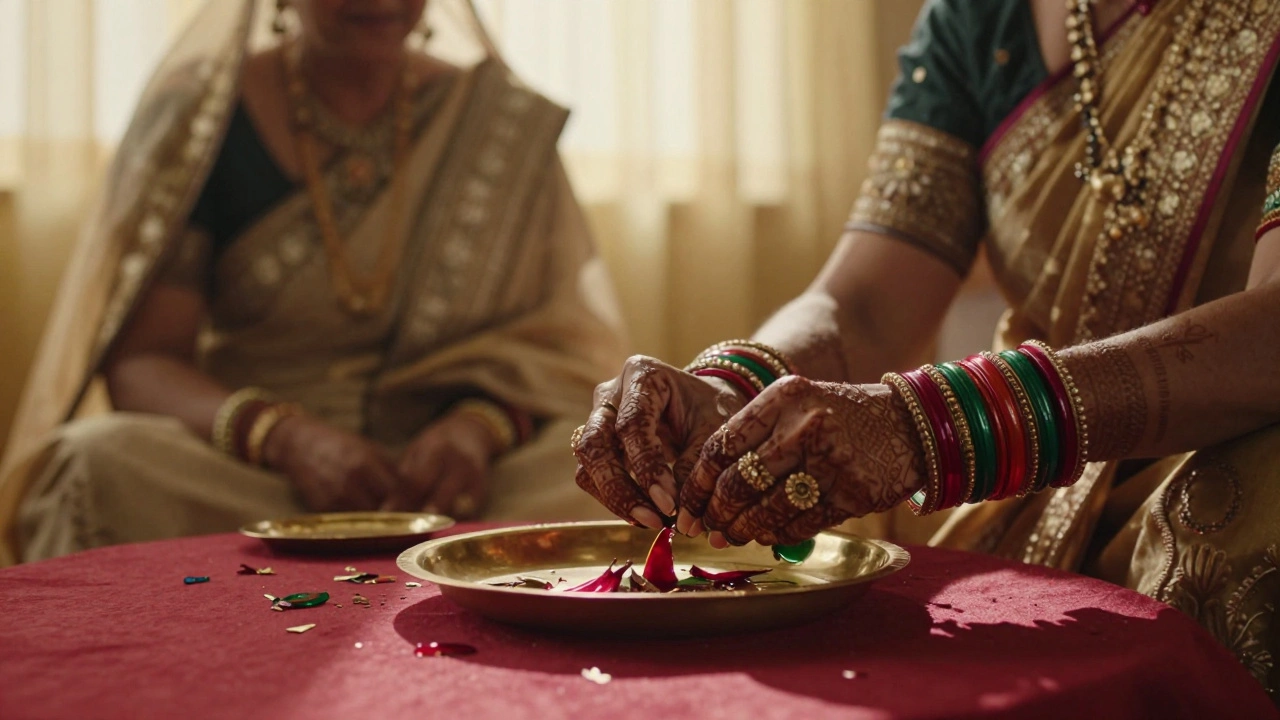
- Often done with a brass thali
- Red and green colors are most common
On the morning of an Indian wedding, just before the bride steps into the mandap, a quiet moment happens that most outsiders never notice. A close female relative-maybe her mother, aunt, or grandmother-gently picks up a set of glass bangles she’s been holding since dawn. Then, with a soft tap against the edge of a brass thali, she breaks one. Then another. And another. It’s not an accident. It’s not carelessness. It’s a ritual. And it carries centuries of meaning.
Why Break Bangles at All?
Breaking bangles isn’t about destruction. It’s about transition. In many parts of India, especially in North and West, married women wear glass bangles-bright red, green, or gold-trimmed-as symbols of their marital status. These aren’t just ornaments. They’re signs of shagun, of good fortune, of a woman’s new role in her husband’s family. When a bride breaks her bangles, it’s not ending her old life. It’s marking the moment she steps into a new one.
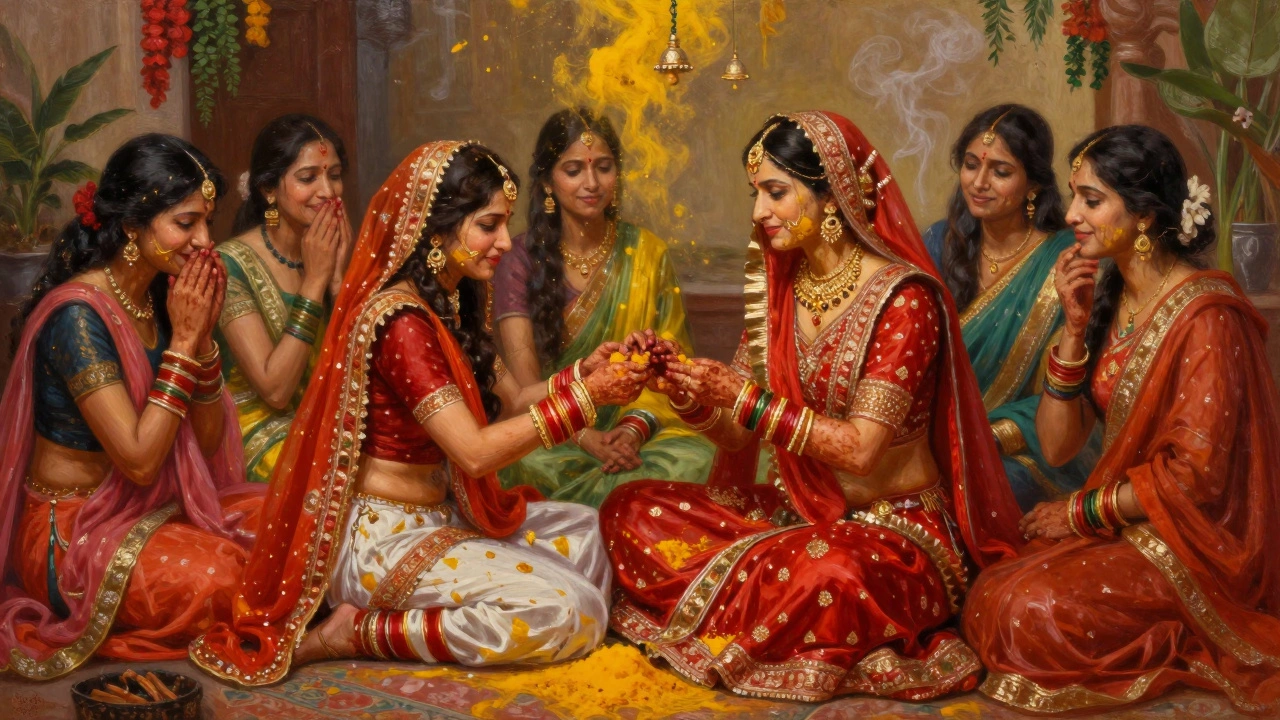
The act is often tied to the idea of breaking the old self. Before marriage, a girl wears bangles as a daughter. After, she becomes a wife, a daughter-in-law, a future matriarch. The sound of glass shattering isn’t sad-it’s cleansing. It’s the noise of leaving behind childhood, of shedding the identity that no longer fits. In some communities, the bride’s bangles are broken one by one by her female relatives, each break accompanied by a blessing: "May your life be as bright as these colors," or "May your husband protect you as these bangles once did."
Where Did This Tradition Come From?
The origins are rooted in practicality as much as symbolism. Glass bangles are fragile. They break easily during daily chores-washing dishes, scrubbing floors, carrying water pots. In older times, when women had little personal space or autonomy, broken bangles were a visible sign of their labor. But over time, the breaking became ritualized. Instead of waiting for accidents, families began to control the moment.
In rural Punjab and Haryana, the bangle-breaking ceremony is called "Chooda Rakhna"-the placement of the red-and-white bangles. The bride wears a set of 21 bangles, often made of ivory or glass, for the first few days after marriage. On the fourth day, her mother-in-law breaks one bangle, symbolizing the transition from bride to daughter-in-law. The rest are worn for weeks, then replaced with gold or silver ones. In Maharashtra, the breaking happens during the "Saptapadi" ritual, right after the bride takes her seven steps around the sacred fire. A close female relative breaks the bangles as the priest chants mantras for longevity and prosperity.
What Do the Colors Mean?
Not all bangles are broken the same way. The colors matter. Red and green are the most common-red for fertility and passion, green for growth and new beginnings. Gold-trimmed bangles are worn by brides in South India, especially in Tamil Nadu and Kerala, and are rarely broken. Instead, they’re kept as heirlooms. In Bengal, brides wear white and red bangles made of conch shell and coral. These are never broken. They’re worn for life, even after widowhood, as a sign of devotion.
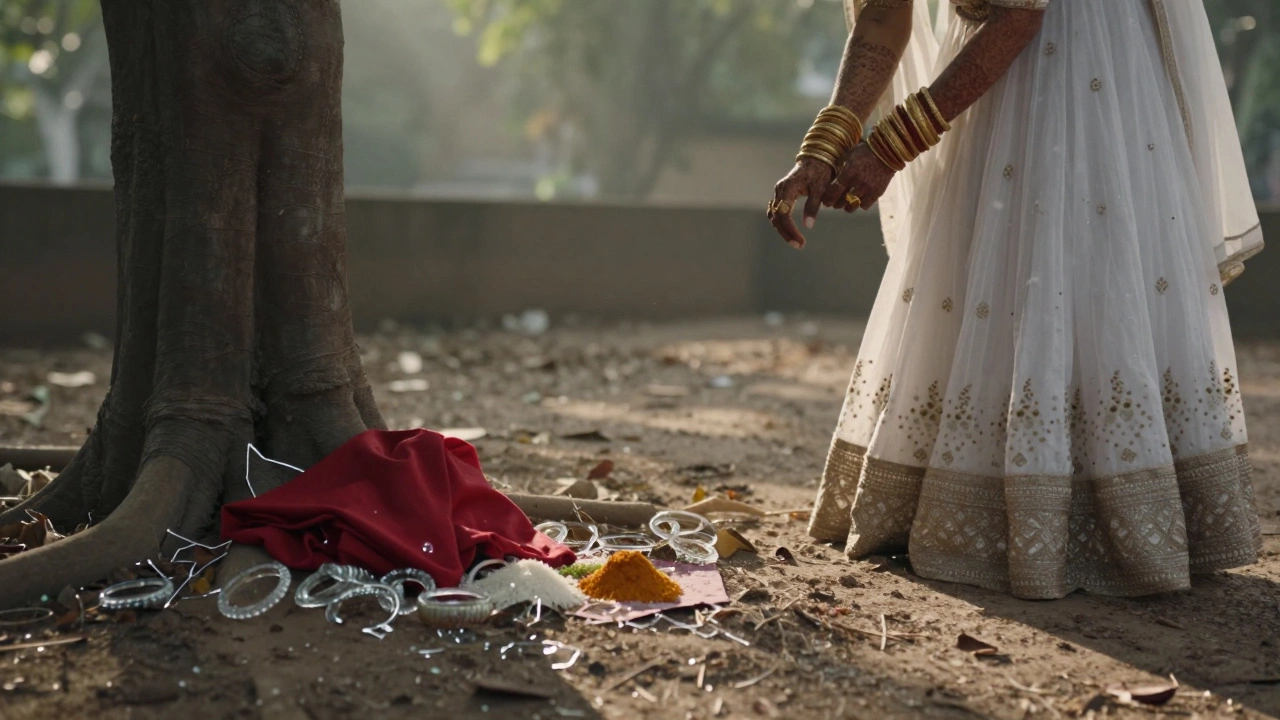
The bangles broken in the ceremony are usually the ones worn during the wedding day itself. They’re meant to be temporary. After the ceremony, the bride often wears a new set-gold, or sometimes plastic for durability. The broken ones are collected, sometimes buried under a peepal tree, or tossed into a river. This isn’t waste. It’s release. The broken glass is seen as carrying away bad luck, leaving only good fortune behind.
Is It Still Done Today?
Yes-but not everywhere, and not always the same way. In big cities like Mumbai, Delhi, or Bangalore, many modern brides skip the breaking entirely. Some families keep it as a photo-op moment, with a symbolic tap on the bangle to avoid mess. Others replace glass with plastic or metal bangles that don’t break, so the ritual becomes more about form than function.
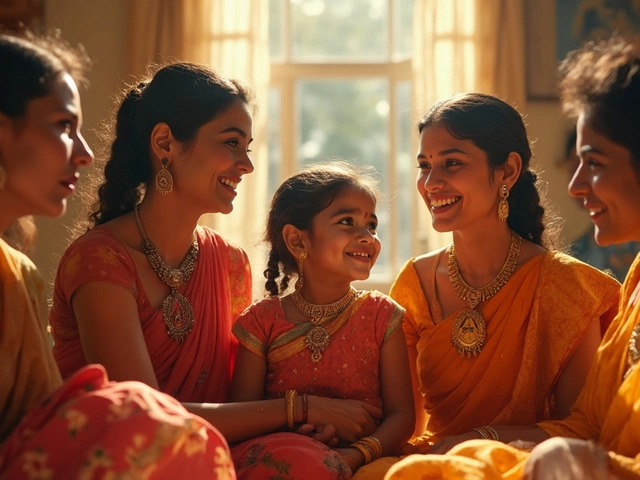
But in smaller towns and villages, the tradition holds strong. In places like Jaipur, Lucknow, and Patna, you’ll still see families preparing dozens of bangles for the ceremony. Grandmothers sit with the bride the night before, threading each one by hand. They whisper stories about their own weddings. The breaking isn’t just tradition-it’s memory. It’s the sound of generations linking together.
What Happens to the Broken Bangles?
There’s no single rule, but most families treat the broken pieces with care. In many households, the pieces are wrapped in a red cloth and placed near the family altar. Some women keep a single broken bangle in their jewelry box as a reminder of their wedding day. Others take them to a temple and offer them to the deity. In parts of Gujarat, the broken bangles are mixed with turmeric and rice and scattered at the entrance of the new home-symbolizing that the bride brings prosperity wherever she goes.
There’s also a practical side. Glass bangles are cheap and easily replaced. In communities where dowry was once common, breaking the bride’s bangles was a quiet way to avoid the pressure of gifting expensive jewelry. The bangles worn after the ceremony were often the real gifts-gold, silver, or enamel. The broken ones? Just the ceremonial shell.
Is This Tradition Only for Women?
Yes-and that’s part of why it’s powerful. This ritual is almost always performed by women, for women. Men don’t break bangles. They don’t wear them. The ceremony exists in a space where women’s roles, emotions, and histories are centered. It’s one of the few rituals in Indian weddings where the bride isn’t the passive recipient. She’s the focus. The bangles are hers. The breaking is hers. The meaning is hers.
In recent years, some feminist scholars have questioned the tradition, calling it outdated. But many brides today don’t see it that way. For them, it’s not about submission. It’s about belonging. It’s about being wrapped in the love of the women who came before them. When the bangles break, it’s not a loss. It’s a gift passed down.
What Does This Mean for Modern Brides?
You don’t have to break bangles to honor tradition. But if you choose to, you’re not just following a custom-you’re joining a long line of women who did the same. Whether you wear plastic bangles or gold ones, whether you break them in a village courtyard or a five-star hotel ballroom, the meaning stays the same: you are stepping into something bigger than yourself.
Some brides now combine the tradition with personal touches. One bride from Pune had her bangles broken by her two aunts, her mother, and her best friend-the only woman who stood by her through her divorce and remarriage. Another, from Chennai, had her bangles made from recycled glass, painted with her favorite colors. The breaking wasn’t about religion. It was about identity.
Tradition doesn’t have to be rigid. It just has to matter.
Why are glass bangles broken instead of metal ones?
Glass bangles are fragile and symbolize the temporary nature of the bride’s pre-marriage life. Metal bangles, like gold or silver, are durable and meant to last. Breaking glass is a deliberate act-it represents letting go. Metal bangles are often gifted after the ceremony as permanent symbols of marriage. They’re not broken because they’re meant to be worn for life.
Is breaking bangles only done in North India?
No. While it’s most common in Punjab, Haryana, Rajasthan, and Uttar Pradesh, similar rituals exist in Maharashtra, Gujarat, and parts of Madhya Pradesh. In South India, brides wear gold or enamel bangles that aren’t broken. Instead, they’re blessed and worn continuously. The form varies, but the meaning-transition and blessing-remains consistent across regions.
Can a bride break her own bangles?
Traditionally, no. The breaking is done by a married woman-usually a mother, aunt, or mother-in-law-to symbolize the passing of wisdom and protection. But in modern families, some brides choose to break one themselves as a personal act of agency. There’s no religious rule against it, and many families now accept this variation as long as the ritual’s spirit is kept.
What if a bride doesn’t wear bangles?
Some brides, especially in urban areas or interfaith marriages, choose not to wear bangles at all. In those cases, the ritual might be skipped, replaced with another symbol-like a red thread tied around the wrist, or a coin passed from mother to daughter. The tradition is flexible. What matters is the emotional weight, not the object itself.
Are broken bangles considered bad luck?
No. In fact, it’s the opposite. A broken bangle during the ceremony is seen as a good omen-it means the bride’s future is free from negative energy. Accidental breaks before the wedding, however, are sometimes considered inauspicious, which is why families carefully store the bangles until the right moment.