Find Your Perfect Temple Gem
Power & Status
I want authority, vitality, and protection.
Intellect & Wealth
I seek mental clarity, communication skills, and business success.
Discipline & Stability
I need long-term success, wisdom, and discipline.
Beauty & Sparkle
I prefer modern aesthetics, versatility, and brilliance.
Why this gem is perfect for you:
Key Attributes
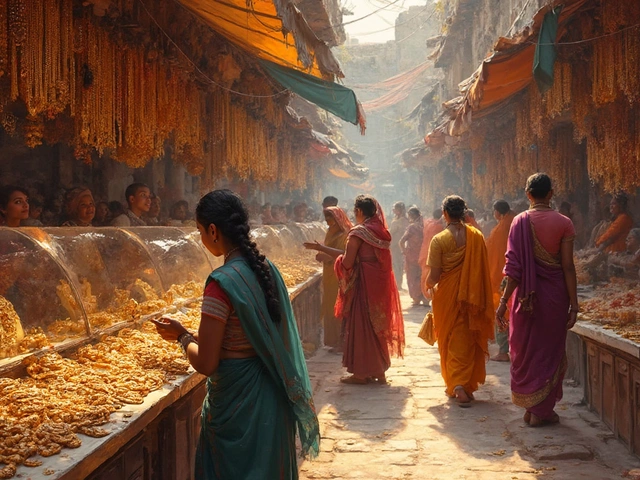
Walk into any goldsmith’s shop in Mumbai’s Zaveri Bazaar or a traditional jewelry store in Chennai, and you’ll notice something striking. While diamonds catch the eye with their sparkle, it is often the colored stones that hold the deepest cultural weight. If you are asking which gem is most popular in India, the answer isn’t just about sales volume; it is about heritage, belief, and the specific aesthetic of Temple Jewellery, a traditional style of jewelry originating from South Indian temples characterized by intricate gold work and symbolic motifs. In this context, one stone stands above the rest not for its clarity, but for its fiery red hue: the Ruby.
However, popularity shifts depending on whether we talk about daily wear, astrological prescriptions, or bridal trousseaus. To understand why certain gems dominate the Indian market, we need to look beyond mere fashion trends and dive into the intersection of astrology, mythology, and craftsmanship.
The Crown Jewel: Why Ruby Reigns Supreme
If there is one gemstone that defines Indian luxury and spiritual belief, it is the Ruby. Known as Manikya in Sanskrit, the ruby is associated with the Sun (Surya), the king of all planets in Vedic astrology. For centuries, Indians have believed that wearing a ruby brings vitality, authority, and protection. This isn't just superstition; it is a deeply ingrained cultural practice that drives massive demand.
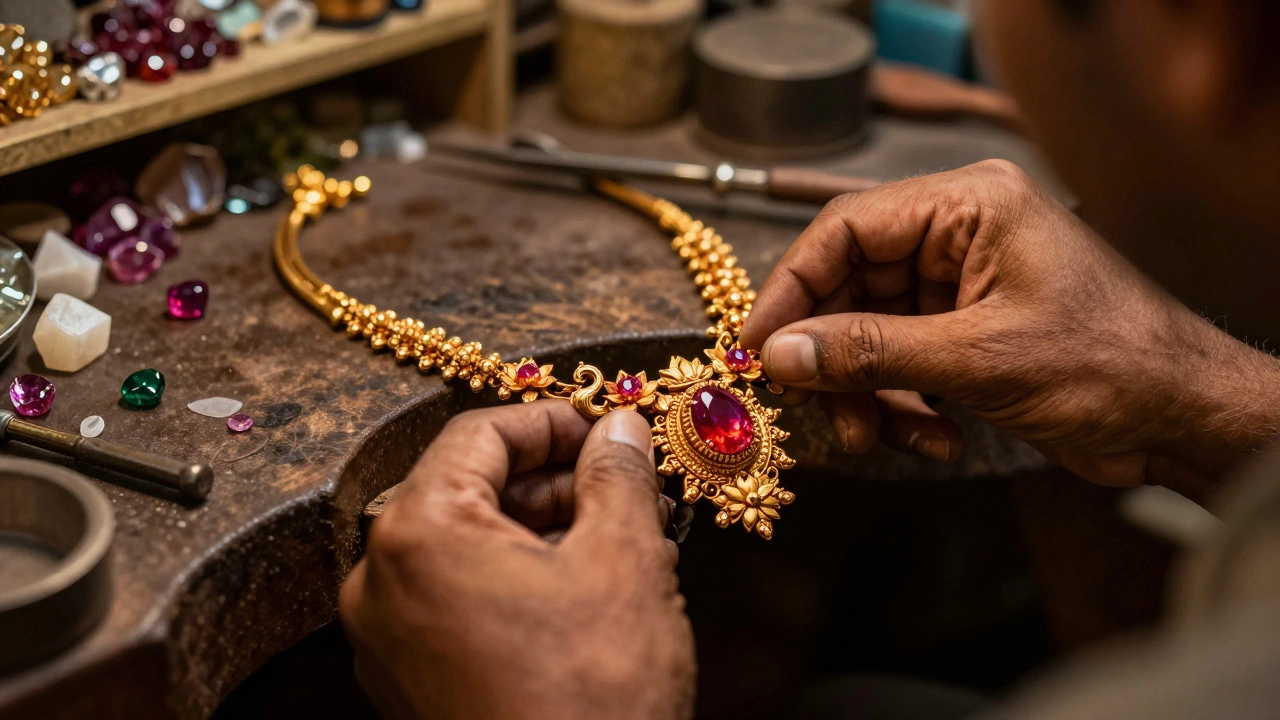
In the realm of temple jewellery, rubies are frequently used as centerpieces in heavy gold necklaces and earrings. The contrast between the deep red of the ruby and the yellow gold creates a visual impact that has remained unchanged for generations. You will see this combination in the iconic Kasumamangalyam sets from Tamil Nadu or the grand Vaddanam pieces from Kerala. The ruby’s durability (9 on the Mohs scale) also makes it practical for heirloom pieces that are passed down through families.
- Astrological Significance: Worn to strengthen the Sun, boosting confidence and health.
- Cultural Status: Considered a 'Ratna' (precious stone) essential for a complete bridal set.
- Market Presence: High demand in both raw stone form and set jewelry, particularly in South India.
While diamonds may sell more globally due to marketing campaigns, in India, the ruby holds a unique position as a stone of power. It is not uncommon for families to invest significantly in high-quality Burmese or Mozambique rubies, believing the investment yields both financial and karmic returns.
The Green Guardian: Emerald’s Rising Popularity
Close behind the ruby is the Emerald, known as Panna. Associated with Mercury (Budha), the planet of communication, intelligence, and business acumen, emeralds have seen a surge in popularity among the urban middle class. As India’s economy grows and entrepreneurship becomes a key career path, more people are turning to emeralds to enhance their mental clarity and negotiation skills.
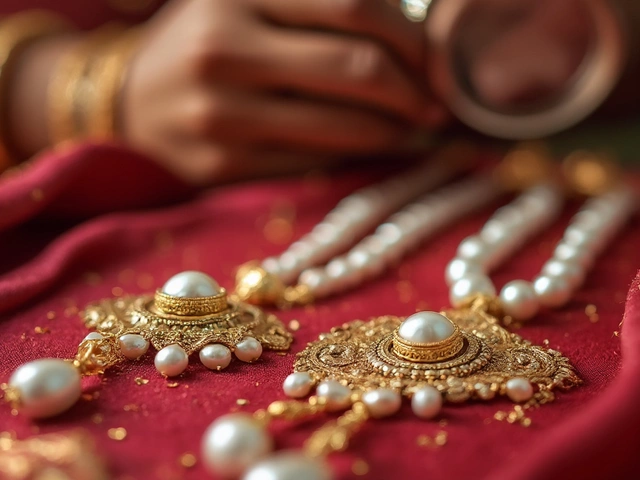
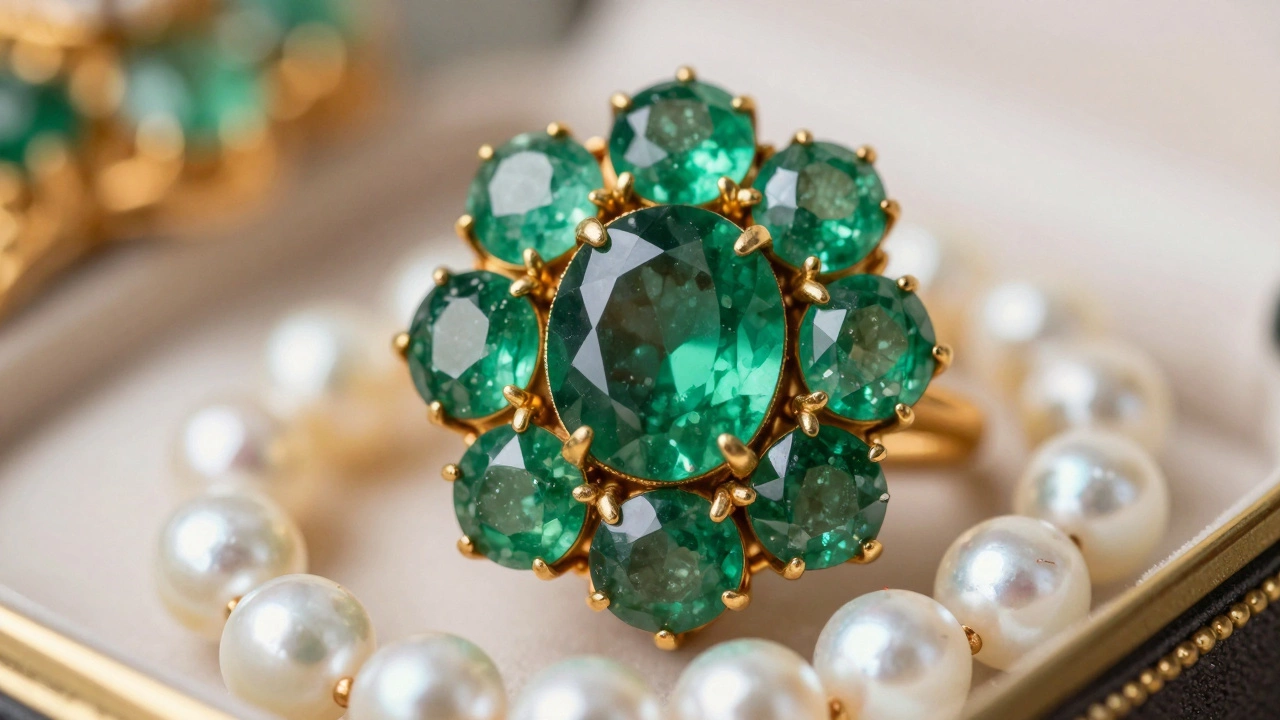
In temple jewellery, emeralds are often used in smaller clusters rather than large solitaires. Their green color complements the gold beautifully, symbolizing nature and prosperity. You will often find emeralds paired with pearls in traditional designs, creating a balance between the earthy green and the lustrous white. This pairing is especially common in wedding jewelry from Rajasthan and Gujarat, where the green represents fertility and new beginnings.
| Gemstone | Planetary Association | Primary Benefit Believed | Common Use in Temple Jewellery |
|---|---|---|---|
| Ruby (Manikya) | Sun (Surya) | Vitality, Authority | Centerpiece in heavy necklaces |
| Emerald (Panna) | Mercury (Budha) | Intelligence, Communication | Cluster settings, paired with pearls |
| Sapphire (Neelam) | Saturn (Shani) | Discipline, Protection | Solitaire rings, minimalistic designs |
| Diamond (Heera) | Venus (Shukra) | Wealth, Beauty | Modern fusion, accent stones |
The appeal of emeralds lies in their accessibility. Unlike rubies or sapphires, which can be prohibitively expensive for high-quality stones, decent quality emeralds are available at various price points. This makes them a popular choice for daily wear and lighter jewelry pieces. Additionally, the global supply chain for emeralds, particularly from Colombia and Zambia, has made them more accessible to Indian jewelers in recent years.
The Blue Enigma: Sapphire’s Niche Appeal
The Blue Sapphire, or Neelam, occupies a unique and somewhat controversial space in the Indian gem market. Associated with Saturn (Shani), it is considered one of the most powerful yet dangerous stones. Astrologers often warn against wearing a sapphire without proper consultation, as it is believed to bring misfortune if it does not suit the wearer’s horoscope. Despite these warnings, the sapphire remains highly popular, particularly among those seeking stability and long-term success.
In terms of aesthetics, sapphires are less common in traditional temple jewellery compared to rubies and emeralds. Their cool blue tone contrasts sharply with warm gold, requiring careful design to achieve harmony. However, in modern interpretations of temple jewellery, designers are increasingly incorporating sapphires into chokers and armlets. The deep blue adds a regal touch that appeals to contemporary brides who want a blend of tradition and modernity.
The popularity of sapphires is also driven by their association with royalty. Historically, Indian kings and queens wore sapphires to signify wisdom and justice. Today, this legacy continues, with many affluent families choosing sapphires for significant life events like weddings and engagements. The stone’s rarity and vibrant color make it a prized possession, even if it is worn less frequently than other gems.
Diamonds: The Modern Contender
It would be incomplete to discuss popular gems in India without mentioning diamonds. While not traditionally part of classical temple jewellery, diamonds have become ubiquitous in Indian jewelry over the last three decades. Driven by global marketing and the rise of the diamond industry in Surat and Mumbai, diamonds are now the default choice for engagement rings and modern bridal sets.
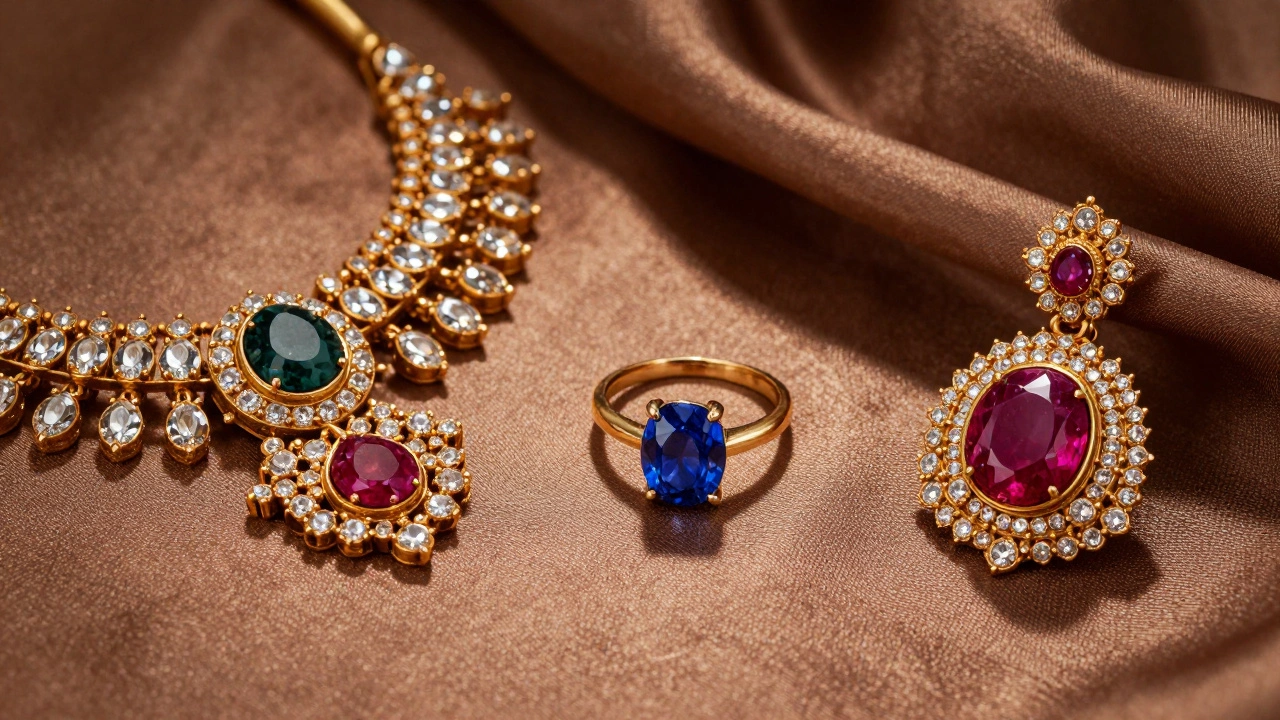
However, when it comes to the specific aesthetic of temple jewellery, diamonds play a supporting role. They are often used as accent stones to add sparkle to ruby or emerald centerpieces. Pure diamond temple jewellery exists, but it is rare and usually reserved for special occasions. The reason is simple: temple jewellery is about opulence and weight, and diamonds, while valuable, do not carry the same visual heft as colored stones in large settings.
That said, the line between traditional and modern is blurring. Younger generations are increasingly opting for "fusion" temple jewellery that combines gold filigree work with diamond pavé settings. This trend reflects a shift in consumer preferences towards versatility-jewelry that can be worn to a temple ceremony and then to a evening reception.
Regional Variations in Gem Preferences
India is vast, and gem preferences vary significantly by region. In South India, where temple jewellery originated, rubies and emeralds dominate. The climate and cultural emphasis on temple rituals reinforce the use of these stones. In North India, particularly in states like Rajasthan and Punjab, diamonds and uncut diamonds (Polki) are more prevalent. Polki jewelry, which features uncut diamonds set in gold, is a hallmark of Rajasthani bridal wear and holds immense cultural value.
In East India, particularly Bengal, there is a strong preference for simpler, elegant designs. Here, single-stone rings featuring rubies or sapphires are popular, reflecting a minimalist aesthetic. West India, with its strong trading history, sees a mix of all gems, but with a particular fondness for emeralds and diamonds due to their association with commerce and wealth.
Understanding these regional nuances is crucial for anyone looking to buy or collect Indian jewelry. A piece that is highly valued in one region may not resonate as strongly in another. For instance, a heavy ruby necklace might be considered essential for a Tamil bride but excessive for a Bengali wedding.
How to Choose the Right Gem for You
Selecting a gemstone in India is rarely just an aesthetic decision. It involves considering your birth chart, budget, and intended use. Here is a simple guide to help you navigate the choices:
- Consult an Astrologer: If you are buying a gem for astrological purposes, always consult a qualified expert. They will advise on the carat weight, cut, and metal setting based on your horoscope.
- Check Certification: Ensure the gem comes with a certificate from a reputable lab like GIA, IGI, or GII (Gemological Institute of India). This verifies authenticity and treatments.
- Consider Durability: For daily wear, choose harder stones like rubies, sapphires, or diamonds. Softer stones like emeralds require more care and are better suited for occasional wear.
- Match Your Skin Tone: Warm skin tones complement rubies and emeralds, while cooler tones may suit sapphires and diamonds better.
- Budget Wisely: Colored stones can be expensive. Consider semi-precious alternatives like garnet or peridot if you are on a tight budget but still want the astrological benefits.
Remember, the most popular gem is the one that resonates with you personally. Whether it is the fiery ruby, the intelligent emerald, the disciplined sapphire, or the brilliant diamond, each stone carries its own energy and story.
Is Ruby really the most popular gem in India?
Yes, in the context of traditional and temple jewellery, Ruby is widely considered the most popular and culturally significant gem. Its association with the Sun and its deep red color make it a staple in Indian bridal sets and heirloom pieces, particularly in South India.
What is the difference between Polki and regular diamonds?
Polki diamonds are uncut and unpolished, retaining their natural shape and rough texture. They are set in gold using traditional techniques. Regular diamonds are cut and polished to maximize brilliance and fire. Polki is more traditional and rustic, while regular diamonds are modern and sparkling.
Can I wear a Blue Sapphire without astrological consultation?
It is generally advised against wearing a Blue Sapphire without consulting an astrologer. In Vedic astrology, it is associated with Saturn and is believed to have strong effects on the wearer's life. If it does not suit your horoscope, it is thought to bring negative consequences.
Which gem is best for daily wear in temple jewellery?
Rubies and Sapphires are excellent for daily wear due to their hardness (9 on the Mohs scale). They are durable and resistant to scratches. Emeralds are softer (7.5-8) and require more care, making them better for occasional wear.
Are synthetic gems accepted in Indian astrology?
Traditional Vedic astrology prefers natural, untreated gemstones. Synthetic or lab-created gems are generally not recommended for astrological purposes as they are believed to lack the necessary planetary energy. However, they are acceptable for fashion jewelry.