Nose Pin Side Advisor
Style Preferences
Prefer culturally correct placement (often Left)
Open to following trends or aesthetics over tradition
Hair covers right cheek
Hair covers left cheek
Face is fully exposed
One side of my face looks flatter/weaker
My face looks pretty even
Office/Work environment (Safety focus)
Weddings/Parties (Flashiness focus)
Recommended Side:
Based on your inputs, here is the logic:
Have you ever stood in front of the mirror with a shiny nose pin in hand, staring at your reflection and wondering which nostril deserves the bling? It’s a common dilemma. Some days you feel drawn to the left; other days, the right feels more balanced. While it might seem like a toss-up, there is actually method to the madness when it comes to choosing the perfect side.
This isn't just about picking a random hole to thread a jewel through. It’s about understanding your unique facial architecture, respecting cultural narratives if they matter to you, and playing with visual illusions that highlight your best features. Whether you are rocking a delicate stud or a heavy bridal piece, the placement changes everything. Let's break down exactly what makes one side work better than the other, so you can stop guessing and start styling with confidence.
The Power of Facial Asymmetry
Before we talk about traditions or trends, we need to address reality: no human face is perfectly symmetrical. We all have a slight tilt or a natural curve that leans us slightly to one direction. In fact, research suggests most people’s faces have a subtle dominance on one side over the other, often referred to as "emotional asymmetry" because expressions aren't always even.
If you find one eye sits slightly higher than the other, or your smile tilts upward more on one corner, that determines the best side for your nose pin. You generally want to place heavier or flashier jewelry on the side of your face that appears flatter or less defined. By drawing the eye to that area, you create visual balance. Conversely, if one side of your face is already prominent due to bone structure, adding metal there might make that side look overpowering.
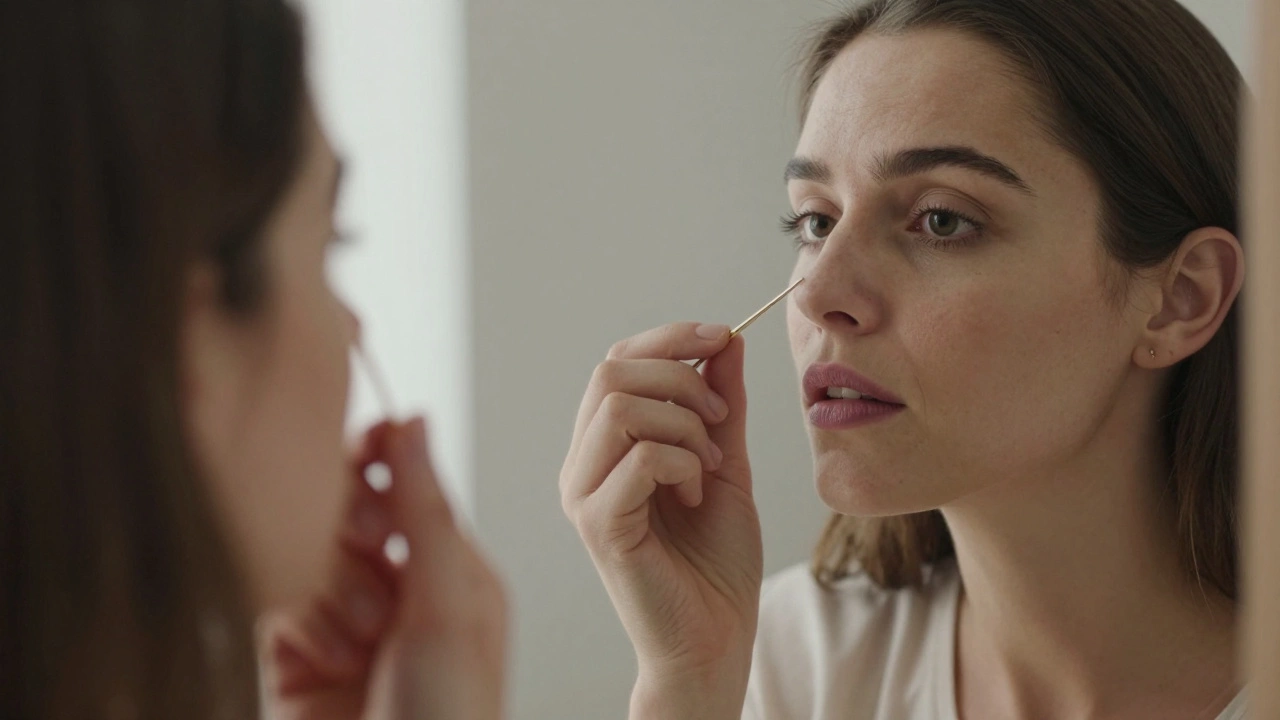
Here is a quick trick to test this yourself before heading to the mall. Take a photo of yourself straight-on without makeup. Look closely at where your pupils line up relative to your eyebrows. Often, your "good side"-the one photographers usually favor-is actually the side you should avoid for maximum symmetry balancing. It sounds counterintuitive, but balancing out your weaker side creates a harmonious look.
The Cultural Weight of the Left Side
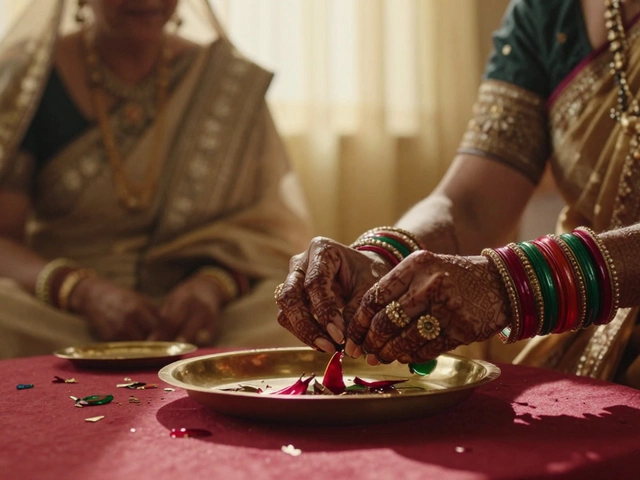
In many parts of South Asia, specifically India, the debate often stops before anatomy comes into play because tradition dictates the answer. For centuries, the left nostril has been the preferred spot for married women. According to Vedic tradition, the left side of the body is connected to the reproductive organs and fertility pathways. Piercing here was historically believed to reduce pain during childbirth and aid the menstrual cycle.
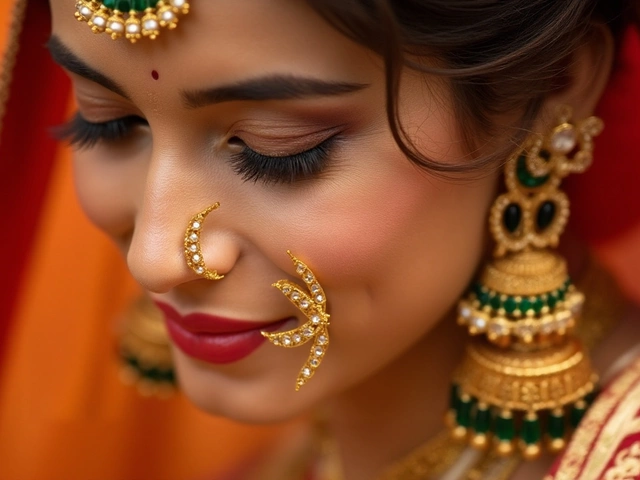
While modern science doesn't necessarily back up the medical claims of acupuncture points related to the left nostril, the aesthetic habit remains strong. If you are buying jewelry for a wedding, engagement, or festival like Karva Chauth, the left side is the culturally correct choice. Wearing a traditional nose pin on the right might raise eyebrows among older relatives who adhere strictly to customs.
However, if you view the accessory purely as fashion rather than ritual, the rules loosen up significantly. Today, single women and men alike are experimenting with both sides, turning the practice into pure expression rather than obligation.
Hair Parting Direction Rules
One of the most overlooked factors in jewelry placement is how you wear your hair. Your hairstyle acts as a frame for your face, and the direction of your hairline heavily influences which side of your nose looks best adorned.
- Parted to the Left: If your bangs or center part falls towards your left cheek, your right side of the face is more exposed. Wearing the nose pin on the right balances the visual weight against the volume of hair on the left.
- Parted to the Right: When your hair sweeps across your right temple, your left nostril is likely more visible. Placing the jewelry on the left creates a nice echo with the hair flow.
- Pulled Back (Sleek Bun): When your hair is fully pulled back, there are no distractions. Here, your facial symmetry becomes the sole dictator of the decision.
Think of your hairstyle as a curtain. Where the curtain is drawn open, you want the jewelry to shine through. If your hair covers one side of your nose constantly, putting a sparkly ring there is wasted effort. Wear it on the side that stays uncovered so your friends and loved ones can see the craftsmanship.
Matching the Nose Pin to Your Face Shape
Your overall face geometry plays a surprisingly big role in this choice. Different shapes interact with vertical lines differently. A long nose benefits from horizontal emphasis, while a wider base requires vertical elongation.
| Face Shape | Best Placement Strategy | Why It Works |
|---|---|---|
| Oval | Either side works equally well | You have balanced proportions; focus on style preference |
| Round | Focus on higher placement on either side | Draws attention upward away from cheeks |
| Square | Choose a side that softens the jawline | Curved designs soften angular features |
| Heart | Lower placement near the ala (wing) | Brings balance to a narrow chin |
If you have a heart-shaped face, for instance, your forehead is wide and your chin tapers. Wearing a large hoop on the top side can emphasize the width too much. Instead, try a drop design hanging slightly lower. However, regarding the *side*, remember that round faces look better with studs close to the cartilage to avoid making the mid-face look wider. On a square face, you want to draw the eye inward toward the center of the face.
Metal Types and Lighting Impact
The material of your jewelry matters for visibility. Gold reflects light differently than platinum or silver. If you tend to sit under warm indoor lighting, gold gold jewelry will glow intensely on that specific side of your face, creating a literal spotlight effect.
If you are wearing a heavy, dangling piece, keep in mind that motion follows gravity. A swinging pendant on the right side will move forward and backward with your head movements. Depending on where you stand when greeting people, that movement directs their gaze. For example, if you naturally turn your head to the right when speaking, wearing the ring on the left brings it directly into the listener's line of sight.
Beyond the physical attributes of the metal, consider the skin tone on each cheek. Sometimes one side of the face is slightly warmer or darker due to sun exposure (perhaps you drive with the window down on that side). Match the metal tone to that skin temperature. Cool-toned skin suits silver or white gold on that side, while warm undertones pair beautifully with yellow gold or rose gold. Matching the warmth prevents the jewelry from looking cold or dull against your complexion.
Trend Watch: Dual Piercings
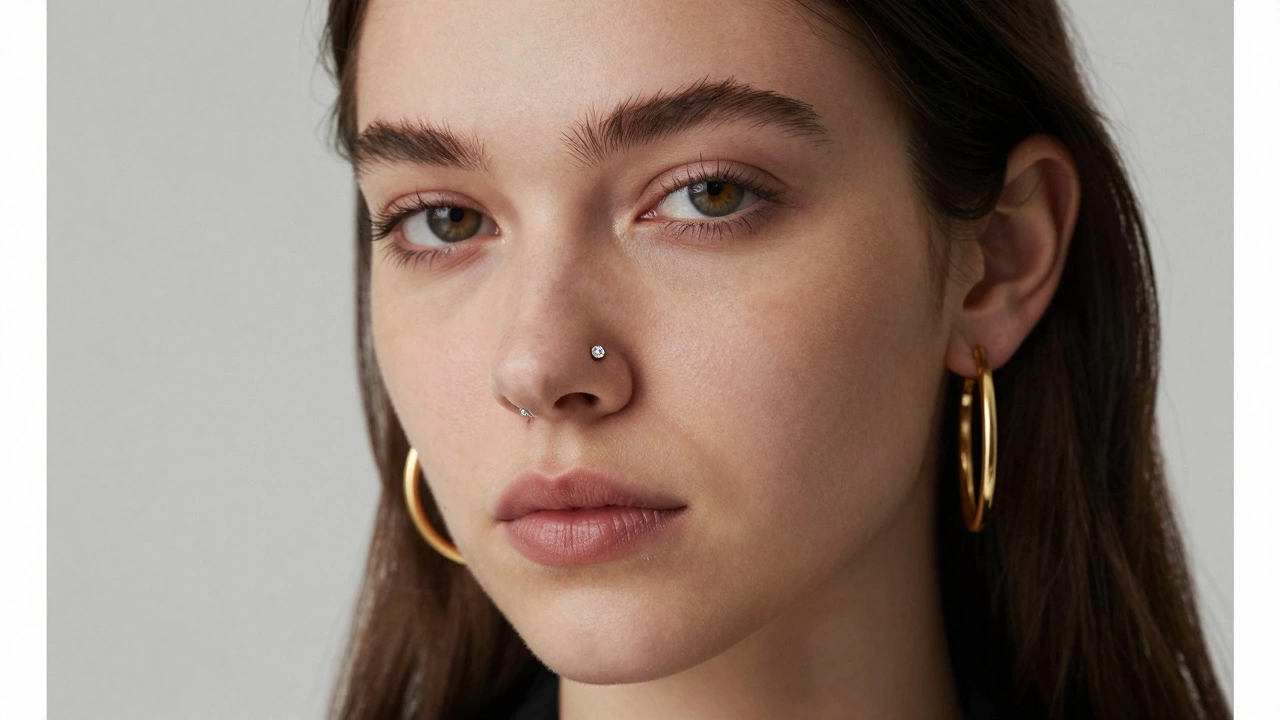
We are moving past the era of "choose just one." In 2026, it is becoming increasingly chic to wear nose jewelry on both sides simultaneously. This approach bypasses the question of symmetry entirely. By mirroring the look, you embrace the duality of your own features.
When doing double piercings, balance is still key. Do not necessarily pick identical pieces. Instead, mix sizes. Perhaps a small diamond stud on the left paired with a medium hoop on the right. This keeps the look intentional rather than accidental. It signals that you understand current streetwear aesthetics, which lean towards layering.
Daily Wear vs. Occasional Styling
The frequency of wear dictates the side decision for comfort. Most right-handed people unconsciously touch their face more frequently on the right side. Eating, wiping a sneeze, or adjusting glasses often happens on that dominant side. A protruding nose ring on the dominant hand side catches more friction and snagging on clothing.
For daily office wear where safety and minimal hassle are priorities, placing the jewelry on your non-dominant side is practical. If you are right-handed, wear it on the left. This reduces the chance of catching the earring on a collar or knocking it against a screen. Save the heavy, ornate pieces for weekends or weddings where practical snagging concerns are lower and social visibility is high.
Selecting for Your Wedding Day
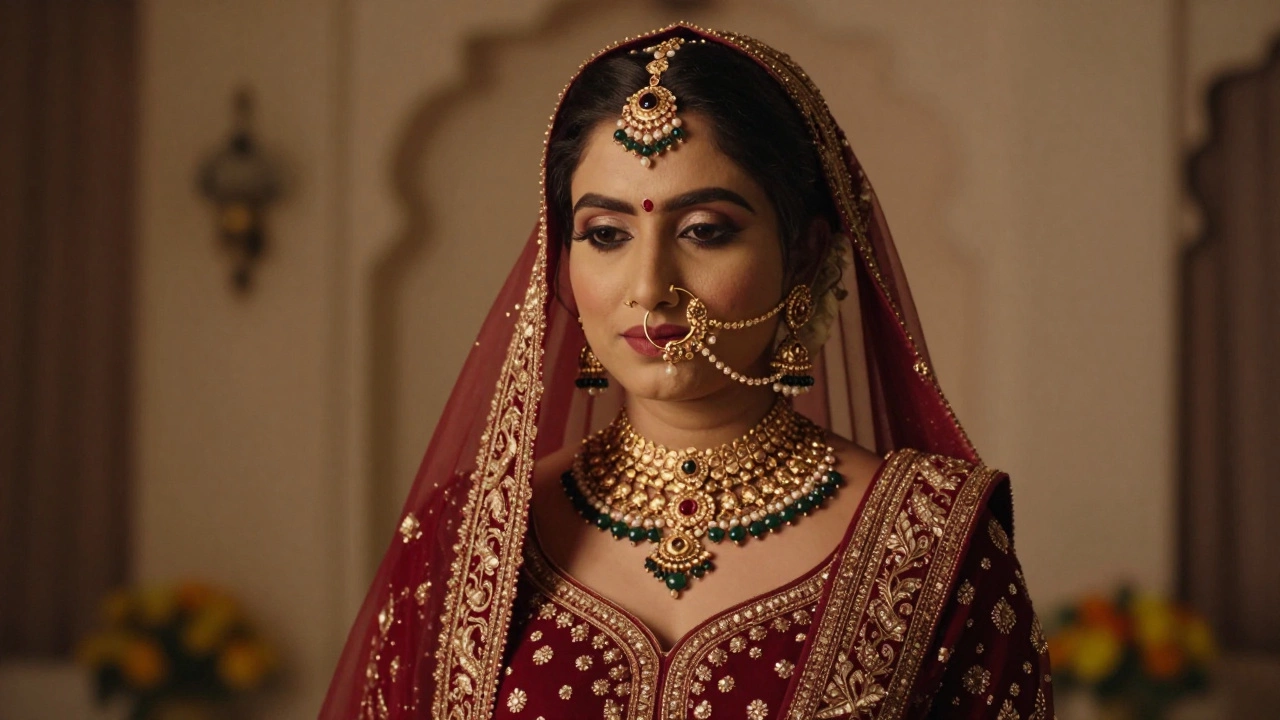
Wedding photography adds another layer of complexity. Photographers almost universally prefer shooting subjects turned slightly. Knowing which way you will be standing during the vows matters. Traditionally, the bride stands facing the groom. The camera usually captures the profile shot.
If you want the jewelry to catch the ring-light during photoshoots, position it on the side that turns outward when you stand next to your partner. Ask your photographer about their usual framing. Generally, if you are on the left of the couple (viewer's perspective), wearing the pin on your right shows off the jewelry. This detail is often overlooked until post-production editing reveals missed opportunities for sparkle.
Summary of Placement Factors
Ultimately, choosing between left and right boils down to a hierarchy of needs. If tradition governs your choices, stick to the left. If facial balance dictates, choose the weaker side. If fashion drives you, experiment with asymmetry or dual placements. There is no absolute rule that ruins your look if followed incorrectly, but paying attention to these nuances ensures you get the most compliment-worthy result.
Remember that a nose pin is more than just decoration; it frames your eyes and softens your features. The right placement enhances your natural beauty without needing to alter anything else. So grab your favorite pair, check the mirror, and let your face guide you.
Should I wear my nose pin on the left or right?
It depends on your goal. Culturally, the left side is traditional for married women in South Asia. Aesthetically, choose the side that balances your facial asymmetry or matches your hair parting direction.
Does the side affect the health of the piercing?
No specific health risks exist for either side, though some Ayurvedic texts suggest the left side aids female health. Practically, the dominant side might experience more snags due to frequent touching.
Can I wear a nose pin on both sides?
Yes, double piercings are very trendy now. Just ensure you balance the sizes and weights so the look appears deliberate and stylish.
How do I choose based on my face shape?
Round faces benefit from smaller studs closer to the bridge. Heart shapes suit drops that elongate the chin. Oval faces can carry almost any design on either side.
Which metal looks better on which side?
This depends on your skin tone, not the side itself. Warm skin tones match yellow gold, while cooler skin tones often look better with silver or platinum on whichever side fits your style.