Bindi & Bangles Cultural Knowledge Quiz
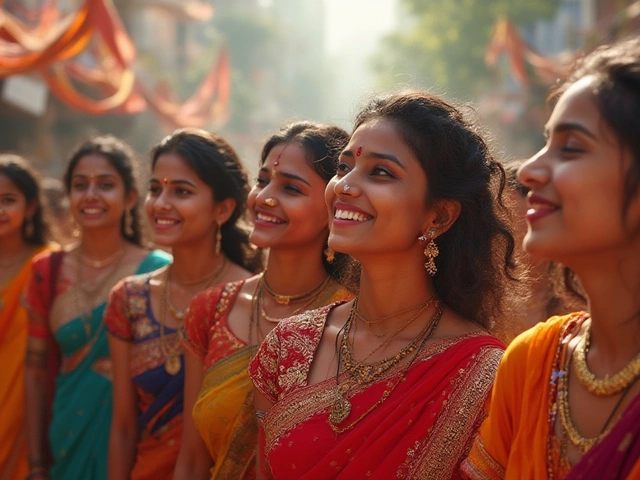
Walk through any street in Mumbai, Delhi, or Jaipur, and you’ll see it - a small red dot on the forehead of countless women. It’s not makeup. It’s not a fashion trend. It’s a bindi, and it carries centuries of meaning, culture, and identity. But why do Indian girls wear red dots? And how is it connected to the traditional bangles they wear on their wrists?
The Red Dot Isn’t Just a Dot
The red dot, or bindi, isn’t a random decoration. It’s a symbol with deep roots in Hindu tradition. The word bindi comes from the Sanskrit word bindu, meaning ‘point’ or ‘dot.’ In ancient texts, this dot was placed between the eyebrows - the spot believed to be the location of the sixth chakra, or ajna, the center of intuition and inner wisdom.
For centuries, married women in India wore a red bindi as a sign of marital status. The color red wasn’t chosen by accident. It symbolized energy, prosperity, and the sacred bond of marriage. Over time, the practice expanded. Young girls, unmarried women, and even men in some regions began wearing bindis - not always red, not always for marriage - but as a cultural marker, a spiritual reminder, or even just a stylish accessory.
Today, bindis come in every color, shape, and size. You’ll see glittery stars, floral designs, and even LED bindis. But the traditional red one? It still holds the most weight.
Bangles: More Than Just Jewelry
Now look at their wrists. Almost every Indian woman, from toddlers to grandmothers, wears bangles. In villages, you’ll see stacks of glass bangles that chime with every movement. In cities, it’s gold, platinum, or enamel. But why so many? And why are they so loud?
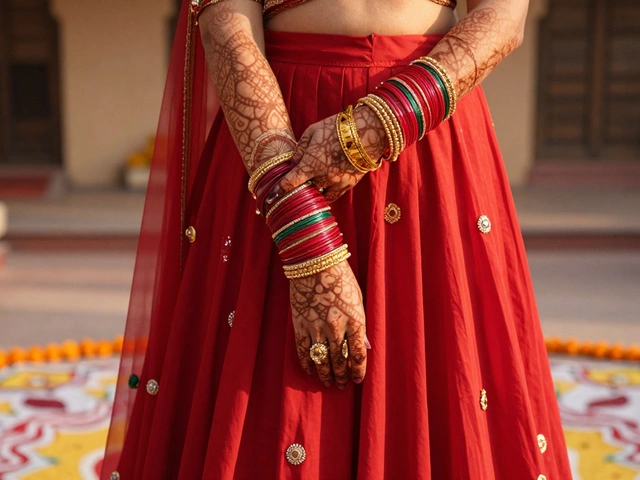
In many parts of India, especially in North India, bangles are worn as a sign of a woman’s marital status. The more bangles a woman wears, the more her family’s prosperity is believed to be reflected. In Punjabi culture, the sound of glass bangles - called choodiyan - is said to ward off evil spirits. That’s why brides wear dozens of them on their wedding day.
But there’s more. In Maharashtra and Gujarat, women wear a specific set of bangles called chooda - red and white - during marriage. These are worn for months, sometimes years, after the wedding. Breaking a bangle is considered bad luck. That’s why women are careful. And if a woman’s husband passes away, she stops wearing bangles altogether. The tradition is still alive, even if not everyone follows it strictly today.
The Red Dot and the Bangles: A Pair
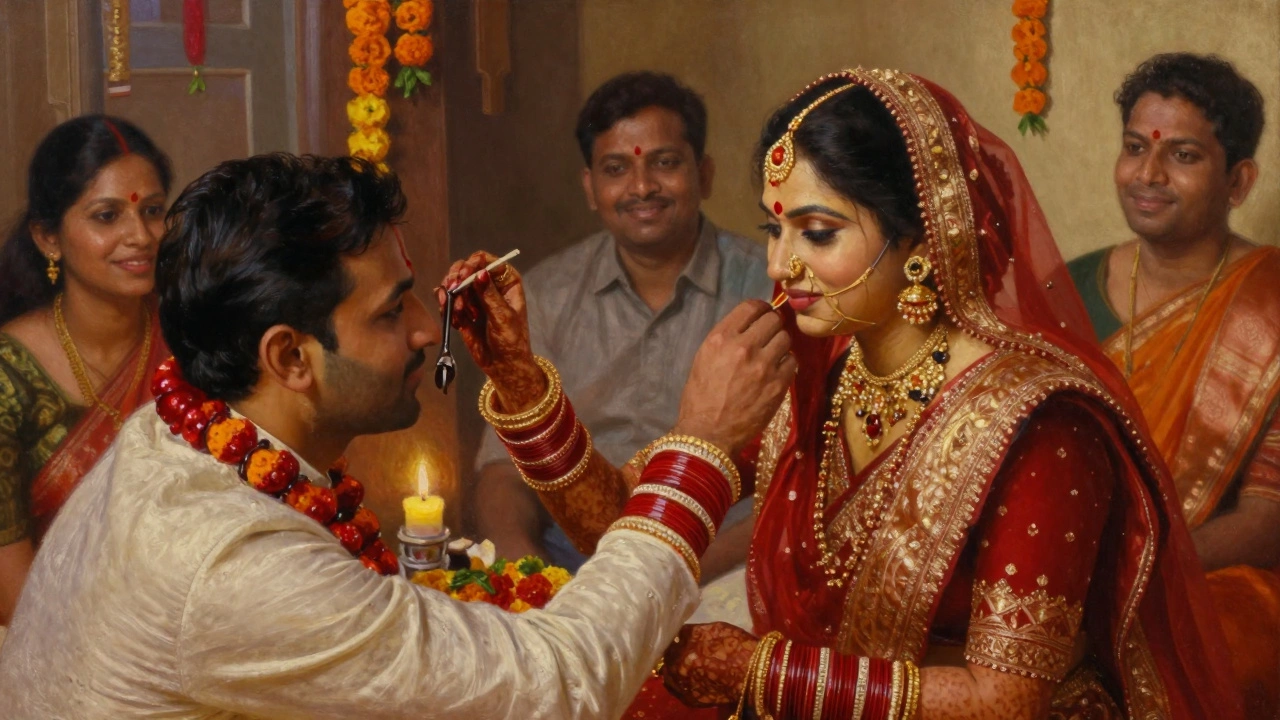
It’s no coincidence that the red bindi and the red bangles often appear together. In traditional Hindu weddings, the bride’s forehead is painted with sindoor - a bright red powder - and her wrists are adorned with red glass bangles. The sindoor is applied by the groom during the ceremony, and the bangles are gifted by her in-laws. Both are gifts of acceptance into the family.
These items aren’t just worn for beauty. They’re worn as a promise. A promise of commitment, of continuity, of belonging. Even if a woman today doesn’t believe in the spiritual meaning, she might still wear them because her mother did. Because her grandmother did. Because it feels like home.
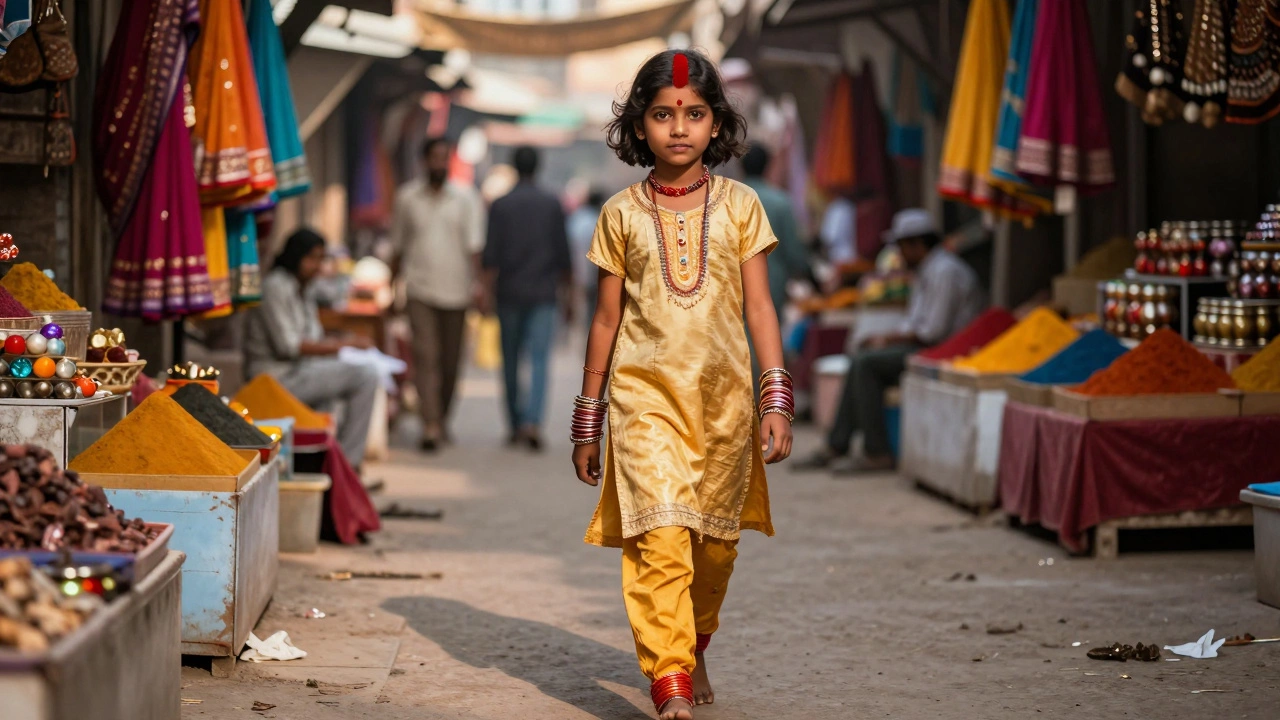
When you see a young girl in Jaipur wearing a red bindi and a stack of bangles on her way to school, she’s not trying to impress anyone. She’s carrying a legacy. One that’s older than religion, older than borders, older than modern fashion.
What About Single Women and Modern Trends?
Not every woman who wears a bindi is married. Not every woman who wears bangles is in a relationship. And that’s okay.
Young women in urban India now wear bindis as fashion - blue, green, purple, even shaped like animals or cartoon characters. Some wear them for festivals. Others wear them for photo shoots. But even then, the red one remains special. It’s still the one that gets attention. The one that makes people pause.
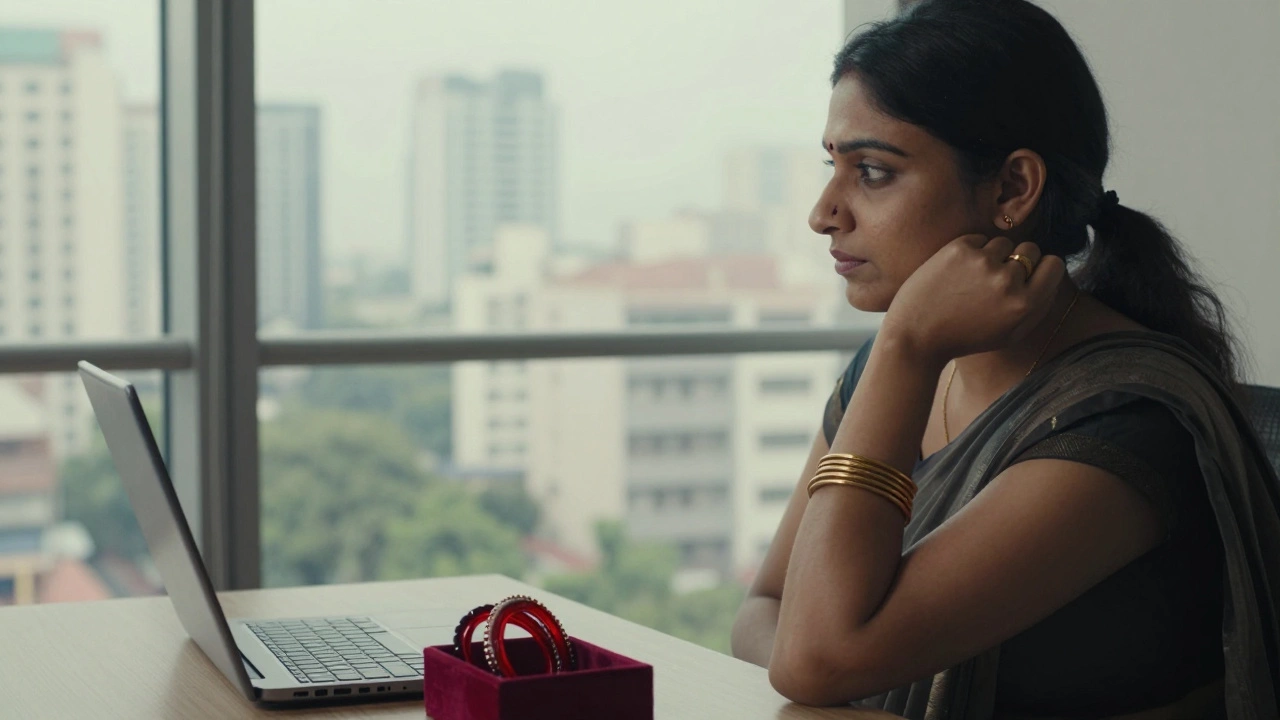
Same with bangles. A 22-year-old software engineer in Bangalore might wear minimalist gold cuffs instead of glass bangles. But if she’s from a traditional family, she still owns a set of red ones - kept in a velvet box - for Diwali, for weddings, for her own future wedding day.
The change isn’t in the meaning. It’s in the choice. Women today decide when, where, and why they wear these symbols. But the connection? It’s still there.
Why Do These Traditions Last?
Ask a woman in Varanasi why she wears a bindi, and she might say, “Because my mother did.”
Ask a woman in Chennai, and she might say, “Because it reminds me of my grandmother’s voice.”
Ask a woman in Delhi, and she might say, “Because I like how it looks.”
All three are right.
Traditions don’t survive because they’re enforced. They survive because they’re felt. They’re tied to identity, memory, and emotion. The red dot isn’t just paint. The bangles aren’t just metal. They’re echoes of women who came before - women who carried their families, their faith, their stories on their skin.
That’s why, even in a world of fast fashion and global trends, millions of Indian girls still reach for the red dot every morning. Not because they have to. But because they want to.
It’s Not Just About Marriage
One of the biggest myths is that the bindi and bangles are only for married women. That’s not true. In many South Indian states, young girls wear bindis from childhood - not as a marital symbol, but as part of daily ritual. In Tamil Nadu, it’s common for girls to wear a black bindi to ward off the evil eye. In Rajasthan, it’s red. In Bengal, it’s often a small dot of kumkum.
And bangles? Girls in Odisha wear them as early as age three. In Assam, they’re part of the haat-kharu - a traditional gift given to girls during puberty. These aren’t about marriage. They’re about growth, protection, and belonging.
The red dot? It’s not a label. It’s a language.
What’s Changing Today?
Modern life is reshaping these traditions. Young women are choosing to wear bindis only on special days. Some skip bangles entirely. Others wear them on one wrist, or mix them with Western bracelets.
But here’s what’s interesting: when a woman wears a bindi - even once a year - she’s making a choice that connects her to something bigger. And when she wears bangles, even a single pair, she’s honoring a rhythm older than smartphones.
Many women today don’t know the exact religious meaning. But they know the feeling. The way the bangles clink when they walk. The way the red dot makes them feel seen. The way it ties them to their mothers, their aunts, their daughters.
That’s why these traditions aren’t dying. They’re evolving.
Why This Matters
When outsiders see a red dot, they often assume it’s about oppression - about women being told what to wear. But the truth? Most Indian women choose to wear these symbols. Not because they’re forced. But because they want to.
It’s not about following rules. It’s about holding on to pieces of home. Even if home is far away. Even if home is changing.
The bindi and the bangles are more than jewelry. They’re quiet acts of resistance - against forgetting. Against losing your roots. Against letting go of the women who came before you.
So the next time you see a girl in India with a red dot and bangles, don’t just see a trend. See a story. A thousand stories, really. Each one different. Each one powerful.
Is the red dot only worn by married women?
No. While the red bindi was historically linked to marriage, today women of all ages and marital statuses wear it. Unmarried girls wear it during festivals, for cultural reasons, or as fashion. In some regions, like Tamil Nadu, black bindis are worn by girls to protect against the evil eye. The meaning has expanded beyond marriage.
Why are bangles so loud?
The sound of glass bangles - especially in North India - is intentional. It’s believed to ward off negative energy and evil spirits. The chime also reminds a woman of her presence, even when she’s not seen. In many homes, the sound of bangles is considered comforting, like a lullaby. It’s part of daily rhythm, not just decoration.
Do all Indian women wear bangles?
Not all, but most. In rural areas, nearly every woman wears bangles daily. In cities, it’s more varied - some wear them daily, others only for weddings or festivals. The type varies too: glass in the north, gold in the south, enamel in the west. But the tradition remains strong across regions.
Can men wear bindis?
Yes, but rarely. In some Hindu priestly communities, men wear a red or white dot on the forehead during rituals. In modern times, men in certain artistic or activist circles wear bindis as symbols of gender equality or spiritual identity. But it’s not common in everyday life.
Are bindis and bangles religious symbols?
They have religious origins - especially in Hinduism - but today they’re more cultural than religious. Many women who don’t practice religion still wear them. For some, it’s identity. For others, it’s nostalgia. For many, it’s both. The meaning has shifted from ritual to personal expression.