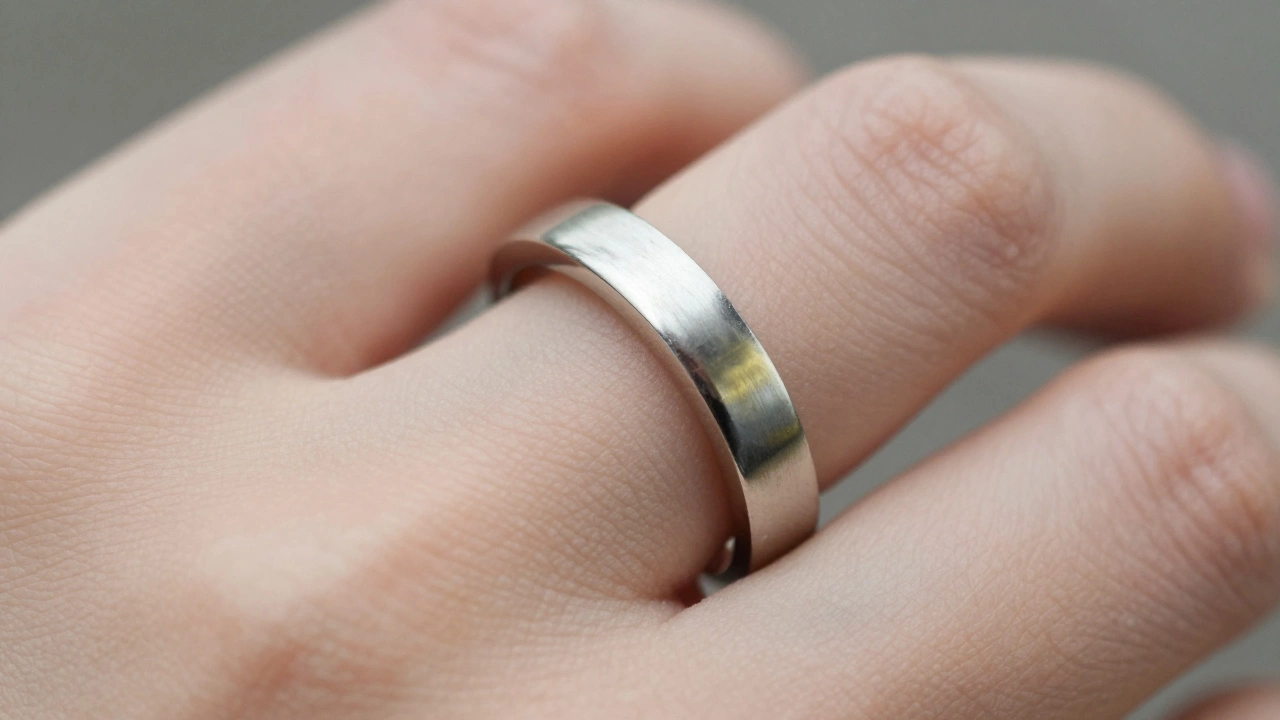
Platinum Ring Yellowing Diagnostic Tool
Answer these questions to identify why your ring looks yellow and get a specific solution.
Check the Stamp
Look inside the band for markings like Pt, Plat, WG, 14K, or 18K.
Locate the Discoloration
Is the yellow tint uniform across the whole ring, or just in spots?
Lifestyle Factors
Do you wear lotions, perfumes, or swim in chlorinated water often?
Ready to Analyze
Click on Step 1 to begin identifying the cause of your ring's discoloration.
There is nothing quite like the shock of looking down at your hand and realizing that your prized platinum ring is a precious metal band known for its durability and natural white luster has taken on a dull, yellowish hue. You bought it because it was supposed to be low-maintenance, hypoallergenic, and forever bright. So why is it looking like an old piece of brass?
The short answer is usually one of two things: either you are dealing with surface grime and oils that have built up over time, or-and this is more common than you might think-you aren’t actually wearing platinum at all. Many people assume their "white" ring is platinum when it is actually white gold. Understanding the difference between these metals is the first step to fixing the problem.
The Great Metal Mix-Up: White Gold vs. Platinum
Before we talk about cleaning chemicals or professional polishing, we need to address the elephant in the room. In the world of fine jewelry, confusion between white gold is an alloy of gold mixed with white metals like nickel or palladium, often plated with rhodium and platinum is incredibly common. If your ring was purchased five or ten years ago, there is a significant chance it is white gold, not platinum.
Here is how they differ:
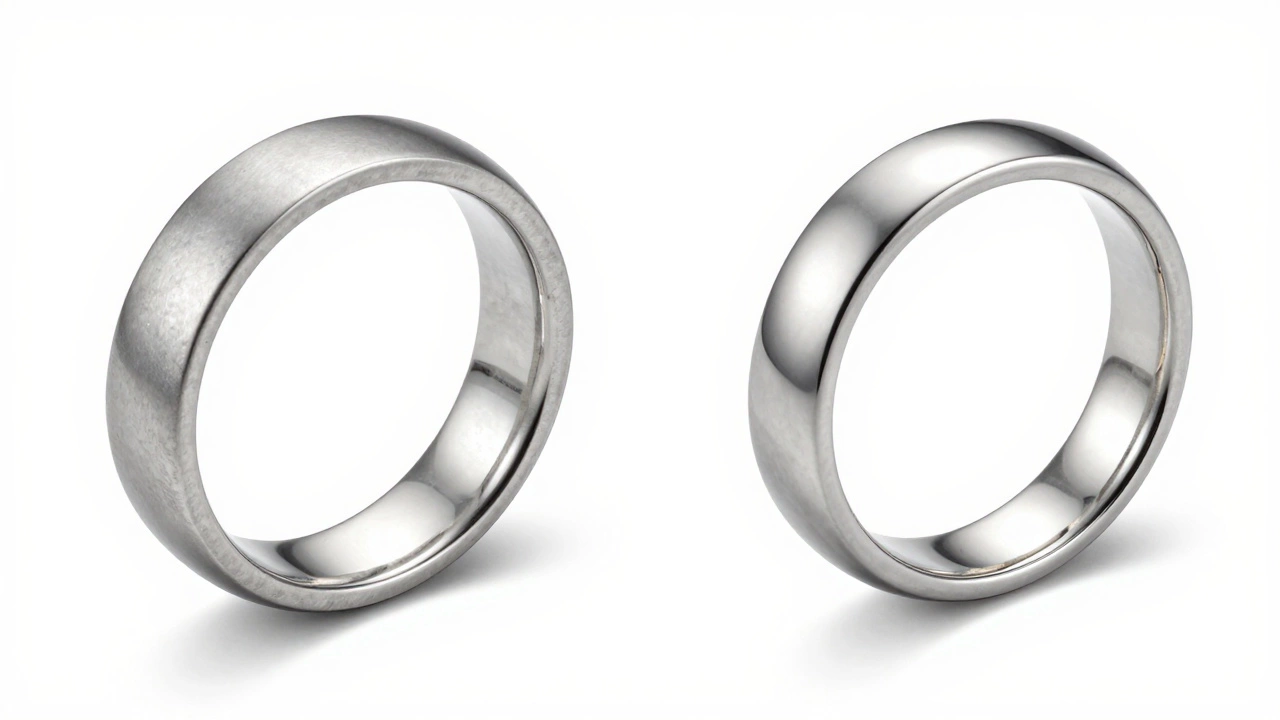
- Platinum is a pure, dense metal. It does not wear away. Over decades, it develops a soft, matte patina, but it never turns yellow. The metal itself remains white-gray.
- White Gold is naturally yellow-ish (because it’s mostly gold). To make it look white, jewelers plate it with a thin layer of rhodium is a hard, reflective, silver-white metal from the platinum group used for plating. This coating wears off over time-usually within 1 to 3 years depending on usage-revealing the slightly yellowish alloy underneath.
If your ring is turning yellow specifically in areas where it rubs against other objects (like the inside of the band or near the prongs), it is almost certainly white gold losing its rhodium plating. Platinum does not have a coating to lose. If you suspect this is the case, take it to a jeweler for re-plating. It’s a quick, affordable fix that restores the bright white shine.
Surface Buildup: The Invisible Culprits
If you are sure you have genuine platinum-perhaps you see a hallmark like "Pt950" or "Plat" stamped on the inside of the band-then the yellowing is likely due to external factors. Platinum is chemically inert, meaning it doesn’t react with air or water. However, it is a magnet for dirt, oils, and lotions.
Think about what your hands touch every day. You apply moisturizer, use hand sanitizer, cook with oils, and handle various household products. These substances create a film on your skin. Over weeks and months, this film transfers to your jewelry. Because platinum has a microscopic texture that can hold onto particles, this buildup can appear as a dull, yellowish haze. It isn’t the metal changing color; it’s just dirty.
This is especially noticeable if you wear your ring daily. The combination of sweat, soap residue, and environmental dust creates a stubborn layer that simple wiping won’t remove. This is why many platinum owners report their rings looking "yellow" after a year of continuous wear without deep cleaning.
Chemical Reactions and Environment
While platinum is resistant to corrosion, it is not invincible to all chemicals. Certain harsh substances can leave residues or cause slight discoloration on the surface, which may reflect light differently, giving the appearance of yellowing.
- Chlorine: Swimming pools and hot tubs contain chlorine, which can dry out skin and leave chemical deposits on jewelry. While it won’t eat through platinum, it can leave a film.
- Sulfur: Exposure to high levels of sulfur (found in some industrial areas or even certain types of rubber) can sometimes cause temporary darkening or discoloration on metals, though this is less common with platinum than with silver.
- Perfumes and Lotions: Alcohol-based perfumes and thick creams can coat the ring. As these dry, they can trap dirt and give the metal a cloudy, yellowish tint.
If you recently started using new skincare products or swimming more frequently, check if the timing matches the discoloration. Removing the ring before applying cosmetics or entering chlorinated water is a simple preventive habit.
How to Clean Your Platinum Ring at Home
Before you spend money on professional services, try these gentle home remedies. They are safe for platinum and effective at removing the oily film that causes yellowing.
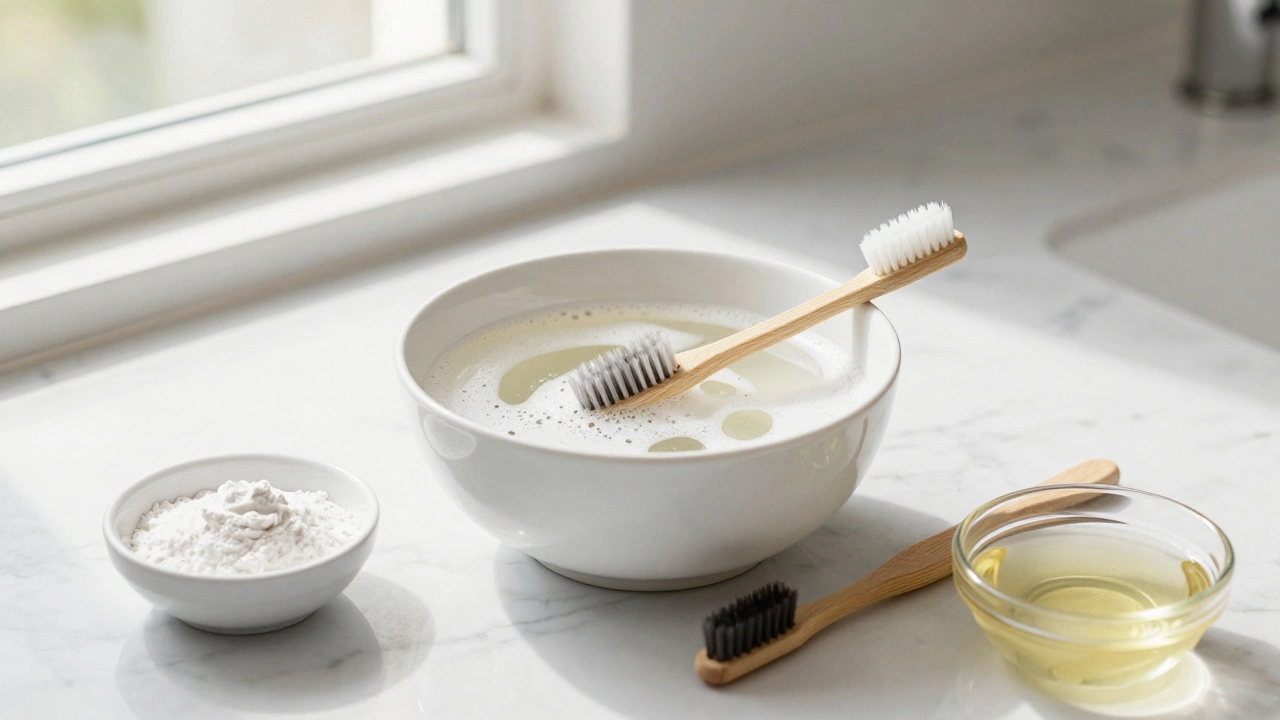
- Warm Water and Dish Soap: Mix a few drops of mild dish soap (like Dawn) into a bowl of warm water. Let your ring soak for 15-20 minutes. Use a soft-bristled toothbrush to gently scrub around the stone and under the band. Rinse thoroughly and dry with a lint-free cloth.
- Vinegar Solution: For tougher buildup, mix equal parts white vinegar and water. Soak the ring for 5-10 minutes, then brush gently. Vinegar helps break down mineral deposits and oils. Avoid this method if your ring has porous gemstones like opals or pearls.
- Baking Soda Paste: Make a paste with baking soda and a little water. Gently rub it onto the ring with your fingers or a soft cloth. Baking soda is mildly abrasive and can lift stains without scratching the metal. Rinse well.
Avoid using bleach, ammonia, or harsh commercial jewelry cleaners unless they are specifically labeled safe for platinum. These can damage any accompanying gemstones or weaken the setting over time.
When to See a Professional Jeweler
Some issues require expert attention. If home cleaning doesn’t restore the shine, or if the yellowing is uneven and localized, it’s time to visit a professional. Here’s what they can do:
- Ultrasonic Cleaning: Jewelers use ultrasonic machines that send high-frequency sound waves through a cleaning solution. This shakes loose dirt from tiny crevices that brushes can’t reach. It’s highly effective for platinum.
- Polishing: If the platinum has developed a heavy patina or minor scratches that scatter light (making it look dull/yellow), a jeweler can polish it back to a mirror finish. Note: polishing removes a tiny amount of metal, so it shouldn’t be done too frequently.
- Re-plating (if White Gold): If confirmed as white gold, the jeweler will strip the old rhodium and apply a fresh layer. This restores the bright white color instantly.
Ask your jeweler to inspect the prongs holding any diamonds while they’re cleaning the ring. Loose settings are a common issue with long-worn rings and can lead to lost stones.
Preventing Future Discoloration
Keeping your platinum ring looking brilliant doesn’t have to be a chore. Adopting a few simple habits can extend the time between cleanings:
- Remove During Chores: Take off your ring when washing dishes, gardening, or cleaning. Harsh detergents and abrasives accelerate buildup.
- Last On, First Off: Put your ring on after applying perfume, lotion, and makeup. Remove it before bed to reduce exposure to nighttime skincare products.
- Regular Wipes: Keep a microfiber cloth in your jewelry box. Give your ring a quick wipe once a week to remove oils before they set.
- Annual Check-ups: Visit your jeweler once a year for professional cleaning and inspection. This maintains the metal’s integrity and sparkle.
Can platinum turn yellow permanently?
No, genuine platinum cannot turn yellow permanently. The metal itself is stable and white-gray. Any yellow appearance is due to surface dirt, oil buildup, or oxidation of other metals in contact with it. If the yellowing persists after thorough cleaning, the ring is likely made of white gold, not platinum.
How do I know if my ring is platinum or white gold?
Look for a stamp inside the band. Platinum is marked with "Pt," "Plat," "PT950," or "950." White gold is marked with "WG," "14K," "18K," or "585"/"750." If there is no stamp, consult a jeweler who can perform a density test or X-ray fluorescence analysis to confirm the metal type.
Is it safe to clean platinum with lemon juice?
Yes, lemon juice is safe for platinum because its acidity helps cut through grease and grime. However, avoid using it on rings with delicate gemstones like emeralds or opals, as acid can damage them. Always rinse thoroughly after using citrus-based cleaners.
Why does my platinum ring look darker instead of yellow?
Platinum naturally develops a patina-a soft, matte finish-over time due to wear and tear. This is not damage; it’s a characteristic of the metal. Some people prefer this vintage look. If you want a shiny finish again, professional polishing will restore the original luster.
Does sweat make platinum turn yellow?
Sweat itself doesn’t change the color of platinum, but it contains salts and oils that can build up on the surface, creating a dull, yellowish film. Regular cleaning with warm soapy water removes this residue easily.