Diamond Price India: What You Really Pay and Why It Varies
When you hear diamond price India, the cost of polished diamonds sold in India’s retail and wholesale markets, influenced by weight, clarity, cut, color, and certification. Also known as diamond rates, it’s not just about size—it’s about what’s inside the stone and who verified it. Many people assume a 1-carat diamond costs the same everywhere, but that’s not true. In India, prices swing wildly depending on whether the diamond is certified by GIA, IGI, or has no report at all. A certified diamond might cost 20-40% more, but it’s the only way to know you’re not paying for glass.
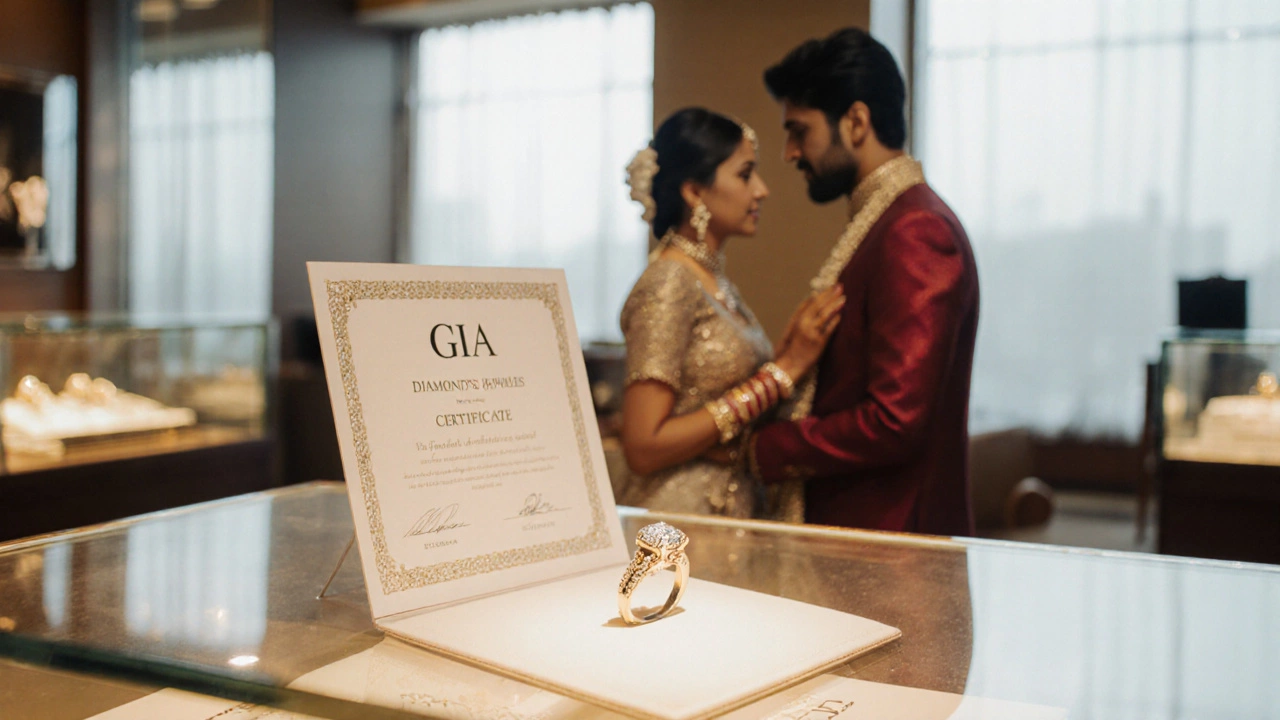
The diamond certification, an official document from a lab like GIA or IGI that rates a diamond’s 4Cs: carat, color, clarity, and cut is your first line of defense against overpaying. Without it, you’re trusting a shop owner’s word—and too many shops in India still sell diamonds with fake or inflated grades. Even a small difference in color grade—from H to G—can drop the price by thousands. Same with clarity: an SI1 diamond looks identical to an VS2 to the naked eye, but the price gap can be huge. And cut? That’s the one thing no one talks about. A poorly cut diamond won’t sparkle, no matter how big or clear it is.
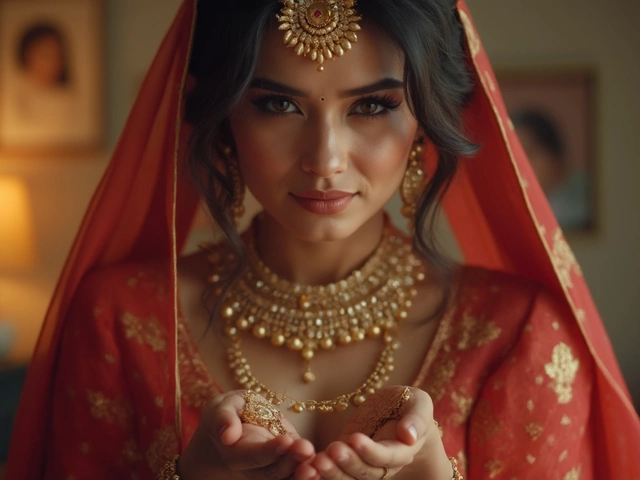
Then there’s the diamond jewelry India, the finished pieces like rings, earrings, and necklaces that combine diamonds with gold or platinum settings. The metal matters. A diamond set in 22K gold will cost more than the same stone in 18K, even if the diamond is identical. And don’t forget the making charges—some jewelers charge 15-25% extra just to assemble the piece. You’re not just paying for the diamond; you’re paying for the craft, the brand, and sometimes, the hype.
Most buyers in India shop for diamonds during weddings or festivals, but smart shoppers wait for sales or buy loose stones and get them set locally. You’ll save more than you think. Also, avoid malls and branded showrooms if you’re budget-conscious. Local markets in Mumbai, Surat, or Jaipur often have better prices because they cut out the middlemen. Surat alone processes over 90% of the world’s diamonds—so if you want the best price, go where the stones are cut, not where they’re displayed.
What you won’t find in ads is how much diamonds lose value after purchase. Unlike gold, diamonds don’t have a daily market rate. If you try to resell, you’ll get maybe 30-50% of what you paid. That’s why buying for investment is risky. Buy diamonds because you love them, not because you think they’ll grow in value.
Below, you’ll find real guides from people who’ve been there—how to spot a fake certificate, why some diamonds look dull even if they’re expensive, and what to ask before handing over your money. No fluff. Just what works.
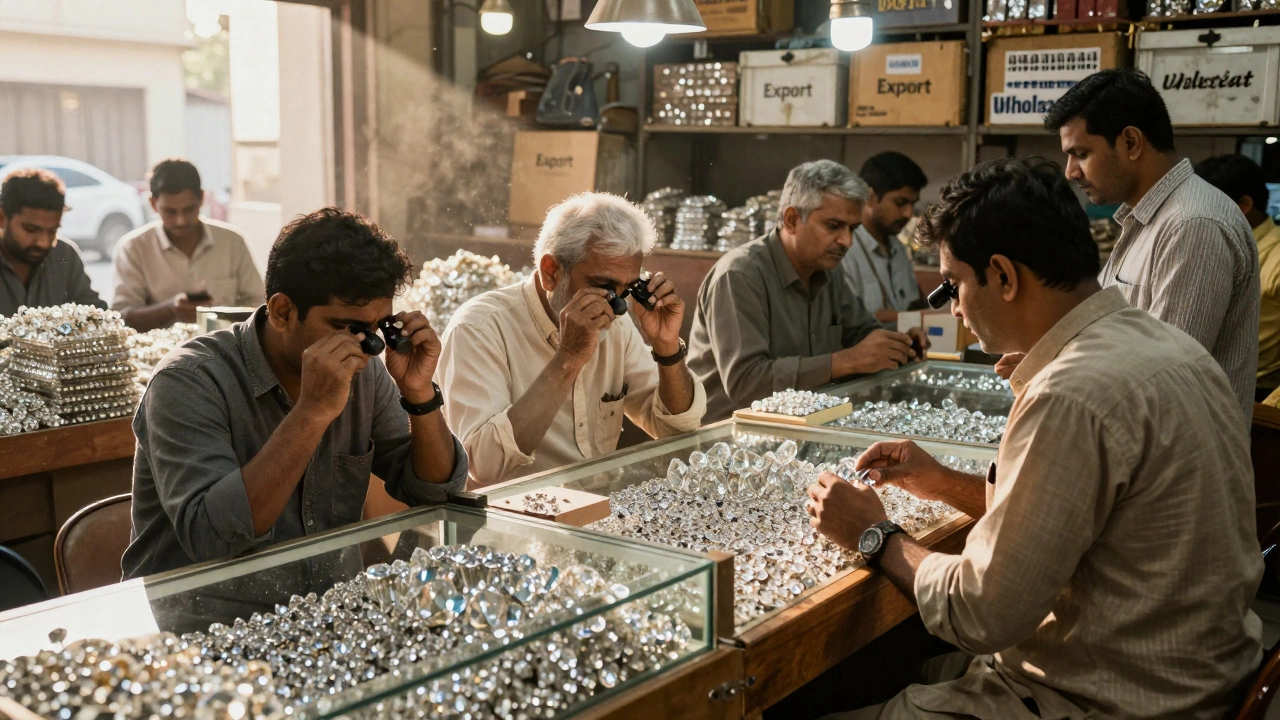
Are Diamonds Cheap in India? The Real Cost of Diamond Rings Explained
Diamonds in India aren't cheap, but they're significantly more affordable than in the US or Europe. Learn how to buy a diamond ring at the best price by understanding the 4Cs, avoiding brand markups, and knowing where to shop.
Are Diamonds Good Value in India? A Realistic Look at Cost, Quality, and Resale
Diamonds in India cost less than abroad, but they rarely hold their value. Learn why buying a diamond ring makes sense emotionally-but not financially-and what alternatives give you more for your money.