Traditional Bangles: Style, Meaning & How to Choose
If you’ve ever wondered why bangles are a staple in Indian wardrobes, you’re not alone. They’re more than shiny circles for your wrist – they carry stories, status symbols, and a burst of color that lifts any outfit. At RH Jewellers, we’ve gathered the most authentic traditional bangles so you can pick pieces that fit both your style and the occasion.
Materials & Designs
Traditional bangles come in three main material families: gold, silver, and glass or gemstone. Gold bangles, especially the 22‑karat varieties, are the go‑to for weddings and festivals. They’re heavy enough to feel luxurious but thin enough to slide on without hurting your skin. Silver bangles are lighter, often hand‑crafted with intricate filigree work that catches the light. If you love a pop of color, look for glass or gemstone bangles—red, blue, and purple shades each have a cultural meaning, from marital bliss to protection.
Designs vary by region too. Punjabi bangles often feature bold enamel and raised patterns, while Bengali couples favor the classic white Shakha (conch shell) paired with a thin red band called the Pola. Sikh men might wear a sturdy steel kada as a sign of faith. Knowing a bit about these styles helps you choose a piece that resonates with your heritage or simply fits the vibe you want.
Tips for Picking & Wearing
First, think about fit. A well‑fitted bangle should move slightly when you flex your wrist—tight enough to stay in place, loose enough to avoid bruises. A quick test: slide the bangle over your hand; you should feel a gentle resistance, not a pinch.
Second, match the occasion. For a wedding, go heavy on gold or paired gold‑silver sets. For daily wear, silver or lightweight glass bangles work best. If you’re mixing metals, keep the colors close—gold with rose gold or silver with white gold—to maintain a cohesive look.
Third, care matters. Gold and silver bangles need occasional polishing with a soft cloth. Glass bangles should be stored separately to prevent scratches. RH Jewellers offers a complimentary cleaning kit with every purchase, so your bangles stay as vibrant as the day you bought them.
Finally, don’t be afraid to stack. Traditional Indian style loves layers – three to five bangles on one wrist create a rhythmic jingle that’s both festive and elegant. Mix textures—smooth glass with detailed silver—to add visual interest without overdoing it.
Whether you’re buying your first set or expanding a family heirloom, the right bangle tells a story. With RH Jewellers’ curated collection, you get authentic craftsmanship, ethically sourced metals, and designs that honor centuries of tradition. Browse our range, pick a style that speaks to you, and let your wrists do the talking.
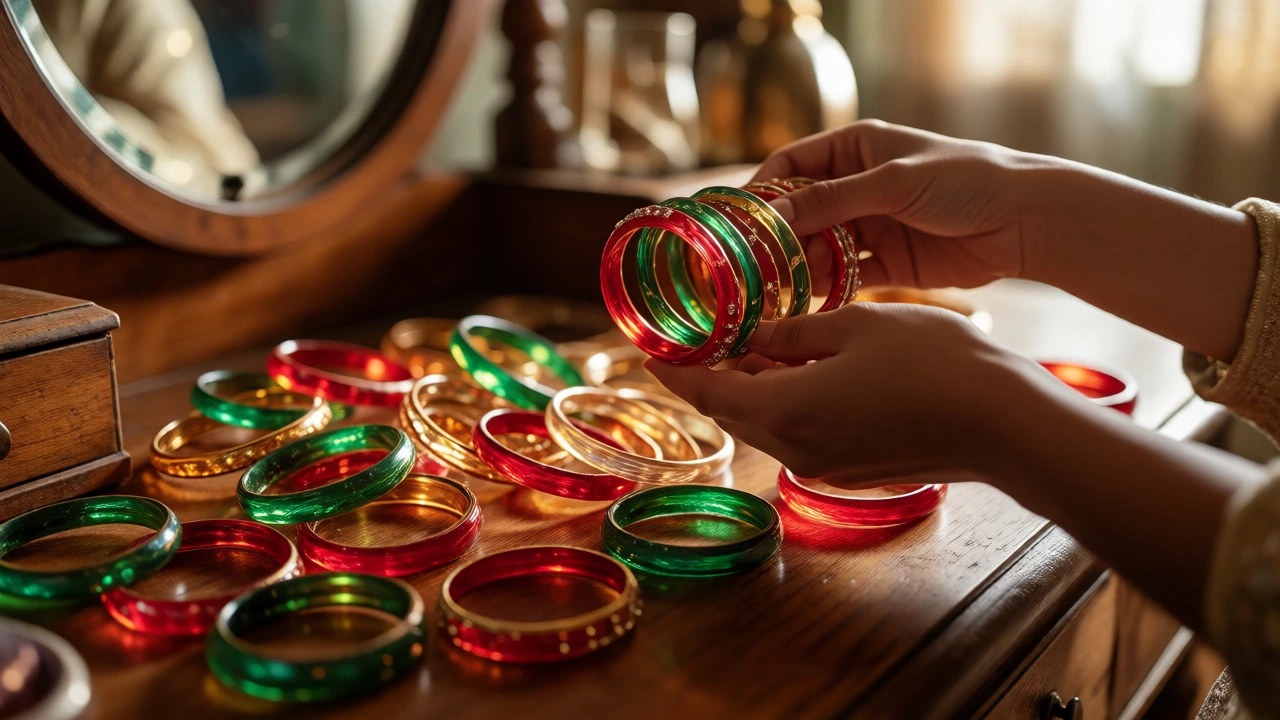
How Many Bangles Do You Wear in Each Hand? A Guide to Indian Traditions
Confused about how many bangles to wear? Discover the traditional counts for brides, daily wearers, and regional customs in India. Learn practical tips for stacking.
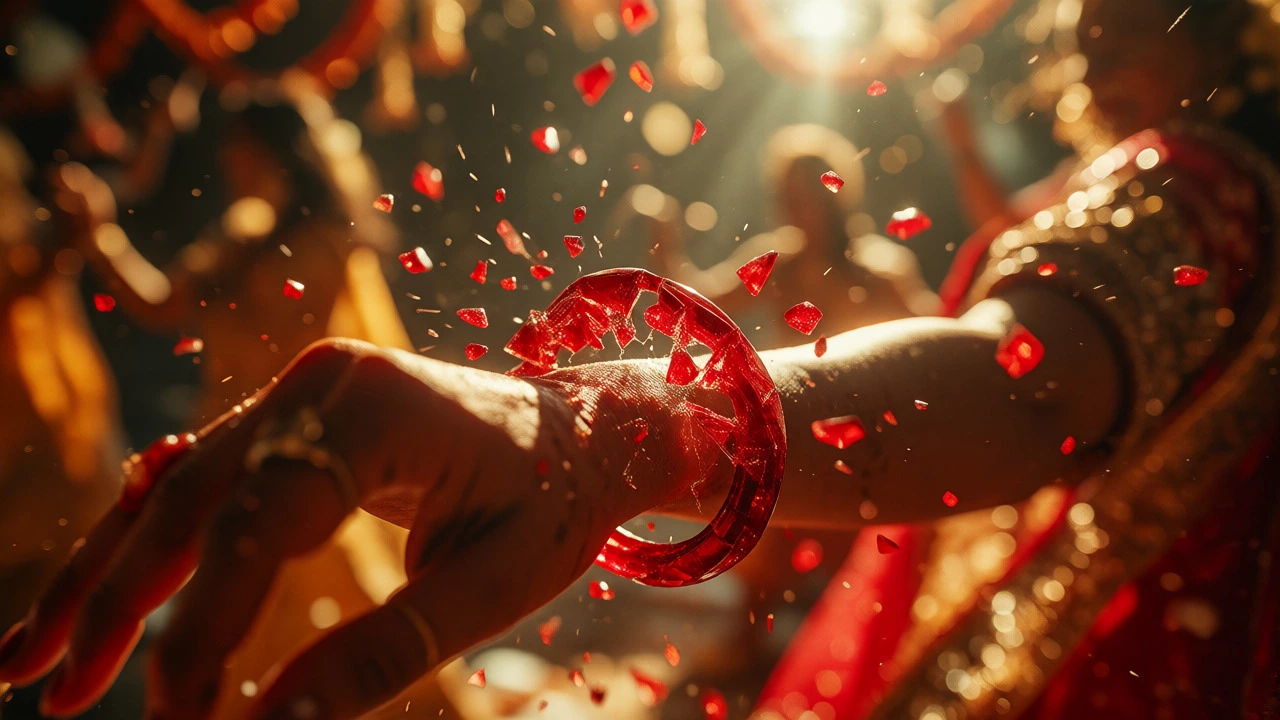
Breaking Glass Bangles: Meaning, Superstitions, and Cultural Significance
Discover the cultural, religious, and practical meanings behind breaking glass bangles in India. Explore regional superstitions, remedies, and modern perspectives.
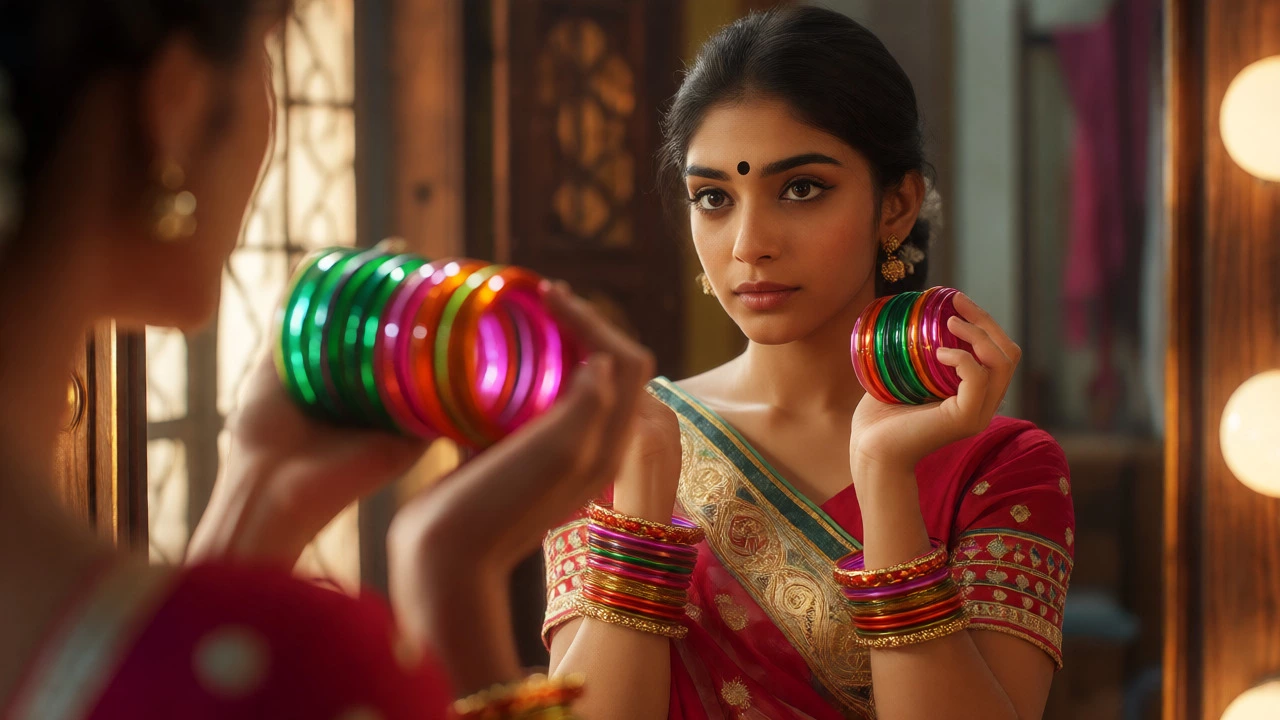
Indian Bangles on Both Arms: Tradition, Meaning & Style
Discover the truth behind wearing Indian bangles on both arms. Explore regional customs, marital traditions, and modern style tips for perfect bangle etiquette.
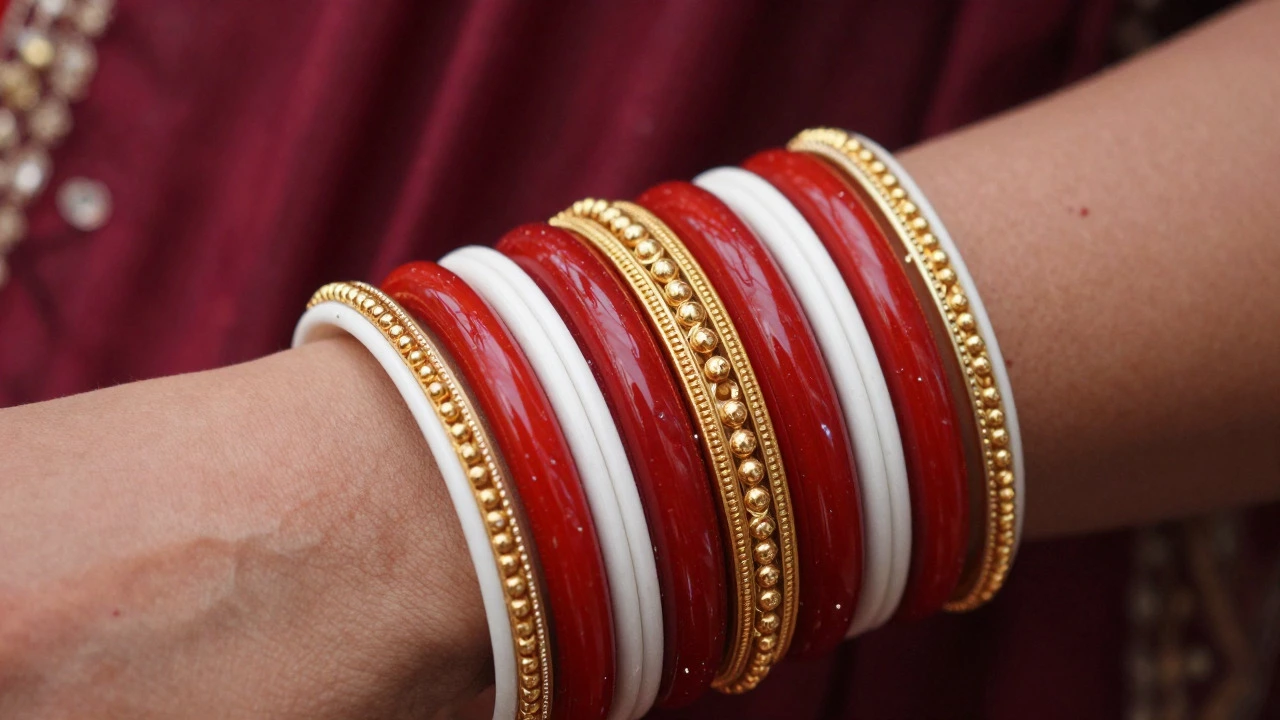
What Are Indian Bangles Called? Types, Names & Cultural Significance
Discover the correct names for Indian bangles, from Chooda and Firoza to Payal and Kada. Learn the cultural significance, material differences, and how to identify authentic traditional pieces.
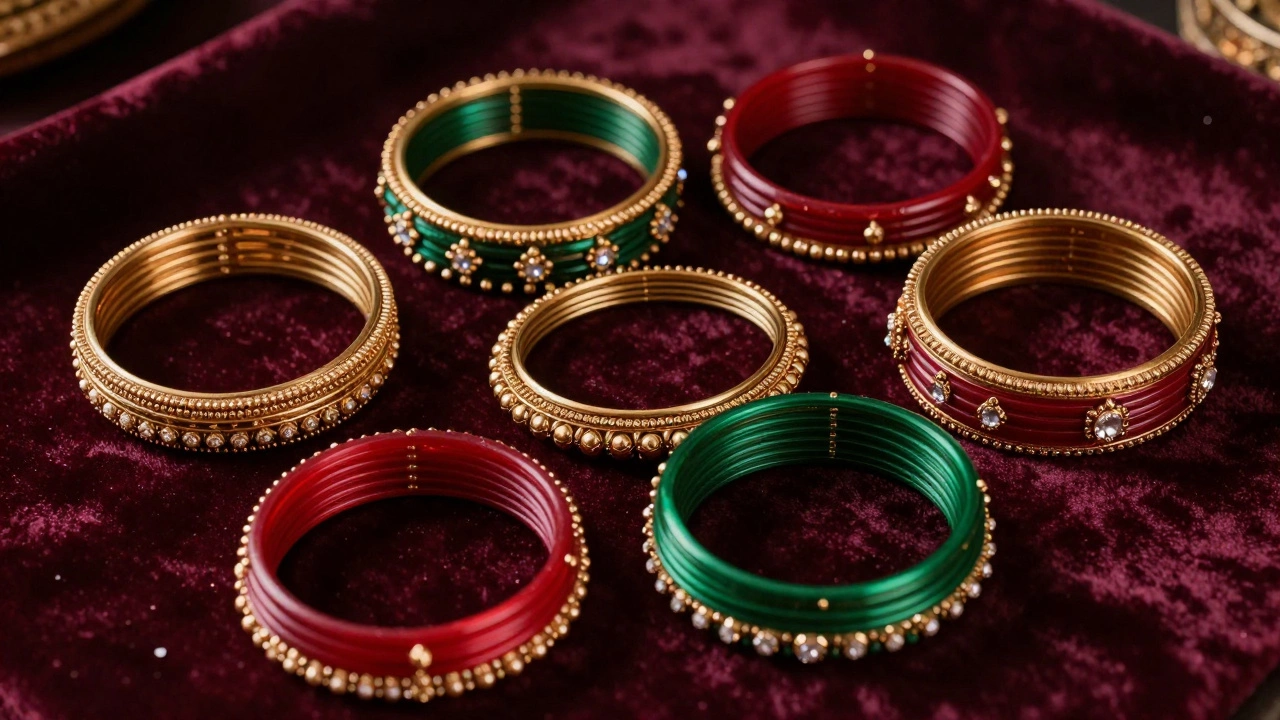
How to Find Your Perfect Bangle Size: A Complete Guide
Confused by 2.4 or 2.6? Learn how to find your normal girl bangle size with our easy measurement guide, sizing charts, and tips for traditional Indian bangles.
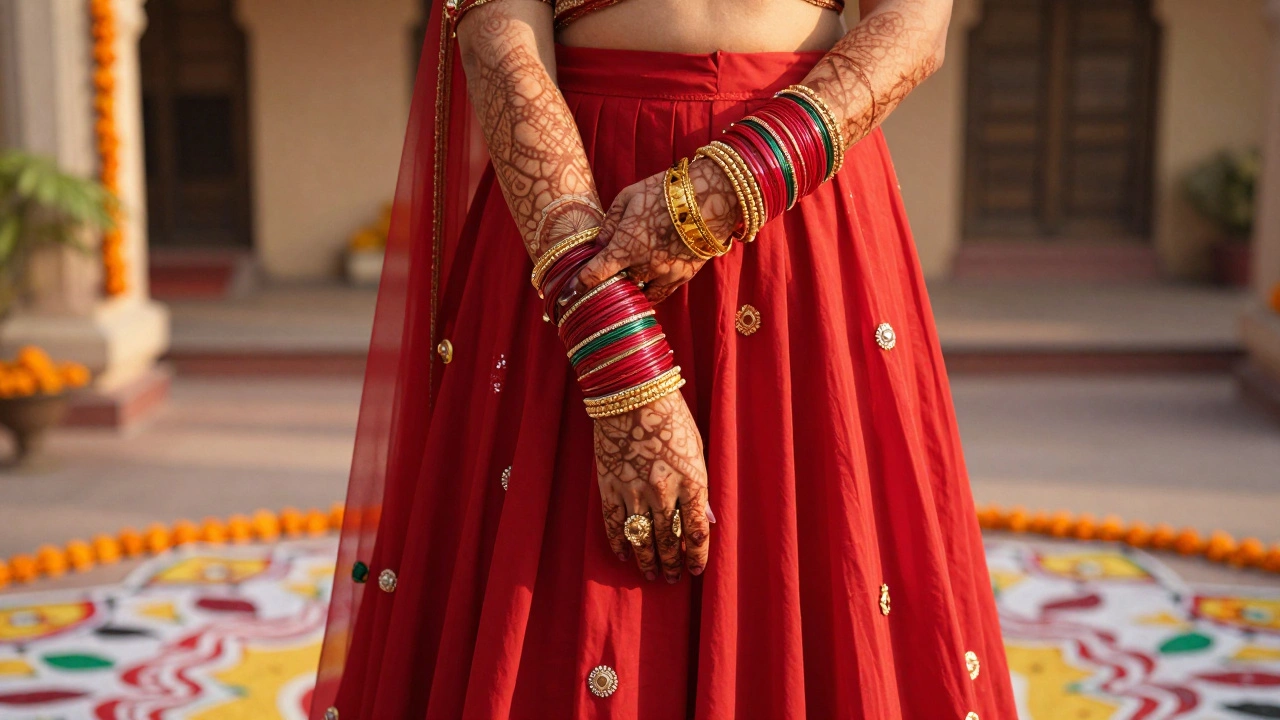
What Do the Colors of Bangles Mean in Indian Tradition?
The colors of Indian bangles carry deep cultural meanings-red for marriage, green for fertility, gold for wealth, and white for mourning. Learn what each hue signifies in tradition and how modern women wear them today.
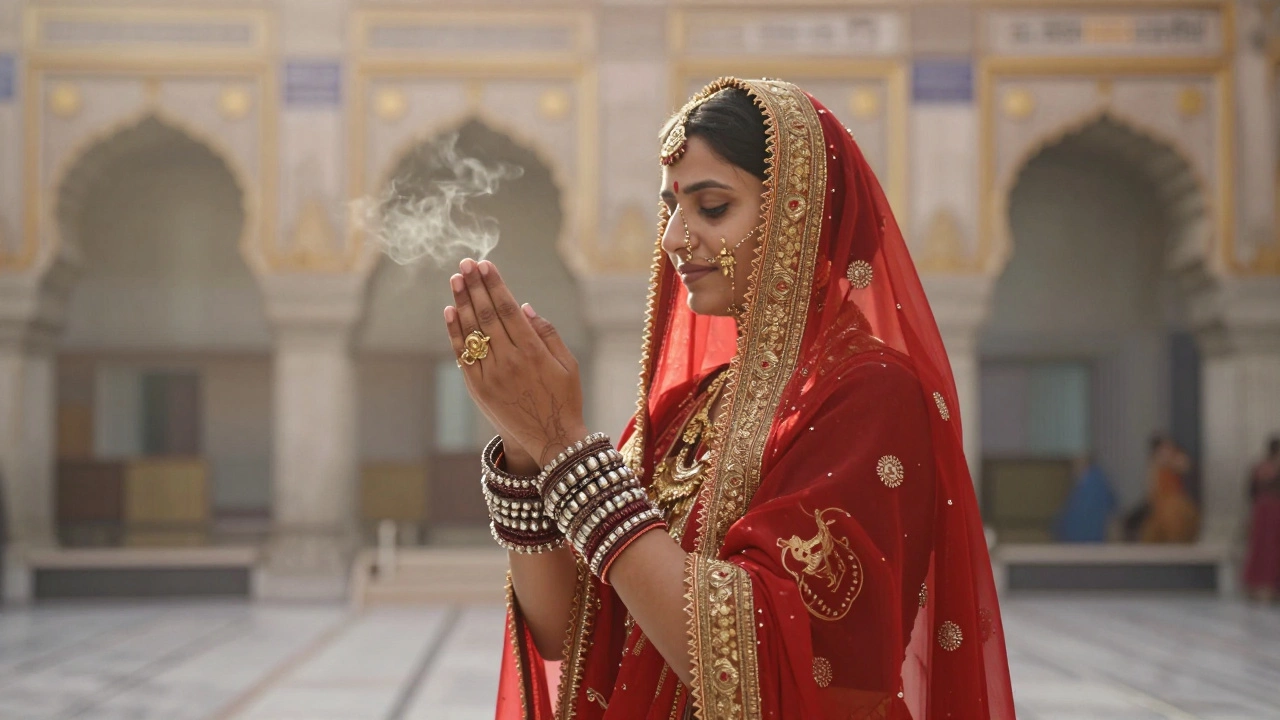
Does Kada Go on Left or Right? Traditional Indian Wearing Rules Explained
Learn the traditional rules and modern practices behind wearing a kada on the left or right hand in Indian culture. Understand the religious, regional, and personal reasons behind this meaningful jewelry choice.
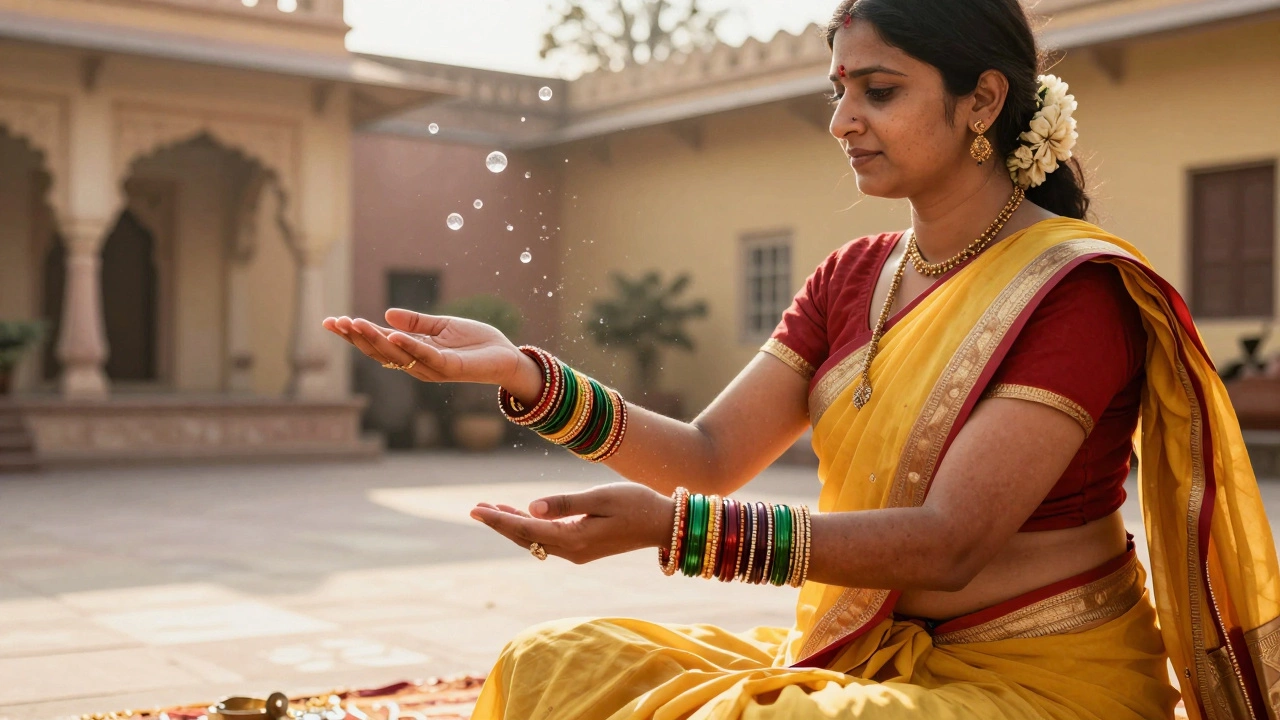
How Many Bangles Should a Married Woman Wear in Traditional Indian Culture?
There's no fixed number of bangles a married woman should wear in India-it's shaped by region, family, and personal meaning. Glass, gold, and tradition all play a role in this deep cultural symbol.

Can an Unmarried Girl Wear Green Bangles? Traditional Rules and Modern Truths
Can an unmarried girl wear green bangles? The answer is yes-tradition varies by region, but today it’s a personal choice. Green bangles symbolize growth and joy, not just marriage.
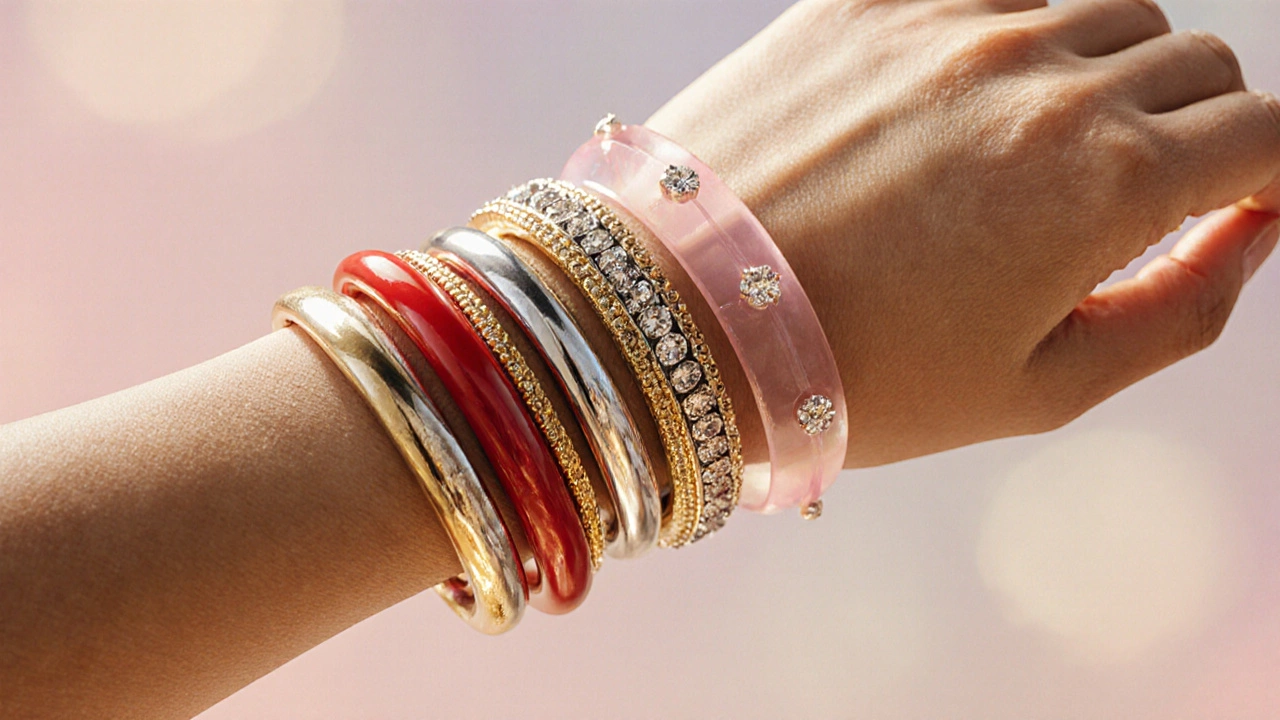
Bangles vs Chooda: Key Differences Explained
Learn the key differences between bangles and chooda, their materials, cultural meanings, buying tips, and care advice for Indian bridal and festive wear.
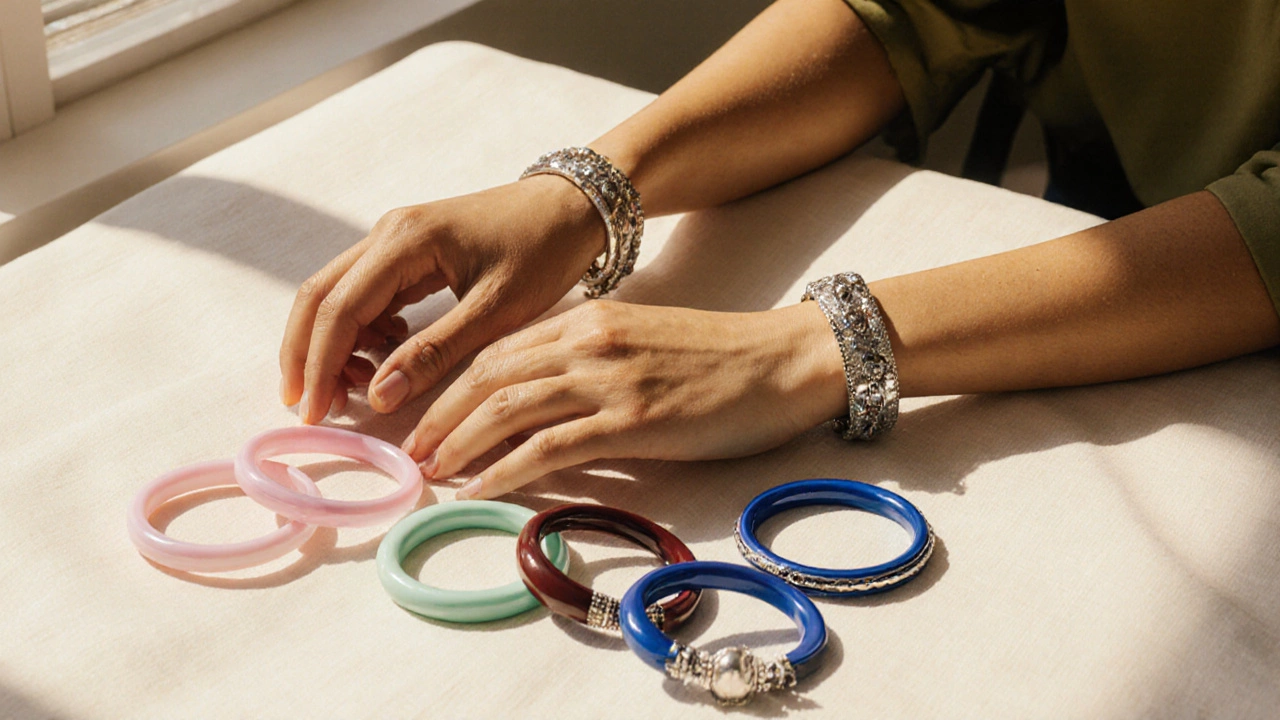
Best Bangle Colors for Indian Traditions: A Practical Guide
Discover how to pick the perfect bangle colors for any skin tone, outfit, or occasion in Indian tradition. Practical tips, material guide, and care advice in one easy read.
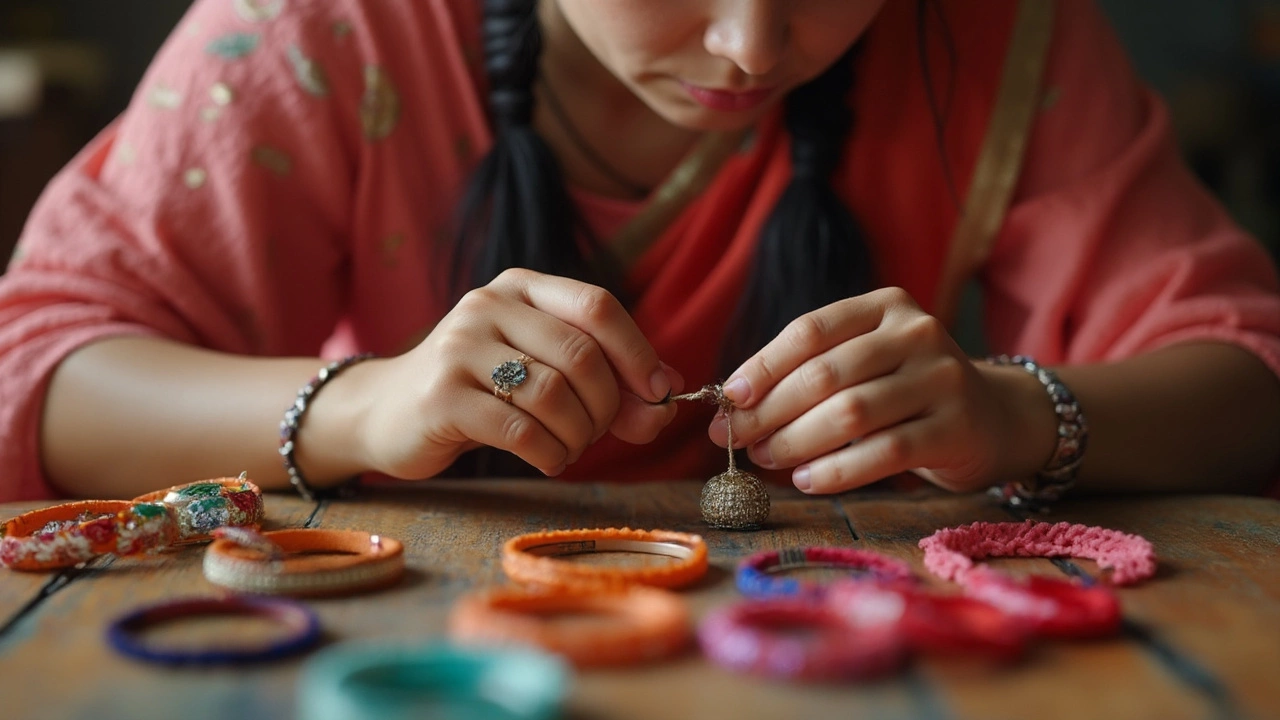
Black Thread on Hindu Wrists: Real Reasons and Hidden Meanings
Ever wondered why black thread is wrapped around Hindu wrists, even when so many vibrant bangles exist? This article digs into the real reasons, from superstitions to surprising benefits. Discover the beliefs, rituals, and modern takes on this simple accessory. Get the untold facts and learn practical tips if you're curious or considering wearing one yourself. No jargon, just clear answers and relatable stories.