Diamond Resale Value: What Really Affects It and Why Most Lose Money
When you buy a diamond, a naturally formed crystalline carbon stone prized for brilliance and durability. Also known as gemstone diamond, it's often bought for engagement rings, gifts, or as a symbol of status. But if you ever need to sell it, you’ll quickly learn that what you paid and what you get back are two very different numbers.
The diamond resale value, the amount you can realistically recover when selling a diamond after purchase rarely matches the retail price. Why? Because retail includes markup for branding, store overhead, marketing, and profit margins—none of which matter to a buyer who’s just looking at the stone’s raw characteristics. A 1-carat diamond that cost $8,000 at a jewelry store might only fetch $2,500–$3,500 from a reseller. That’s not a scam—it’s how the market works. The diamond market value, the actual wholesale price based on the 4Cs: cut, color, clarity, and carat weight is what matters, not the tag price.
Even if your diamond is certified by GIA or AGS, that doesn’t guarantee you’ll get close to what you paid. Certification helps, yes—but it doesn’t override supply and demand. Most diamonds sold at retail are mass-produced, not rare. Unless it’s a large, flawless, fancy-colored stone (like a pink or blue diamond), it’s not an investment. It’s a personal item. Compare that to gold, a metal with a global trading price that resets daily and is easily melted down. Gold has a clear, transparent value you can check online. Diamonds? You’re at the mercy of local buyers who know you’re not shopping around.
And don’t assume a famous brand like Tiffany changes anything. Their name adds emotional value, not resale value. As shown in our post on Tiffany rings value, even luxury brands don’t hold their price when resold. The same goes for diamond settings—platinum or white gold bands? They’re worth their metal weight, not the diamond’s original price. That’s why our article on why platinum has almost no resale value isn’t just about platinum—it’s about how the entire jewelry resale system works.
So what actually affects diamond resale value? The 4Cs matter, but so does size. Diamonds under 0.5 carats are nearly impossible to resell at any meaningful price. Diamonds over 2 carats? Only if they’re top quality. Shape matters too—round brilliants sell better than emerald or pear cuts. And condition? A chipped edge or cloudy center kills value fast. Most people don’t realize their diamond was never meant to be sold—it was meant to be worn.
If you’re thinking of selling, don’t walk into the same store where you bought it. They’ll offer you 20–30% of what you paid. Go to specialized diamond buyers, check online platforms that deal in certified stones, or consider resetting the diamond into new jewelry. That’s often the smarter move. Your diamond isn’t worthless—but it’s not a savings account either.
Below, you’ll find real stories, practical guides, and hard truths from people who’ve tried to sell their diamonds—and what they learned the hard way. Whether you’re holding onto an old engagement ring, inherited stones, or just curious about the market, these posts give you the facts without the fluff.
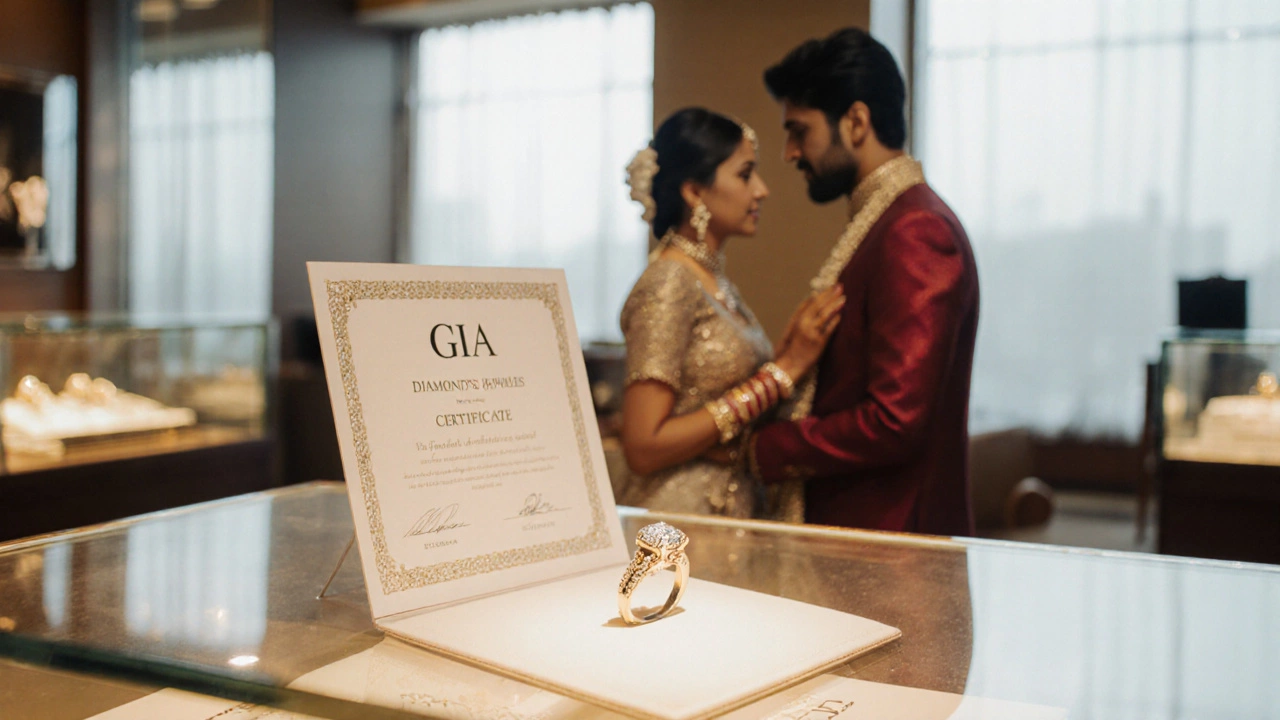
Are Diamonds Good Value in India? A Realistic Look at Cost, Quality, and Resale
Diamonds in India cost less than abroad, but they rarely hold their value. Learn why buying a diamond ring makes sense emotionally-but not financially-and what alternatives give you more for your money.