Diamond Value India: What Affects Price, Quality, and Resale in 2024
When you buy a diamond, a naturally formed crystalline carbon stone valued for its brilliance, durability, and rarity. Also known as loose diamond or gem diamond, it’s one of the most sought-after precious stones in India, especially for weddings and investments. But not all diamonds are created equal—and the price you pay doesn’t always match what you can sell it for later.
The diamond value in India, the market price determined by weight, clarity, color, and cut depends heavily on the 4Cs: carat, clarity, color, and cut. A 1-carat diamond with high clarity and D-color can cost over ₹3 lakh, while a lower-grade one might be under ₹1 lakh. Certification from GIA or IGI adds trust, but local jewelers often skip it to cut costs—raising risk. Many buyers don’t realize that even a flawless diamond loses 30-50% of its value the moment it’s sold, thanks to retail markup and limited demand for pre-owned stones.
Diamond resale value, the amount you can realistically recover when selling a used diamond is one of the biggest surprises for Indian buyers. Unlike gold, which has a clear daily rate and active buyback market, diamonds have no standardized resale system. Pawn shops and local buyers often offer just 10-20% of the original price. Even online platforms that claim to buy diamonds back usually deduct for certification fees, inspection, and handling. That’s why many Indians now prefer buying certified diamonds from trusted brands like RH Jewellers—knowing the quality is real, even if resale is still tricky.
Another factor? Indian diamond market, the domestic ecosystem where diamonds are cut, traded, and worn. India cuts over 90% of the world’s diamonds, mostly in Surat. But most of these stones are exported as rough or wholesale goods. The ones sold to consumers here are often repackaged with high margins. That’s why a diamond bought in Mumbai might be identical to one sold in Dubai—but cost 40% more. And if you’re thinking of importing a diamond ring from abroad, customs duties and paperwork can eat into your savings, as shown in posts about traveling with diamond jewelry.
What’s changing? More young buyers in India are asking for lab-grown diamonds—they’re 60-80% cheaper and look identical. But even those don’t hold value well. And while temple jewelry and gold toe rings are seeing a cultural revival, diamonds remain a symbol of status, not savings. If you’re buying for love, go for beauty. If you’re buying for return, reconsider.
Below, you’ll find real posts from buyers, makers, and experts who’ve walked this path. From customs rules for bringing diamonds into India to why platinum holds less value than gold, these stories cut through the noise. No fluff. Just what works—and what doesn’t—when it comes to diamonds in India.
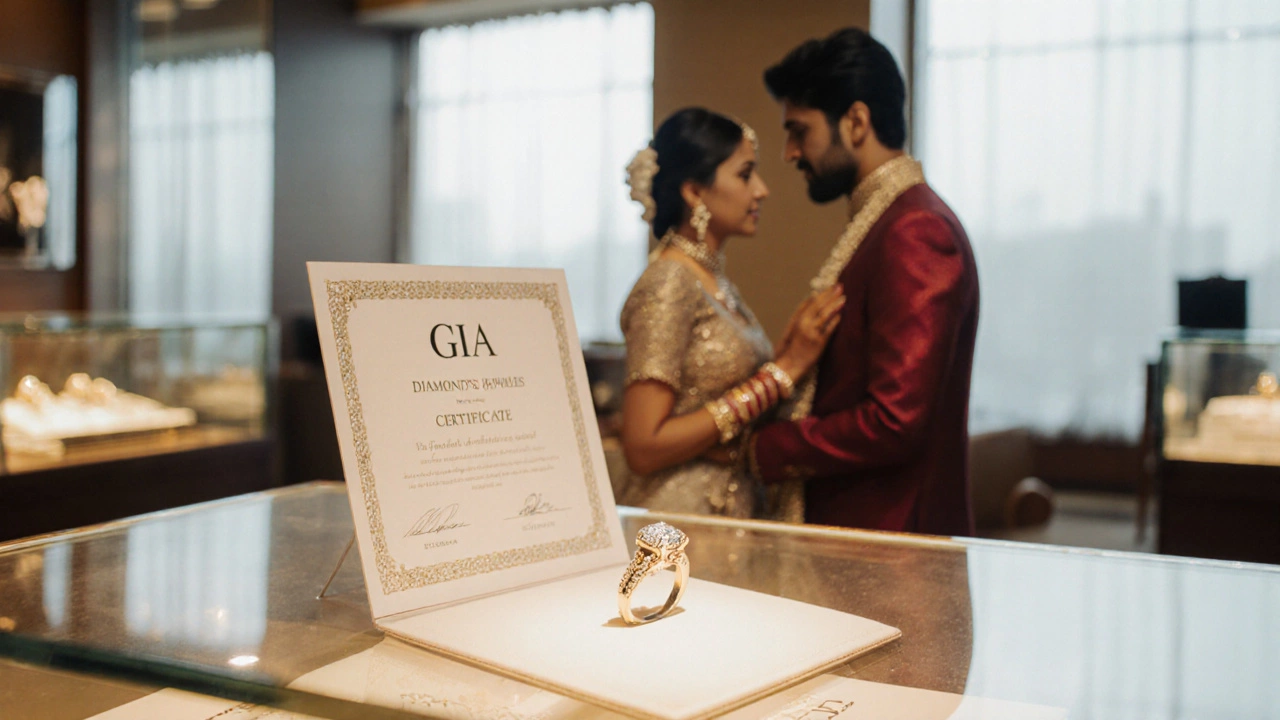
Are Diamonds Good Value in India? A Realistic Look at Cost, Quality, and Resale
Diamonds in India cost less than abroad, but they rarely hold their value. Learn why buying a diamond ring makes sense emotionally-but not financially-and what alternatives give you more for your money.