Gold Temple Jewelry Design: Origins, Meaning, and How to Spot Authentic Pieces
When you see gold temple jewelry design, a sacred form of Indian adornment rooted in temple rituals and divine symbolism. Also known as temple jewelry, it’s not just worn—it’s honored. Unlike everyday gold pieces, this style carries centuries of spiritual meaning, crafted by artisans who treat each piece as an offering, not just an accessory.
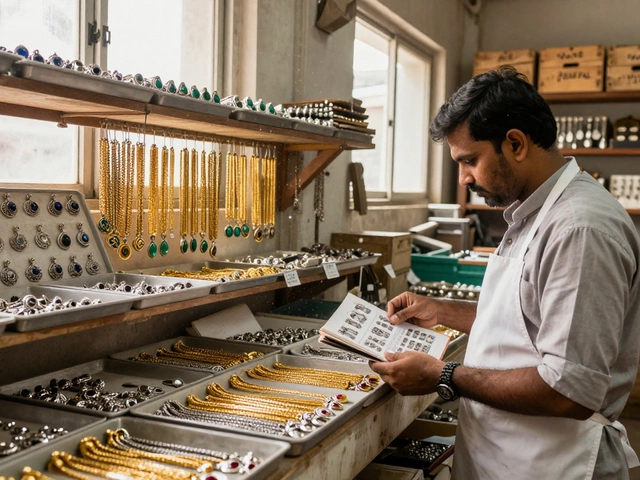
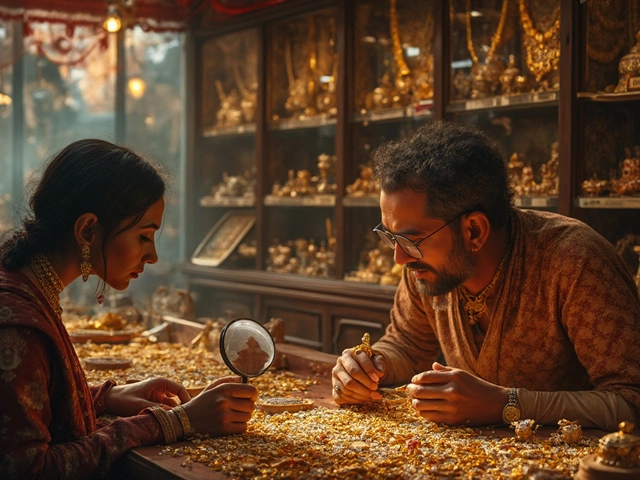
This style is deeply tied to South Indian jewelry, a regional tradition centered in Tamil Nadu and Andhra Pradesh, where temple artisans use age-old techniques passed down through families. The designs mimic deities, temple architecture, and mythological motifs—lotus flowers, peacocks, gods like Lord Shiva and Goddess Lakshmi—etched into gold with fine filigree and tiny gemstones. It’s not mass-produced. Each piece is hand-hammered, often taking weeks to complete. That’s why true temple jewelry India, refers to pieces made by these traditional workshops, not factory-made imitations sold online. The gold used is usually 22K, chosen for its softness and ability to hold intricate detail. You’ll rarely find diamonds here; instead, you’ll see rubies, emeralds, or kundan stones set with precision.
People don’t just buy this jewelry—they inherit it. It’s worn during weddings, temple visits, and major festivals, especially by women in South India. The weight, the shine, the way it moves—it’s meant to reflect devotion, not just fashion. If you’re looking for an authentic piece, check for hallmarking, handcrafted imperfections, and traditional motifs. Avoid anything too uniform or shiny in a plastic way. Real temple jewelry has soul.
What you’ll find in the posts below are clear, no-fluff answers to the questions real people ask: Where does this jewelry actually come from? What metals and stones are used? How do you tell if it’s real? Why do some pieces cost so much? And how do you care for it so it lasts for generations? No marketing hype. Just facts, stories, and practical advice from people who know this craft inside out.

What is the gold trend in jewelry in India in 2024? Temple Jewelry Leads the Revival
In 2024, temple jewelry is leading India's gold trend, blending ancient craftsmanship with modern style. More young women are choosing hand-hammered gold pieces with kempu stones for everyday wear, reviving a centuries-old art form.