Handmade Jewellery: Authentic Craftsmanship, Unique Designs, and Why It Matters
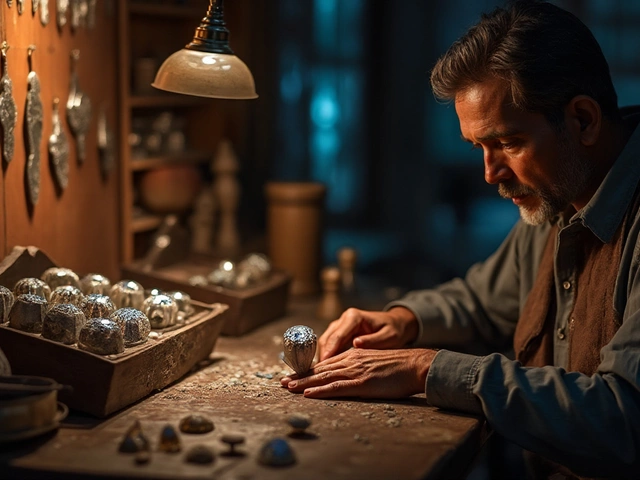
When you wear handmade jewellery, pieces crafted by skilled artisans using traditional techniques rather than mass-produced machinery. Also known as artisan jewellery, it carries more than beauty—it holds story, time, and soul. Unlike factory-made items, each piece is shaped by human hands, often passed down through generations. You can feel the difference: the slight unevenness in a gold chain, the way a silver pendant catches light just right, the tiny imperfections that prove it wasn’t stamped out in a machine. This isn’t just decoration—it’s wearable heritage.
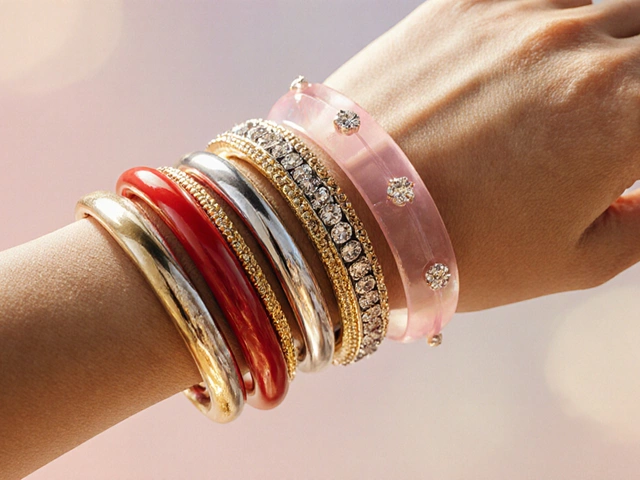
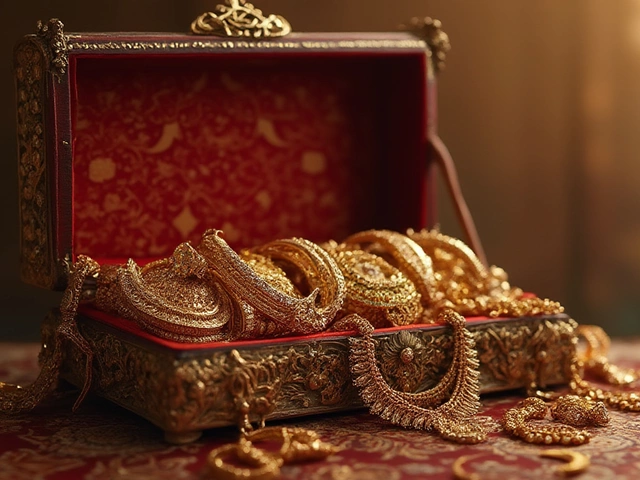
Handmade jewellery in India isn’t just a trend—it’s a living tradition. You’ll find it in temple jewellery, ornate pieces originally made for deities and later worn by brides in South India, where every motif has meaning. It’s in the mangalsutra, a sacred necklace worn by married women, often hand-strung with black beads and gold pendants, where the number of beads and the shape of the pendant vary by region. And it’s in the silver jewellery, detailed pieces from Rajasthan and Gujarat, often engraved with floral or geometric patterns, worn daily by women who value durability over flash. These aren’t random designs—they’re cultural codes, passed from mother to daughter, carved by hand, not copied by robot.
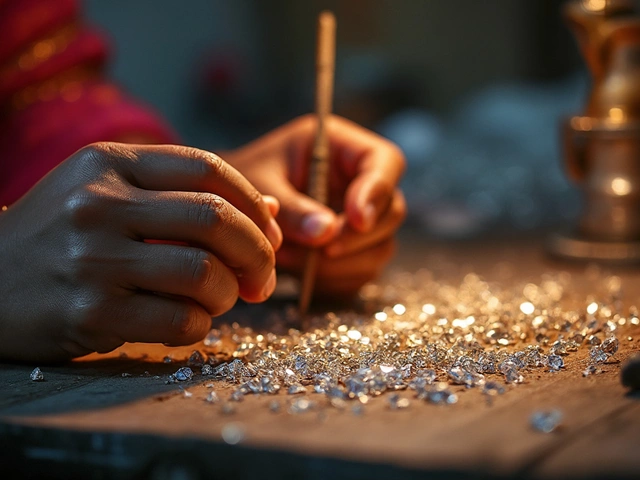
What makes handmade jewellery worth the price? It’s not just the metal or stones. It’s the hours spent filing, soldering, setting, and polishing. A single pair of temple earrings might take a craftsman three days to finish. That’s why they last—because they were built to be worn, passed on, even repaired. You won’t find this in big-box stores. You’ll find it in small workshops in Jaipur, Surat, and Chennai, where artisans still use the same tools their grandparents did. When you buy handmade, you’re not just buying a necklace or bangle—you’re supporting a craft that’s slowly disappearing.
And if you’ve ever wondered why some pieces feel heavier, look richer, or just seem to glow differently—it’s because they are. Real handmade jewellery doesn’t rush. It breathes. It has character. It remembers who made it. Below, you’ll find real guides on how to spot true craftsmanship, what materials to look for, how to care for your pieces, and why some styles—like black bead mangalsutras or temple gold—carry meaning beyond fashion. This isn’t a catalog. It’s a conversation with the people who keep tradition alive, one handcrafted piece at a time.
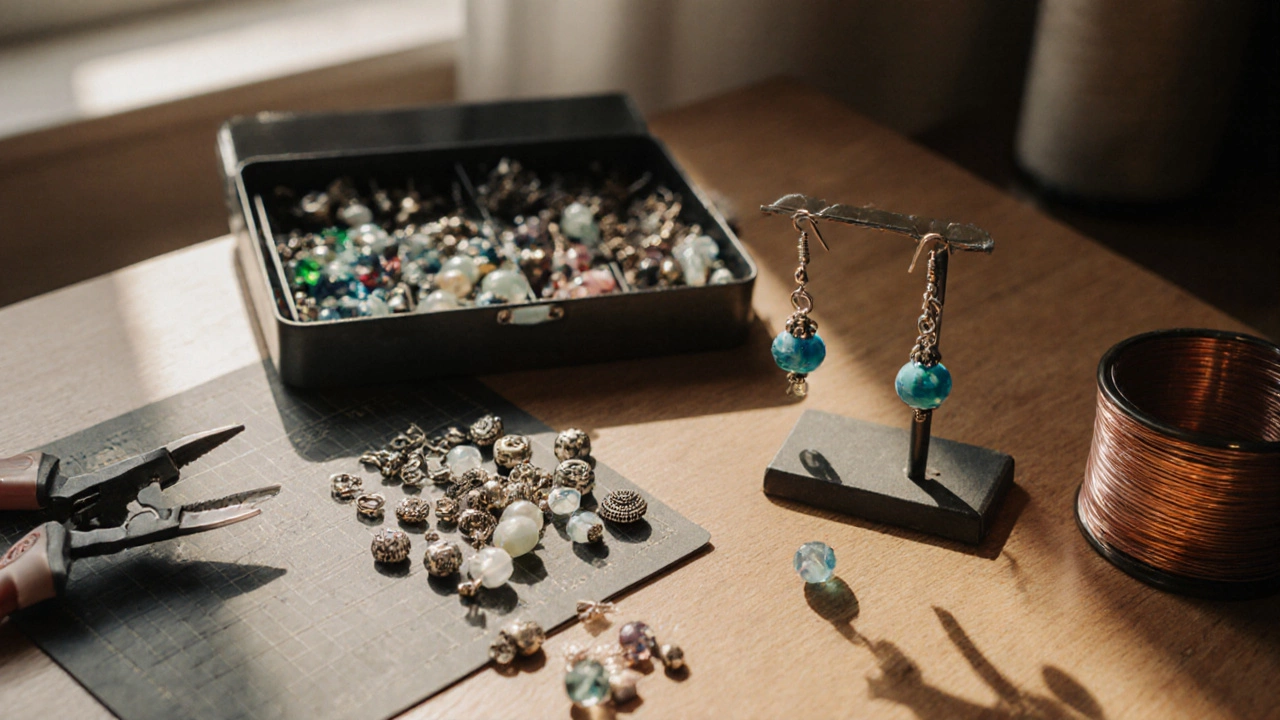
How to Start Making Jewellery: A Simple Guide for Beginners
Learn how to start making jewellery with a beginner kit, essential tools, simple projects, and tips to turn your hobby into a small business. No experience needed.