Indian Toe Rings: Meaning, Styles, and How to Wear Them
When you think of Indian toe rings, small, often silver bands worn on the second toe, traditionally by married women in India. Also known as Bichiya, they’re one of the most enduring pieces of Indian adornment—worn not just for beauty, but as a living symbol of marital status, health, and tradition. Unlike Western jewelry that’s often bought for special occasions, Indian toe rings are everyday wear. They’re simple, lightweight, and designed to be forgotten—until you notice they’re still there, quietly holding meaning.
These rings aren’t just about looks. In Ayurveda, wearing a toe ring on the second toe is believed to regulate blood flow and support reproductive health, thanks to a nerve that connects the toe to the uterus. That’s why they’re almost always made of silver—not gold. Silver is cooling, conductive, and traditionally preferred for its healing properties. Gold toe rings? Rare. Silver ones? Everywhere. You’ll see them in villages in Rajasthan, cities in Tamil Nadu, and even in modern apartments in Delhi, paired with jeans or sarees.
The design varies by region. In South India, they’re often plain and thin, worn in pairs. In North India, you might find them with tiny beads or engraved patterns. Some are adjustable, others are sized to fit snugly. They’re not jewelry you buy for resale—they’re jewelry you inherit, gift at weddings, or wear because your mother did, and her mother before her. They’re tied to rituals, not trends. And while modern women may wear them for fashion, the roots remain: a quiet nod to heritage, health, and identity.
What you’ll find in the posts below isn’t just a list of toe rings. It’s a deeper look into the traditions that surround them—the materials used, the regional differences, the spiritual beliefs, and how they connect to other Indian jewelry like mangalsutras, bangles, and nose pins. You’ll learn why silver dominates, why the second toe matters, and how these tiny rings carry centuries of meaning in a single band.
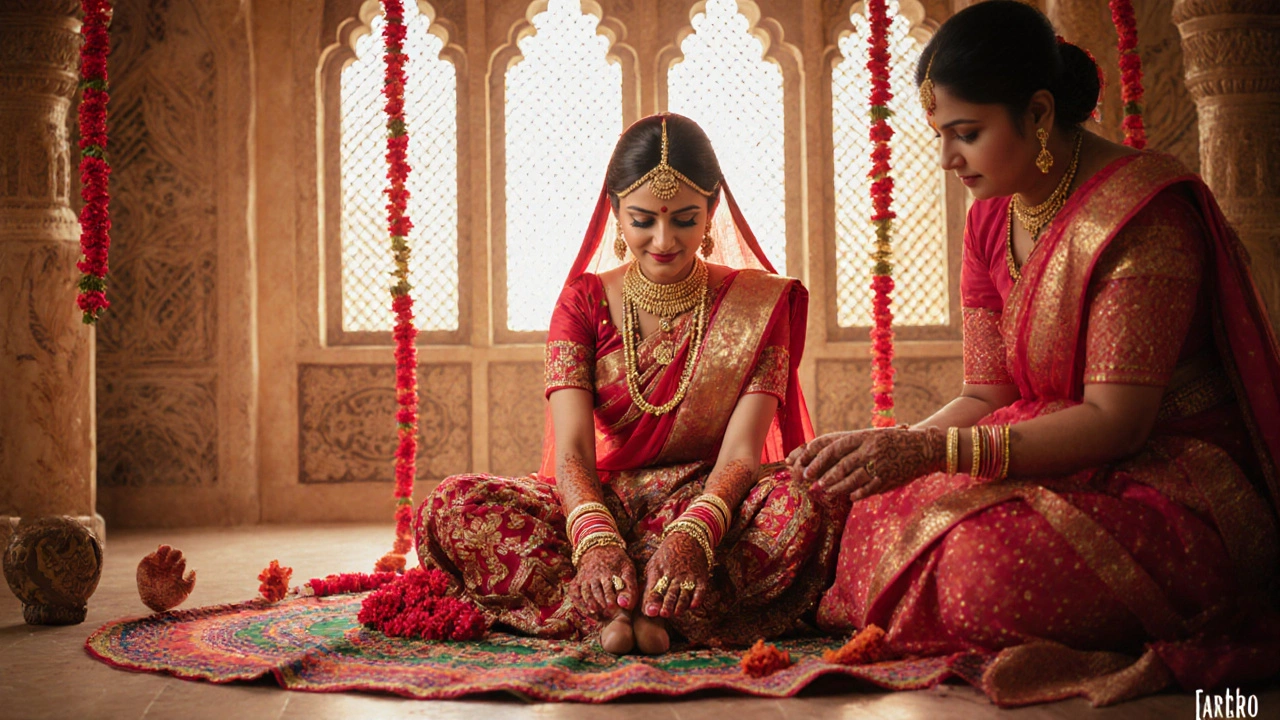
Who Can Wear Gold Toe Rings? Cultural Rules, Modern Trends, and Who Should Avoid Them
Gold toe rings are deeply tied to marriage in Indian culture, but today, anyone can wear them for style. Learn who traditionally wears them, modern trends, and when to avoid them.