South Indian Jewelry: Traditional Designs, Gold Craftsmanship, and Modern Wear
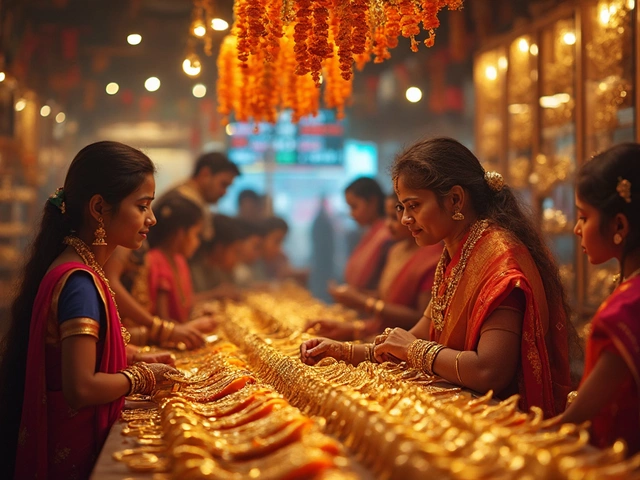
When you think of South Indian jewelry, a rich tradition of hand-hammered gold ornaments rooted in temple art and regional rituals. Also known as temple jewelry, it’s not just adornment—it’s wearable history. Unlike the delicate chains of the North, South Indian pieces are bold, heavy, and made to last generations. Think intricate floral patterns, deities carved in gold, and kempu stones set in deep reds and greens. These aren’t just for weddings. More young women today are wearing temple jewelry daily—paired with jeans or sarees—because it carries meaning, not just shine.
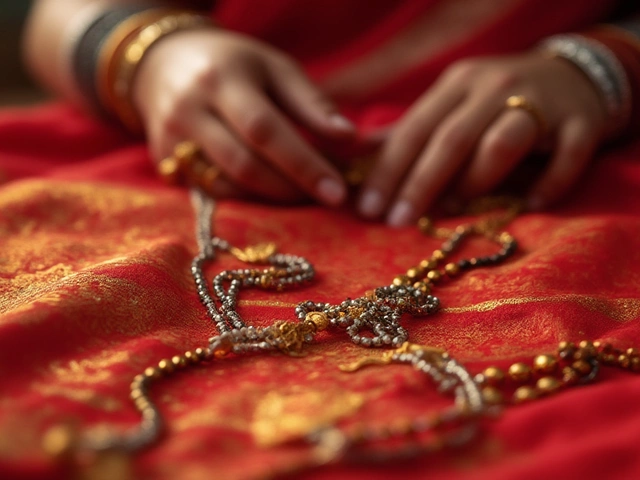
Temple jewelry, a style originating from South Indian temples where priests adorned idols with gold and gemstones, became popular among royalty and later, the public. The designs mimic the ornate carvings on temple walls: lotus flowers, peacocks, and gods like Lakshmi and Shiva. This isn’t mass-produced. Each piece is often hand-hammered by artisans in places like Kancheepuram or Tirupati, using techniques passed down for centuries. The gold used is typically 22K, and the stones are usually kempu (red coral) or semi-precious gems, not synthetic. You’ll find this same style in the mangalsutra, a sacred necklace worn by married women in South India, often made of black beads and gold coins. It’s different from the North’s simple black-and-gold chain—South Indian mangalsutras are elaborate, with gold pendants shaped like coins or temple towers.
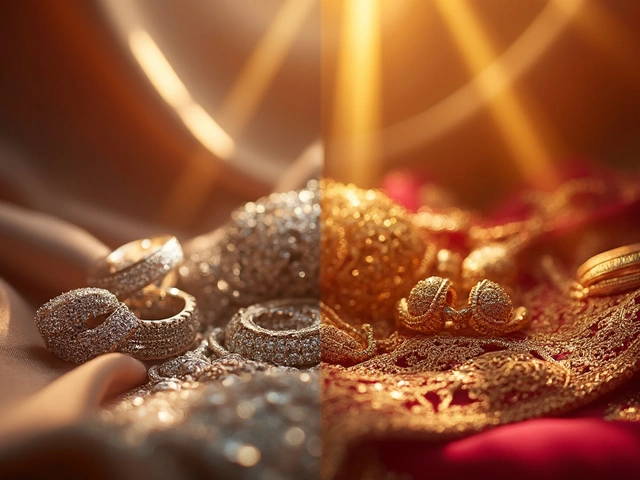
What makes South Indian jewelry stand out isn’t just the look—it’s the weight, the texture, and the story behind every curve. You won’t find thin, hollow designs here. These pieces are solid, meant to be felt, not just seen. They’re worn during festivals, rituals, and even office days now. The resurgence isn’t just nostalgia. It’s a quiet rebellion against fast fashion—a return to craftsmanship that lasts. And with gold prices rising, many are buying these pieces not just as beauty, but as heritage investment.
What you’ll find in the posts below are real insights: how temple jewelry is made, why black beads matter in mangalsutras, how to tell real gold from plated fakes, and why South Indian designs are making a comeback in 2024. No fluff. Just clear, practical knowledge from people who live this tradition.
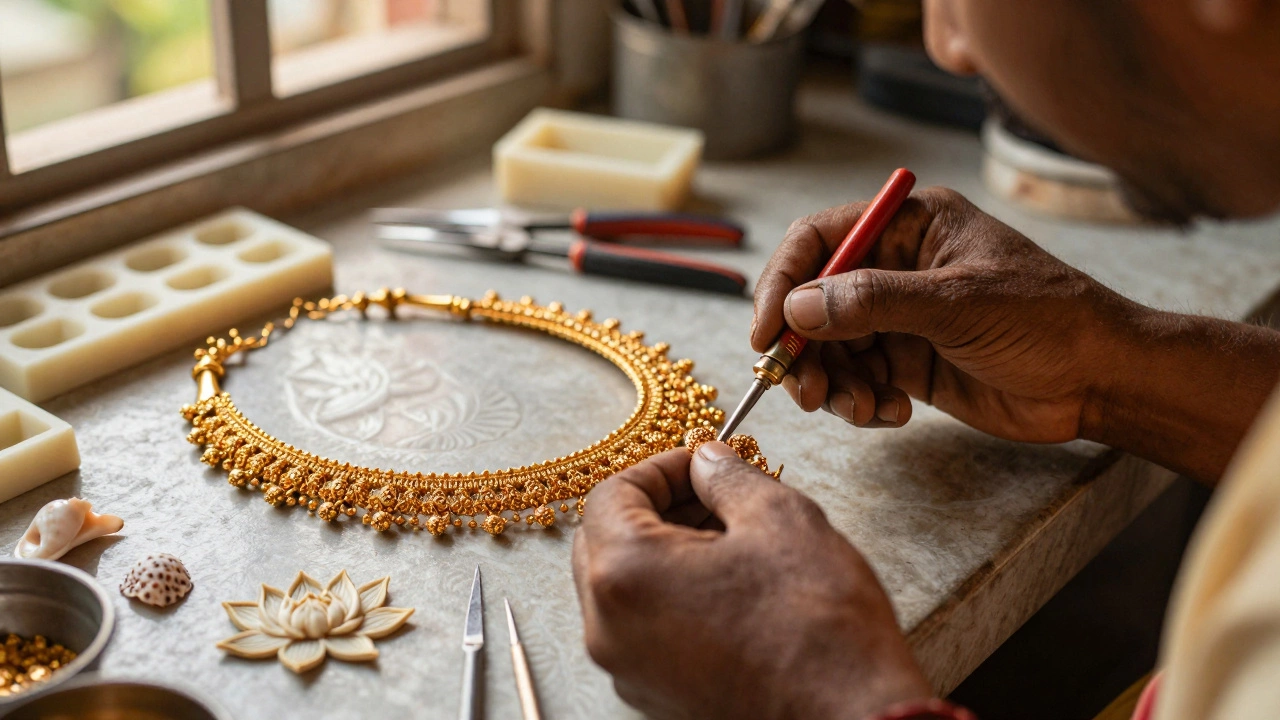
What Type of Jewelry Is India Known For? The Truth Behind Temple Jewelry
India is best known for temple jewelry - intricate, sacred gold pieces crafted for deities and worn during rituals. Born in South Indian temples, this art form blends spirituality, history, and unmatched craftsmanship that still thrives today.
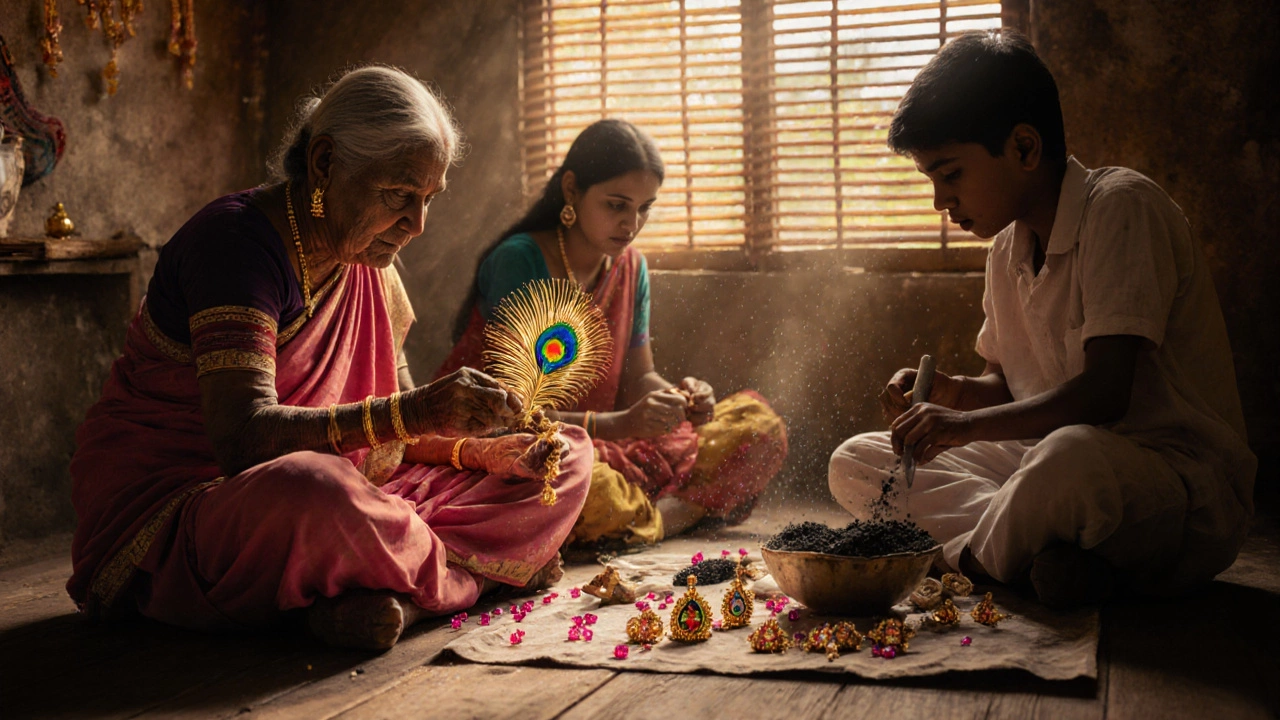
Where Do Indians Get Their Temple Jewelry From?
Temple jewelry in India comes from small workshops in Tamil Nadu and Andhra Pradesh, where artisans handcraft sacred designs passed down for centuries. It's not bought-it's inherited, made with skill, and rooted in temple traditions.