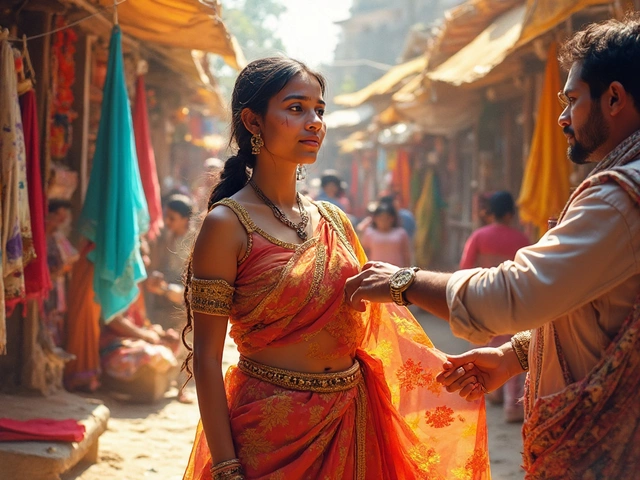
Toe Ring Traditions in India: Meaning, Materials, and Modern Wear
When you see a woman in India wearing a toe ring, a simple band worn on the second toe, often made of silver and linked to marriage and health in Indian culture. Also known as bichiya, it’s not just jewelry—it’s a symbol tied to centuries of tradition, Ayurveda, and family rituals. Unlike rings on fingers, toe rings are worn almost exclusively by married women in many parts of India, especially in the North and West. They’re usually made of silver, not gold, because silver is believed to conduct energy and balance body temperature, according to ancient Ayurvedic practices. The second toe is chosen because it’s connected to a nerve that leads to the uterus, and wearing a ring there is thought to help regulate menstrual cycles and support fertility.
These rings aren’t bought just for looks—they’re often part of a wedding ritual. In many communities, the groom gives the bride her first toe ring during the wedding ceremony, and it’s worn daily for the rest of her life. In some regions, like Rajasthan and Gujarat, the rings are plain and simple; in others, like Bengal and Tamil Nadu, they’re engraved with tiny floral patterns or tiny bells that jingle softly with every step. The number of rings can matter too—some families prefer one, others wear two or three, each carrying its own meaning tied to family customs or astrological beliefs. Even today, young women who aren’t married might wear them for fashion, but the real weight of the tradition still lives in the homes where mothers pass them down to daughters.
What makes toe rings different from other Indian jewelry is how quietly powerful they are. You won’t see them in ads or on runways, but you’ll see them every day—on the feet of grandmothers, mothers, and brides. They’re not meant to impress strangers; they’re meant to remind the wearer—and those who know the signs—of her place in a family, a culture, a rhythm older than any trend. The silver used is often recycled from old jewelry, and the making is done by local artisans who don’t use machines. You won’t find mass-produced toe rings in big malls, but you’ll find them in small towns, near temples, and in family workshops where the same design has been passed down for generations.
And while some modern women choose to skip them, others are bringing them back—not as a duty, but as a statement. A silver toe ring paired with jeans, or a delicate one with sandals at a beach wedding, is now a quiet act of cultural pride. It’s not about following rules anymore. It’s about carrying something meaningful forward, even if the world around it changes.
Below, you’ll find real stories, practical insights, and deep dives into how toe rings connect to broader Indian jewelry traditions—from the silverwork of South India to the wedding rituals of the North. Whether you’re curious about their history, thinking of wearing one, or just want to understand why they matter, these posts have you covered.
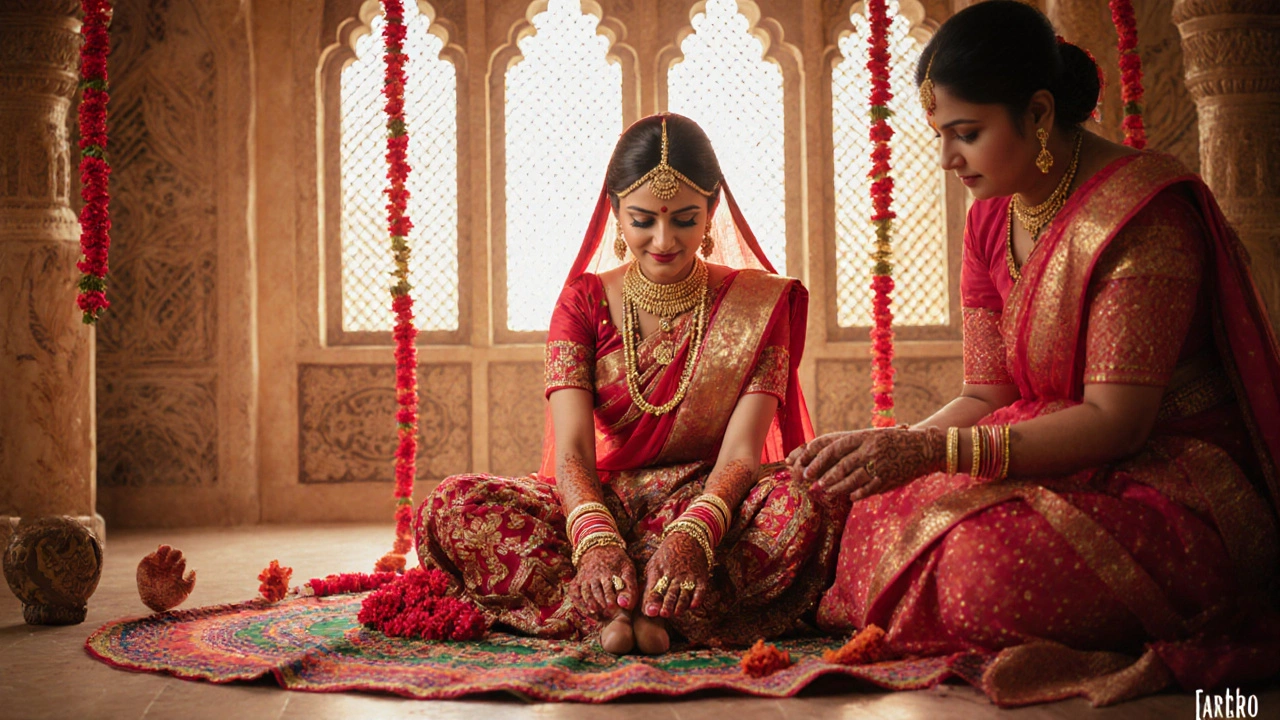
Who Can Wear Gold Toe Rings? Cultural Rules, Modern Trends, and Who Should Avoid Them
Gold toe rings are deeply tied to marriage in Indian culture, but today, anyone can wear them for style. Learn who traditionally wears them, modern trends, and when to avoid them.