Unmarried Girl Bangles: What They Mean, Who Wears Them, and How to Choose
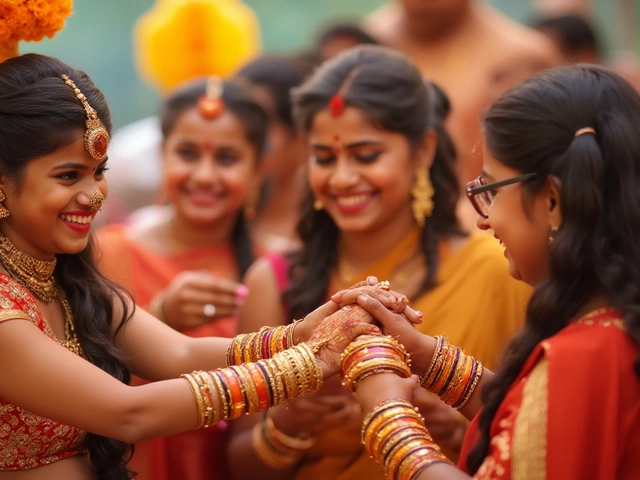
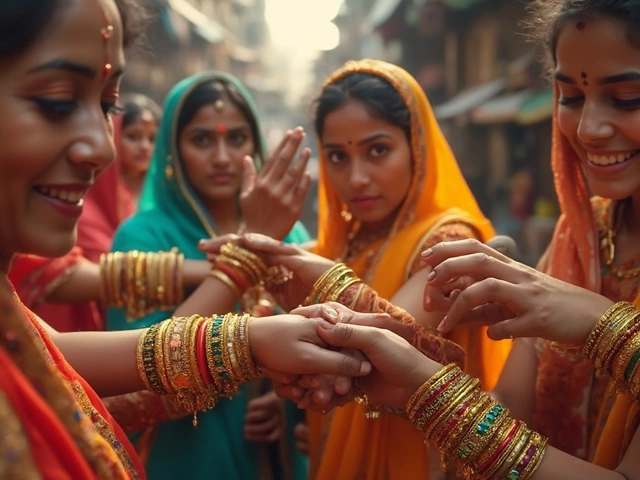
When you think of unmarried girl bangles, decorative wristwear worn by young women in India, often in sets, symbolizing youth, beauty, and cultural identity. Also known as kangan, these bangles are more than just accessories—they’re part of daily life, festivals, and family rituals. Unlike chooda or mangalsutra, which are tied to marriage, unmarried girl bangles are about expression, not status. They’re worn by teens and young women across India—not because they’re waiting to get married, but because they love the color, sound, and confidence they bring.
These bangles come in many forms: glass from Firozabad, lac from Rajasthan, gold-plated from Tamil Nadu, or even silicone for school days. They’re not just for weddings. A girl might wear green glass bangles with a sari to Diwali, stack silver ones with jeans on a weekend, or choose plain gold for a college interview. The rules have changed. In the past, some families believed only married women should wear red or gold bangles—but today, that’s outdated. You’ll see college students, office workers, and even grandmothers wearing bangles that match their mood, not their marital status.
What makes these bangles special isn’t the metal—it’s the cultural symbolism, the meanings attached to colors, materials, and how they’re worn. Also known as bangle traditions, this system tells stories without words. Red means energy and celebration. Green stands for new beginnings. Gold shows family wealth. Black beads? They’re not just for mangalsutras anymore—some unmarried girls wear them to ward off envy. And the sound? The gentle clink of bangles is part of the rhythm of Indian life—it’s the music of movement, of walking to temple, dancing at a wedding, or just turning a page while reading.
There’s no single "right" way to wear them. Some girls stack ten bangles on each wrist. Others wear just one gold band. Some prefer hollow ones for comfort. Others choose heavier glass for that classic jingle. The key is fit—not too tight, not too loose. If they slide off easily, they’re too big. If they pinch, they’re too small. And don’t forget: bangles need care. Glass can break. Lac can crack. Gold can tarnish. A quick wipe after wearing keeps them looking new.
What you’ll find in the posts below isn’t just a list of where to buy. It’s a real look at how bangles fit into modern Indian life. You’ll see how temple jewelry designs are being adapted into everyday bangles, how bangle colors match skin tones, and why some women choose to skip tradition altogether. There’s advice on where to find handmade pieces, how to tell real glass from cheap plastic, and even how to wear them without them clinking during a Zoom call.
Whether you’re a girl choosing her first set, a parent shopping for a daughter, or someone just curious about Indian culture—this isn’t about rules. It’s about what feels right. And that’s where the real beauty lies.

Can an Unmarried Girl Wear Green Bangles? Traditional Rules and Modern Truths
Can an unmarried girl wear green bangles? The answer is yes-tradition varies by region, but today it’s a personal choice. Green bangles symbolize growth and joy, not just marriage.