Indian Jewelry Traditions in 2025: Mangalsutra, Toe Rings, and Gold Trends
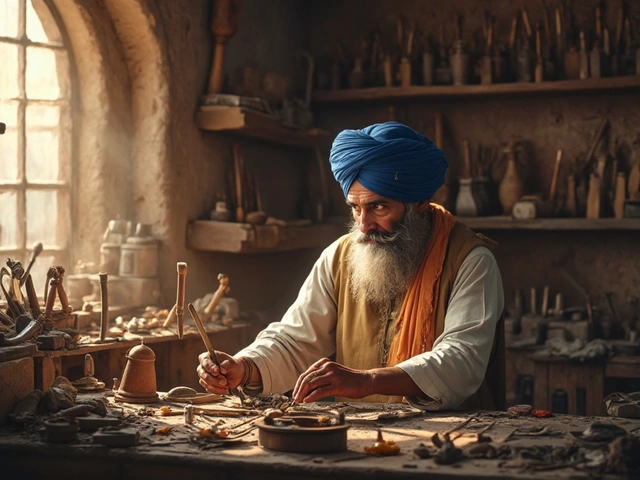
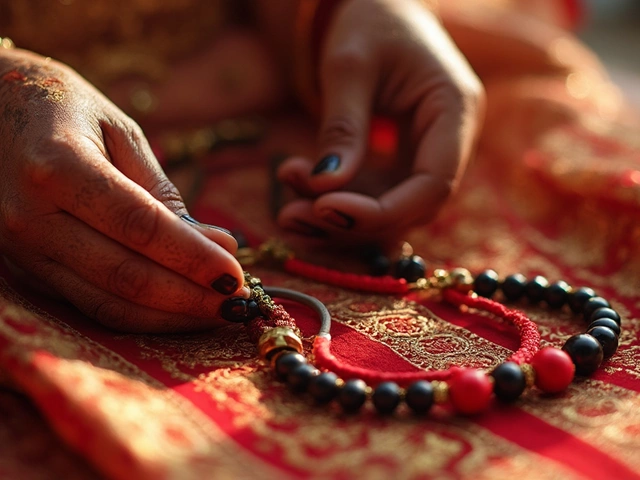
When you think of Indian jewelry, a rich blend of cultural symbols, craftsmanship, and personal expression passed down through generations. Also known as traditional Indian adornments, it’s more than decoration—it’s identity, belief, and style woven into gold, silver, and gemstones. In 2025, these pieces aren’t just relics of the past. They’re being worn by young women in cities and villages alike, redefined for modern life while holding onto their roots.
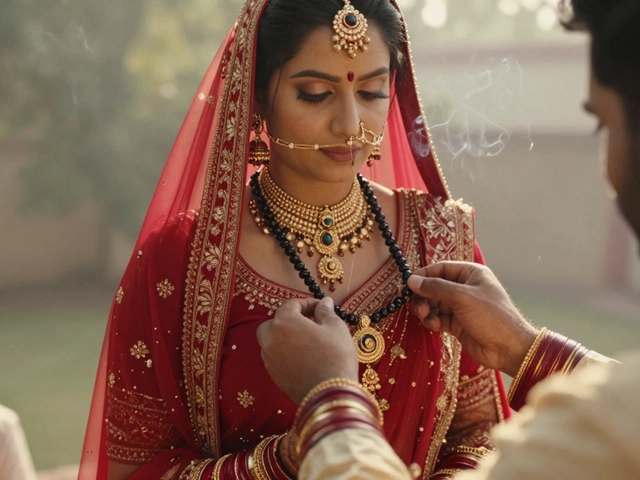
Mangalsutra, the sacred necklace worn by married Hindu women, often featuring black beads and gold pendants. Also known as vivaha mangalya, it’s not just a marital symbol—it’s a story told in knots. The three knots? They stand for commitment, family, and self-preservation. But today, women are choosing simpler designs, mixing metals, or even wearing them as fashion pieces after divorce or widowhood. The meaning isn’t gone—it’s evolving. Meanwhile, gold toe rings, traditionally worn by married women on the second toe to signify union and health. Also known as bichiya, they’re no longer limited to married women. Young girls wear them for style, athletes for comfort, and designers for their minimalist edge. The rule changed—not because tradition was ignored, but because people started listening to their own needs. And then there’s temple jewelry India, handcrafted gold pieces inspired by South Indian temple sculptures, often set with kempu stones. Also known as Kovil jewelry, it’s making a quiet comeback. Not as bridal wear alone, but as daily wear. Young professionals pair it with jeans. Artists wear it to galleries. It’s not nostalgia—it’s revival.
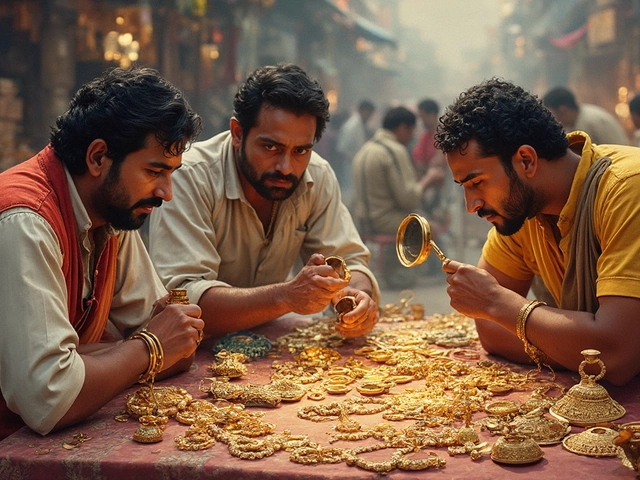
Diamonds? They’re still bought for weddings, but fewer people are fooled by the resale myth. In India, you pay less upfront, but you lose most of it when you sell. That’s why more buyers are turning to gold—especially pieces with craftsmanship you can’t replicate. Green bangles? They’re not just for brides anymore. They’re for anyone who wants to wear growth, joy, and color on their wrists. And if you’re thinking of selling handmade jewelry? It’s possible—but only if you treat it like a real business, not a hobby.
What you’ll find here isn’t a list of rules. It’s a collection of real stories, honest prices, and shifting traditions. Whether you’re buying, wearing, or just curious, these posts cut through the noise. No fluff. No myths. Just what’s true, what’s changing, and what still matters in Indian jewelry today.
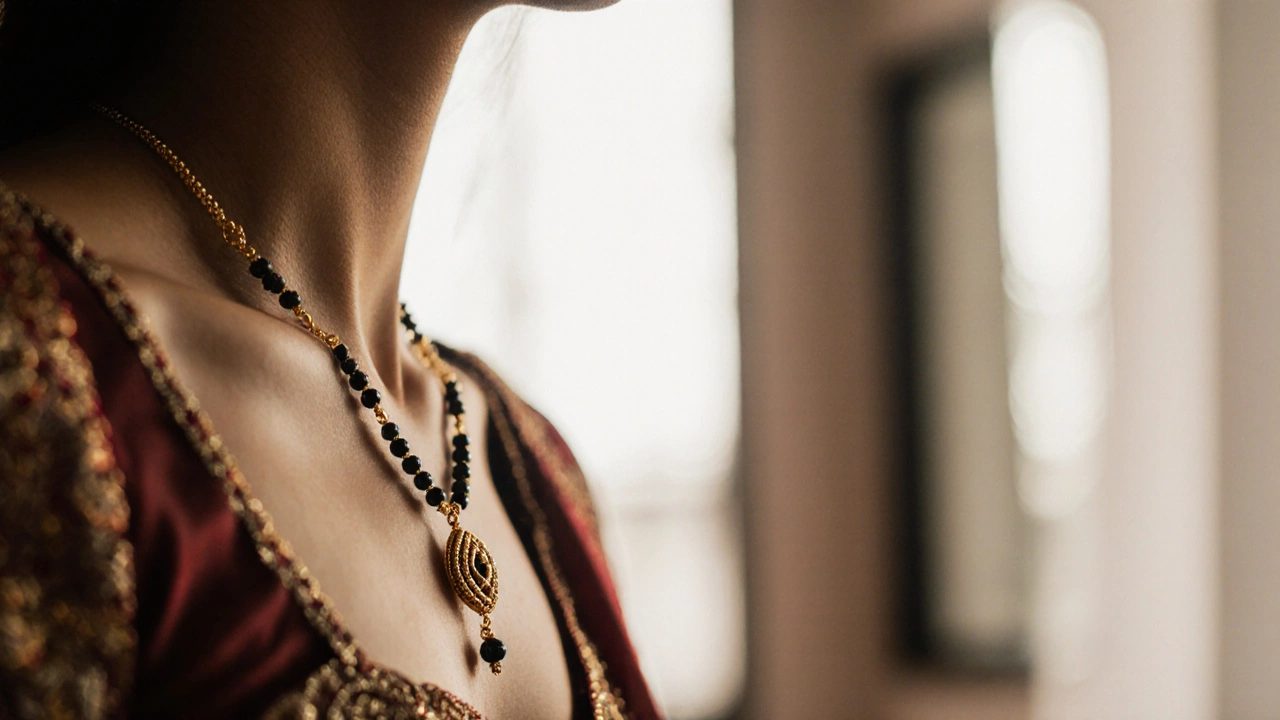
Why Are There Three Knots in Mangalsutra? The Meaning Behind the Design
The three knots in a mangalsutra symbolize commitment, family, and self-preservation in marriage. Rooted in ancient tradition, they’re more than decoration-they’re a living promise. Discover what they truly mean and how modern women are redefining their significance.

Can an Unmarried Girl Wear Green Bangles? Traditional Rules and Modern Truths
Can an unmarried girl wear green bangles? The answer is yes-tradition varies by region, but today it’s a personal choice. Green bangles symbolize growth and joy, not just marriage.
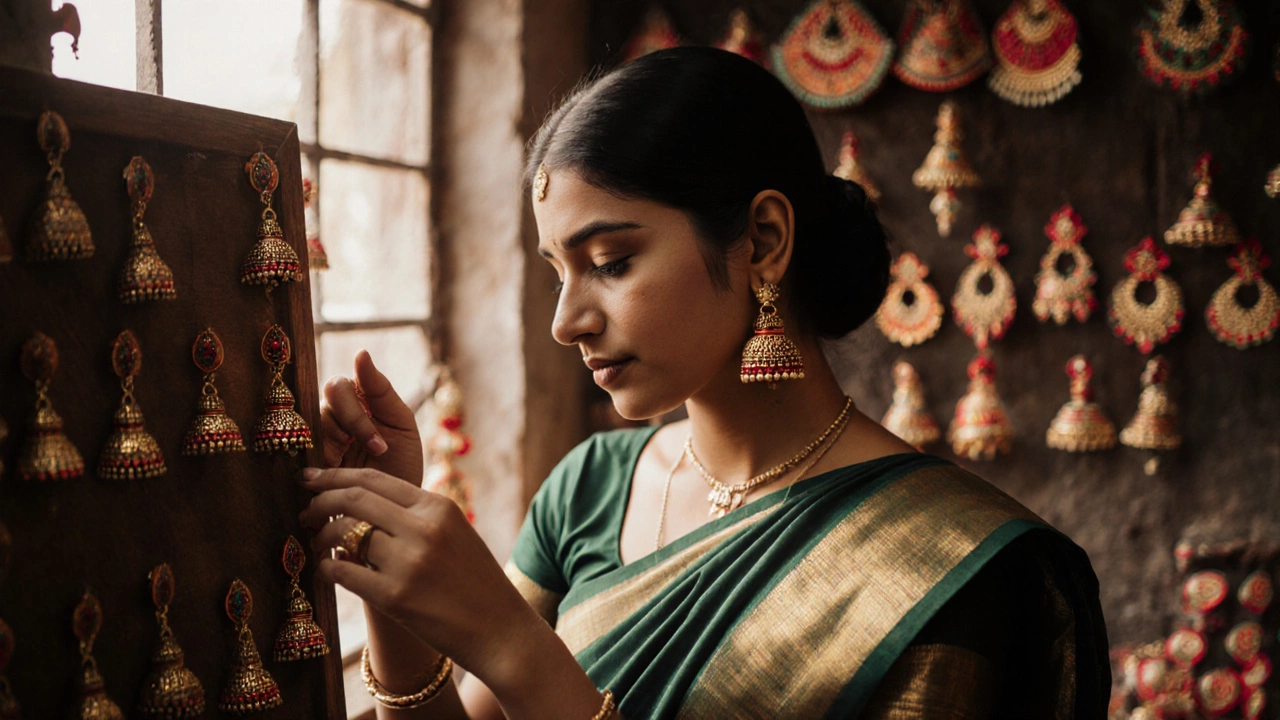
Best Websites for Fashion Accessories in India 2025
Discover the best websites in India to buy fashion accessories in 2025, from trendy brands like Ajio and Myntra to handmade artisans on Craftsvilla. Compare quality, prices, and return policies to shop smarter.
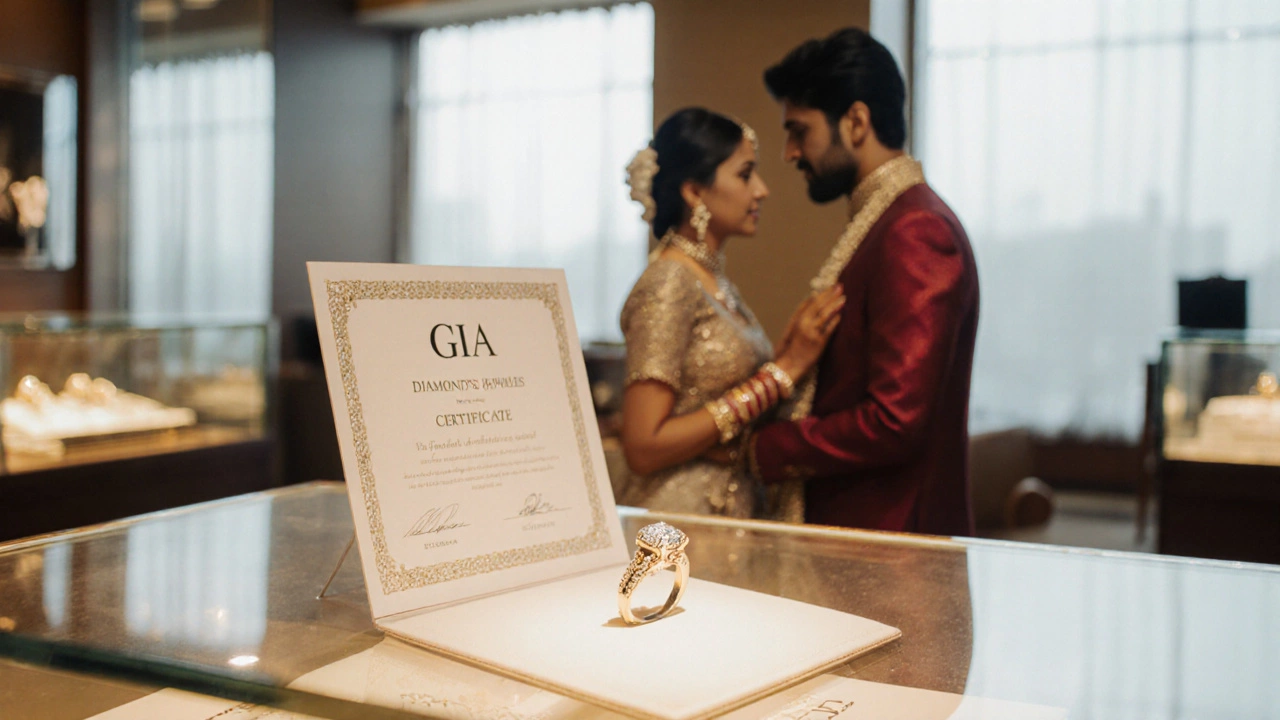
Are Diamonds Good Value in India? A Realistic Look at Cost, Quality, and Resale
Diamonds in India cost less than abroad, but they rarely hold their value. Learn why buying a diamond ring makes sense emotionally-but not financially-and what alternatives give you more for your money.
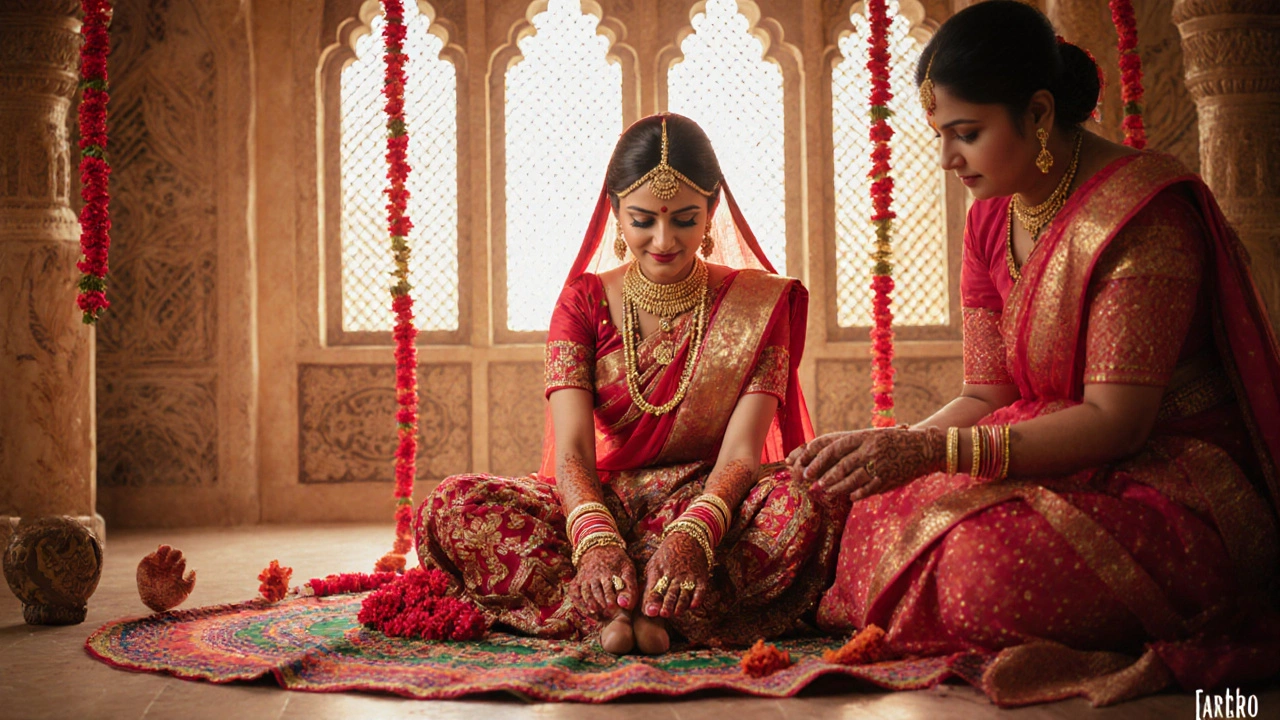
Who Can Wear Gold Toe Rings? Cultural Rules, Modern Trends, and Who Should Avoid Them
Gold toe rings are deeply tied to marriage in Indian culture, but today, anyone can wear them for style. Learn who traditionally wears them, modern trends, and when to avoid them.

What is the gold trend in jewelry in India in 2024? Temple Jewelry Leads the Revival
In 2024, temple jewelry is leading India's gold trend, blending ancient craftsmanship with modern style. More young women are choosing hand-hammered gold pieces with kempu stones for everyday wear, reviving a centuries-old art form.
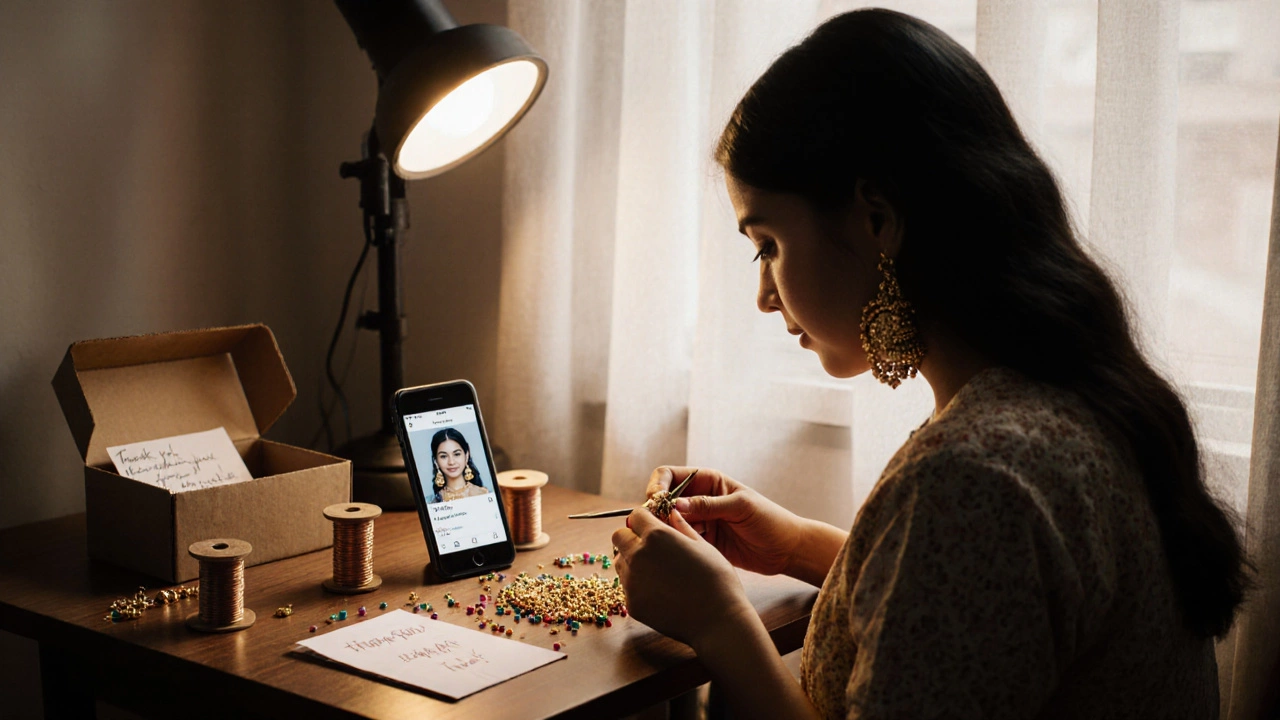
Is Selling Jewelry Worth It? Real Costs, Profits, and Risks in 2025
Selling handmade jewelry can be profitable, but only if you treat it like a business. Learn the real costs, best-selling designs in 2025, where to sell, and hidden traps beginners face.