Gold Jewelry Purity: What It Really Means and Why It Matters
When you buy gold jewelry purity, the measure of how much pure gold is in a piece, usually expressed in karats. Also known as gold karat, it's not just a number—it's the foundation of value, durability, and tradition in Indian jewelry. In India, most traditional pieces are made with 22-karat gold, which means 91.6% pure gold and the rest alloyed with metals like copper or silver to make it strong enough for daily wear. That’s why you’ll see 916 stamped on your bangles, necklaces, or earrings—it’s not a brand, it’s a guarantee.
Not all gold is the same. 22k gold, the standard for Indian temple jewelry and bridal sets. Also known as Indian gold jewelry, it strikes the perfect balance between richness and resilience—soft enough to be shaped by hand, hard enough to last decades. Compare that to 24k, which is nearly pure but too soft for rings or heavy chains, or 18k, common abroad but rarely used in India because it looks too pale. Then there’s gold hallmark, the official mark from BIS (Bureau of Indian Standards) that certifies purity and authenticity. Also known as hallmark gold, it’s your only real protection against fake or diluted pieces. If a piece doesn’t have the BIS logo, the jeweler’s mark, and the karat stamp, walk away. No exceptions.
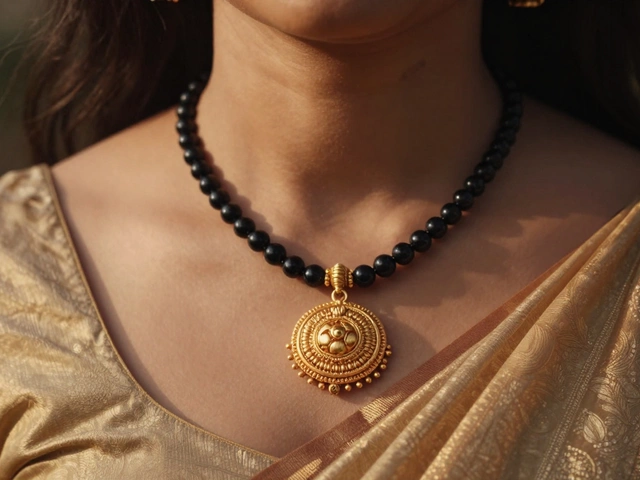
Why does this matter? Because purity affects everything—how it looks, how long it lasts, and how much you get back if you ever sell it. A 22k mangalsutra from Kerala will hold its shine and weight for generations. A 14k piece bought abroad might look similar but won’t carry the same cultural or resale value. And when you’re buying temple jewelry from Chettinad or black gold from Tamil Nadu, the purity isn’t just a detail—it’s part of the craft. Artisans there have spent centuries perfecting how to work with 22k gold, hammering it into intricate temple designs without breaking it. That skill only works because the gold is just right—not too soft, not too hard.
Today, more young buyers are asking about purity before price. They know that a slightly more expensive 22k piece with a hallmark is a smarter buy than a cheaper, unmarked one. It’s not about showing off—it’s about knowing what you own. Whether you’re choosing bangles for a wedding, a toe ring for everyday wear, or a necklace to pass down, purity is the silent promise behind every piece. You’re not just buying jewelry—you’re buying trust, heritage, and quality that lasts.
Below, you’ll find real stories from across India about how gold purity shapes tradition, design, and value—from the heavy temple pieces of Tamil Nadu to the delicate bangles of Bengal. No theory. No guesswork. Just what people actually know, use, and believe.
What Karat Gold Is Best for Jewelry? A Practical Guide for Buyers
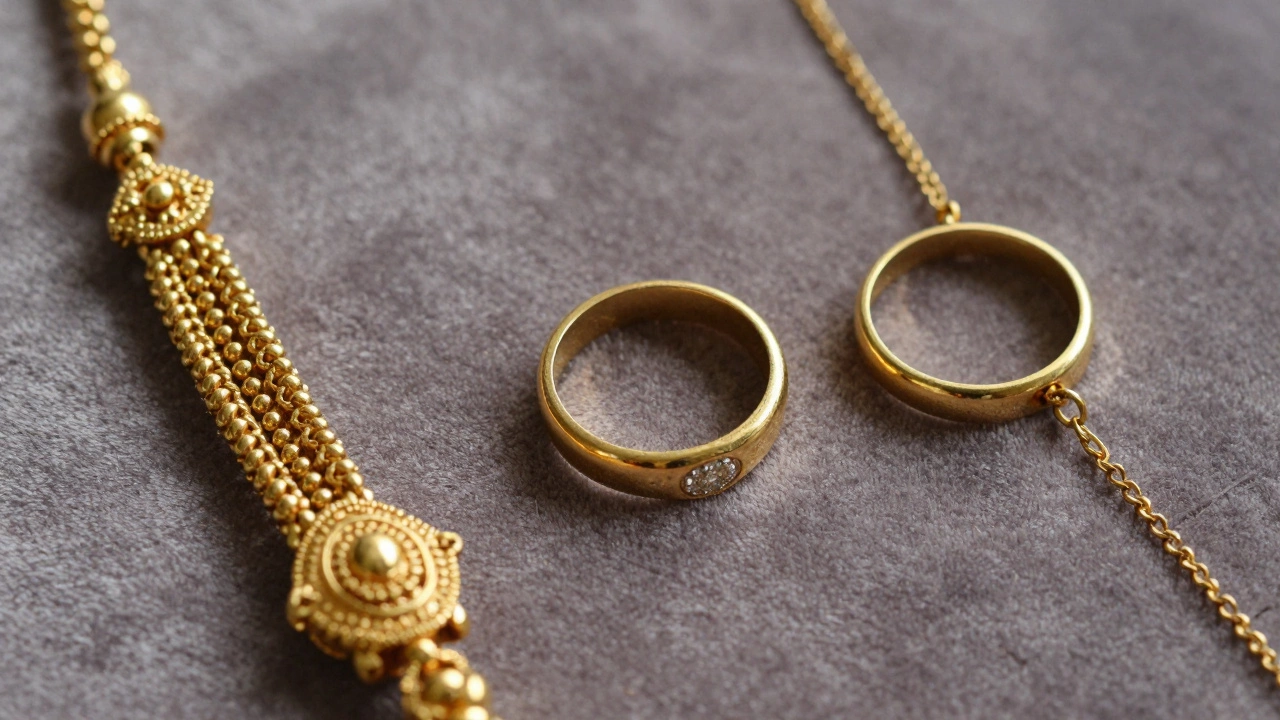
Discover which karat gold is best for jewelry based on wear, durability, and resale value. Learn why 22k, 18k, and 14k gold suit different needs in Indian households.