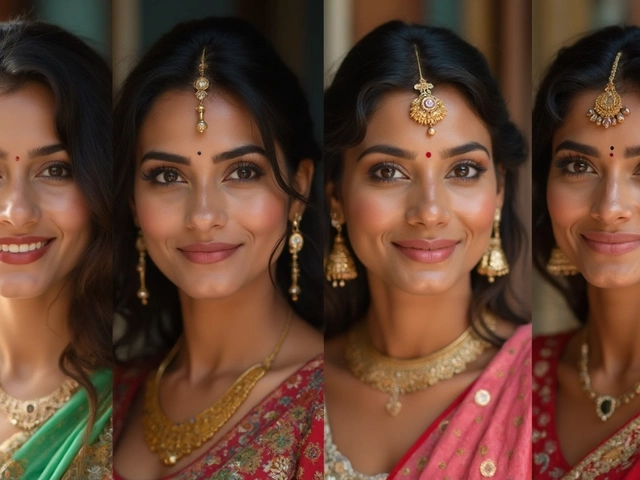
Karat Gold: What It Means, How It’s Used, and Why It Matters in Indian Jewelry
When you buy karat gold, a measure of gold purity, where 24 karats means pure gold and lower numbers indicate mixed metals. Also known as gold purity, it’s not just a number—it’s the foundation of trust in Indian jewelry. In India, most traditional pieces are made in 22-karat gold, meaning 91.6% pure gold mixed with alloys like copper or silver to make it strong enough for daily wear. This isn’t just tradition—it’s practical. Pure 24k gold is too soft for rings, bangles, or temple jewelry that needs to last generations.
22k gold, the most common gold standard in Indian wedding and temple jewelry. Also known as Indian gold, it strikes the perfect balance between richness and durability. That’s why you’ll see it in Chettinad gold ornaments from Tamil Nadu, Kerala’s blackened temple pieces, and bridal mangalsutras with heavy gold chains. These aren’t just decorations—they’re heirlooms. Families pass them down because 22k gold holds its weight, both physically and emotionally. It’s the same gold used in temple rituals, where purity matters as much as design. And while some shops push 18k or 24k for lower cost or higher shine, 22k remains the cultural benchmark.
What about temple jewelry, handcrafted pieces rooted in South Indian temples, often made in 22k gold with kempu stones and matte finishes. Also known as traditional Indian gold jewelry, it’s worn during festivals, dances, and weddings. These pieces aren’t mass-produced. They’re made by artisans who’ve learned the craft from their grandparents. The gold used? Almost always 22k. Why? Because it’s dense enough to hold intricate carvings of gods, peacocks, and lotus flowers without bending. It’s also the gold that doesn’t tarnish quickly—unlike silver or lower-karat alloys. That’s why temple jewelry from Tamil Nadu and Andhra Pradesh is still made the same way it was 200 years ago.
And here’s the thing: karat gold isn’t just about shine. It’s about value you can feel. When you buy a piece, you’re not just paying for design—you’re paying for the gold inside. That’s why resale matters. Unlike diamonds or platinum, 22k gold holds its market value. You can sell it back, pass it on, melt it down, or remake it into something new. It’s the only jewelry that doubles as an investment you can wear.
What you’ll find in the posts below isn’t just a list of articles—it’s a deep dive into how karat gold shapes the jewelry you wear, the traditions you follow, and the choices you make. From why temple jewelry sticks to 22k gold, to how bangles and toe rings are made with it, to why some regions prefer heavier gold than others—you’ll see how purity runs through every piece. Whether you’re buying your first gold bangle or wondering why your grandmother’s mangalsutra feels so solid, the answers start with karat gold.
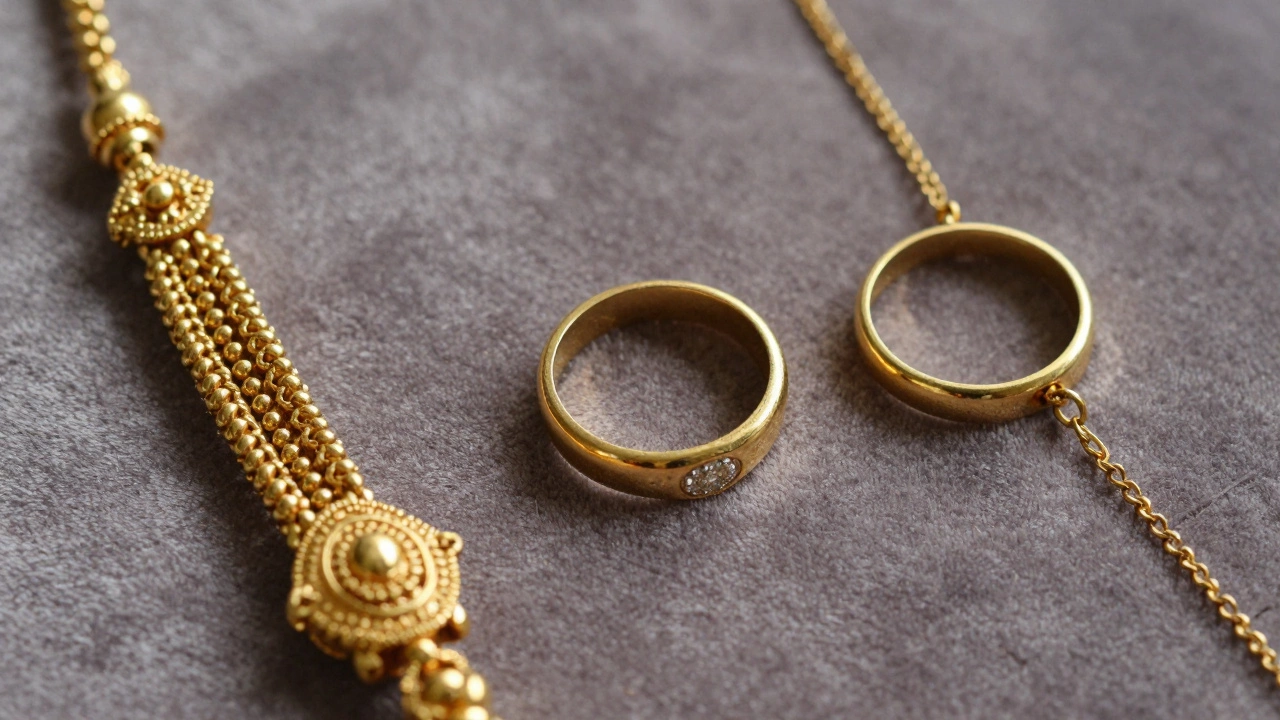
What Karat Gold Is Best for Jewelry? A Practical Guide for Buyers
Discover which karat gold is best for jewelry based on wear, durability, and resale value. Learn why 22k, 18k, and 14k gold suit different needs in Indian households.