Mangalsutra Symbolism: Meaning, Traditions, and Modern Wear
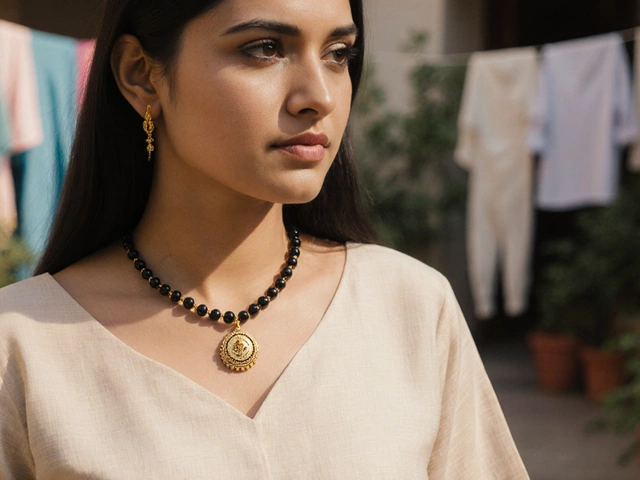
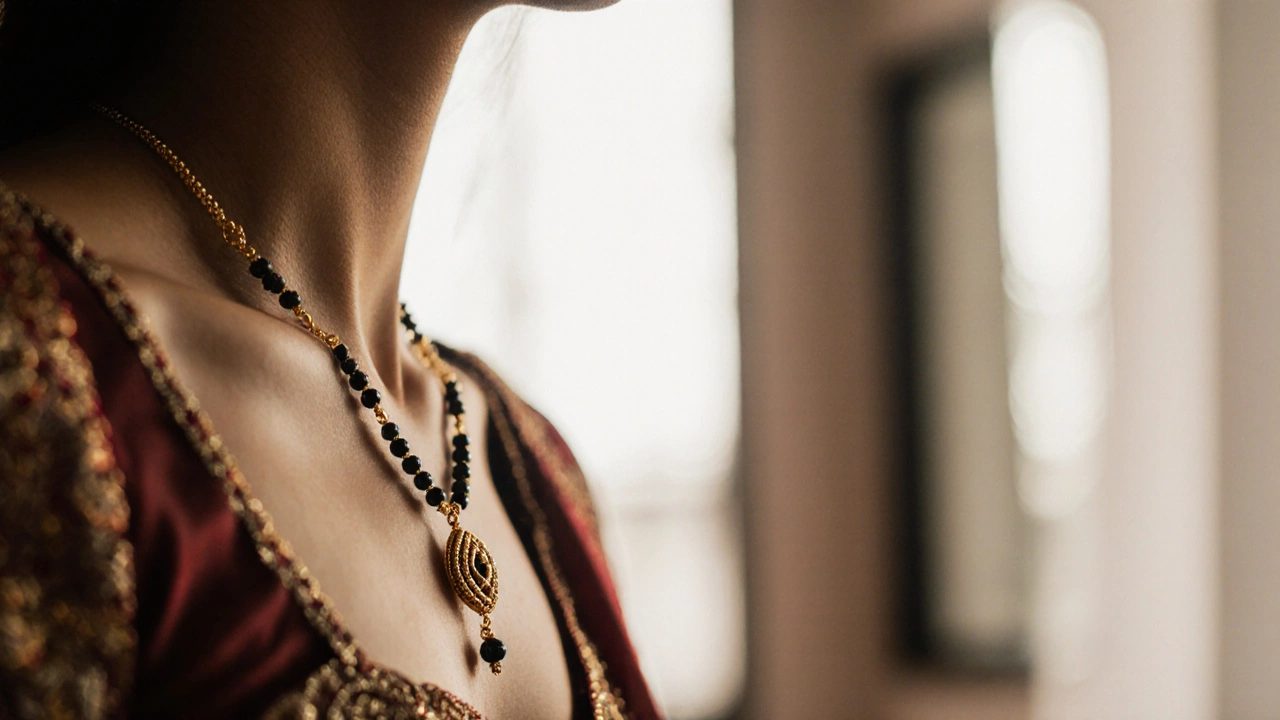
At its core, the mangalsutra, a sacred necklace worn by married Hindu women in India, symbolizing union, protection, and commitment. Also known as vivaha sūtra, it’s more than jewelry—it’s a visible sign of marital status rooted in centuries of tradition. But what does it actually stand for? The mangalsutra isn’t just gold and beads. Its design carries layers of meaning: the black beads are believed to ward off negative energy, while the gold represents prosperity and the enduring nature of marriage. This isn’t superstition—it’s cultural code, passed down through generations.
One of the most common questions is why black beads are used. It’s not about mourning—it’s about protection. In many regions, black is seen as a shield against the evil eye, a belief still held strongly in rural and urban households alike. The number of beads, the shape of the pendant, even the chain length—all vary by region. In Maharashtra, it’s often two gold pendants on a black beaded string. In South India, it’s a single gold coin or temple-style pendant. And while the ideal length is typically 18 inches, modern women choose shorter or longer chains based on comfort, neckline, or daily life. The black beads, small, matte beads strung in multiples along the mangalsutra chain, often made from jet, onyx, or glass. Also known as kala dana, they’re a key symbolic element in traditional designs. Meanwhile, the mangalsutra length, the measurement from clasp to center pendant, affecting both comfort and cultural perception. Also known as mangalsutra size, it’s chosen based on body type and lifestyle isn’t fixed—it’s personal now. Many women adjust it to wear it under shirts, over kurtas, or even as a daily accessory.
What’s changed? The rules. Today, unmarried women wear mangalsutra-inspired designs for fashion. Men gift them to partners as tokens of commitment, not just after marriage. The symbolism is evolving, but the heart remains: it’s about love, safety, and belonging. You’ll find posts here that break down why black beads matter, how length affects wearability, and how regional styles differ. You’ll also see how modern women are redefining what this piece means—without losing its soul. Whether you’re curious about tradition, planning a wedding, or just love meaningful jewelry, this collection gives you real insights—not just history, but how it lives today.
Why Are There Three Knots in Mangalsutra? The Meaning Behind the Design
The three knots in a mangalsutra symbolize commitment, family, and self-preservation in marriage. Rooted in ancient tradition, they’re more than decoration-they’re a living promise. Discover what they truly mean and how modern women are redefining their significance.