Traditional Indian Gold Jewelry: Meaning, Styles, and Modern Wear
When you think of traditional Indian gold jewelry, handcrafted pieces rooted in centuries-old rituals, regional artistry, and spiritual symbolism. Also known as Indian heritage jewelry, it’s not just adornment—it’s a language of identity, faith, and belonging. This isn’t flashy luxury. It’s the gold bangles your grandmother clinked as she cooked, the mangalsutra that marked her marriage, the toe rings worn not for trend but tradition. These pieces carry stories, not just metal.
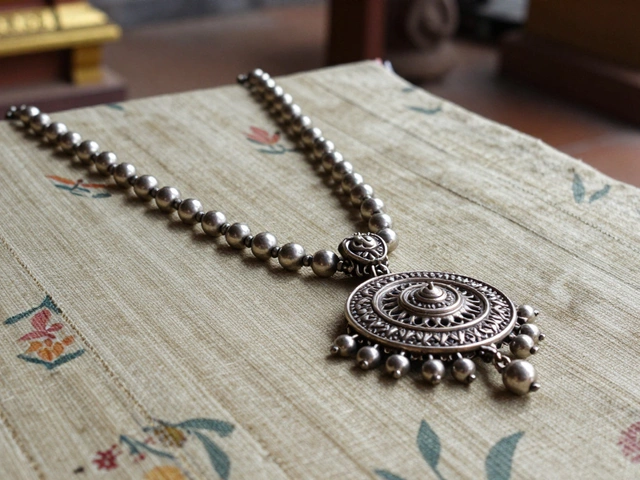
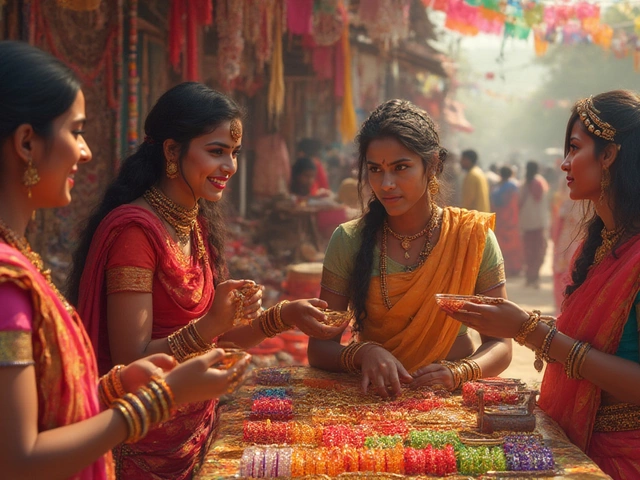
At its core, temple jewelry, a distinct style from South India, featuring intricate motifs of deities, peacocks, and lotuses, often set with kempu stones is the heartbeat of this tradition. Made by artisans in Tamil Nadu and Andhra Pradesh, it’s passed down like heirlooms, not bought off shelves. Then there’s the mangalsutra, the black bead and gold chain worn by married women, its three knots symbolizing commitment, family, and self-preservation. It’s not jewelry you pick for a photo—it’s jewelry you wear every day. And don’t forget bangles, the stack of glass, gold, or lac that signals marital status, regional roots, or even mood. In some places, green bangles mean fertility; in others, red means prosperity. There’s no one rule—only layers of meaning.
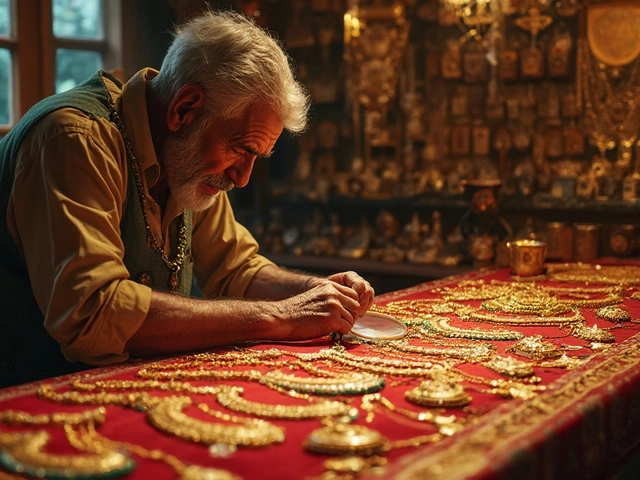
Even gold toe rings, traditionally worn on the second toe by married women, linked to acupuncture points and marital life, are now worn by anyone who loves the look. The rules are softening, but the soul hasn’t changed. These pieces still connect women to their mothers, their villages, their gods. You won’t find them in fast-fashion catalogs. You’ll find them in family trunks, temple markets, and small workshops where artisans still hammer gold by hand.
What you’ll find below isn’t a list of products. It’s a collection of real questions people ask: How many bangles should a married woman wear? Can an unmarried girl wear a bindi? Why three knots in a mangalsutra? Why do some wear green bangles? Who can wear gold toe rings? These aren’t trivia—they’re the living threads of a culture still being woven. Each article cuts through myths, shares regional truths, and shows how tradition adapts without losing its meaning. Whether you’re curious, buying for a wedding, or just trying to understand why gold matters so much in India, you’ll find answers here—not theory, but lived experience.
What is Chettinad Gold? The History, Design, and Craft of Traditional Temple Jewelry from Tamil Nadu
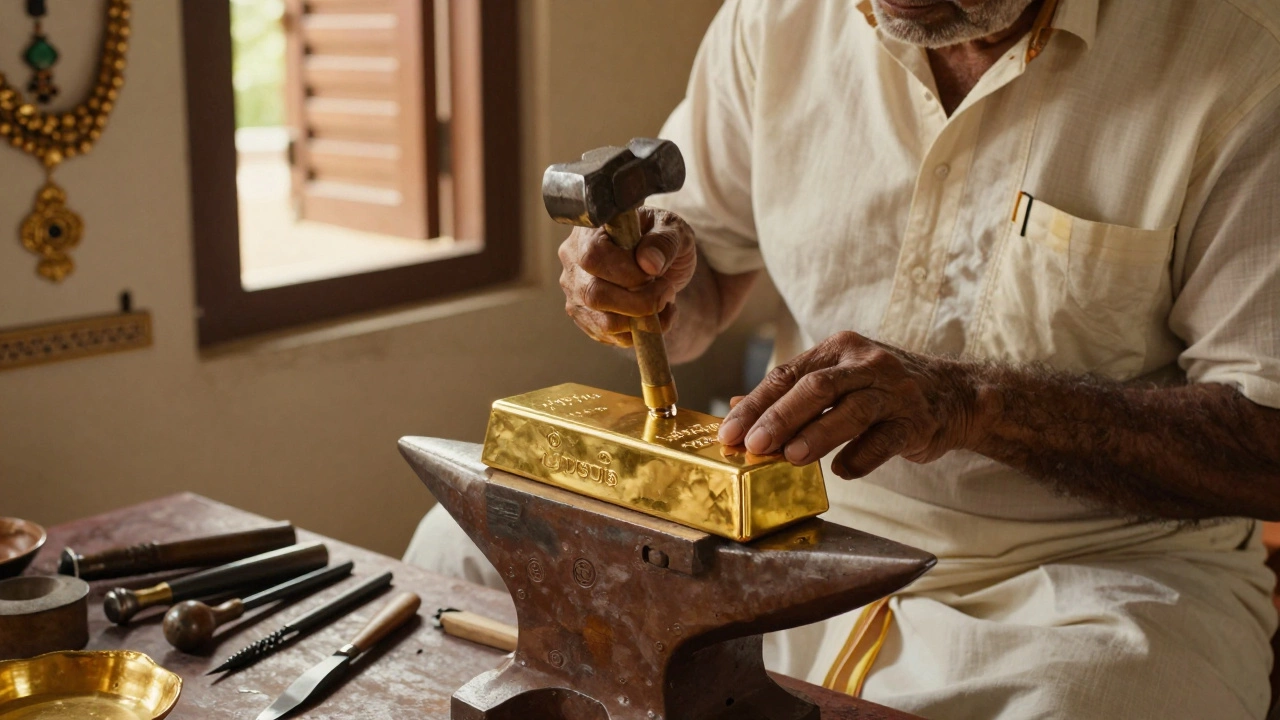
Chettinad gold is a centuries-old form of temple jewelry from Tamil Nadu, known for its heavy 22-karat gold, hand-carved temple motifs, and matte finish. Made by skilled artisans, it’s worn during rituals and passed down through generations.