Traditional Kerala Jewelry: History, Designs, and Modern Wear
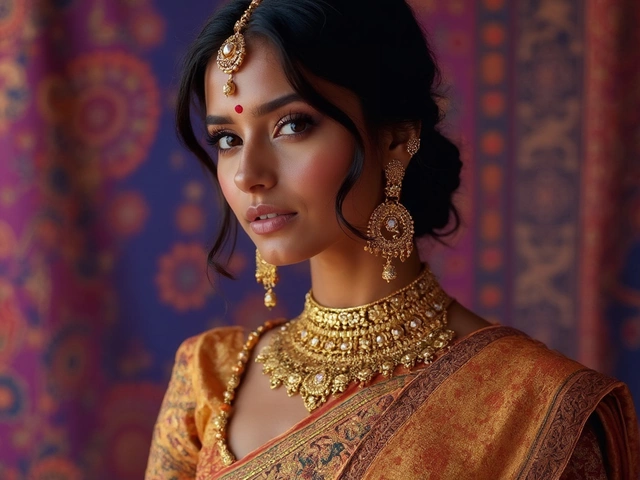
When you think of traditional Kerala jewelry, a distinctive form of South Indian gold craftsmanship known for its heavy gold, temple-inspired motifs, and matte finish. Also known as Kerala gold jewelry, it’s not just ornament—it’s heritage passed down in families, worn at weddings, and made by artisans who still use centuries-old techniques. Unlike the shiny, polished look of North Indian gold, Kerala jewelry has a rougher, more textured surface that catches light differently, giving it a quiet, sacred elegance. This style was originally created for temple dancers and royal families, where every curve and engraving held meaning—from the lotus petals symbolizing purity to the peacock feathers representing grace.
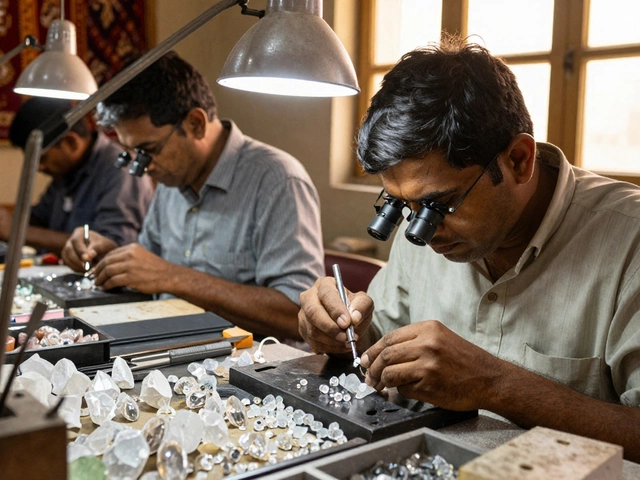
What sets Kerala gold jewelry, a regional style rooted in temple art and worn primarily by women in Kerala and parts of Tamil Nadu. Also known as South Indian jewelry, it often features temple jewelry elements like miniature deities, divine animals, and intricate floral patterns. These pieces are rarely mass-produced. Instead, they’re hand-hammered by local artisans using 22-karat gold, sometimes embedded with kempu stones—red garnets that glow like embers. The weight matters: a typical Kerala necklace can weigh over 50 grams, and bridal sets often include matching earrings, bangles, and waistbands that together can exceed 200 grams. This isn’t flashy luxury—it’s solemn, lasting beauty meant to be worn daily and inherited.
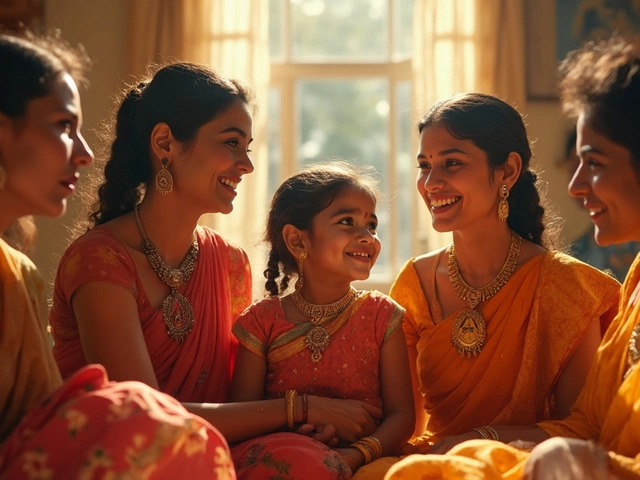
Modern women in Kerala still wear these pieces on weddings and festivals, but now they’re also pairing them with jeans and kurtas. The shift isn’t about abandoning tradition—it’s about making it live. Younger buyers are choosing lighter versions of the classic mathapu (necklace) or smaller chokers with temple designs, so they can wear them to work. Even men are starting to wear gold rings with Kerala-style engravings, breaking old gender norms. The same artisans who made jewelry for temple processions 100 years ago are now teaching apprentices how to make minimalist versions for global customers.
What you’ll find in the collection below are real stories about how these pieces are made, who wears them, and why they still matter. From the meaning behind the number of bangles in a bridal set to how temple motifs evolved from stone carvings to gold, you’ll see how culture, craft, and personal identity shape every piece. There’s no single rule for wearing traditional Kerala jewelry—only deep-rooted practices, evolving tastes, and the quiet pride of carrying something made by hands that never stopped working.

What Is the Black Gold of Kerala? The Truth Behind Temple Jewelry
The black gold of Kerala refers to traditional temple jewelry made with gold and blackened silver, used in Bharatanatyam dance and temple rituals. It's handcrafted by artisans using ancient techniques and holds deep cultural value.